
Understanding the potential signs of thyroid cancer is a crucial step for any caregiver, particularly when your loved one lives in areas like Anaheim. Early detection can significantly improve treatment outcomes, making your informed awareness an invaluable asset in their health journey. This guide is designed to empower you with knowledge about what to look for, how diagnosis proceeds, and where to find support right here in Orange County.
At a glance
| Detail | Summary |
|---|---|
| Topic | early detection thyroid cancer symptoms Anaheim |
| Who it is for | Caregivers and family |
| Area served | Orange County, California |
| Category | patient-education |
| Reading time | About 11 minutes |
| Cited sources | 6 |
| Last reviewed | 2026-06-01 |
Key takeaways
- Thyroid cancer often presents with subtle symptoms, making caregiver vigilance important for early detection.
- The most common sign is a lump or nodule in the neck, which may or may not be visible.
- Diagnostic tools like ultrasound and fine-needle aspiration are critical for confirming a thyroid cancer diagnosis.
- Prognosis for most thyroid cancers is excellent with early intervention, emphasizing timely action.
- Caregivers play an essential role in monitoring symptoms, advocating for their loved one, and supporting their treatment journey.
Understanding the Thyroid Gland and Its Role
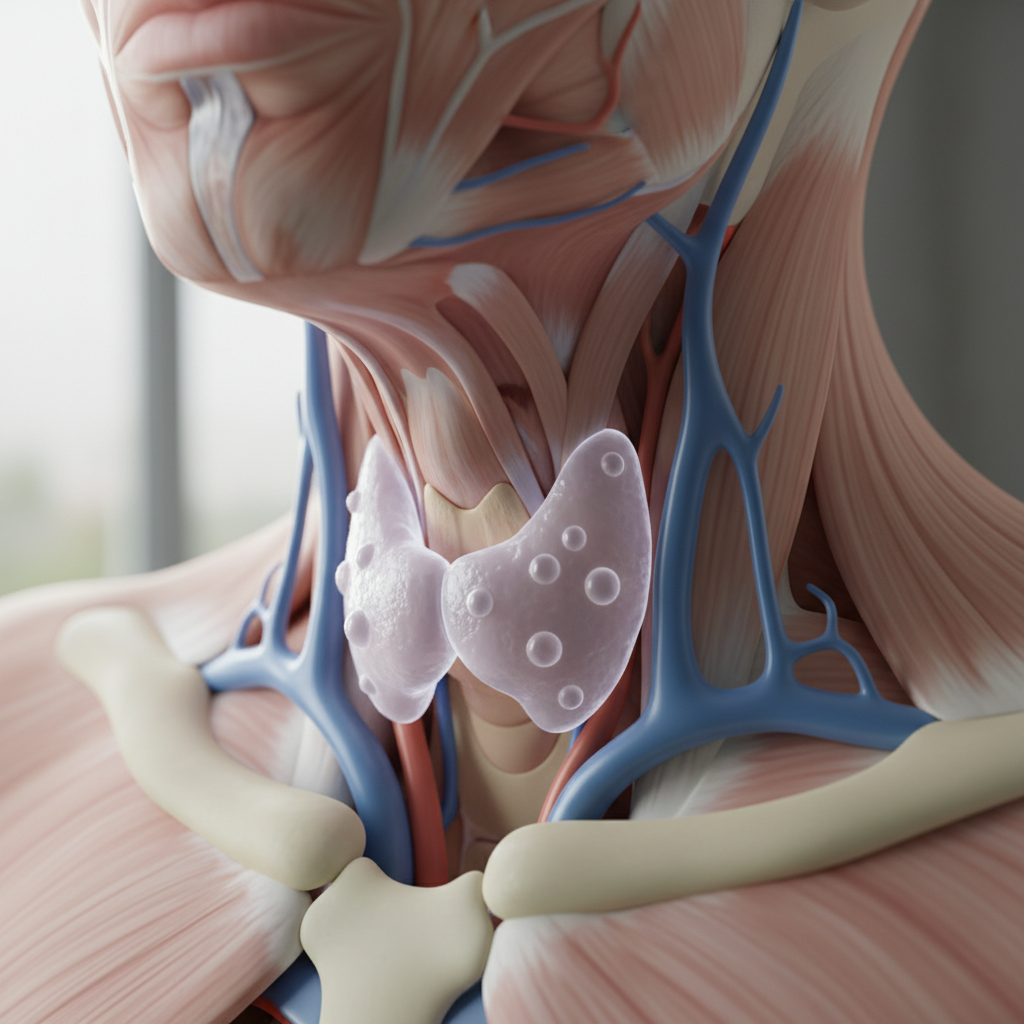
The thyroid gland is a small, butterfly-shaped organ located at the base of the neck, just below the Adam's apple. It might be small, but it plays a vital role in your body's overall health.
The Thyroid's Essential Functions
This gland produces hormones that regulate metabolism, heart rate, blood pressure, body temperature, and weight. Think of it as your body's thermostat, finely tuning many of the systems that keep us going [8, 10]. When everything is working well, you rarely even notice it.
What Happens When Things Go Wrong?
Because the thyroid influences so many bodily functions, problems with it can have widespread effects. While many thyroid conditions are benign, sometimes abnormal cell growth can occur, leading to what is known as thyroid cancer. Recognizing these changes early is key.
Common Early Detection Thyroid Cancer Symptoms in Anaheim
Unlike some cancers, early thyroid cancer often doesn't cause many obvious symptoms. This can make it challenging for both patients and caregivers to notice something is amiss [8]. However, there are specific signs that, while not exclusive to cancer, warrant further investigation.
The Silent Lump: The Most Common Sign
Many thyroid cancers are first detected as a lump or swelling in the neck [9]. This lump is often called a thyroid nodule. It might be visible or only detectable by touch.
- How it feels: Often, these nodules are painless and can be quite small. They can feel firm or soft, and some might move when your loved one swallows.
- Caregiver's role: As a caregiver, you might be the first to notice a change either visually or by accidentally touching your loved one's neck. Encourage regular self-checks or gentle observation.
Changes in Voice and Swallowing
As a thyroid nodule grows, it can press on nearby structures in the neck. This can lead to noticeable changes.
- Hoarseness or voice changes: If the lump pushes on the nerves to the voice box, it can cause persistent hoarseness or a change in voice that doesn't go away [8]. This is different from a temporary hoarseness due to a cold.
- Difficulty swallowing: A larger nodule might make swallowing feel difficult or uncomfortable, as if there's a lump in the throat that obstructs food passing through [9]. This symptom, known as dysphagia, should never be ignored.
Less Common but Important Symptoms to Watch For
While a neck lump is the most common indicator, other symptoms can point to potential thyroid issues. These are often related to the gland's proximity to other structures.
Breathing Difficulties and Neck Pain
If the thyroid nodule continues to enlarge, it can impact breathing and cause discomfort.
- Trouble breathing: In rare cases, a large thyroid mass can press on the windpipe, leading to shortness of breath or a feeling of constriction [8]. This might be more noticeable during physical activity or when lying down.
- Neck pain: Though many nodules are painless, some can cause pain in the neck, which might even extend to the ears [9]. Any persistent, unexplained neck pain should be evaluated.
Enlarged Lymph Nodes
One of the ways cancer can spread is to the lymph nodes. These are small, bean-shaped glands found throughout the body, including the neck.
- Swollen lymph nodes: If thyroid cancer spreads, you might notice swollen lymph nodes in the neck [8, 7]. These usually feel firm and painless. Your doctor will likely check for these during an examination.
- Why it matters: The presence of enlarged lymph nodes can indicate that the cancer is more advanced or has begun to spread, making early detection even more critical.
The Journey to Diagnosis: What to Expect in Anaheim
If you or your loved one notice any of these symptoms, the next step is to consult a healthcare professional. Fortunately, the Anaheim area offers excellent diagnostic resources.
Initial Consultation and Physical Exam
Your primary care physician is usually the first point of contact. They will take a detailed medical history and perform a physical exam.
- Neck Palpation: The doctor will carefully feel your loved one's neck to check the size, shape, and consistency of the thyroid gland, and to feel for any nodules or enlarged lymph nodes [7]. This simple step is often the first clue.
- Questioning symptoms: Be prepared to discuss when the symptoms started, how they've progressed, and any other changes you've observed. Your observations as a caregiver are invaluable here. Consider keeping a symptom journal to track changes.
Imaging: Ultrasound for Thyroid Cancer Diagnosis
If a nodule is found or suspected, the doctor will likely recommend an ultrasound. This is a non-invasive, painless imaging technique.
- Detailed views: An ultrasound for thyroid cancer diagnosis uses sound waves to create a detailed image of the thyroid gland and any nodules [1]. It helps determine the nodule's size, exact location, and characteristics (solid, cystic, irregular borders), which can indicate whether it's suspicious for cancer.
- Accessibility in Anaheim: Numerous imaging centers in and around Anaheim are equipped to perform high-quality thyroid ultrasounds, ensuring timely access to this crucial diagnostic step.
Biopsy: Fine-Needle Aspiration (FNA)
If the ultrasound reveals suspicious features, the next step is typically a fine-needle aspiration (FNA) biopsy. This is the most definitive way to diagnose thyroid cancer.
- The procedure: Under ultrasound guidance, a very thin needle is inserted into the nodule to collect a small sample of cells [7]. This is usually a quick outpatient procedure, often performed with local anesthesia.
- Pathology review: The collected cells are then examined under a microscope by a pathologist to determine if they are cancerous. This critical step provides a definitive diagnosis and helps guide treatment decisions.
Navigating Treatment and Support in Orange County
Receiving a thyroid cancer diagnosis can be daunting, but it's important to remember that most thyroid cancers are highly treatable, especially when caught early [8, 10]. Orange County offers comprehensive care options.
Treatment Options for Thyroid Cancer
Treatment plans vary depending on the type and stage of thyroid cancer, but common approaches include surgery, radioactive iodine therapy, and sometimes external beam radiation or targeted drug therapies [6]. Your care team in Anaheim will develop a personalized plan. You can explore options to /find-specialist or consider getting a /second-opinion to ensure all aspects of care are covered.
The Importance of a Multidisciplinary Team
A comprehensive cancer center will coordinate care with a team of specialists, including endocrinologists, surgeons, oncologists, and radiation therapists. This collaborative approach ensures your loved one receives the best possible care from various expert perspectives [5]. Cancer Answers OC can often connect you to these multidisciplinary teams.
Caregiver Support and Resources
As a caregiver, your well-being is just as important. Seek out support groups, counseling services, or educational resources. Many local hospitals and cancer centers in Orange County offer programs specifically for caregivers. You can also utilize our free Ask the Assistant chat for instant, private support and information 24/7. Live OC specialists are on hand when needed.
Prognosis and Follow-Up Care
For most types of thyroid cancer, especially those detected early, the prognosis is excellent. Many patients go on to live long, healthy lives after treatment [8].
Regular Monitoring
After treatment, regular follow-up appointments are crucial to monitor for any recurrence and manage thyroid hormone levels. This typically involves physical exams, blood tests (to check thyroid hormone and tumor marker levels), and sometimes imaging tests like ultrasound [7].
Long-Term Health and Quality of Life
Your loved one will likely need to take thyroid hormone replacement medication for the rest of their life to compensate for the removed thyroid gland. This medication helps maintain normal metabolic function and can also help prevent cancer recurrence. With proper management, most individuals maintain a good quality of life.
Frequently asked questions
### What are the first signs of thyroid cancer a caregiver might notice?
The most common first sign is a new lump, nodule, or swelling in the front of the neck, near the Adam's apple. You might notice it visually or feel it during a hug [9]. It’s often painless, making caregiver observation critical.
### Can an ultrasound alone diagnose thyroid cancer?
No, an ultrasound helps identify the characteristics of a thyroid nodule and guides the doctor on whether a biopsy is needed. However, a definitive diagnosis of thyroid cancer requires a biopsy, usually a fine-needle aspiration (FNA) [1].
### Is thyroid cancer screening routine in Anaheim?
Routine screening for thyroid cancer in people without symptoms is generally not recommended due to the low risk and the high incidence of benign thyroid nodules. However, if you have risk factors or notice symptoms, your doctor might recommend an ultrasound [7].
### What are the signs of thyroid cancer that indicate it might be more advanced?
Signs of potentially more advanced thyroid cancer can include persistent hoarseness, difficulty swallowing, trouble breathing, or enlarged lymph nodes in the neck [8, 9]. These symptoms warrant immediate medical attention.
### How often should my loved one have follow-up appointments after thyroid cancer treatment?
Follow-up frequency depends on the specific type and stage of thyroid cancer, as well as the individual's response to treatment. Generally, it involves regular check-ups, blood tests, and imaging scans for many years to monitor for recurrence and manage hormone levels [7].
### What resources are available in Anaheim for thyroid cancer support?
Many hospitals and cancer centers in the wider Orange County area offer support groups, educational programs, and navigation services for patients and caregivers affected by thyroid cancer. You can also contact Cancer Answers OC for personalized guidance and connections to local resources.
When to call your care team
- New or growing lump in the neck: Any new or changing lump should be reported.
- Persistent hoarseness or voice changes: If a change in voice lasts more than a few weeks.
- Difficulty swallowing or breathing: Any new or worsening trouble with these functions.
- Unexplained neck pain: Pain that radiates to the ear and doesn't go away.
- Swollen lymph nodes: If you notice new or enlarging bumps in the neck, especially near the collarbone.
- High fever or chills: Especially after a biopsy or surgery, could indicate infection.
- Any new concerning symptom: Trust your instincts as a caregiver; if something feels wrong, call.
How Cancer Answers OC can help
At Cancer Answers OC, we understand the complexities and anxieties that come with a cancer diagnosis. We're dedicated to empowering caregivers like you with reliable, easy-to-understand information and direct support options available right here for Anaheim residents and beyond. If you need assistance navigating diagnosis, understanding treatment options, or finding local specialists, our team is here to help. Explore details about our services or reach out for personalized guidance via our /contact page. Don't hesitate to use our free Ask the Assistant chat — it's available 24/7 for immediate answers, private conversations, and connections to live specialists in Orange County when you need them most.
Related resources
- Don’t Ignore the Whisper: Recognizing the Signs and Symptoms of Ovarian Cancer
- Understanding Melanoma Symptoms: Early Detection is Key
- Understanding Lymphoma Types and Treatment in Irvine: A Caregiver's Guide
- Find a cancer specialist in Orange County
- Get a second opinion
- Insurance and coverage guide
Sources
- Diagnostic Utility of Radiomics in Thyroid and Head and Neck Cancers. https://pmc.ncbi.nlm.nih.gov/articles/PMC8293690/
- Clinical Efficacy of Frameless Stereotactic Radiosurgery in the ... https://pubmed.ncbi.nlm.nih.gov/31261273/
- A Clinicopathologic Series of 685 Thyroglossal Duct Remnant Cysts. https://pmc.ncbi.nlm.nih.gov/articles/PMC5082048/
- A Comprehensive Survey on the Detection, Classification, and ... https://pmc.ncbi.nlm.nih.gov/articles/PMC8945195/
- Prevalence and Capacity of Cancer Diagnostics and Treatment - PMC. https://pmc.ncbi.nlm.nih.gov/articles/PMC6893940/
- A Multidisciplinary Update on Treatment Modalities for Metastatic ... https://pmc.ncbi.nlm.nih.gov/articles/PMC11352440/
- Thyroid Cancer Symptoms, Risks, and Treatments | Orange County. https://www.hoag.org/programs/thyroid-cancer/diagnosis/
- Thyroid cancer - Symptoms and causes - Mayo Clinic. https://www.mayoclinic.org/diseases-conditions/thyroid-cancer/symptoms-causes/syc-20354161
- Know Thyroid Cancer Signs for Early, Effective Care - Scripps Health. https://www.scripps.org/news_items/7106-what-are-the-symptoms-of-thyroid-cancer
- Thyroid Cancer: Early Diagnosis Drives Successful Treatment. https://blog.providence.org/healthcalling/thyroid-cancer-early-diagnosis-drives-successful-treatment