
When a loved one receives a lymphoma diagnosis in Irvine, it's natural to feel overwhelmed. As a caregiver, understanding lymphoma types and treatment options is a critical step in navigating this journey, allowing you to provide informed and compassionate support. This guide aims to demystify lymphoma, exploring its various forms and the advanced therapies available in Orange County.
At a glance
| Detail | Summary |
|---|---|
| Topic | understanding lymphoma types and treatment Irvine |
| Who it is for | Caregivers and family |
| Area served | Orange County, California |
| Category | patient-education |
| Reading time | About 12 minutes |
| Cited sources | 6 |
| Last reviewed | 2026-06-01 |
Key takeaways
- Lymphoma is a cancer of the lymphatic system, primarily categorized into Hodgkin and non-Hodgkin lymphoma, each with many subtypes.
- Accurate diagnosis, often through biopsy, is crucial because each lymphoma subtype requires a specific treatment plan.
- Treatment options range from chemotherapy and radiation to targeted therapies, immunotherapy, and stem cell transplants, tailored to the individual.
- New therapies, including CAR T-cell therapy and novel drug combinations, are continually emerging, offering hope and improved outcomes.
- Caregivers play a vital role in managing treatment side effects, advocating for the patient, and providing emotional support throughout the trajectory of care.
Understanding Lymphoma: The Basics
Receiving a cancer diagnosis can be jarring, especially when it involves the intricate lymphatic system. As a caregiver, gaining a foundational understanding of what lymphoma is will equip you to better support your loved one through their treatment journey.
What Exactly is Lymphoma?
Lymphoma is a cancer that begins in infection-fighting cells of the immune system, called lymphocytes. These cells are part of the lymphatic system, a network of tissues and organs that help rid the body of toxins, waste, and other unwanted materials. The lymphatic system includes the lymph nodes, spleen, thymus, and bone marrow [10]. When a person has lymphoma, these lymphocytes grow abnormally and multiply uncontrollably, leading to the formation of tumors [10].
The Lymphatic System: Your Body's Defense Network
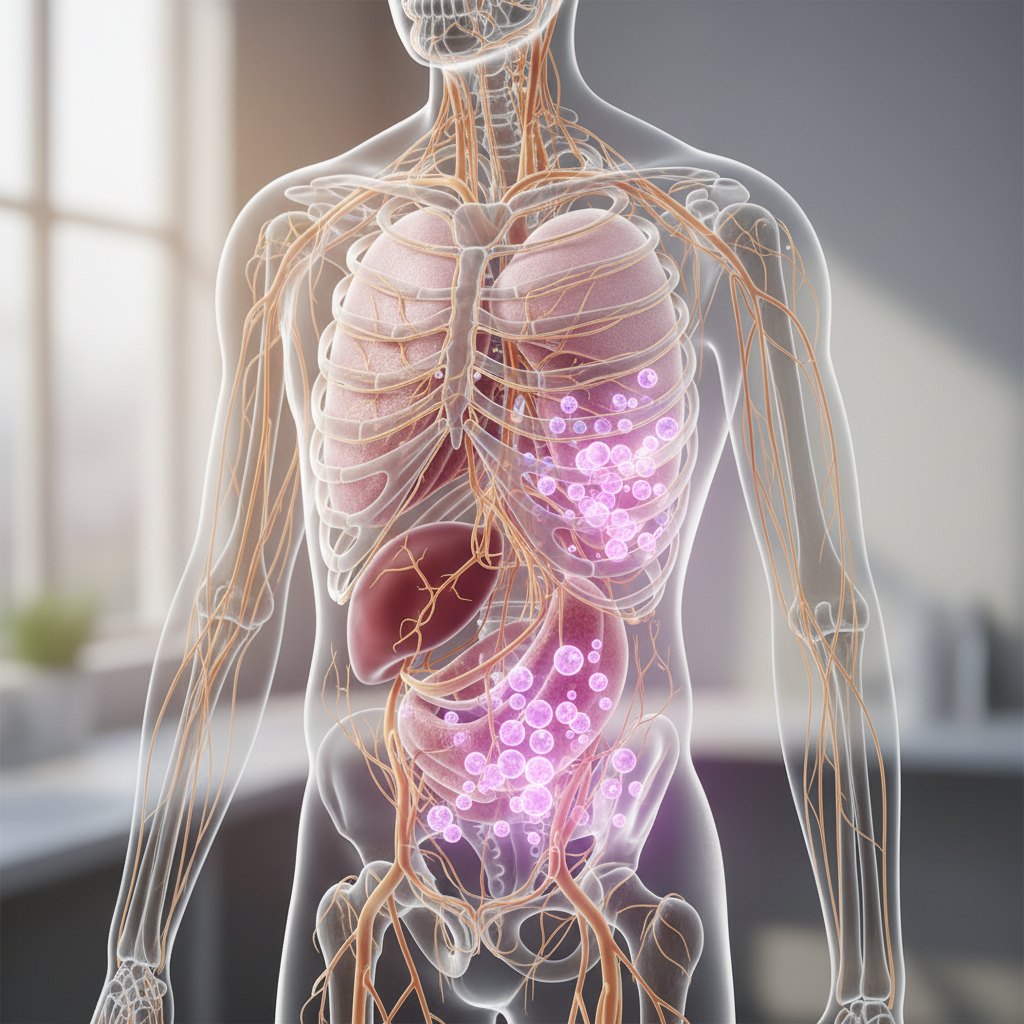
Imagine your lymphatic system as an intricate highway system within the body, constantly working to protect against disease. It's a critical part of your immune system, carrying lymph fluid, nutrients, and waste material between body tissues and the bloodstream. Lymph nodes, small bean-shaped structures found throughout the body (like in the neck, armpits, and groin), filter lymph fluid and store lymphocytes. When lymphoma develops, it usually starts in these lymph nodes, but it can also originate in other lymphatic organs or even spread to non-lymphatic tissues [10].
Hodgkin vs. Non-Hodgkin Lymphoma: Distinguishing the Types
One of the first distinctions your care team will make is whether your loved one has Hodgkin lymphoma (HL) or non-Hodgkin lymphoma (NHL). This classification is more than just a name; it dictates the specific treatment path and prognosis. Understanding this difference is fundamental for any caregiver.
Hodgkin Lymphoma (HL): A Specific Marker
Hodgkin lymphoma is characterized by the presence of a unique type of abnormal cell called the Reed-Sternberg cell, which can be identified under a microscope [10]. While less common than NHL, HL is often highly curable, especially when diagnosed early. It typically spreads in an orderly fashion from one group of lymph nodes to the next. The overall 5-year survival rate for Hodgkin lymphoma is quite high, around 89% [1].
Non-Hodgkin Lymphoma (NHL): A Diverse Group
Non-Hodgkin lymphoma is far more common, accounting for about 9 out of 10 lymphoma cases [1]. Unlike HL, it doesn't have Reed-Sternberg cells and encompasses a wide range of subtypes – over 100 different ones, each with unique behaviors and prognoses [8]. These subtypes are generally classified by the type of lymphocyte affected (B-cell or T-cell) and how quickly they grow (indolent/slow-growing or aggressive/fast-growing). Examples include Diffuse Large B-cell Lymphoma (DLBCL) and Follicular Lymphoma.
Diagnosing Lymphoma: What to Expect
The diagnostic process for lymphoma can be a challenging period, filled with waiting and uncertainty. As a caregiver, knowing what tests to expect and why they are necessary can help you prepare and support your loved one through this critical phase.
The Importance of Biopsy
The most definitive way to diagnose lymphoma and determine its specific type is through a biopsy [8]. This involves removing a tissue sample, usually from an enlarged lymph node or affected organ, for examination by a pathologist. Pathologists analyze the cells under a microscope to look for cancerous lymphocytes and identify their characteristics, including the presence of Reed-Sternberg cells that define Hodgkin lymphoma [4]. This detailed analysis is vital for accurate classification and treatment planning.
Staging and Other Diagnostic Tests
Once lymphoma is diagnosed, further tests are conducted to determine its stage – how far the cancer has spread within the body. These tests may include PET scans, CT scans, and MRI scans to visualize affected areas. Bone marrow biopsies may also be performed to check if lymphoma cells are in the bone marrow. Blood tests provide additional information about overall health and organ function. All these pieces of information help the Irvine care team create a precise treatment plan.
In-depth look
Understanding the specific type and stage of lymphoma is the cornerstone of effective treatment. The complexity of the lymphatic system means that accurate mapping of the disease is crucial. Modern imaging techniques allow oncologists to see the extent of the lymphoma, while sophisticated lab tests delve into the biology of the cancer cells themselves. This meticulous process ensures that therapies are as targeted and effective as possible.
The Role of Pathology and Molecular Testing
Beyond simply identifying cancer cells, pathologists and oncologists use advanced techniques to understand the molecular characteristics of the lymphoma. This can include flow cytometry, immunohistochemistry, and genetic testing, which look for specific markers on the surface of the lymphoma cells or genetic mutations within them [3]. This detailed molecular profile helps predict how the lymphoma might behave and which targeted therapies are most likely to be effective. For example, some non-Hodgkin lymphomas might express certain proteins that make them susceptible to specific monoclonal antibody treatments [2].
Prognostic Factors and Risk Assessment
The care team also assesses various prognostic factors to estimate the likely course of the disease and guide treatment intensity. These factors can include the patient's age, overall health status, specific lymphoma subtype, and how widely the cancer has spread. For instance, in some aggressive non-Hodgkin lymphomas, doctors use the International Prognostic Index to categorize patients into different risk groups, which helps determine the aggressiveness of the initial treatment [6]. This careful evaluation ensures that your loved one receives the most appropriate and personalized care in Orange County.
Traditional Lymphoma Treatment Options in Orange County
Navigating lymphoma treatment can feel like learning a new language. As a caregiver, familiarize yourself with the common treatment options. In areas like Irvine and Newport Beach, your loved one will have access to a range of established and advanced therapies.
Chemotherapy and Radiation Therapy
Chemotherapy remains a cornerstone of lymphoma treatment. These powerful drugs, often given intravenously, travel throughout the body to kill rapidly dividing cancer cells. Different combinations of chemotherapy drugs are used depending on the lymphoma type and stage. Radiation therapy uses high-energy beams to destroy cancer cells or shrink tumors in a specific area. It can be used alone or in combination with chemotherapy, especially for localized disease. Your loved one's medical oncologist in Orange County, perhaps at UCI Health [7], will determine the optimal regimen.
Immunotherapy and Targeted Therapies
Immunotherapy harnesses the body's own immune system to fight cancer. Monoclonal antibodies, a type of immunotherapy for lymphoma, are designed to attach to specific proteins on lymphoma cells, marking them for destruction by the immune system or directly killing them [2]. Targeted therapies, on the other hand, focus on specific abnormalities within cancer cells that allow them to grow and survive. By blocking these abnormalities, these drugs can prevent cancer growth. These modern approaches often lead to more precise treatment with fewer side effects than traditional chemotherapy.
Emerging and Advanced Therapies in Newport Beach
The field of lymphoma treatment is constantly evolving, with exciting new therapies offering renewed hope. Newport Beach and the broader Orange County area are at the forefront of these advancements, providing access to cutting-edge options.
CAR T-Cell Therapy and Stem Cell Transplants
Chimeric Antigen Receptor (CAR) T-cell therapy is a revolutionary treatment for certain aggressive lymphomas that have not responded to other treatments. It involves modifying a patient's own T-cells (a type of immune cell) in a lab to better recognize and attack cancer cells. These re-engineered cells are then infused back into the patient [3]. Stem cell transplantation, often following high-dose chemotherapy, replaces diseased bone marrow with healthy blood-forming stem cells. This can be either autologous (using the patient's own cells) or allogeneic (using donor cells).
Clinical Trials and Novel Drug Combinations
Participation in clinical trials can offer access to the very latest treatments under development, often before they are widely available. These trials investigate new drugs, new combinations of existing therapies, or novel approaches like nanomedicine [5]. For caregivers in Orange County, exploring clinical trials can be a vital part of finding the best possible care. You can discuss options for clinical trials with your loved one's care team, or use the free, private, and instant Ask the Assistant chat on our website to learn more about studies in the area. Our specialists can help provide information and access to leading research in Newport Beach and beyond.
The Caregiver's Role in Lymphoma Treatment
As a caregiver, your role extends far beyond transportation and appointments. You are a crucial member of the care team, providing emotional strength, practical support, and an extra set of eyes and ears. This demanding role requires resilience and self-care.
Managing Side Effects and Appointments
Lymphoma treatments can have various side effects, from fatigue and nausea to more complex issues. You can help by monitoring these side effects, communicating them clearly to the medical team, and assisting with medication schedules. Keeping track of appointments, managing transportation to facilities in Irvine, and organizing medical records are also key responsibilities. A structured approach can make this easier for both you and your loved one.
Emotional Support and Advocacy
Beyond the physical aspects, the emotional toll of lymphoma can be immense for both the patient and the caregiver. Providing a listening ear, encouraging open communication, and helping your loved one maintain a sense of normalcy are invaluable. You also serve as an advocate, asking questions, seeking clarity from the medical team, and ensuring your loved one's voice is heard. Don't hesitate to seek support for yourself, too; caregiver burnout is real, and local support groups or resources in Orange County can provide a much-needed outlet.
Frequently asked questions
What are the main types of lymphoma?
The main types of lymphoma are Hodgkin lymphoma (HL) and non-Hodgkin lymphoma (NHL). HL is characterized by the presence of Reed-Sternberg cells, while NHL is a broader category with over 100 different subtypes, further classified by the type of lymphocyte (B-cell or T-cell) and growth rate [8].
What are the common symptoms of lymphoma?
Common symptoms of lymphoma can include swollen, painless lymph nodes (often in the neck, armpit, or groin), fever, night sweats, unexplained weight loss, itching, and persistent fatigue. However, these symptoms can also be caused by other conditions, so medical evaluation is crucial [10].
How is lymphoma typically treated in Orange County?
Lymphoma treatment in Orange County often involves chemotherapy, radiation therapy, immunotherapy (like monoclonal antibodies), and targeted therapies. For advanced or relapsed cases, stem cell transplantation or CAR T-cell therapy may be recommended. The specific approach is tailored to the lymphoma type, stage, and the patient's overall health.
What are new lymphoma therapies available in places like Newport Beach?
New and emerging lymphoma therapies in Newport Beach and other advanced cancer centers include CAR T-cell therapy for aggressive lymphomas, novel targeted drugs that block specific cancer pathways, and immunotherapies that enhance the immune system's ability to fight cancer. Clinical trials also offer access to the latest investigational treatments.
How long does lymphoma treatment usually last?
The duration of lymphoma treatment varies significantly depending on the type and stage of lymphoma, the specific treatment regimen, and how the patient responds. It can range from a few months to over a year, with some maintenance therapies lasting longer. Your care team will provide a more precise timeline.
Can diet and lifestyle changes help during lymphoma treatment?
While diet and lifestyle changes cannot cure lymphoma, maintaining a healthy diet, staying physically active as tolerated, and managing stress can significantly improve a patient's quality of life, help manage side effects, and support overall well-being during treatment. Always discuss any significant lifestyle changes with the medical team.
When to call your care team
- Sudden onset or worsening of symptoms: New fever, chills, severe fatigue, or unexplained pain.
- Uncontrolled side effects: Persistent nausea, vomiting, diarrhea, or constipation not managed by prescribed medications.
- Signs of infection: Redness, swelling, or pus around any treatment sites, or a fever above 100.4°F (38°C).
- Allergic reactions: Rash, difficulty breathing, or swelling after medication.
- Significant emotional distress: If your loved one expresses overwhelming anxiety, depression, or hopelessness.
- Any new or concerning symptoms: Trust your instincts as a caregiver; if something feels wrong, reach out.
How Cancer Answers OC can help
Cancer Answers OC is dedicated to supporting caregivers and patients facing lymphoma in Irvine, Newport Beach, and throughout Orange County. We understand the complexities of understanding lymphoma types and treatment and are here to provide comprehensive resources and guidance.
We offer access to leading oncology specialists, information on advanced treatment options, and support services tailored to your loved one's unique journey. Our goal is to empower you with knowledge and connect you with the best care available. Don't hesitate to reach out for a personalized consultation or a second opinion. You can also utilize our free Ask the Assistant chat for instant answers and guidance, available 24/7. Our live Orange County specialists are also on standby when needed, ensuring you're never alone in this fight. Contact us today or visit our website to learn more about how we can make a difference.
Related resources
- Don’t Ignore the Whisper: Recognizing the Signs and Symptoms of Ovarian Cancer
- Understanding Melanoma Symptoms: Early Detection is Key
- Early Detection of Thyroid Cancer Symptoms in Anaheim: A Caregiver's Guide
- Find a cancer specialist in Orange County
- Get a second opinion
- Insurance and coverage guide
Sources
- "Going beneath the tip of the iceberg. Identifying and ... - PubMed." https://pubmed.ncbi.nlm.nih.gov/34175504/ (accessed Dec. 20, 2024).
- "Antibody-Based Therapies for Peripheral T-Cell Lymphoma - PMC." https://pmc.ncbi.nlm.nih.gov/articles/PMC11506347/ (accessed Dec. 20, 2024).
- "A human lymphoma organoid model for evaluating and targeting the ..." https://pmc.ncbi.nlm.nih.gov/articles/PMC10960522/ (accessed Dec. 20, 2024).
- "Automatic Classification of Lymphoma Images with Transform ... - PMC." https://pmc.ncbi.nlm.nih.gov/articles/PMC2911652/ (accessed Dec. 20, 2024).
- "Synergistic innovations of nanomedicine in lymphoma treatment." https://pmc.ncbi.nlm.nih.gov/articles/PMC12690820/ (accessed Dec. 20, 2024).
- "A Prospective Cohort Study of Patients with Peripheral T-Cell ... - PMC." https://pmc.ncbi.nlm.nih.gov/articles/PMC5650190/ (accessed Dec. 20, 2024).
- "Lymphoma | UCI Health | Orange County, CA." https://www.ucihealth.org/medical-services/conditions/lymphoma (accessed Dec. 20, 2024).
- "Understanding Your Lymphoma Diagnosis: Making Sense of Over ..." https://lymphoma.org/news/understanding-your-lymphoma-diagnosis-making-sense-of-over-100-different-types/ (accessed Dec. 20, 2024).
- "Chao Family Comprehensive Cancer Center." https://www.clfoundation.org/chao-family-comprehensive-cancer-center-1 (accessed Dec. 20, 2024).
- "Lymphoma Lump on Neck: Detecting & Understanding the Symptoms." https://cancercenterforhealing.com/lymphoma-lump-on-neck/ (accessed Dec. 20, 2024).