
That persistent bloating you've been blaming on last night's dinner—is it something more? For many women in Orange County and beyond, subtle changes in their bodies can be easy to dismiss. Understanding the true signs and symptoms of ovarian cancer is your most powerful tool for early detection, as this disease often whispers before it shouts.
Ovarian cancer was once called a "silent killer," but we now know it does produce symptoms, even in earlier stages [6]. The key is knowing what to look for and when to take action. This guide will walk you through the warning signs, explain why they happen, and empower you to have confident, informed conversations with your care team.
Key takeaways
- Ovarian cancer symptoms are often persistent and represent a change from your normal bodily functions.
- The four most common symptoms are bloating, pelvic or abdominal pain, feeling full quickly, and urinary changes (frequency or urgency) [10].
- If you experience these symptoms more than 12 times a month for several weeks, it's essential to see a doctor.
- Unusual vaginal bleeding, especially after menopause, is a critical warning sign that requires immediate medical attention [1].
- There is no routine screening test for ovarian cancer, making symptom awareness the cornerstone of early detection [5].
The Challenge with Early Detection
One of the greatest difficulties in diagnosing ovarian cancer early is the nature of its symptoms. They are often vague, non-specific, and can easily be attributed to more common, less serious conditions.
Why Symptoms Are Often Vague
Think about it: bloating, indigestion, and changes in bathroom habits are incredibly common experiences. They can be caused by diet, stress, irritable bowel syndrome (IBS), or normal hormonal fluctuations [9]. Because these symptoms don't immediately scream "cancer," both patients and sometimes even doctors can overlook their potential significance, contributing to delays in diagnosis [2].
This is why the persistence and frequency of the symptoms are so important. While occasional bloating is normal, bloating that happens almost every day for three weeks is not. This pattern is a crucial clue that something different is happening in your body and warrants a closer look.
A Disease That Whispers, Not Shouts
For years, ovarian cancer was labeled the "silent killer." This term is falling out of favor because it's misleading. Research has shown that the vast majority of women with ovarian cancer, including those with early-stage disease, do experience symptoms [6]. The problem isn't a lack of signs, but a lack of specific signs.
The symptoms are whispers—subtle nudges from your body that something is amiss. Learning to listen to these whispers and trust your intuition is a critical first step. You know your body better than anyone; a change that feels new and persistent to you is always worth discussing with a medical professional.
The Critical Role of Self-Advocacy
Because the symptoms are not always alarming on their own, you must be your own best advocate. It's vital to clearly communicate the nature, frequency, and duration of your symptoms to your doctor. If you feel your concerns are not being taken seriously, or if you're told it's "just stress" or "part of aging" but your intuition tells you otherwise, it is entirely appropriate to ask for further testing or seek a [/second-opinion] from a specialist.
Unpacking the Signs and Symptoms of Ovarian Cancer
While symptoms can vary, a consensus has emerged around a core group of indicators that are most frequently associated with ovarian cancer. Paying close attention to these can significantly improve the chances of catching the disease earlier.
The "Big Four" Warning Signs
Multiple health organizations, including the CDC and the American Cancer Society, highlight four key symptoms to watch for. If these are new to you and persist for more than a few weeks, it's time to call your doctor [1, 7].
- Bloating: This isn't just the feeling of having overeaten. It's persistent abdominal swelling that can make your clothes feel tight and doesn't go away overnight. It's often caused by a buildup of fluid in the abdomen called ascites.
- Pelvic or Abdominal Pain: You might feel a dull ache, pressure, or sharp pain anywhere in your lower abdomen, pelvis, or even your back [1]. This discomfort is often constant and a new experience for you.
- Difficulty Eating or Feeling Full Quickly: A common complaint is getting full after eating only a small amount of food. A tumor pressing on your stomach or intestines can create this sensation of early satiety.
- Urinary Symptoms: This can include feeling an urgent need to urinate or having to go much more frequently than is normal for you. This is caused by the growing ovary or tumor pressing against your bladder.
Other Important Symptoms to Note
Beyond the main four, women with ovarian cancer report several other persistent changes. While these are also non-specific, they can be part of the larger clinical picture [10].
These can include:
- Fatigue or extreme tiredness that isn't relieved by rest.
- Changes in bowel habits, such as new and persistent constipation or diarrhea.
- Unexplained weight loss.
- Pain during intercourse (dyspareunia).
- Upset stomach or indigestion.
The Red Flag: Unusual Vaginal Bleeding
One symptom stands out as a more urgent warning sign: any vaginal bleeding or abnormal discharge that is not normal for you [3]. This is especially critical if you are post-menopausal. While it can be a symptom of other gynecologic conditions, it should never be ignored and warrants an immediate call to your doctor's office.
In-depth Look: Understanding Symptom Patterns
It's not just what symptoms you have, but their pattern—how often they occur and how long they last—that provides the most important clues. Doctors now use a "symptom index" to help evaluate a woman's risk.
Frequency and Duration: The Symptom Index
A key breakthrough in early detection was recognizing the importance of symptom patterns. A woman is more likely to have ovarian cancer if her symptoms are new, occur frequently (more than 12 days per month), and are persistent (they don't go away for several weeks) [7].
For example, having one day of bloating is not a concern. Having significant bloating 20 days out of a month for the last two months is a major red flag. This pattern helps distinguish potential ovarian cancer symptoms from more common, fleeting digestive or menstrual issues.
How to Track Your Symptoms Effectively
If you're experiencing any of the symptoms discussed, start a symptom diary today. This is an invaluable tool to bring to your doctor's appointment. It provides concrete data that helps your provider understand the seriousness of the situation. For each day, note:
- Symptom: What did you feel? (e.g., bloating, pelvic pressure)
- Severity: Rate it on a scale of 1 to 10.
- Frequency/Duration: Did it last all day? Did it come and go?
- Triggers: Did anything make it better or worse?
This detailed record can make the difference between a "watch and wait" approach and a proactive diagnostic workup. If you have questions about what to track, our free Ask the Assistant chat is available 24/7 in the bottom-right corner of your screen. It can provide instant guidance, connecting you with live Orange County specialists if needed.
The Anatomy Behind the Symptoms
Why does a relatively small organ like an ovary cause such widespread symptoms? It comes down to anatomy. The ovaries are located in the crowded pelvic cavity, close to the bladder and bowel.
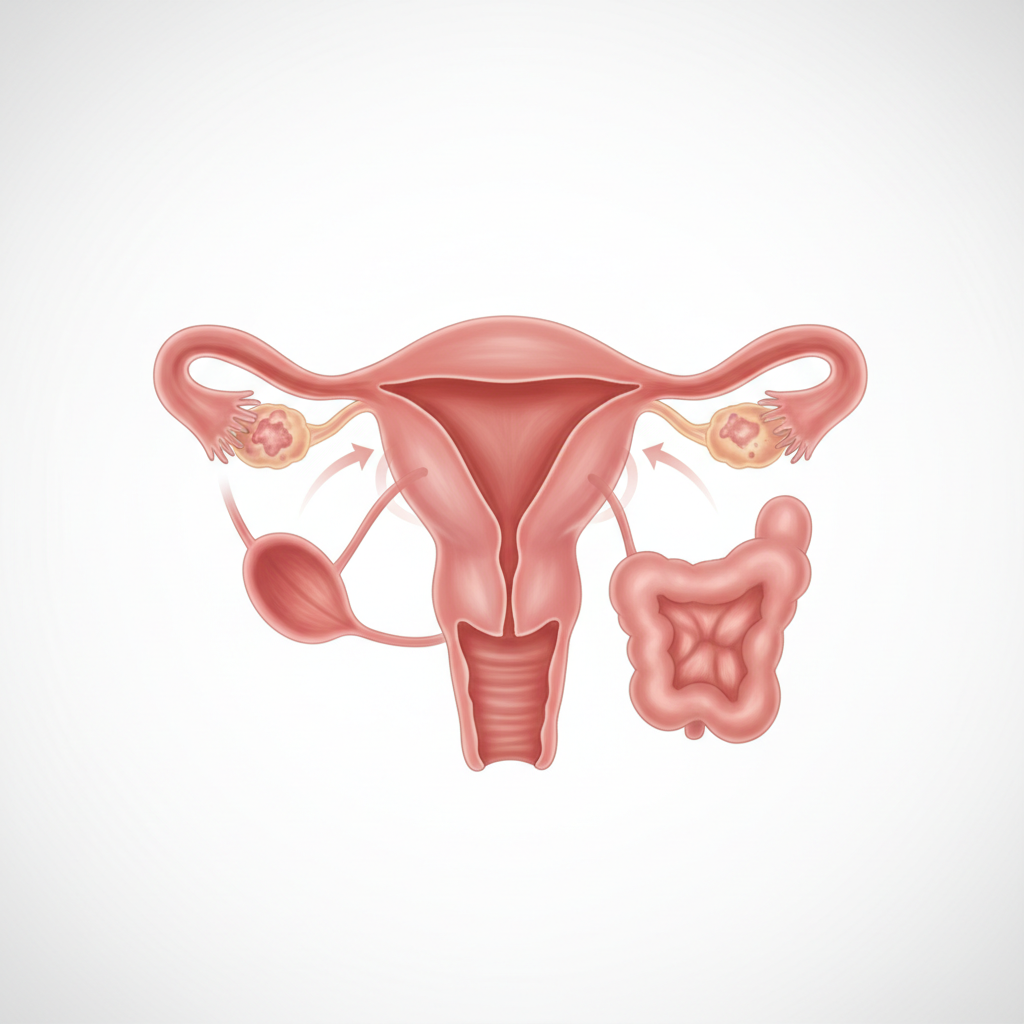
As a tumor grows on an ovary, it can press on these adjacent organs. Pressure on the bladder causes urinary frequency and urgency. Pressure on the intestines can lead to constipation, diarrhea, and the feeling of being full quickly. As a tumor enlarges further or sheds cells, it can irritate the peritoneal lining of the abdomen, causing fluid (ascites) to build up, which results in bloating and abdominal distension [8].
What to Do If You're Worried
Feeling concerned about your symptoms is a valid and important first step. The next is to take organized, proactive steps to get clear answers. This involves preparing for your appointment and understanding the potential diagnostic path.
Preparing for Your Doctor's Visit
When you meet with your primary care doctor or gynecologist, being prepared can ensure the most productive visit. Bring your symptom diary, a list of all medications and supplements you take, and a summary of your personal and family health history.
Be ready to ask direct questions:
- "Based on my symptoms, could this be ovarian cancer?"
- "What tests do you recommend to investigate these symptoms?"
- "Should I have a transvaginal ultrasound and a CA-125 blood test?"
- "If these tests are normal but my symptoms continue, what are the next steps?"
The Diagnostic Process: What to Expect
There is no single screening test for ovarian cancer, so diagnosis is a process of elimination and investigation [5]. Your doctor will likely start with a thorough pelvic exam to feel for any masses or abnormalities. From there, the typical workup includes:
- Transvaginal Ultrasound: This imaging test uses a small probe placed in the vagina to get a detailed look at the ovaries. It's the best way to see the size and shape of the ovaries and identify any suspicious cysts or tumors.
- CA-125 Blood Test: This test measures the level of a protein called Cancer Antigen 125 in your blood. While it can be elevated in ovarian cancer, it can also be raised by benign conditions like endometriosis or fibroids, and it's not always elevated in early-stage cancer. It's a useful piece of the puzzle but not a standalone diagnostic tool [4].
If these tests show something concerning, the next step is a referral to a gynecologic oncologist—a surgeon who specializes in cancers of the female reproductive system. They are the experts who can determine if surgery is needed for a definitive diagnosis and to create a treatment plan. You can use our directory to [/find-specialist] here in Orange County.
Connecting Symptoms to Risk
While any woman can develop ovarian cancer, certain factors increase your risk. If you fall into a higher-risk category, it's even more crucial to be vigilant about symptom monitoring.
Who Should Be Extra Vigilant?
Knowledge of your personal risk factors can empower you to be more proactive. Key risk factors include:
- Family History: Having a close relative (mother, sister, daughter) with ovarian, breast, uterine, or colorectal cancer.
- Genetic Mutations: Inherited mutations in genes like BRCA1 or BRCA2 significantly increase risk.
- Personal History: A personal history of breast cancer.
- Increasing Age: Most ovarian cancers develop after menopause.
- Endometriosis: A history of this gynecologic condition has been linked to a higher risk.
If you have a strong family history, speak with your provider about genetic counseling and testing. This can provide vital information about your personal risk and guide decisions about preventive strategies. Some patients with high-risk mutations may even be candidates for [/clinical-trials] focused on prevention or early detection.
Frequently asked questions
Can ovarian cancer symptoms come and go?
While the hallmark of concerning symptoms is persistence, they can fluctuate in intensity. For example, bloating might feel worse after meals or at the end of the day. However, they generally do not disappear for long periods. The key is that the symptoms are present most days, even if they vary in severity.
I have IBS. How can I tell the difference in symptoms?
This is a common and difficult question. The main differentiator is change and persistence. If you've had IBS for years, you know your typical pattern of symptoms. Ovarian cancer symptoms often feel new or different—a bloating that's more severe or constant, or constipation that doesn't respond to your usual remedies. A new, persistent pattern of GI-like symptoms should always be evaluated.
Do the signs and symptoms of ovarian cancer change with the stage of the disease?
Yes, to some extent. In the earliest stages, symptoms may be milder or less frequent. As a tumor grows and potentially spreads, the symptoms often become more severe and noticeable. For example, mild bloating might progress to significant abdominal distension, and vague discomfort could turn into more definitive pain [2]. However, even early-stage cancer can cause the classic symptoms.
What is a CA-125 test and is it reliable for diagnosis?
The CA-125 test is a blood test that measures a protein that can be elevated in women with ovarian cancer. However, it is not a perfect diagnostic tool. Many benign conditions can also raise CA-125 levels, and some ovarian cancers don't produce it at all. It is most useful when combined with imaging like a transvaginal ultrasound to assess a woman's overall risk and guide next steps, not as a standalone screening test [4].
Is there a routine screening test for ovarian cancer like a Pap test for cervical cancer?
Unfortunately, no. Despite extensive research, there is currently no reliable and effective screening test for ovarian cancer for the general population [5]. This is why recognizing the signs and symptoms is the single most important thing you can do for early detection.
What kind of doctor should I see for these symptoms?
You should start with your primary care physician (PCP) or your gynecologist (OB-GYN). They can perform the initial evaluation. If their findings are suspicious for ovarian cancer, they should refer you immediately to a gynecologic oncologist, who is the specialist best equipped to diagnose and treat this specific type of cancer.
When to call your care team
Contact your doctor or gynecologist promptly if you experience any of the following:
- Symptoms like bloating, pelvic pain, or feeling full quickly that are new and persist for more than 2-3 weeks.
- Any post-menopausal vaginal bleeding.
- A significant and unexplained change in your bowel or bladder habits.
- A strong gut feeling that something is wrong, even if you can't pinpoint it.
- Severe, sudden abdominal pain, which could indicate a complication like a twisted ovary.
How Cancer Answers OC can help
Navigating concerns about ovarian cancer can be overwhelming, but you don't have to do it alone. Here in Orange County, Cancer Answers OC is your dedicated partner, providing clarity and support every step of the way. Our expert team of gynecologic oncologists and nurse navigators offers compassionate, evidence-based care from initial diagnosis through treatment and survivorship.
We believe in empowering you with information. If you're experiencing symptoms and have questions, start a confidential conversation with our free Ask the Assistant chat. This 24/7 service provides instant answers and can connect you with our live specialists for personalized guidance. Whether you need help preparing for a doctor's visit, understanding your diagnostic tests, or exploring treatment options, we are here to help. Contact us today to schedule a consultation or learn more about our services.
Sources
- Symptoms of Ovarian Cancer - CDC. https://www.cdc.gov/ovarian-cancer/symptoms/index.html
- Ovarian cancer symptoms, routes to diagnosis and survival - PMC. https://pmc.ncbi.nlm.nih.gov/articles/PMC7453382/
- Symptoms of Gynecologic Cancers - CDC. https://www.cdc.gov/gynecologic-cancer/symptoms/index.html
- Identifying symptoms of ovarian cancer: a qualitative and ... - PMC. https://pmc.ncbi.nlm.nih.gov/articles/PMC2607526/
- Ovarian Cancer Research Overview - DiscoverWHR - NIH. https://discoverwhr.nih.gov/research/ovarian-cancer/
- US cancer groups highlight symptoms of early ovarian cancer - PMC. https://pmc.ncbi.nlm.nih.gov/articles/PMC1895679/
- Signs and Symptoms of Ovarian Cancer - American Cancer Society. https://www.cancer.org/cancer/types/ovarian-cancer/detection-diagnosis-staging/signs-and-symptoms.html
- Ovarian cancer - Symptoms and causes - Mayo Clinic. https://www.mayoclinic.org/diseases-conditions/ovarian-cancer/symptoms-causes/syc-20375941
- 'How I knew I had ovarian cancer': Survivors and caregiver discuss... - MD Anderson. https://www.mdanderson.org/cancerwise/my-first-symptoms-of-ovarian-cancer---signs-to-look-for-and-when-to-see-a-doctor.h00-159781968.html
- Signs and Symptoms of Ovarian Cancer - Ovarian Cancer Action. https://ovarian.org.uk/ovarian-cancer/ovarian-cancer-symptoms/