
Receiving a mammogram report indicating dense breast tissue can be concerning, but it's important to understand what this means for your loved one's breast health. As a caregiver, knowing the facts about dense breast tissue on a mammogram and potential next steps will empower you to support them effectively. This article provides a clear guide to breast density, supplemental screenings, and how you can be an informed advocate.
Key takeaways
- Dense breast tissue is common and refers to the amount of fibrous and glandular tissue compared to fatty tissue, not how firm the breasts feel.
- It can mask cancers on a mammogram and is an independent risk factor for breast cancer.
- Breast density is classified using the BI-RADS system (A, B, C, D), with C and D indicating dense tissue.
- Supplemental screenings like ultrasound or MRI may be recommended for women with dense breasts.
- Caregivers play a vital role in understanding these results, advocating for loved ones, and managing follow-up appointments and information.
Understanding Breast Density: More Than Just a Feeling
When a mammogram report mentions "dense breast tissue," it's natural to feel a surge of questions. The term refers to how much fibrous and glandular tissue there is in the breast compared to fatty tissue [1]. It's a radiographic finding, meaning it's visible on an imaging test, and it has nothing to do with how firm or lumpy the breasts feel to the touch. Many women, roughly half of those who get mammograms, have some degree of breast density [2].
Dense breast tissue is important for two main reasons. First, it can make it harder for radiologists to spot cancers on a mammogram. Both dense tissue and cancerous tumors appear white on a mammogram, making it difficult to distinguish one from the other—like finding a polar bear in a snowstorm. Second, having dense breast tissue is considered an independent risk factor for developing breast cancer, meaning it increases a woman's risk even beyond other factors [3].
This doesn't mean your loved one has cancer, but it does mean their mammogram may be less effective at detecting it, and they might have a slightly higher baseline risk. Your role as a caregiver is to help them understand these nuances and explore potential next steps. Knowledge is a powerful tool in navigating these situations.
What the Breast Density Notification Means
In many states, including California, radiologists are required by law to inform patients if their mammogram shows dense breast tissue. This "breast density notification" is a crucial piece of information for both patients and their caregivers [4]. The letter typically explains what breast density means and advises them to discuss further screening options with their doctor.
This notification can be overwhelming. It's a lot of medical information to digest, often delivered without immediate context or a direct conversation with a physician. As a caregiver, you can help by reviewing the letter together, noting any questions, and preparing for a discussion with their healthcare provider. Remember, this notification is a prompt for further conversation, not a diagnosis.
The BI-RADS Density Categories
Radiologists use a standardized system called BI-RADS (Breast Imaging Reporting and Data System) to classify breast density, along with other mammogram findings. This system ensures consistent reporting and helps guide follow-up care. Understanding these categories is key to interpreting the report your loved one received.
There are four BI-RADS categories for breast density, ranging from almost entirely fatty to extremely dense:
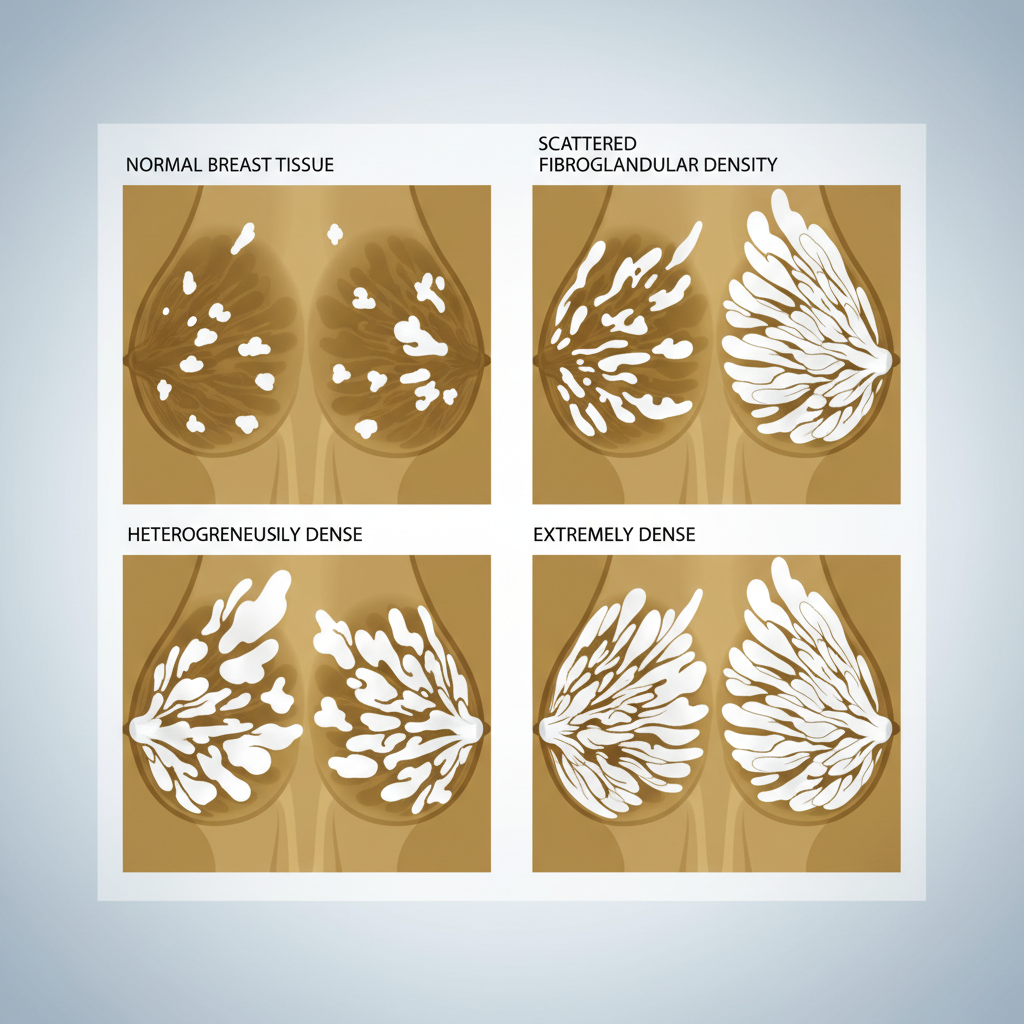
- Category A: Almost Entirely Fatty. The breasts are almost entirely composed of fat. Cancers are easily detected.
- Category B: Scattered Areas of Fibroglandular Density. There are some scattered areas of dense tissue, but most of the breast is fatty. This provides a good opportunity to find abnormal masses.
- Category C: Heterogeneously Dense. The breasts are comprised of scattered and dense glandular and fibrous tissue. This may obscure small masses. Many women fall into this category.
- Category D: Extremely Dense. The breasts are almost entirely composed of dense tissue. This significantly lowers the sensitivity of mammography for cancer detection. Women in this category have the highest risk due to density masking [5].
If your loved one's report indicates Category C or D, they have dense breast tissue. This is the point where discussing supplemental screening options with their doctor becomes particularly important. Knowing this classification empowers you to ask targeted questions during medical appointments.
Navigating Supplemental Screening Options
When a mammogram reveals dense breast tissue, especially in categories C or D, traditional mammography alone may not be sufficient for comprehensive screening. This is where supplemental screening options come into play. These additional tests can help detect cancers that might be hidden by dense tissue on a standard mammogram.
Do I Need an Ultrasound with Dense Breasts?
For many women with dense breast tissue, a breast ultrasound is the first supplemental screening tool their doctor will recommend. Ultrasound uses sound waves to create images of the breast, and it's particularly good at distinguishing between solid masses (which could be cancerous) and fluid-filled cysts (which are usually benign). Unlike mammography, dense tissue does not appear white on an ultrasound, making it an effective complement.
Breast ultrasound is non-invasive and does not involve radiation. It's often used as an adjunct to mammography, not a replacement. Studies have shown that adding ultrasound to mammography can find an additional 1-4 cancers per 1,000 women screened, particularly in those with dense breasts [6]. If your loved one is recommended for an ultrasound, reassure them that it's a common and safe procedure aimed at providing a more complete picture of their breast health.
The Role of Breast MRI Screening
Breast MRI (Magnetic Resonance Imaging) is another powerful supplemental screening tool, often considered the most sensitive for detecting breast cancer. It uses powerful magnets and radio waves to create detailed images of breast tissue. MRI is particularly recommended for women with extremely dense breasts (Category D) and those with other significant risk factors for breast cancer, such as a strong family history or a known genetic mutation [7].
While highly effective, breast MRI is also more expensive, takes longer, and can sometimes lead to false positives (identifying something that turns out not to be cancer), which can cause anxiety and lead to unnecessary biopsies. It also involves an injection of a contrast dye. Discussing the pros and cons of MRI with a specialist, such as one you can find using our find a specialist tool, is essential for informed decision-making.
Other Screening Methods to Consider
Beyond ultrasound and MRI, other less common supplemental screening methods exist. These might include contrast-enhanced mammography (CEM) or molecular breast imaging (MBI). CEM combines mammography with an iodine-based contrast agent to highlight areas of increased blood flow, which can indicate cancer. MBI uses a radioactive tracer that is absorbed more by cancer cells than normal cells, making tumors light up on the scan.
These methods are not as widely available or as commonly recommended as ultrasound or MRI for general supplemental screening, but they may be considered in specific circumstances based on individual risk factors and local availability. Always encourage your loved one to have an open conversation with their healthcare provider about all suitable options.
Supporting Your Loved One Through the Process
As a caregiver, your support is invaluable. The journey from receiving a dense breast tissue notification to understanding the implications and deciding on next steps can be emotionally taxing. Your presence and active involvement can make a significant difference in how your loved one copes and navigates the healthcare system.
Preparing for Doctor's Appointments
One of the most impactful ways you can help is by preparing for and attending doctor's appointments. Before the visit, sit down with your loved one to list all their questions and concerns. This could include questions about their specific BI-RADS category, their personal risk factors, the benefits and risks of different supplemental screenings, and what the follow-up schedule might look like. Our free Ask the Assistant chat, available at the bottom right of your screen, can help you formulate these questions at any time.
During the appointment, take notes. This allows your loved one to focus on listening and asking questions, knowing that you're capturing important details. Don't hesitate to ask for clarification if something isn't clear. You are an extra set of ears and a valuable advocate. Consider asking for a second opinion if there's any uncertainty about the recommended path forward.
Managing Anxiety and Emotional Well-being
Learning about dense breast tissue and the need for further screening can cause significant anxiety. Your loved one might worry about cancer, the pain of additional tests, or the uncertainty of the future. Acknowledge these feelings and validate them. It's okay to feel scared or overwhelmed.
Encourage healthy coping mechanisms, such as mindfulness, light exercise, or connecting with support groups. Remind them that knowledge is power and that taking proactive steps is the best way forward. Offer practical support, like driving them to appointments or helping them manage their calendar. Simple acts of kindness and reassurance can make a world of difference. You can also explore resources like Palliative Care Is Not Hospice: Understanding the Difference for broader supportive care discussions.
Organizing Medical Records and Information
The amount of paperwork and digital information related to medical care can be daunting. Help your loved one create an organized system for their medical records, including mammogram reports, notification letters, imaging results, and appointment summaries. This could be a physical binder, a dedicated folder on their computer, or a secure online portal.
Having all information readily accessible will be invaluable for future appointments, especially if they need to consult with different specialists or seek a second opinion. This organized approach also makes it easier to track changes over time and ensures nothing gets overlooked. It helps you stay informed and ready to answer questions from the care team.
Understanding Risk Factors Beyond Density
While dense breast tissue is an important risk factor, it's just one piece of the puzzle in assessing overall breast cancer risk. A comprehensive risk assessment considers multiple factors, some of which can be modified and some that cannot. As a caregiver, understanding these can help you and your loved one engage in more informed discussions with their healthcare team.
Genetic and Family History Considerations
A significant portion of breast cancer risk is tied to genetics and family history. If there's a strong family history of breast cancer, especially in first-degree relatives (mother, sister, daughter), or if there are known genetic mutations like BRCA1 or BRCA2, the risk is elevated. Your loved one's doctor will typically ask about these factors during their regular check-ups. Knowing this history is crucial because it can influence screening recommendations, potentially leading to earlier or more frequent screenings, or even genetic counseling.
It's important to differentiate between a general family history and a confirmed genetic predisposition. If there's a pattern of early-onset breast or ovarian cancer in the family, or male breast cancer, this might warrant a referral to a genetic counselor. They can assess the likelihood of a genetic mutation and discuss genetic testing options. This information can significantly impact screening strategies and risk reduction discussions.
Lifestyle Factors and Their Impact
Many lifestyle factors also influence breast cancer risk. These are areas where your loved one might have some control, and your support as a caregiver can be very beneficial. Key lifestyle factors include:
- Alcohol Consumption: Even moderate alcohol intake can increase breast cancer risk.
- Weight Management: Being overweight or obese, especially after menopause, increases risk.
- Physical Activity: Regular exercise can help reduce risk.
- Diet: A diet rich in fruits, vegetables, and whole grains may be protective.
- Hormone Therapy: Long-term use of combined estrogen-progestin hormone therapy after menopause can increase risk.
Discussing these factors with their doctor can lead to personalized recommendations for risk reduction. As a caregiver, you can encourage and facilitate healthy lifestyle choices, whether it's through meal planning, joining them for walks, or simply creating a supportive home environment. Remember to focus on sustainable changes rather than drastic overhauls.
The Screening Timeline: What to Expect
Understanding the typical timeline for breast cancer screening, especially when dense breast tissue is involved, can help manage expectations and reduce anxiety. It's not a one-time event but rather an ongoing process that requires consistent attention and follow-up.
Annual Mammograms and Beyond
For most women, annual screening mammograms typically begin at age 40 or 45, depending on their individual risk factors and the specific guidelines followed by their healthcare provider [8]. For those with dense breast tissue, the mammogram remains a critical first step, even with its limitations. It provides a baseline and can still detect many cancers.
If the mammogram reveals dense breast tissue, the next step often involves a discussion with the doctor about supplemental screening. This discussion should happen fairly promptly after the mammogram results are received. The timing for additional tests like ultrasound or MRI will depend on the doctor's recommendations, appointment availability, and the urgency of any findings.
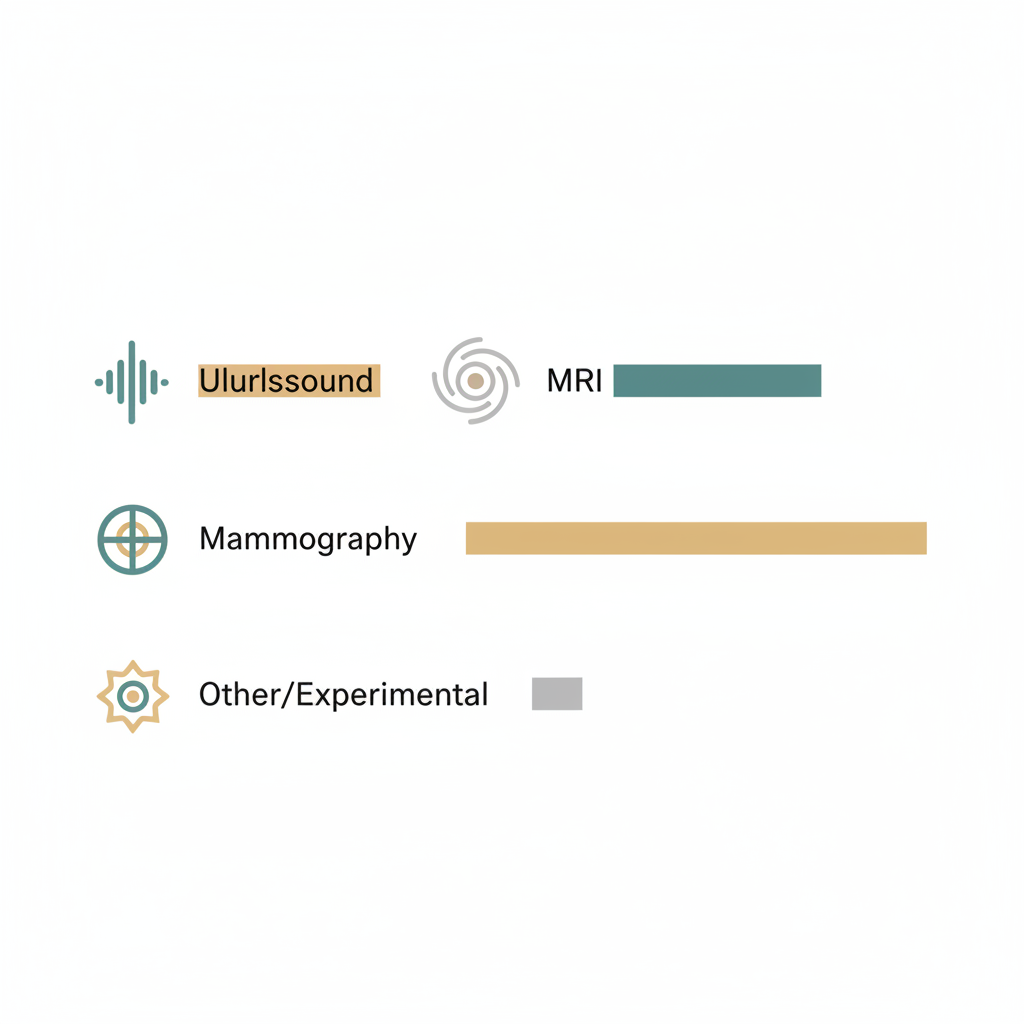
| Screening Method | Typical Frequency | Primary Purpose | Consideration for Dense Breasts |
|---|---|---|---|
| Mammogram | Annually (ages 40/45+) | Primary screening for breast cancer | Can be less effective, may be masked |
| Breast Ultrasound | Annually (supplemental) | Detects masses in dense tissue, differentiates cysts | Often recommended for BI-RADS C/D |
| Breast MRI | Annually (supplemental) | Highly sensitive, for high-risk and extremely dense | Most effective, but with higher false positives |
| Clinical Breast Exam | Annually (with mammogram) | Physical examination by a healthcare professional | Complements imaging, cannot assess density |
| Self-Breast Exam | Monthly (awareness) | Personal awareness of breast changes (no longer recommended as screening) | Promotes familiarity with own breasts |
Follow-Up and Monitoring
Once supplemental screenings are performed, the results will determine the next course of action. If all screenings are clear, the recommendation will likely be to continue with annual mammograms and any recommended supplemental screenings. If an area of concern is identified, further diagnostic tests may be needed, such as a diagnostic mammogram (more detailed views), another ultrasound, or a biopsy.
It's important to stick to the recommended follow-up schedule. Missing appointments or delaying further tests can impact early detection. As a caregiver, you can help manage this schedule, remind your loved one of appointments, and ensure they understand the importance of consistent monitoring. This ongoing process of screening, monitoring, and follow-up is a marathon, not a sprint, and your consistent support is a key component.
Frequently asked questions
What exactly is dense breast tissue?
Dense breast tissue refers to breasts that have a higher proportion of fibrous and glandular tissue compared to fatty tissue. It's a common finding on mammograms, affecting about half of women, and is determined by a radiologist when interpreting the image, not by how the breast feels.
Does having dense breast tissue mean I'm more likely to get cancer?
Yes, having dense breast tissue is an independent risk factor for breast cancer. It can slightly increase a woman's risk of developing the disease. Additionally, dense tissue can make it harder for mammograms to detect cancer, which is why supplemental screenings are often recommended.
How does dense breast tissue affect mammograms?
On a mammogram, dense tissue appears white, as do cancerous tumors. This can create a 'masking effect,' making it difficult for radiologists to distinguish between normal dense tissue and a potential tumor. This reduces the sensitivity of mammography for detecting cancer in women with dense breasts.
What are the BI-RADS categories for breast density?
The BI-RADS system classifies breast density into four categories: A (almost entirely fatty), B (scattered areas of fibroglandular density), C (heterogeneously dense), and D (extremely dense). Categories C and D indicate dense breast tissue.
What supplemental screenings are available for dense breasts?
The most common supplemental screenings are breast ultrasound and breast MRI. Ultrasound is often the first step, using sound waves to find masses. MRI is more sensitive and typically reserved for women with extremely dense breasts or other high-risk factors.
Should I get a breast MRI if I have dense breast tissue?
A breast MRI is usually considered for women with extremely dense breasts (BI-RADS D) or those with other significant risk factors for breast cancer, such as a strong family history or genetic mutations. It's a discussion to have with a healthcare provider, weighing the benefits against potential false positives and cost.
When to call your care team
- Your loved one receives a dense breast tissue notification and is unsure what to do next.
- There are new symptoms like a lump, skin changes, nipple discharge, or pain, regardless of breast density.
- You have questions about their specific BI-RADS category or risk factors.
- You need clarification on recommended supplemental screenings or follow-up schedules.
- Your loved one is experiencing significant anxiety or distress related to their breast density results.
- You suspect your loved one needs a second opinion on their screening plan.
How Cancer Answers OC can help
Navigating breast density information and making decisions about supplemental screening can be complex. At Cancer Answers OC, we are committed to providing clear, compassionate, and accurate information for caregivers in Orange County. Our articles, like this one and Colon Cancer Screening Age: Why It Changed to 45 and What It Means for You, are designed to empower you with knowledge.
We encourage you to utilize our free Ask the Assistant chat, available 24/7 via the floating button at the bottom-right of your screen. This private, instant resource can help you understand medical terms, formulate questions for doctors, or find relevant information. For more personalized guidance or to connect with specialists, please don't hesitate to contact us. We're here to support you and your loved one every step of the way.
Sources
- Breast Density - American Cancer Society.
- Dense Breasts: What You Need To Know - Centers for Disease Control and Prevention.
- Breast Density and Your Mammogram Report - National Cancer Institute.
- Breast Density Notification Laws - DenseBreast-info.org.
- BI-RADS Atlas 5th Edition - American College of Radiology.
- Screening Breast Ultrasound - Radiological Society of North America.
- Breast MRI - Mayo Clinic.
- Breast Cancer Screening Guidelines - National Comprehensive Cancer Network (NCCN).