
For individuals facing a pancreatic cancer diagnosis, clinical trials represent a powerful avenue for accessing innovative treatments and contributing to medical advancements. In Orange County, a vibrant research landscape provides opportunities for patients to engage with the latest scientific discoveries.
Key takeaways
- Clinical trials offer advanced and often experimental treatments for pancreatic cancer.
- Eligibility criteria are strict but ensure patient safety and study integrity.
- Orange County offers various institutions participating in cutting-edge pancreatic cancer research.
- Participation can provide access to new therapies before they are widely available.
- Thorough communication with your care team is essential to determine if a trial is right for you.
Understanding the Landscape of Pancreatic Cancer Clinical Trials
A pancreatic cancer diagnosis can feel overwhelming, but it's important to remember that research is constantly evolving. Clinical trials are at the forefront of this evolution, testing new ways to prevent, detect, and treat the disease. These studies are crucial for developing new pancreatic cancer treatments OC patients can benefit from.
What are Clinical Trials?
Clinical trials are research studies involving human volunteers that aim to evaluate a new medical approach, drug, device, or other intervention. They follow a carefully designed protocol to answer specific health questions while prioritizing patient safety. These trials are the bridge between promising lab discoveries and proven, effective therapies.
Why Consider a Clinical Trial for Pancreatic Cancer?
Participating in a clinical trial can offer several significant benefits. For many, it provides access to the newest, most promising therapies still under investigation, potentially before they are available to the general public. These cutting-edge options are part of the ongoing advances in pancreatic cancer research. Beyond personal benefit, participants play a vital role in helping other patients in the future by advancing medical science [8].
Navigating Eligibility and the Trial Process
The decision to join a clinical trial is a deeply personal one, made in close consultation with your medical team. Understanding the requirements and the process involved is a critical first step.
What are Eligibility Criteria?
Every clinical trial has specific eligibility criteria that define who can and cannot participate. These criteria are put in place to ensure patient safety and to help researchers answer their study questions accurately. For example, a trial might specify an age range, a particular stage of pancreatic cancer, or a previous treatment history [1], [2].
Understanding the Phases of Clinical Trials
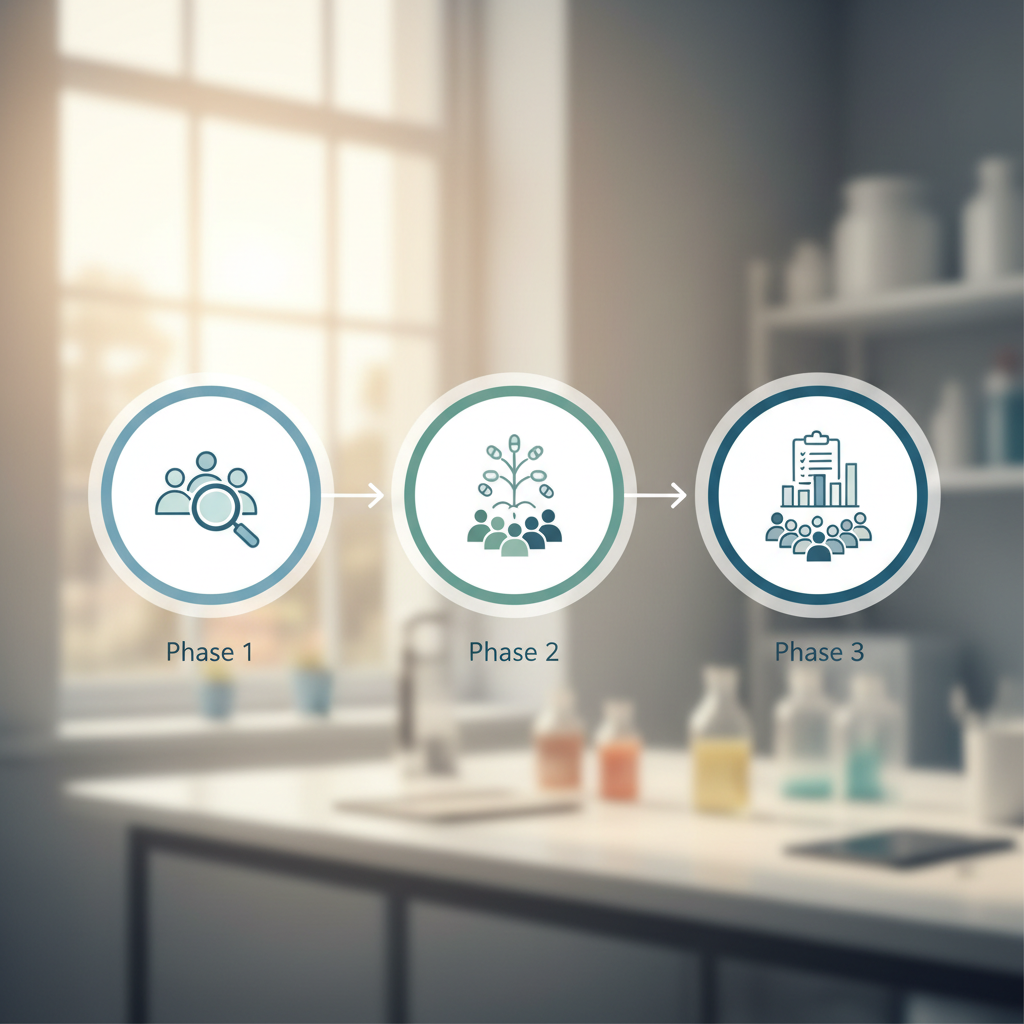
Clinical trials typically progress through several phases, each with a different purpose:
- Phase 1: Focuses on safety, determining the best dose, and identifying potential side effects of a new treatment [3].
- Phase 2: Evaluates whether the new treatment has an effect on the disease and continues to assess safety.
- Phase 3: Compares the new treatment to the current standard of care, looking at effectiveness and monitoring side effects in a larger population [5].
- Phase 4: Occurs after a treatment is approved and monitors its long-term effects and safety in the general population.
In-depth look
Finding Clinical Trials for Pancreatic Cancer in Orange County
Orange County is home to leading medical institutions actively engaged in cancer research, including those focused on pancreatic cancer. Finding the right clinical trial often involves a multi-pronged approach.
Local Institutions and Research Centers
Major hospitals and cancer centers in Orange County, such as Hoag Family Cancer Institute and UC Irvine, frequently conduct clinical trials for pancreatic cancer patients [7], [9]. These institutions are often at the forefront of new pancreatic cancer treatments OC can provide. You can ask your oncologist or care team about ongoing trials or visit their respective websites for more information.
Online Resources and Databases
Several online databases can help you search for clinical trials. ClinicalTrials.gov is a comprehensive resource that lists both U.S. and international trials. You can filter by condition (pancreatic cancer) and location (Orange County, California) to find studies relevant to you. Examples of trials listed include studies on radiation therapy [1], innovative drug combinations [6], and early detection initiatives [4].
How Cancer Answers OC Can Help You Find Trials
Cancer Answers OC is dedicated to connecting Orange County residents with the resources they need. Our comprehensive local knowledge can help you find clinical trials for pancreatic cancer Orange County offers. You can explore our /clinical-trials page for generalized information, or feel free to use our free, private, instant, 24/7 Ask the Assistant chat, available at the floating button on the bottom-right, to connect with live OC specialists who can guide you through the process.
What to Expect as a Participant
Deciding to participate in a clinical trial involves a commitment, but it also means being part of a pioneering effort. Knowing what to expect can help you feel more prepared.
Informed Consent: Your Right to Know
Before joining any trial, you will undergo a process called informed consent. During this process, the research team will explain the study's purpose, procedures, potential risks, and benefits in detail. You'll have the opportunity to ask questions and take time to consider your decision. Remember, participation is always voluntary, and you can withdraw at any time [1], [2].
Life During a Clinical Trial
Being in a clinical trial often involves frequent visits to the study site for treatments, tests, and assessments. The care you receive will be closely monitored by a dedicated team of doctors and nurses. They will track your health, manage any side effects, and ensure your well-being throughout the study. Your regular care team will typically be kept informed of your progress within the trial.
Collaborating with Your Healthcare Team
Your existing healthcare team is your most valuable partner in navigating clinical trials. Their insights are crucial for making informed decisions.
Discussing Options with Your Oncologist
Always discuss the possibility of joining a clinical trial with your oncologist. They have the most comprehensive understanding of your medical history, current condition, and all available treatment options. They can help you determine if a clinical trial aligns with your overall treatment plan and personal goals.
For an in-depth discussion or if you're seeking a focused opinion, consider exploring our /second-opinion options or connecting with a specialist through our /find-specialist directory. For referring physicians, our /for-physicians/refer page provides direct communication channels.
The Role of Your Care Team in Trial Selection
Your entire care team, including nurses, social workers, and navigators, can provide support and information. They can help you understand the practical aspects of trial participation, such as scheduling appointments, managing transportation, and coordinating care between the trial site and your primary oncology practice. Don't hesitate to lean on their expertise.
Frequently asked questions
How do I find pancreatic cancer clinical trials in Orange County?
Several avenues exist: discuss options with your oncologist, search ClinicalTrials.gov by condition and location, or contact local major cancer centers like Hoag Family Cancer Institute or UC Irvine directly. Cancer Answers OC's Ask the Assistant chat can also help guide your search.
What are the main benefits of participating in a clinical trial?
Benefits can include access to new, experimental treatments not yet widely available, enhanced medical care and monitoring, and the opportunity to contribute to scientific advancement that will help future patients.
Are there risks involved in clinical trials?
Yes, all medical treatments carry some risk, and clinical trials are no exception. Potential risks and side effects will be thoroughly explained during the informed consent process. The trial team prioritizes patient safety through close monitoring.
Will my insurance cover the costs associated with a clinical trial?
Typically, standard care costs during a clinical trial (like routine tests and doctor visits) are covered by insurance. The experimental drug or procedure is usually provided by the study sponsor. Always confirm coverage with your insurance provider and the clinical trial coordinator.
Can I withdraw from a clinical trial if I change my mind?
Yes, absolutely. Participant consent is voluntary, and you can withdraw from a clinical trial at any time, for any reason, without affecting your future medical care.
What types of new pancreatic cancer treatments are being investigated in OC clinical trials?
Ongoing research in Orange County often includes studies on novel chemotherapy combinations, immunotherapy, targeted therapies, new radiation techniques like higher dose radiation therapy [1], and advanced surgical approaches. Early detection programs, like the Pancreatic Cancer Early Detection Consortium (PRECEDE), are also vital [4].
When to call your care team
- You are considering joining a clinical trial and have questions.
- You experience new or worsening symptoms during a clinical trial.
- You have concerns about your current treatment and want to explore other options.
- You need help understanding trial eligibility criteria.
How Cancer Answers OC can help
Facing pancreatic cancer is a journey no one should walk alone. At Cancer Answers OC, we are committed to providing Orange County residents with clear, compassionate, and evidence-based information on all aspects of cancer care, including accessing advanced treatments through clinical trials. Our mission is to empower you with knowledge and connect you to the resources available right here in Newport Beach and across Orange County. Our free, private, instant, 24/7 Ask the Assistant chat, available directly from the floating button on the bottom-right of your screen, offers personalized guidance and can connect you with live OC specialists when you need them most. We are here to help you navigate your options and find hope.
Related resources
- Breast Cancer Clinical Trials in Santa Ana: Exploring New Treatment Options
- Exploring Prostate Cancer Clinical Trials in Tustin, CA: What Patients Need to Know
- Melanoma Clinical Trials in Orange County: A Caregiver's Guide
- Find a cancer specialist in Orange County
- Get a second opinion
- Insurance and coverage guide
Sources
- ClinicalTrials.gov | NCT06958328 | Testing Higher Dose Radiation Therapy for Locally... URL: https://clinicaltrials.gov/study/NCT06958328
- ClinicalTrials.gov | NCT06360354 | Study Details | ClinicalTrials.gov - Clinical Trials URL: https://clinicaltrials.gov/study/NCT06360354
- ClinicalTrials.gov | NCT04548752 | Study Details | ClinicalTrials.gov - Clinical Trials URL: https://clinicaltrials.gov/study/NCT04548752
- ClinicalTrials.gov | NCT04970056 | Pancreatic Cancer Early Detection Consortium (PRECEDE) URL: https://clinicaltrials.gov/study/NCT04970056
- ClinicalTrials.gov | NCT00003591 | Radiation Therapy Plus Paclitaxel in Treating Patients With... URL: https://clinicaltrials.gov/study/NCT00003591
- ClinicalTrials.gov | NCT05685602 | Study Details | CA-4948 Added to Standard... URL: https://clinicaltrials.gov/study/NCT05685602
- UC Irvine Health | Pancreatic Cancer Clinical Trials — Orange County, CA URL: https://clinicaltrials.icts.uci.edu/pancreatic-cancer
- UNC Lineberger Comprehensive Cancer Center | Clinical Trials URL: https://unclineberger.org/pancreatic-cancer-center-of-excellence/clinical-trials/
- Hoag.org | Pancreatic Cancer Specialists & Treatment in Orange County URL: https://www.hoag.org/programs/pancreatic-cancer/clinical-trials-research/