
When someone you love is diagnosed with melanoma, you want to explore every possible option to help them. Melanoma clinical trials in Orange County offer access to cutting-edge treatments and are a vital part of advancing cancer care. As a caregiver, understanding these trials can empower you to support your loved one in making informed decisions about their treatment journey.
Key takeaways
- Melanoma clinical trials offer access to experimental treatments not yet widely available.
- Caregivers play a crucial role in helping patients navigate information and make decisions about trial participation.
- Eligibility criteria are strict but exist to protect patient safety and ensure study validity.
- Clinical trials in Orange County, including Irvine, focus on various melanoma stages and new treatment types like immunotherapy.
- Resources like Cancer Answers OC can help you and your loved one find relevant trials and understand the process.
Understanding Melanoma and Treatment Options
What is Melanoma?
Melanoma is a serious form of skin cancer that develops when melanocytes—the cells that produce melanin, the pigment that gives skin its color—start growing out of control. It can occur anywhere on the body, even in areas not typically exposed to the sun [9]. Early detection and treatment are critical for successful outcomes.
When melanoma is detected early, it is often curable with surgery. However, if it spreads to other parts of the body, it becomes more challenging to treat. This is when exploring advanced treatment options, including those offered in melanoma clinical trials, becomes especially important.
Current Treatment Approaches
Standard treatments for melanoma vary depending on the stage and characteristics of the cancer. They can include surgery, radiation therapy, chemotherapy, targeted therapy, and immunotherapy. In Orange County, specialists offer a comprehensive range of these treatments.
Immunotherapy, which harnesses the body's immune system to fight cancer, has revolutionized melanoma treatment in recent years. Targeted therapies, which focus on specific genetic mutations in cancer cells, also offer promising results for many patients. These advancements are often first explored and refined in clinical trial settings.
The Role of Clinical Trials in Melanoma Care
Clinical trials are research studies that test new medical approaches, including medicines, devices, or procedures, in people. For melanoma, trials are essential for identifying new, more effective ways to prevent, detect, diagnose, or treat the disease [10]. They are how all new treatments become available to the public.
Participating in a clinical trial can offer access to treatments that are not yet approved by the Food and Drug Administration (FDA). While there are risks, many patients find hope and benefit from exploring these innovative options. Only 1 in 20 cancer patients enroll in a clinical trial today [10], highlighting the need for increased awareness, especially among caregivers.
In-depth look
What are Melanoma Clinical Trials?
Melanoma clinical trials are carefully designed research studies that investigate new treatments, diagnostic methods, or prevention strategies for melanoma. These trials follow strict guidelines and are approved by institutional review boards (IRBs) to ensure patient safety and ethical conduct. They are critical for advancing our understanding and treatment of this aggressive cancer.
These studies range from early-phase trials, which assess safety and dosage, to later-phase trials, which compare new treatments to standard ones. For instance, a trial might evaluate a novel immunotherapy drug or a new combination of existing therapies to improve outcomes for patients with advanced melanoma [4].
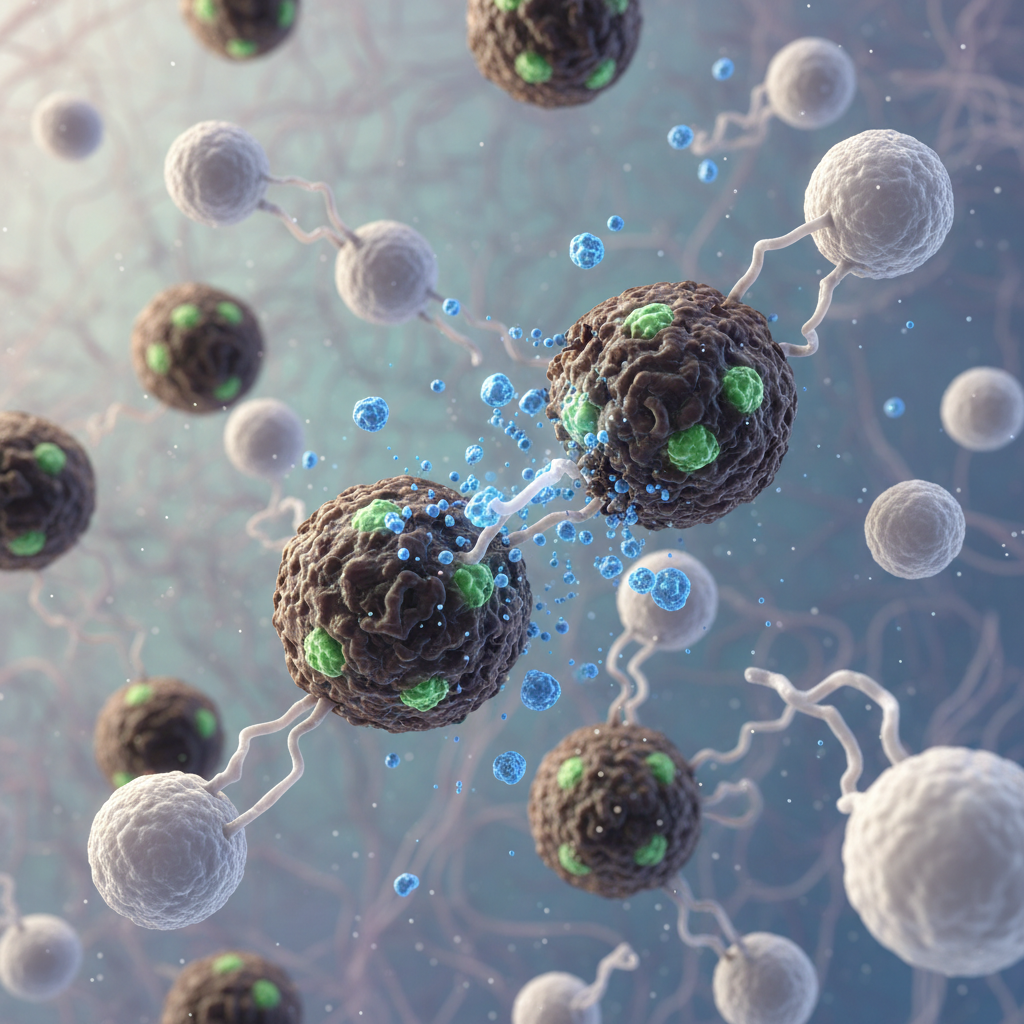
Types of Trials for Melanoma
Melanoma clinical trials can be categorized in several ways, often by their phase (Phase 1, 2, 3, or 4) or by the type of intervention they test. Common types of interventions include new drugs (such as immunotherapies or targeted therapies), new surgical techniques, improved radiation delivery methods, or different combinations of existing treatments.
For example, studies might investigate an oncolytic immunotherapy designed to treat advanced cancers or combinations of anti-LAG-3 and anti-PD-1 antibodies for metastatic melanoma [7]. Others might look at surgical margin decisions for certain melanoma types [2]. You may find trials specifically for early-stage melanoma, advanced melanoma, or even trials focusing on preventing recurrence.
Benefits and Risks of Participation
Benefits: The potential benefits of participating in a melanoma clinical trial are significant. Patients may gain access to promising new treatments before they are widely available, receive close medical attention from a team of specialists, and contribute to scientific advancement that could help others in the future [10]. For some, it offers renewed hope when standard treatments have been exhausted.
Risks: It's important to understand that clinical trials also carry risks. New treatments may have unknown side effects, may not be effective, or could even be less effective than standard care. The trial process can also be demanding, requiring frequent hospital visits, tests, and procedures. These risks are carefully explained to participants before they agree to join a trial.
Finding Melanoma Clinical Trials in Orange County
Local Research Institutions and Hospitals
Orange County is home to several leading medical institutions that conduct melanoma clinical trials. UCI Health, located in Orange and Irvine, is a prominent center for cancer research, including melanoma. They actively participate in many clinical studies and are a valuable local resource [7], [9]. Other regional hospitals and cancer centers may also have trials available.
These local institutions often collaborate with national and international research networks, bringing cutting-edge research opportunities directly to patients in the greater Orange County area. Looking into academic medical centers is often a good starting point for finding a wider range of trials.
How to Search for Trials
Searching for clinical trials can feel overwhelming, but several resources can help. ClinicalTrials.gov is a comprehensive database of federally and privately supported clinical trials conducted around the world [1]. You can filter searches by condition (melanoma), location (e.g., Irvine, Orange, or California), and other criteria.
Websites like the Melanoma Research Alliance also offer locator tools to help match patients to relevant trials [10]. When searching, try using keywords like "melanoma clinical trials Orange County" or "new melanoma treatments California" to narrow down your results. Our free Ask the Assistant chat can also help you navigate these databases and identify potential trials.
Utilizing Cancer Answers OC Resources
Cancer Answers OC is dedicated to connecting patients and caregivers in Orange County with the best possible cancer care. We can assist you in identifying melanoma clinical trials that align with your loved one's specific diagnosis and needs. Our goal is to simplify this complex process and provide personalized guidance.
You can visit our dedicated clinical trials section on the website for more information and structured guidance on how to approach your search. We also offer resources for finding a specialist in the area through our find a specialist page who may be involved in current trials.
Eligibility and the Enrollment Process
Understanding Eligibility Criteria
Every clinical trial has specific eligibility criteria that participants must meet. These criteria are designed to ensure patient safety and that the research results are accurate and meaningful. Common criteria include the patient's cancer type and stage, previous treatments received, age, overall health status, and specific genetic markers on their tumor [1].
For example, a trial might specify that participants must be adults over 18 years old with advanced or metastatic melanoma, or a specific genetic mutation [7]. Inclusion criteria define who can participate, while exclusion criteria list reasons why someone cannot. It's crucial not to be discouraged if your loved one doesn’t meet the criteria for every trial; many different trials are often available.
The Informed Consent Process
Before enrolling in any clinical trial, participants and their caregivers go through a detailed informed consent process. This involves a comprehensive discussion with the research team about all aspects of the trial, including its purpose, procedures, potential benefits, and known risks. You will receive a document to read and sign, confirming your understanding and willingness to participate.
This is your opportunity to ask every question you have, no matter how small. Make sure you fully understand what participation entails for your loved one, including time commitments, potential side effects, and what happens if they decide to withdraw from the trial. Remember, participation is always voluntary, and patients can withdraw at any time.
The Importance of the Care Team
Your loved one's primary oncology care team plays a vital role in determining if a clinical trial is a suitable option. They can assess your loved one's overall health, review their medical history, and discuss how a trial might fit into their existing treatment plan. They can also help interpret trial information and eligibility criteria.
It's highly recommended to discuss any potential clinical trials with your loved one's current medical team before moving forward. They can provide valuable insights and even help connect you with research teams. You can also explore asking for a second opinion from a different specialist who may be more actively involved in research.
Supporting Your Loved One Through a Trial
Practical Support for Clinical Trial Participation
Participating in a clinical trial often requires more frequent appointments and tests than standard treatment. As a caregiver, your practical support is invaluable. This might include organizing transportation to and from appointments, managing medication schedules, keeping track of symptoms and side effects, and maintaining detailed records of communications with the care team.
Consider creating a binder or a digital folder to keep all trial-related documents organized, such as appointment schedules, contact information for the research team, and notes from discussions. This preparation can significantly reduce stress and help ensure your loved one adheres to the trial's protocol smoothly.
Emotional and Mental Well-being
Clinical trials, while offering hope, can also be emotionally demanding for both the patient and the caregiver. The uncertainty of a new treatment, the frequent medical procedures, and the possibility of side effects can take a toll. Providing emotional support, offering a listening ear, and helping your loved one maintain a positive outlook are crucial.
Encourage your loved one to express their feelings and concerns. Seek out support groups for caregivers or engage in activities that bring comfort and distraction. Remember to also take care of your own well-being; caregiver burnout is real, and you need to be strong to support your loved one effectively.
Advocating for Your Loved One
As a caregiver, you are often your loved one's strongest advocate. This means asking questions, raising concerns, and ensuring their voice is heard by the clinical trial team. Don't hesitate to speak up if something doesn't seem right or if your loved one is experiencing new or worsening symptoms.
You can help by preparing a list of questions before each appointment, taking notes during discussions, and clarifying any information that seems confusing. Being an informed and proactive advocate ensures that your loved one receives the best possible care throughout their participation in a melanoma clinical trial.
New Melanoma Treatments and Research in Orange County
Immunotherapy Clinical Trials
Immunotherapy has transformed the landscape of melanoma treatment, and ongoing clinical trials in Orange County continue to explore new ways to enhance its effectiveness [7]. These trials often investigate novel immune checkpoint inhibitors, oncolytic viruses, or personalized vaccines that train the body's immune system to attack cancer cells more effectively.
Examples of trials in the area include those combining multiple immunotherapies, such as anti-LAG-3 and anti-PD-1 antibodies, or exploring new agents like fianlimab and cemiplimab [7]. These studies aim to improve response rates and long-term survival for patients, particularly those with advanced or metastatic melanoma.
Targeted Therapies and Combinations
Many melanomas have specific gene mutations, such as in the BRAF gene, that can be targeted with specialized drugs. Clinical trials are continuously developing and testing new targeted therapies and combinations to overcome drug resistance and improve outcomes. For instance, some trials investigate combinations of cabozantinib and nivolumab for advanced melanoma [3], [7].
Trials also explore optimizing the sequence of targeted therapies and immunotherapies, or combining them in innovative ways to achieve synergistic effects. This personalized medicine approach means that treatments are tailored to the unique genetic profile of a patient's tumor, potentially leading to more effective and less toxic therapies.
Future Directions in Melanoma Research
The field of melanoma research is rapidly evolving, with exciting new strategies constantly being explored. Future directions include the development of universal cancer vaccines, advanced cellular therapies like CAR T-cell therapy adapted for solid tumors, and sophisticated diagnostic tools that can predict treatment response or recurrence risk more accurately. Scientists are also exploring nanotechnology for drug delivery and personalized prevention strategies.
Many of these groundbreaking therapies will first become available through clinical trials at leading institutions in areas like Orange County. Your loved one's participation not only helps them but also moves the entire field closer to finding better cures and preventative measures for melanoma.
Frequently asked questions
How long does a melanoma clinical trial typically last?
The duration of a clinical trial varies significantly depending on its phase and purpose. Some early-phase trials might last only a few months, while later-phase trials, especially those designed to track long-term survival or recurrence, can last for several years. The research team will provide a clear timeline during the informed consent process.
Is there a cost to participate in a clinical trial?
Usually, the study sponsor covers the costs of the experimental drug or treatment and any research-specific tests or procedures. However, participants are typically responsible for standard medical care costs (like routine doctor visits or standard scans) and non-medical expenses (like travel and lodging). It's crucial to clarify what costs will and won't be covered before enrolling.
Can my loved one receive their regular treatment during a trial?
This depends entirely on the trial's design. Some trials compare a new treatment to standard care, so participants might be randomized to receive either. Other trials add an experimental treatment to standard care. Rarely, a trial might require participants to stop all other treatments. The trial protocol will specify this clearly, and your care team can help interpret it.
What happens if the clinical trial isn't working for my loved one?
The safety and well-being of participants are paramount. If the experimental treatment is not effective, or if your loved one experiences severe side effects, they can be withdrawn from the trial at any time by the research team or by their own decision. The team will then help transition them back to standard care or explore other options.
Are clinical trials only for advanced melanoma?
No, clinical trials are conducted for all stages of melanoma, from early-stage prevention and adjuvant therapy (treatment given after primary treatment to reduce recurrence risk) to advanced and metastatic disease. Searching broadly for "melanoma clinical trials Orange County" will help you see the full range of studies available.
How can I prepare for a consultation about a clinical trial?
Prepare a list of questions, gather your loved one's medical records (including specific diagnoses, previous treatments, and current medications), and consider bringing someone with you to take notes. Be ready to discuss their current health status and any concerns you might have. Our free Ask the Assistant chat can help you organize your questions.
When to call your care team
- Your loved one experiences new or worsening symptoms or side effects.
- You have new concerns or questions about the clinical trial protocol.
- Your loved one's condition changes significantly.
- You are considering withdrawing your loved one from the trial.
- You need clarification on any aspect of the trial or its impact on your loved one's health.
How Cancer Answers OC can help
At Cancer Answers OC, we understand that a melanoma diagnosis and the consideration of clinical trials can be overwhelming. We are here to be your trusted resource in Orange County. Our platform provides evidence-based, easy-to-understand information to empower caregivers like you to make the best decisions for your loved ones.
We can help you navigate local melanoma clinical trials in Irvine and the wider Orange County area, connect you with leading oncologists and researchers, and provide support throughout your journey. Don't hesitate to reach out for personalized guidance, or use our instant, free Ask the Assistant chat (floating bottom-right button) anytime for quick answers directly from OC specialists when needed.
Sources
- Study Details | NCT05136196 | ClinicalTrials.gov - Clinical Trials URL: https://clinicaltrials.gov/study/NCT05136196
- Study Details | NCT03860883 | Melanoma Margins Trial-II: 1cm v ... URL: https://clinicaltrials.gov/study/NCT03860883
- Study Details | NCT06153238 | ClinicalTrials.gov - Clinical Trials URL: https://clinicaltrials.gov/study/NCT06153238
- NCT02780089 | Study in Patients With Unresectable And Metastatic ... URL: https://clinicaltrials.gov/study/NCT02780089
- Study Details | NCT03820986 | ClinicalTrials.gov - Clinical Trials URL: https://clinicaltrials.gov/study/NCT03820986
- NCT00796445 | A Phase III Study to Test the Benefit of a New Kind ... URL: https://clinicaltrials.gov/study/NCT00796445
- UC Irvine Skin Cancer/Melanoma Clinical Trials — Orange County, CA URL: https://clinicaltrials.icts.uci.edu/skin-cancer-melanoma
- Melanoma Clinical Trials in Orange, CA | Hipa.ai URL: https://hipa.ai/paid-clinical-trials-orange-ca?condition=melanoma
- Melanoma | UCI Health | Orange County, CA URL: https://www.ucihealth.org/medical-services/conditions/melanoma
- Find Clinical Trials for Melanoma Skin Cancer - MRA URL: https://www.curemelanoma.org/patient-eng/clinical-trial-locator