
For men in Fullerton facing an early stage prostate cancer diagnosis, clinical trials offer promising new treatment avenues and contribute to groundbreaking research. These studies provide access to cutting-edge therapies before they are widely available, potentially improving outcomes and quality of life. Understanding how these trials work and who is eligible is a vital step in navigating your treatment journey.
Key takeaways
- Clinical trials provide access to innovative and potentially life-saving treatments for early stage prostate cancer in Fullerton.
- Eligibility for these trials is determined by strict criteria to ensure patient safety and data integrity.
- Participants benefit from close medical monitoring and contribute to advancing prostate cancer care for future generations.
- Numerous studies are exploring new therapies, including immunotherapies, targeted agents, and novel imaging techniques.
- Resources like Cancer Answers OC can help Fullerton residents find suitable clinical trials and understand the process.
Understanding Clinical Trials for Early Stage Prostate Cancer
When you receive a diagnosis of early stage prostate cancer, the path forward might seem overwhelming. However, clinical trials offer a beacon of hope, providing access to emerging treatments that are not yet widely available. These trials are meticulously designed research studies that explore new ways to prevent, detect, diagnose, or treat diseases like prostate cancer.
What are Clinical Trials?
Clinical trials are the cornerstone of medical progress. They are carefully conducted studies involving human volunteers to develop new therapies and improve existing ones. For early stage prostate cancer, trials might focus on refining surgical techniques, optimizing radiation therapy, testing new medications, or combining different treatment approaches to reduce recurrence and minimize side effects [2]. These investigations are crucial for validating new treatments and ensuring they are safe and effective before they reach the general public.
Why Consider a Clinical Trial in Fullerton?
Participating in a clinical trial, especially for early stage prostate cancer, can offer several advantages. You might gain early access to treatments that are more effective or have fewer side effects than standard care. You also receive rigorous medical attention from a dedicated research team, often at leading cancer centers. For Fullerton residents, this means accessing world-class oncology care and contributing directly to the future of prostate cancer treatment, potentially impacting thousands of lives worldwide.
Navigating Eligibility and Safety
Clinical trials are designed with patient safety as the top priority. Every study has a specific set of criteria that participants must meet. These criteria help the researchers ensure the study gathers reliable data and that the treatment is appropriate for each individual involved.
Eligibility Criteria Explained
Eligibility criteria are a set of requirements that define who can and cannot join a clinical trial. For early stage prostate cancer, these might include your specific cancer stage, PSA levels, Gleason score, overall health status, age, and previous treatments. For example, a trial might seek men with newly diagnosed, localized prostate cancer who have not yet undergone surgery or radiation. Adhering to these guidelines ensures that the study population is consistent, which helps researchers accurately assess the new treatment's effects. If you're wondering about your specific eligibility, our free Ask the Assistant chat can help you understand the nuances of various trials.
Ensuring Patient Safety in Trials
Before any clinical trial begins, it undergoes rigorous review by institutional review boards (IRBs) or ethics committees. These bodies ensure that the trial protocol is ethical, that participant rights are protected, and that potential risks are minimized. Throughout the trial, participants are closely monitored by medical professionals, and any adverse events are carefully documented and managed. This multi-layered approach to safety ensures that participants receive the highest standard of care while contributing to medical science. Many trials, such as those listed on ClinicalTrials.gov, prioritize patient well-being above all else [1], [3].
Cutting-Edge Research and New Treatments
Innovative research is constantly pushing the boundaries of what is possible in prostate cancer treatment. For individuals with early stage disease, this means a wider array of options and potentially more effective, less invasive therapies on the horizon.
Targeted Therapies and Immunotherapies
Many new treatments focus on the unique characteristics of cancer cells. Targeted therapies, for instance, aim to block specific molecules needed for cancer growth while sparing healthy cells. Immunotherapies, on the other hand, harness the body's own immune system to recognize and attack cancer. Researchers are continually exploring how these advanced approaches can be applied to early stage prostate cancer to prevent progression or improve outcomes [5]. For example, studies are investigating novel immunotherapies and targeted agents, like those found in trials such as NCT05204927 for advanced prostate cancer, often laying groundwork for early-stage applications [1].
Novel Imaging and Diagnostic Techniques
Early and accurate diagnosis is critical for effective treatment. Clinical trials are also advancing diagnostic tools, such as new imaging techniques that can detect prostate cancer at its earliest stages or predict which cancers are most aggressive. Technologies like PSMA PET imaging, currently being investigated in trials for advanced stages, promise to revolutionize how we localize and stage prostate cancer, guiding more precise early interventions [4]. Better imaging means better treatment planning, potentially reducing the need for aggressive treatments in some cases and identifying those who need it most. City of Hope, another nearby institution, is actively involved in clinical research that benefits prostate cancer patients [10].
In-depth look
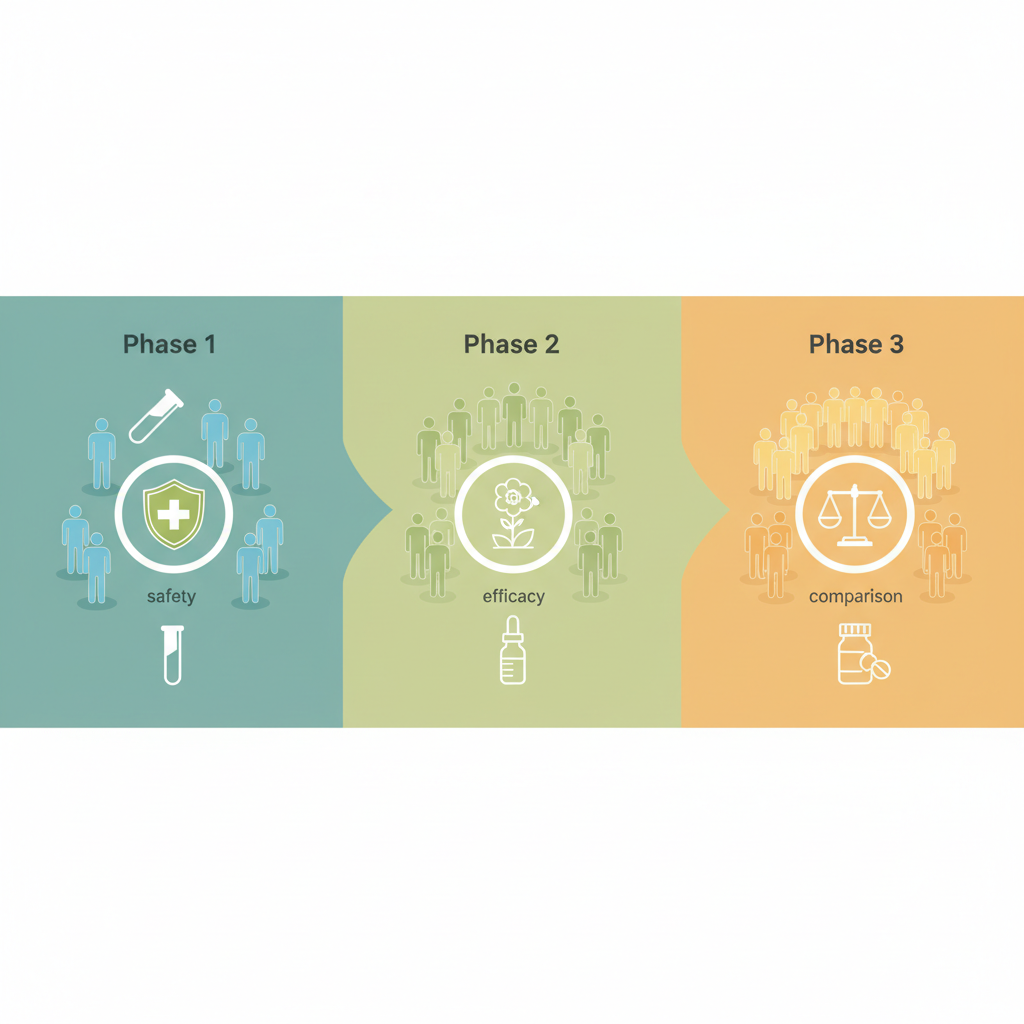
Clinical trials are typically structured in phases, each with a specific goal. Phase 1 trials focus on safety, determining the best dose of a new treatment and identifying side effects. Phase 2 trials evaluate the treatment's effectiveness and continue to monitor safety. Phase 3 trials compare new treatments against standard care to confirm their benefits and risks in a larger group of patients. Finally, Phase 4 trials occur after a drug is approved, continuing to collect information about long-term effects and optimal use. This systematic approach ensures that all new treatments are thoroughly vetted before they become standard practice.
The Role of Precision Medicine
Precision medicine, also known as personalized medicine, is a revolutionary approach that tailors treatments based on an individual's genetic makeup, lifestyle, and the unique characteristics of their tumor. For early stage prostate cancer, this means analyzing your specific cancer to choose the most effective drug or combination of therapies. Clinical trials are at the forefront of this movement, identifying genetic markers that predict treatment response and developing bespoke therapeutic strategies. Providence Cancer Institute of Orange County also offers specialized programs for prostate cancer care, emphasizing personalized approaches [9].
Future Directions in Early Stage Prostate Cancer Research
The future of early stage prostate cancer treatment is bright, with research exploring a multitude of avenues. This includes studies on active surveillance enhancements, new surgical techniques with robotic assistance, advanced radiation delivery methods, and even preventative strategies for those at high genetic risk [8]. The goal is not just to cure the disease, but to do so with minimal impact on quality of life, preserving urinary and sexual function whenever possible. Cancer Answers OC remains committed to keeping Fullerton patients informed about these exciting developments, which you can learn more about by talking to our free Ask the Assistant chat.
Finding Clinical Trials in Fullerton
Locating appropriate clinical trials can be a daunting task, but there are numerous resources available to help you and your care team navigate the options. Being proactive in your search can open doors to innovative therapies.
Resources and Databases
Several comprehensive databases list clinical trials actively recruiting participants. ClinicalTrials.gov is a key public resource, providing detailed information on studies worldwide, including many for early stage prostate cancer [7]. Websites from organizations like the Prostate Cancer Foundation (PCF) also offer searchable databases and guidance. Here at Cancer Answers OC, we offer resources to help you locate trials in Orange County, including those near Fullerton. You can also consult with your oncologist or /find-specialist for personalized recommendations.
Connecting with Local Research Centers
Orange County is home to several leading medical institutions and research centers that participate in cutting-edge clinical trials. Connecting with these centers can provide access to studies specifically tailored to early stage prostate cancer. Your care team can often facilitate these connections, or you can inquire directly with major hospitals and university medical centers in the region. Remember, our /contact page is always available if you need help finding local resources.
Frequently asked questions
What are the benefits of joining a clinical trial for early stage prostate cancer?
Joining a clinical trial for early stage prostate cancer can provide access to new, advanced treatments before they are widely available. You'll receive close medical monitoring and contribute to scientific knowledge that helps others. While not guaranteed, there's a potential for better outcomes or reduced side effects compared to standard treatments.
Are clinical trials safe? What are the risks?
Patient safety is paramount in clinical trials. All trials undergo strict ethical review and monitoring. Risks can vary depending on the treatment being studied, including potential side effects from new medications or procedures. These risks are thoroughly explained during the informed consent process, allowing you to make an educated decision.
How long do clinical trials for early stage prostate cancer typically last?
The duration of a clinical trial varies significantly based on its phase and the treatment being studied. Some trials might last a few months, while others may involve years of follow-up to track long-term effects. The trial protocol will specify the expected time commitment.
Will I have to pay to participate in a clinical trial?
Generally, the experimental treatment itself is provided free of charge by the trial sponsor. However, standard medical care costs, such as routine doctor visits and diagnostic tests, may be covered by your insurance, or the trial sponsor may cover them. It's crucial to clarify all financial aspects with the research team before participating.
Can I continue to see my regular doctor during a clinical trial?
Yes, in most cases, you can continue to receive care from your regular doctor. The clinical trial team will collaborate with your primary oncologist or urologist to ensure comprehensive and coordinated care. This ensures that your overall health needs are met alongside your participation in the trial.
What happens after a clinical trial ends?
Once a clinical trial concludes, researchers analyze the data to determine the new treatment's safety and effectiveness. If successful, the treatment may move to the next phase of trials or seek regulatory approval. Participants typically return to standard care, and the research team will discuss ongoing follow-up plans with you.
When to call your care team
- If you experience any new or worsening symptoms during your treatment.
- If you have questions about your eligibility for a specific clinical trial.
- If you are considering a clinical trial and want to discuss it with your doctor.
- If you need help understanding the informed consent process for a trial.
- If you notice any unusual side effects or changes in your health.
How Cancer Answers OC can help
At Cancer Answers OC, we understand that confronting early stage prostate cancer in Fullerton can be challenging, and navigating treatment options, including clinical trials, can feel overwhelming. We are dedicated to providing clear, compassionate, and evidence-based information to empower you and your loved ones.
Our platform offers extensive resources, from detailed articles on various cancer types and treatments to guidance on finding specialists and understanding complex medical terms. We encourage you to explore our /clinical-trials section for current opportunities and our /second-opinion service for expert insight. You can also use our free, private, instant, 24/7 Ask the Assistant chat feature (found in the floating button at the bottom-right of your screen) to get quick answers to your questions, with live OC specialists available when you need more in-depth support. We are here to support your journey every step of the way, connecting you with innovative prostate cancer research and care right here in Orange County.
Related resources
- Breast Cancer Clinical Trials in Santa Ana: Exploring New Treatment Options
- Unlocking Hope: Clinical Trials for Pancreatic Cancer in Orange County
- Exploring Prostate Cancer Clinical Trials in Tustin, CA: What Patients Need to Know
- Find a cancer specialist in Orange County
- Get a second opinion
- Insurance and coverage guide
Sources
- 177Lu-PSMA-I&T for Metastatic Castration-Resistant Prostate Cancer. URL: https://clinicaltrials.gov/study/NCT05204927
- NCT07213674 | A Study of Xaluritamig Plus Abiraterone Versus ... URL: https://clinicaltrials.gov/study/NCT07213674
- NCT04221542 | Study of AMG 509 in Participants With Metastatic ... URL: https://clinicaltrials.gov/study/NCT04221542
- NCT06235151 | Copper Cu 64 PSMA I&T PET Imaging in Men With ... URL: https://clinicaltrials.gov/study/NCT06235151
- Anti-Cancer Stem-Cell-Targeted Therapies in Prostate Cancer - PMC. URL: https://pmc.ncbi.nlm.nih.gov/articles/PMC10000420/
- A Phase 2 Study With Enzastaurin Plus Chemotherapy or Placebo ... URL: https://clinicaltrials.gov/study/NCT00466440
- Find Care and Clinical Trials - Prostate Cancer Foundation. URL: https://www.pcf.org/patient-support/find-care-clinical-trials/
- NCT03805919 | Men at High Genetic Risk for Prostate Cancer. URL: https://clinicaltrials.gov/study/NCT03805919
- Prostate, Kidney and Bladder Cancer Program in Orange County. URL: https://www.providence.org/locations/socal/cancer-orange-county/cancer-programs/prostate-kidney-and-bladder-cancer
- City of Hope Opens Clinical Trial to Protect Heart Health of Prostate. URL: https://www.cityofhope.org/city-of-hope-opens-clinical-trial-to-protect-heart-health-of-prostate-cancer-patients-receiving