
If you're facing a lung cancer diagnosis, exploring all your treatment options is crucial. Lung cancer clinical trials in Orange County offer access to leading-edge therapies and contribute to medical advancements right here in our community. These trials provide opportunities for patients in Newport Beach, Irvine, and beyond to receive care that might not yet be widely available.
Key takeaways
- Lung cancer clinical trials offer access to innovative treatments before they become standard care.
- Participants benefit from close medical monitoring and expert care throughout the trial.
- Eligibility criteria ensure the safety and scientific validity of each study.
- Orange County, including Newport Beach and Irvine, hosts numerous active lung cancer trials.
- Deciding to join a trial is a personal choice, made in consultation with your oncology team.
Why consider lung cancer clinical trials?
Facing a lung cancer diagnosis can feel overwhelming, but it's important to remember that medical science is constantly evolving. Lung cancer clinical trials offer a path to new possibilities, providing access to therapies that are often at the forefront of cancer research. For many in Orange County, these trials represent not just a treatment option, but a chance to contribute to the future of cancer care.
Access to cutting-edge treatments
Imagine having access to a treatment that could revolutionize lung cancer care, years before it's available to everyone else. That's exactly what clinical trials offer. They are the final step in a long research process, testing brand-new drugs, medical devices, or approaches to surgery or radiation. These new lung cancer treatments in OC could offer more effective ways to fight your cancer or reduce treatment side effects.
Close monitoring and expert care
When you participate in a clinical trial, you receive incredibly close medical attention. Trial protocols often require frequent check-ups, tests, and careful monitoring by a dedicated team of doctors, nurses, and researchers. This intensive oversight can be a significant benefit, ensuring that any changes in your health are quickly addressed, and you receive high-quality, specialized care throughout the study.
Understanding the clinical trial process
Clinical trials are carefully designed research studies that involve volunteers. They are essential for discovering new and better ways to prevent, detect, diagnose, or treat diseases like lung cancer. Each trial follows a strict plan, called a protocol, to ensure patient safety and reliable results.
Phases of clinical trials
Clinical trials progress through several phases, each with a different purpose:
- Phase I: These trials are small and focus on safety. Researchers determine the best dose of a new treatment, how it affects the body, and identify potential side effects [1].
- Phase II: If a treatment is deemed safe, Phase II trials evaluate its effectiveness. Researchers look at whether the treatment shrinks tumors or improves symptoms in a larger group of patients [2].
- Phase III: The largest phase, Phase III trials compare the new treatment to standard care. They confirm effectiveness, monitor side effects, and gather information that allows the treatment to be used safely. This phase often involves hundreds or thousands of participants [3].
- Phase IV: After a treatment is approved, Phase IV trials continue to monitor its long-term effects, optimal use, and safety in the broader population.
Eligibility criteria: What you need to know
Every clinical trial has specific guidelines—called eligibility criteria—for who can or cannot participate. These criteria are put in place to protect participants and ensure the study yields meaningful scientific results. Common criteria include your specific type and stage of lung cancer, prior treatments, overall health, age, and other medical conditions. For example, a trial might be specifically for non-small cell lung cancer, stage III, and require participants to have adequate kidney and liver function [4]. Don't be discouraged if you don't fit every criterion for one trial; there might be another pulmonary cancer study in Newport Beach or Irvine that's a perfect match.
In-depth look: How clinical trials advance lung cancer care
Clinical trials are the driving force behind breakthroughs in cancer treatment. They allow scientists and doctors to systematically test new hypotheses and bring promising new therapies from the lab to patients. This rigorous scientific process has led to significant improvements in survival rates and quality of life for many lung cancer patients. Advances in immunotherapy, targeted therapies, and precision medicine are largely due to successful clinical trial efforts.
The role of targeted therapies and immunotherapy
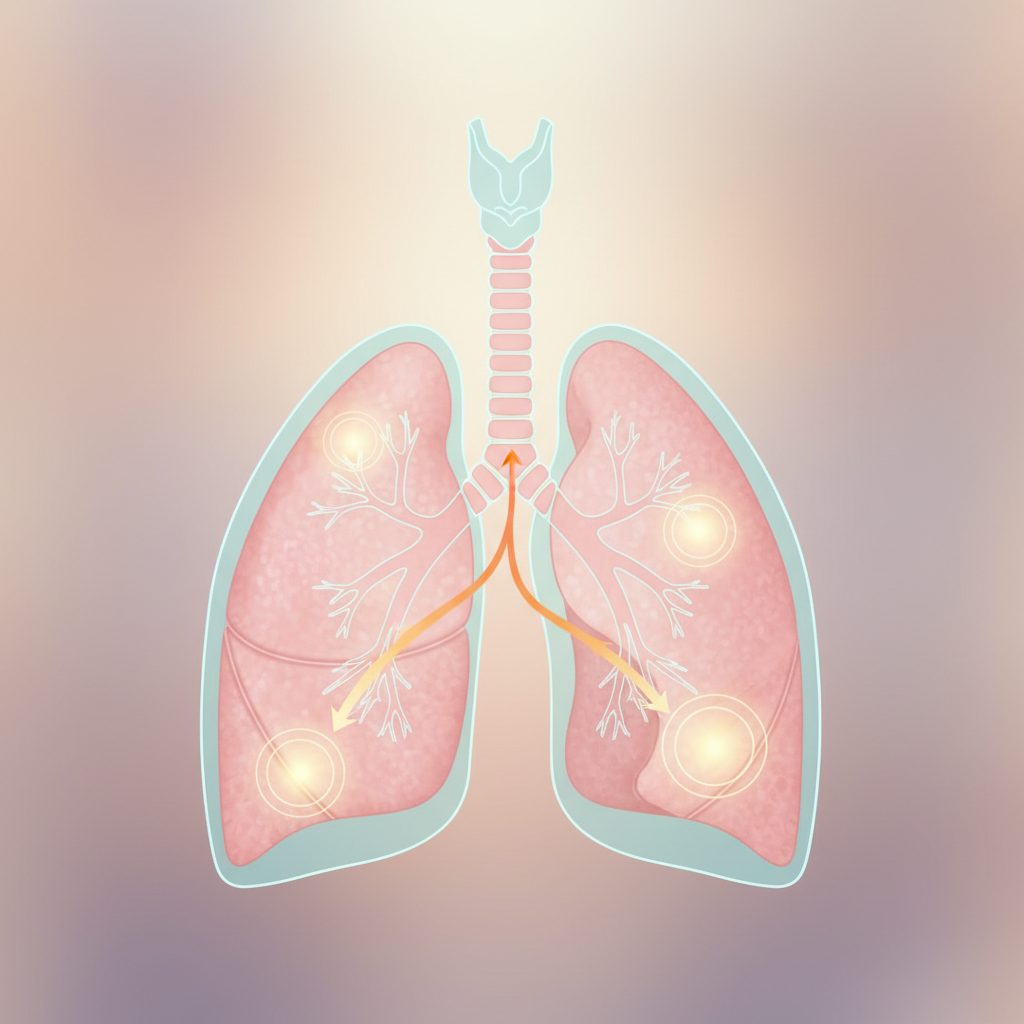
Many of the new lung cancer treatments in OC being studied in clinical trials fall into two exciting categories: targeted therapies and immunotherapy. Targeted therapies work by identifying and attacking specific molecules that drive cancer growth, often with fewer side effects than traditional chemotherapy. Immunotherapy, on the other hand, harnesses your own immune system's power to fight cancer cells [5]. Both approaches represent a paradigm shift in how we treat lung cancer, moving towards more personalized and effective strategies.
Contributing to collective knowledge
When you participate in a lung cancer clinical trial, you're not just receiving potential treatment for yourself; you're also making an invaluable contribution to medical science. The information gathered from your experience, along with that of other participants, helps researchers understand more about cancer, develop better treatments for future patients, and ultimately save lives. This collective effort is what accelerates progress in the fight against cancer.
Finding lung cancer clinical trials in Orange County
Finding the right clinical trial can feel like navigating a maze, but resources are available to help you. Cancer Answers OC is dedicated to connecting patients with the care they need, including opportunities for clinical trials right here in our community.
Local research centers and hospitals
Orange County is home to several leading medical institutions and cancer centers that actively participate in clinical research. Locations in Newport Beach, Irvine, and surrounding areas frequently conduct pulmonary cancer studies. These centers often have dedicated clinical trial departments or coordinators who can help you understand active studies and determine if you meet the eligibility criteria. Our specialists at Cancer Answers OC can help you identify these facilities and opportunities.
How to join a lung cancer trial in Irvine or Newport Beach
If you're wondering how to join a lung cancer trial in Irvine, Newport Beach, or anywhere in Orange County, the first step is always to talk to your oncology team. They can assess your medical history, current condition, and discuss whether a clinical trial might be a suitable option for you. They can also refer you to specific trials or clinical trial coordinators. You might also want to explore our /clinical-trials page for more resources, or chat with our free Ask the Assistant tool (floating bottom-right button) for instant answers and connections to local specialists.
Making the decision: Is a clinical trial right for you?
The decision to participate in a clinical trial is deeply personal and should be made after careful consideration and discussion with your healthcare team and loved ones. There are many factors to weigh, including potential benefits, risks, and personal comfort levels.
Benefits and risks to consider
Benefits:
- Access to new treatments not yet available to the public.
- Close medical attention from specialists.
- Opportunity to contribute to medical advancements.
- Potential for better outcomes or fewer side effects than standard treatments.
Risks:
- The new treatment may not be more effective than standard care.
- There could be unknown side effects or greater risks than standard treatments.
- The trial might require more frequent visits, tests, or procedures.
- You may be assigned to a control group receiving standard care or a placebo, depending on the trial design (though in cancer trials, placebos are rarely used when an effective standard treatment exists).
Discussing with your oncology team
Your doctor is your best resource for understanding if a clinical trial is a good fit for your specific situation. Don't hesitate to ask detailed questions about the study's purpose, potential benefits, risks, time commitment, and what treatments will be available if you withdraw or the trial concludes [6]. You have the right to withdraw from a clinical trial at any time, for any reason, without it affecting your standard medical care.
Frequently asked questions
What are the main types of lung cancer clinical trials?
Lung cancer clinical trials typically focus on new drugs (chemotherapy, targeted therapies, immunotherapies), new combinations of existing treatments, innovative surgical techniques, radiation approaches, or methods to improve quality of life and manage symptoms. There are also trials specifically for different stages and types of lung cancer, like non-small cell lung cancer or small cell lung cancer.
Will I definitely receive the new treatment if I join a trial?
Not necessarily. Depending on the trial's design, you might be assigned to a group receiving the new treatment, or a control group receiving the current standard of care. Some trials are placebo-controlled, but in cancer research, placebos are rarely used if an effective standard treatment is available; instead, the control group often receives the best established treatment.
Do clinical trials cost money to participate in?
Generally, the costs associated with the experimental treatment itself, and any study-mandated tests or procedures, are covered by the trial sponsor. However, standard care costs, travel expenses, and other non-study related medical care may still be your responsibility or covered by your insurance. Always clarify what costs are covered before joining a trial.
What are my patient rights in a clinical trial?
As a participant, you have many rights, including the right to be fully informed about the trial (informed consent), to ask questions, to withdraw at any time without penalty, and to receive ongoing information about your health and the study results. Your safety and well-being are the top priorities.
How long do lung cancer clinical trials typically last?
The duration varies greatly depending on the trial phase and its objectives. Phase I and II trials might last several months to a year, while Phase III trials, especially those tracking long-term outcomes, could extend for several years. Your care team will provide an estimated timeline for any trial you consider.
Can I participate in a clinical trial if I've already had lung cancer treatment?
Often, yes. Many lung cancer clinical trials are designed for patients who have already received standard treatments but are looking for new options. Eligibility criteria will specify if prior treatment is allowed or required.
When to call your care team
- If you experience any new or worsening symptoms during a clinical trial.
- If you have questions about your treatment or the trial protocol.
- If you are considering withdrawing from the study.
- To discuss any concerns about side effects or your overall well-being.
- Before taking any new medications, supplements, or engaging in other treatments not approved by the trial team.
How Cancer Answers OC can help
At Cancer Answers OC, we understand that a lung cancer diagnosis brings many questions and tough decisions. Our mission is to empower you with clear, accurate, and compassionate information about all your options, including lung cancer clinical trials in Orange County. Our local specialists are here to guide you through the complexities of cancer care, ensuring you have the knowledge and support you need to make informed choices.
Discover specialists in Newport Beach and Irvine, get a /second-opinion, or learn more about /clinical-trials available in our community. Don't forget our free Ask the Assistant chat, available 24/7 on the bottom-right of your screen. It provides instant, private answers and connects you to live OC specialists when you need personalized guidance. Let us help you navigate your journey with confidence and hope.
Related resources
- Breast Cancer Clinical Trials in Santa Ana: Exploring New Treatment Options
- Unlocking Hope: Clinical Trials for Pancreatic Cancer in Orange County
- Exploring Prostate Cancer Clinical Trials in Tustin, CA: What Patients Need to Know
- Find a cancer specialist in Orange County
- Get a second opinion
- Insurance and coverage guide
Sources
- Study Details | NCT04928846 | ClinicalTrials.gov - Clinical Trials. URL: https://clinicaltrials.gov/study/NCT04928846
- Study Details | NCT02193282 | ClinicalTrials.gov - Clinical Trials. URL: https://clinicaltrials.gov/study/NCT02193282
- Study Details | NCT07361510 | ClinicalTrials.gov - Clinical Trials. URL: https://clinicaltrials.gov/study/NCT07361510
- NCT03845296 | Rucaparib in Treating Patients With Genomic LOH ... URL: https://clinicaltrials.gov/study/NCT03845296
- Proceedings of the 1st biannual bridging the gaps in lung cancer ... URL: https://pmc.ncbi.nlm.nih.gov/articles/PMC11883156/
- Adequate Catchment Area Representation in Cancer Clinical Trials ... URL: https://pmc.ncbi.nlm.nih.gov/articles/PMC12585292/