
Receiving a melanoma diagnosis for a loved one can bring a wave of emotions, from fear to determination. As a caregiver, you're looking for the best possible care and an understanding of the journey ahead, especially when seeking melanoma treatment options in Irvine. This guide is crafted to empower you with knowledge about modern treatments and support resources available in Orange County.
Key takeaways
- Melanoma treatment relies on specific staging and tumor characteristics for personalized care.
- Surgery is often the first and most effective treatment for early-stage melanoma [1].
- Advanced treatments like targeted therapy and immunotherapy offer significant hope for metastatic melanoma [2, 3].
- Supportive care and managing side effects are crucial components of treatment, enhancing quality of life.
- Seeking specialized care in Irvine and Orange County connects you with leading experts and comprehensive resources.
Understanding Melanoma and Its Stages
When a loved one is diagnosed with melanoma, understanding the basics of this skin cancer and its staging is your first step. It helps you grasp why certain treatment paths are chosen and what to expect.
What is Melanoma?
Melanoma is a serious form of skin cancer that develops in melanocytes, the cells responsible for producing melanin, the pigment that gives skin its color [9]. While it often appears on the skin, it can also form in the eyes, mouth, intestines, or even under fingernails [6]. Early detection is key, as melanoma can spread quickly if not treated.
How Melanoma is Staged
Staging melanoma involves a thorough evaluation of the tumor's thickness, whether it has spread to nearby lymph nodes, and if it has metastasized to distant organs [1]. This staging process, from Stage 0 to Stage IV, dictates the complexity of the disease and guides treatment decisions. For instance, stage 3 melanoma treatment in Orange County often involves a multi-pronged approach beyond just surgery.
The Foundation of Melanoma Treatment: Surgery
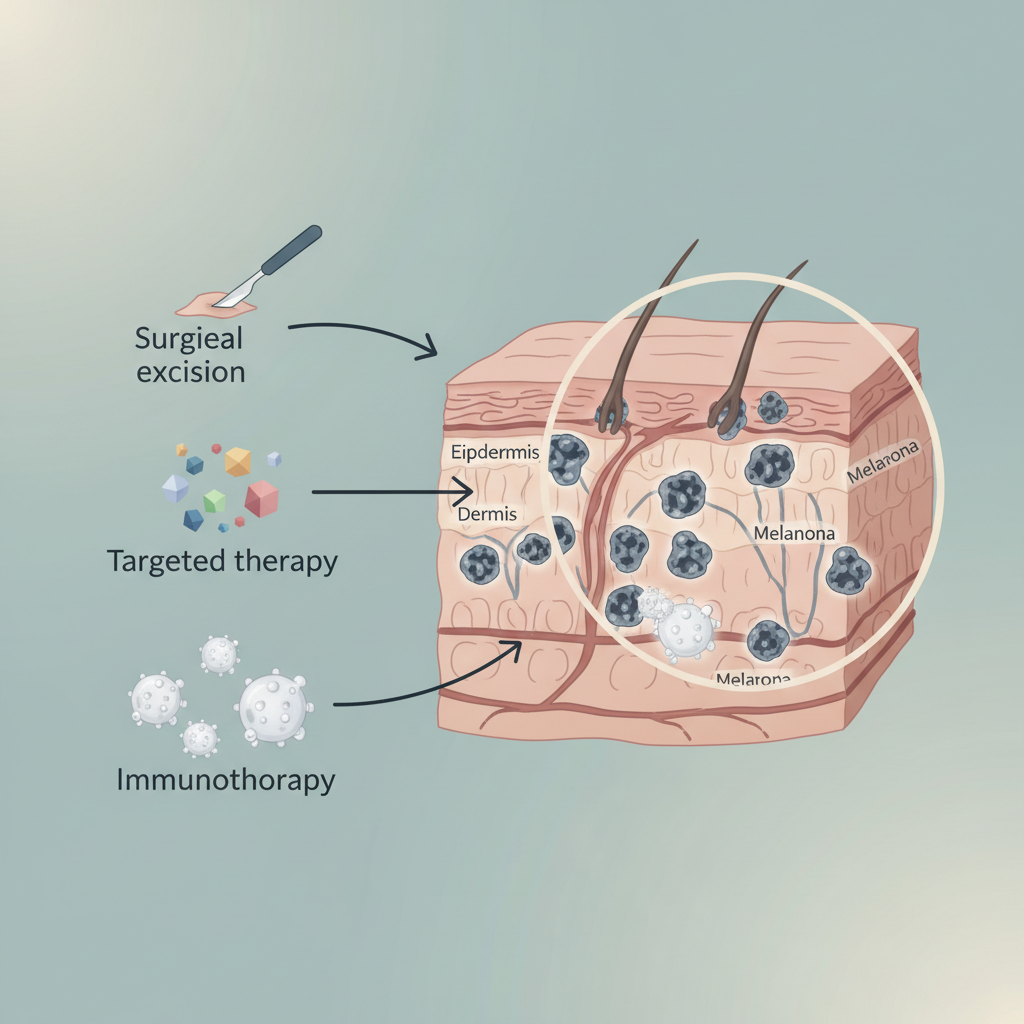
For many diagnosed with melanoma, surgery remains the primary and most effective treatment. It offers the best chance for a cure, especially when the cancer is caught early.
Wide Local Excision
Wide local excision is the most common surgical procedure for melanoma. This involves removing the melanoma along with a margin of healthy tissue surrounding it to ensure all cancer cells are removed [5]. The size of the margin depends on the melanoma's thickness. This procedure is typically performed under local anesthetic.
Lymph Node Dissection
If the melanoma has spread to nearby lymph nodes, a lymph node dissection may be necessary. This surgery removes affected lymph nodes in the area to prevent further spread and to help stage the cancer more accurately. Your care team will discuss the potential benefits and risks of this procedure, especially for stage 3 melanoma treatment in Orange County.
Advanced Treatment Approaches in Irvine
For more advanced cases or when melanoma has recurred, specialized treatments offer new hope. Irvine's medical centers are often at the forefront of providing these innovative therapies.
Immunotherapy: Harnessing the Body's Defenses
Immunotherapy drugs work by boosting the body's own immune system to recognize and destroy cancer cells [2]. These treatments have revolutionized the landscape for many advanced cancers, including melanoma. Common types include checkpoint inhibitors, which block proteins that prevent immune cells from attacking cancer.
Targeted Therapy: Precision Medicine
Targeted therapy focuses on specific genes or proteins found in melanoma cells that contribute to their growth [4]. Before starting this treatment, tests are performed to identify these genetic mutations in your loved one's tumor, such as the BRAF mutation. This precision medicine approach can be highly effective with fewer side effects than traditional chemotherapy.
Supporting Your Loved One Through Treatment
As a caregiver, your role extends beyond understanding treatments; it's about providing holistic support. Managing side effects, encouraging adherence, and finding local resources are vital.
Managing Side Effects of Treatment
Each treatment, whether surgery, immunotherapy, or targeted therapy, comes with potential side effects. These can range from fatigue and skin rashes to more severe reactions. Open communication with the medical team is crucial to manage these effectively and maintain your loved one's comfort and quality of life.
Nutritional Support and Lifestyle Adjustments
Good nutrition and a healthy lifestyle can significantly impact your loved one's well-being during treatment. A balanced diet, gentle exercise (if approved by the doctor), and adequate rest can help manage fatigue and promote healing. Consider consulting a dietitian for personalized advice.
Finding the Best Melanoma Doctors in Irvine and Orange County
Selecting the right medical team is paramount. Orange County, specifically Irvine, is home to many highly skilled oncologists and dermatologists specializing in melanoma.
Multidisciplinary Care Teams
The best melanoma doctors in Irvine often work within multidisciplinary teams, including surgical oncologists, medical oncologists, radiation oncologists, dermatologists, and pathologists. This collaborative approach ensures that your loved one receives comprehensive and coordinated care tailored to their specific needs. You can explore options for a second opinion within these specialized centers.
Researching Specialists and Institutions
Look for specialists with extensive experience in melanoma and affiliations with reputable cancer centers in the Orange County area, like UCI Health [8] or dedicated skin cancer clinics in Irvine [7]. Online resources, patient reviews, and referrals from primary care physicians can help guide your search. Don't hesitate to use our free Ask the Assistant chat (floating bottom-right button) for instant, private insights, and even connections to live OC specialists when needed.
Exploring Clinical Trials for Melanoma
Clinical trials offer access to cutting-edge treatments that may not yet be widely available. They represent an important avenue for patients seeking advanced or alternative options.
What are Clinical Trials?
Clinical trials are research studies that test new medical approaches, including new drugs, surgeries, or medical devices. For melanoma, trials often investigate novel immunotherapies, targeted therapies, or combinations of existing treatments [3]. Participation can offer both potential benefits and risks, which your care team will discuss thoroughly.
How to Access Clinical Trials in Orange County
Many cancer centers in Orange County, including those in Irvine, participate in clinical trials. Your loved one's oncologist is the best resource for determining eligibility and identifying suitable trials. You can also visit our clinical trials page for more information and resources on finding trials in your area.
Melanoma Surgery Recovery Tips
After melanoma surgery, proper care is essential for optimal healing and to minimize complications. As a caregiver, your support is invaluable during this time.
Post-Surgical Wound Care
Following your care team's instructions for wound care is critical. This typically involves keeping the surgical site clean and dry, changing dressings as directed, and watching for signs of infection such as redness, swelling, increased pain, or discharge. Proper wound care helps prevent complications and promotes faster healing.
Managing Pain and Discomfort
Pain management is an important part of recovery. Your loved one’s doctor will likely prescribe pain medication or recommend over-the-counter options. Ensure they take medication as prescribed and report any severe or unmanaged pain to the care team. Emotional support also plays a significant role in coping with post-surgical discomfort.
Frequently asked questions
### What are the main treatment options for early-stage melanoma?
For early-stage melanoma, the primary treatment is usually surgical removal (wide local excision) to ensure all cancer cells are eliminated. Your doctor may also recommend a sentinel lymph node biopsy to check for microscopic spread.
### How often should my loved one have follow-up appointments after melanoma treatment?
Follow-up schedules vary depending on the stage of melanoma and the type of treatment received. Typically, appointments are more frequent in the first few years (every 3-6 months) and then gradually reduce over time to annual check-ups. Regular self-skin exams are also highly encouraged.
### Can diet and lifestyle changes impact melanoma treatment outcomes?
While diet and lifestyle are not direct treatments for melanoma, maintaining a healthy diet, staying physically active (as advised by doctors), and avoiding excessive sun exposure can support overall well-being, manage treatment side effects, and potentially reduce the risk of recurrence. Always consult with your care team for personalized advice.
### What is the difference between immunotherapy and targeted therapy for melanoma?
Immunotherapy boosts your loved one's immune system to fight cancer, while targeted therapy attacks specific vulnerabilities within cancer cells, often based on genetic mutations. Both are advanced treatments, but they work through different mechanisms to combat melanoma.
### Where can I find support groups for melanoma caregivers in Orange County?
Local cancer centers, hospitals in Irvine and surrounding Orange County cities, and national organizations often offer support groups for patients and caregivers. Connecting with others facing similar challenges can provide invaluable emotional support and practical advice. Our free Ask the Assistant chat (bottom-right button) can also help you find local resources.
When to call your care team
- New or worsening pain that is not managed by prescribed medication.
- Signs of infection at the surgical site (e.g., increased redness, swelling, pus, fever).
- Severe or unexpected side effects from medication or treatment.
- Sudden changes in mood, severe fatigue, or difficulty eating or sleeping.
- Any concerning new spots or changes to existing moles on the skin.
How Cancer Answers OC can help
Navigating melanoma treatment for your loved one in Irvine can feel overwhelming, but you don't have to do it alone. Cancer Answers OC is your trusted resource for clear, compassionate, and evidence-based information. We can help you connect with top specialists and understand complex treatment options available right here in Orange County. We also encourage you to utilize our free Ask the Assistant chat (floating bottom-right button) for instant answers, private discussions, and direct connections to local OC specialists whenever you need them—24/7.
Related resources
- Prostate Cancer Treatment Options at Home: A Patient’s Guide
- Understanding Targeted Therapy for Breast Cancer in Orange County
- Proton Therapy Cancer Treatment in Orange County: A Targeted Approach
- Find a cancer specialist in Orange County
- Get a second opinion
- Insurance and coverage guide
Sources
- Cutaneous Melanoma: An Overview of Physiological and ... - PMC. URL: https://pmc.ncbi.nlm.nih.gov/articles/PMC11357276/
- Immunotherapy in Melanoma: Recent Advances and Future Directions. URL: https://pmc.ncbi.nlm.nih.gov/articles/PMC9954703/
- Melanoma therapeutics: a literature review - PMC. URL: https://pmc.ncbi.nlm.nih.gov/articles/PMC9002155/
- Drug Therapy for Melanoma: Current Updates and Future Prospects. URL: https://pmc.ncbi.nlm.nih.gov/articles/PMC12897134/
- Surgical Treatment of Sinonasal Mucosal Melanoma in Patients ... URL: https://pmc.ncbi.nlm.nih.gov/articles/PMC8289530/
- Melanoma | UCI Health | Orange County, CA. URL: https://www.ucihealth.org/medical-services/conditions/melanoma
- Skin Cancer Treatment in Irvine & Orange County, CA | OC MedDerm. URL: https://irvineskin.com/skin-cancer-overview/
- Melanoma Treatment - NCI - National Cancer Institute. URL: https://www.cancer.gov/types/skin/patient/melanoma-treatment-pdq