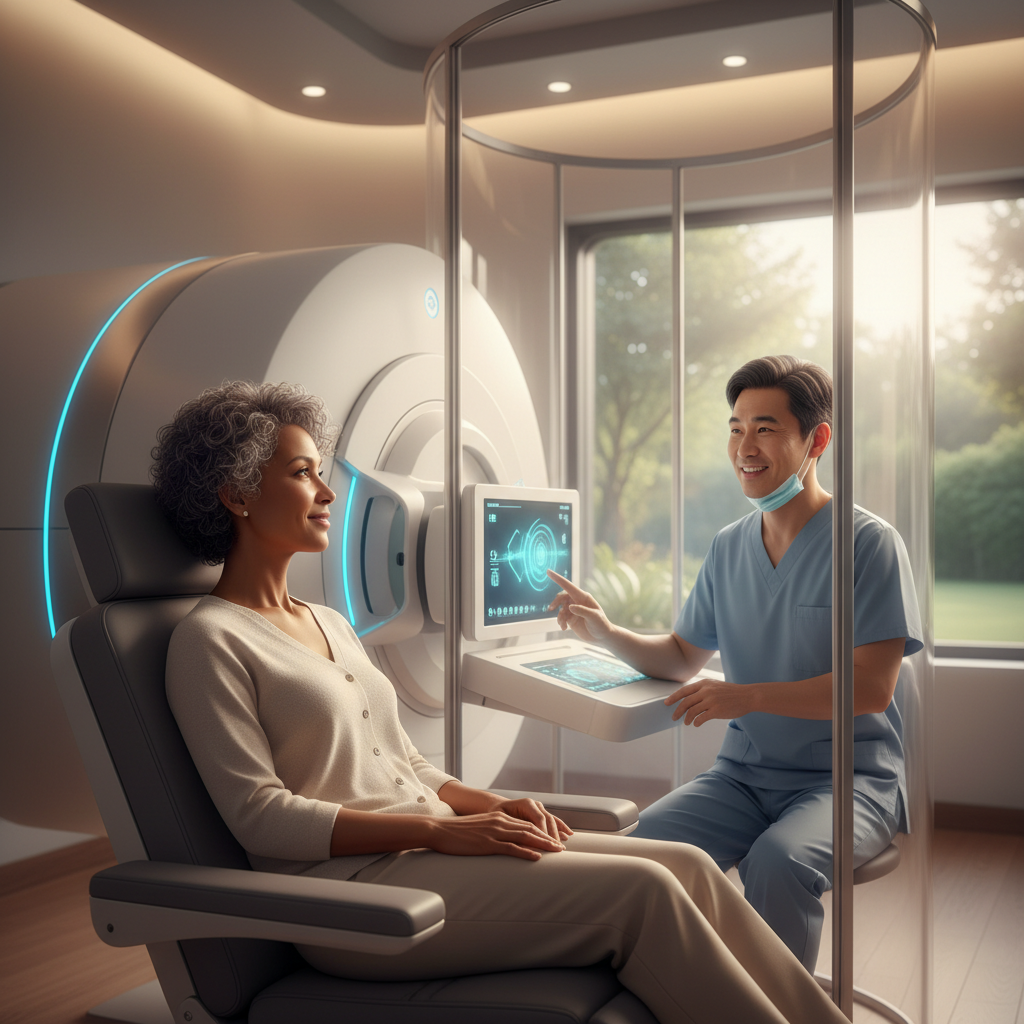
When facing a cancer diagnosis, understanding all your treatment options is crucial. Proton therapy is an advanced form of radiation that precisely targets tumors while minimizing impact on surrounding healthy tissues. This article delves into how proton therapy works, its potential benefits, and where to find this innovative treatment in Orange County.
Key takeaways
- Proton therapy is a highly precise radiation treatment that spares healthy tissues.
- It can be particularly beneficial for cancers near sensitive organs or in pediatric cases.
- While promising, proton therapy may not be suitable for all cancer types.
- Understanding the cost and insurance coverage is an important step.
- Orange County offers access to advanced proton therapy facilities.
Understanding Proton Therapy: A Closer Look
Imagine a highly specialized paint gun that can color only the precise area you aim at, without any overspray. That's a good analogy for how proton therapy differs from conventional radiation, which is more like a spray can. Proton therapy harnesses the power of positively charged particles to deliver targeted radiation doses to cancerous cells, minimizing damage to surrounding healthy tissue [7].
What Exactly is Proton Therapy?
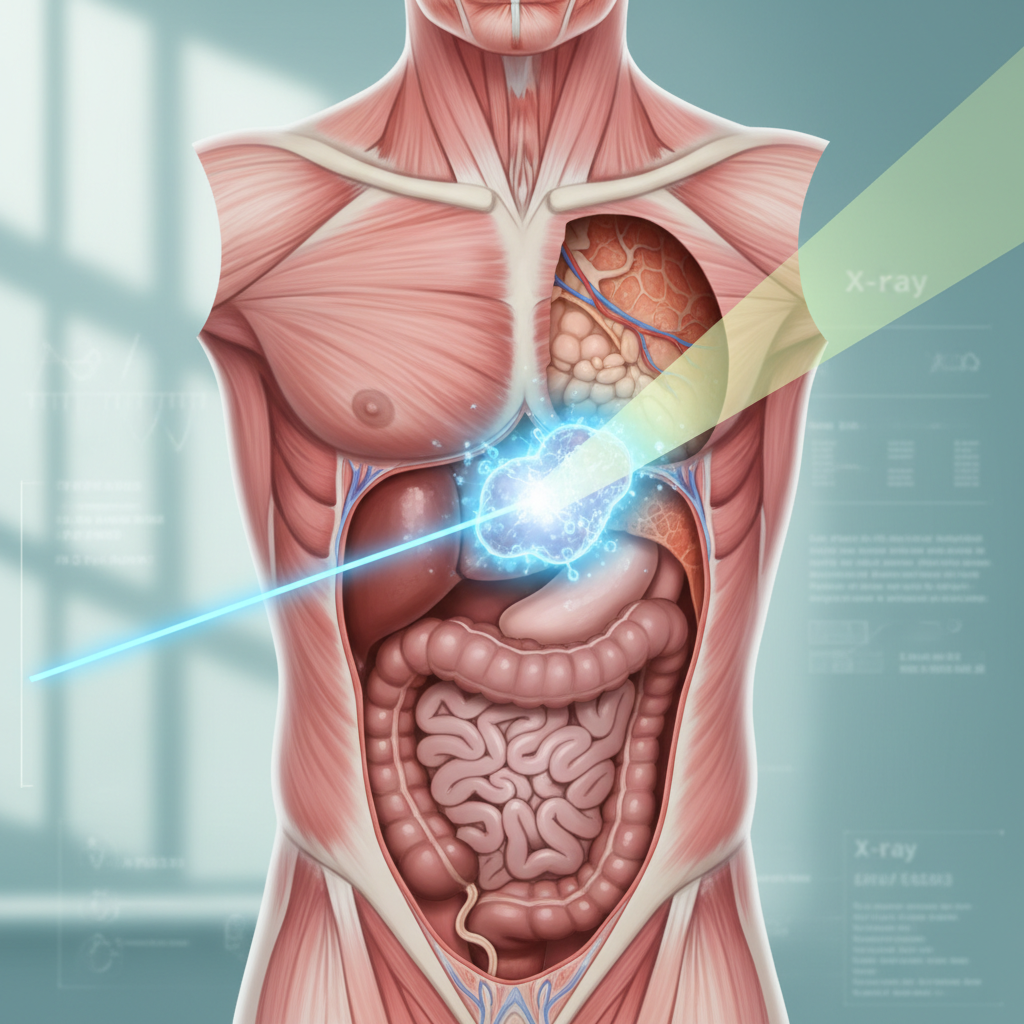
Proton therapy is a sophisticated type of external beam radiation therapy. Instead of using X-rays, it uses protons. These particles deliver their maximum energy dose within a very specific, controlled range, known as the Bragg peak, before coming to a stop. This unique characteristic allows radiation oncologists to target tumors with exceptional accuracy, reducing the exit dose to normal tissues beyond the tumor [1]. Compared to traditional X-ray radiation, which passes entirely through the body, proton beams deposit most of their energy directly within the tumor.
How Does it Work?
The process begins with a cyclotron or synchrotron, a machine that accelerates protons to very high speeds. These high-energy protons are then directed by powerful magnets through a beamline to the treatment room. Once at the treatment site, the proton beam is precisely modulated to conform to the exact shape and depth of the tumor, often using a technique called pencil beam scanning [9]. This allows for a highly customized treatment plan, minimizing the radiation exposure to critical organs and healthy tissues adjacent to the tumor volume.
Benefits of Proton Therapy vs. Traditional Radiation
The precision of proton therapy offers several distinct advantages over conventional photon (X-ray) radiation. While both are effective at destroying cancer cells, the way they deliver energy can significantly impact a patient's experience and long-term health.
Reduced Side Effects
One of the most compelling benefits of proton therapy is its ability to reduce radiation exposure to healthy tissues and organs. Because the proton beam stops precisely at the tumor, less radiation scatter and exit dose occur [1]. This can significantly lower the risk of side effects, both short-term during treatment and long-term complications, particularly for cancers located near delicate structures like the brain, spinal cord, heart, or lungs. Patients often experience less fatigue, nausea, and skin irritation compared to conventional radiation therapy [3].
Enhanced Targeting and Dose Delivery
Proton therapy allows clinicians to deliver a higher, more effective dose of radiation directly to the tumor. This is especially advantageous for complex or oddly shaped tumors that are difficult to treat with traditional methods. The increased precision means that, in some cases, doctors can achieve better tumor control while protecting healthy cells, which is why it's often considered for pediatric cancers where minimizing long-term effects on developing bodies is paramount. It’s also being explored for its benefits in specific adult cancers such as prostate cancer and certain brain tumors [3, 10].
Cancers Treatable with Proton Therapy
While highly advanced, proton therapy is not universally applied to all cancer types. Its unique characteristics make it particularly well-suited for certain malignancies, especially those in sensitive locations or in vulnerable patient populations. Orange County patients considering this option should discuss their specific diagnosis with their oncology team.
Common Applications
Proton therapy is frequently used for tumors located close to critical organs where minimizing collateral damage is crucial. Cancers of the brain and spinal cord, head and neck, eye (ocular melanoma), and certain pediatric cancers are often considered prime candidates [3]. For instance, its precision can protect vision and cognitive function in head and neck cancers, and minimize developmental impacts in children with brain or spinal tumors. It is also increasingly used for certain breast cancers, especially to protect the heart and lungs [6], and prostate cancer, to reduce risks to the bladder and rectum [10].
Emerging and Investigational Uses
Research continues to expand the potential applications of proton therapy. Conditions like esophageal cancer are showing promising outcomes with proton beam therapy due to its ability to spare the heart and lungs [4]. Oncologists are also exploring its role in re-irradiation cases, where patients require radiation therapy after previous treatment, as well as in treating certain lung and liver cancers [1]. As technology advances, such as with online adaptive proton therapy, the scope of treatable cancers is expected to broaden further [2]. You can learn more about local opportunities for cutting-edge treatments by exploring our /clinical-trials page.
In-depth look
Precision and Customization in Action
At the heart of proton therapy's effectiveness is its unparalleled precision. Each patient's treatment plan is meticulously crafted based on detailed imaging scans, allowing the radiation oncologists to map out the exact contours of the tumor. This personalized approach ensures the proton beam delivers its energy precisely where it's needed, conforming to the tumor's unique shape and depth. The ability to stop the radiation dose at the back end of the tumor (the Bragg peak) is what truly differentiates it from traditional X-ray radiation, which continues to exit the body, exposing healthy tissues.
The Patient Journey: From Consultation to Treatment
For patients in Orange County, the journey for proton therapy typically begins with an initial consultation with a radiation oncologist. During this consultation, the medical team will review your diagnosis, medical history, and imaging studies to determine if proton therapy is the most appropriate course of action. If it is, a detailed simulation and planning process will follow, involving CT, MRI, or PET scans to create a precise 3D map of the tumor. This map guides the development of a highly individualized treatment plan. Treatments are generally delivered daily, Monday through Friday, for several weeks, with each session lasting a short period, typically less than an hour, including setup time. The actual beam delivery is usually only a few minutes.
Cost of Proton Therapy in California and Insurance Coverage
Understanding the financial aspect of advanced treatments like proton therapy is a natural concern for many patients and their families. While proton therapy can be more expensive than conventional radiation due to the specialized equipment and facilities required, its long-term benefits in reducing side effects and potential for better outcomes can offer significant value.
Navigating the Costs
The overall cost of proton therapy in California, including Irvine, can vary significantly based on the type of cancer, the number of treatment sessions, and the specific facility. It’s important to remember that these are complex treatments requiring highly specialized equipment and staff [7]. For Orange County patients interested in exploring their options, it’s advisable to discuss financial considerations early in the process.
Insurance and Financial Assistance
Insurance coverage for proton therapy has steadily improved as more evidence supports its clinical benefits. Many private insurance companies, as well as Medicare and Medi-Cal, now provide coverage for proton therapy, particularly for certain cancer types and disease sites. However, coverage can vary greatly depending on your specific plan and the medical necessity determined by your oncology team. It's crucial to contact your insurance provider directly and work closely with the financial counselors at the proton therapy center to understand your benefits, pre-authorization requirements, and any out-of-pocket expenses. Some facilities may also offer financial assistance programs or help identify other resources to ease the burden. Our team at Cancer Answers OC is available to help you find local resources. Just click on the floating Ask the Assistant chat icon in the bottom-right for instant, private assistance.
Finding Proton Therapy Cancer Treatment in Orange County
Access to advanced cancer treatments like proton therapy is a significant advantage for patients in Orange County. While proton therapy centers are less common than traditional radiation centers, several top-tier facilities offer this cutting-edge treatment within reach for residents of Irvine and wider Southern California.
Local Treatment Centers
While there are dedicated proton therapy centers in Southern California, Orange County itself is a hub for advanced oncology. Patients often travel a short distance to access these specialized facilities. For example, some prominent centers are located in nearby San Diego [9] or Loma Linda [10], which are well within commuting distance for many Orange County residents. These centers often draw patients from across the region, including Irvine, due to their specialized services and expert teams. The National Association for Proton Therapy provides a tool to locate centers [8].
Considerations for Orange County Patients
When considering proton therapy, Orange County patients should evaluate not only the facility's proximity but also the expertise of its medical team, the specific technology used, and the types of cancers they specialize in. A comprehensive discussion with your oncologist, who can offer a referral and facilitate communication with a proton therapy specialist, is vital. Don't hesitate to seek a /second-opinion to ensure all your options are thoroughly explored and understood.
Frequently asked questions
What type of cancers typically benefit most from proton therapy?
Proton therapy is particularly beneficial for cancers located near sensitive organs (like the brain, spinal cord, heart, or eyes), pediatric cancers, and some head and neck, prostate, and breast cancers, where minimizing radiation exposure to healthy tissue is critical to reduce side effects and long-term complications.
Are the side effects of proton beam therapy less severe than traditional radiation?
Generally, yes. Due to proton therapy's precise targeting and ability to stop at the tumor (the Bragg peak), less radiation is delivered to surrounding healthy tissues. This often translates to fewer and less severe side effects, although individual experiences can vary.
How long does a typical proton therapy treatment course last?
A typical course of proton therapy usually involves daily treatments, Monday through Friday, for several weeks. Each individual treatment session itself is relatively short, often less than an hour, including patient setup and quality assurance checks, with the actual beam delivery lasting only a few minutes.
Is proton therapy always covered by insurance?
Insurance coverage for proton therapy varies. Many private insurance plans, Medicare, and Medi-Cal increasingly cover proton therapy, especially for medically necessary conditions. However, it's crucial to check with your specific insurance provider and the proton therapy center's financial counselors to understand your benefits and any pre-authorization requirements.
What's the difference between proton therapy and traditional X-ray radiation?
The main difference lies in how they deliver radiation. Traditional X-ray radiation passes through the body, exposing tissues beyond the tumor. Proton therapy, using positively charged particles, delivers its maximum energy precisely at the tumor's depth and then stops, significantly reducing exit dose to healthy tissues and organs.
Where can I find proton therapy cancer treatment in Orange County?
While dedicated proton therapy centers may require a short commute from Orange County (e.g., to San Diego or Loma Linda), many local oncology practices can help coordinate referrals. Your oncologist is the best resource to guide you to the nearest appropriate facility and discuss your options. You can also explore our /find-specialist page to connect with local experts.
When to call your care team
- If you experience unexpected or severe side effects during or after treatment.
- If you have new symptoms or changes in your health status.
- If you have questions or concerns about your treatment plan or recovery.
- If you are struggling with emotional or mental health during your cancer journey.
- If you need clarification on medication dosages, appointments, or follow-up care.
How Cancer Answers OC can help
Navigating cancer treatment options can feel overwhelming, especially when considering advanced therapies like proton therapy cancer treatment in Orange County. At Cancer Answers OC, we're dedicated to helping you make informed decisions with clarity and confidence. Our platform connects you with trusted, evidence-based information and local oncology specialists in Irvine and across Orange County. If you have questions about proton therapy, its applicability to your specific cancer, or wish to connect with a specialist, /contact us.
For immediate, private assistance with any questions, remember to utilize our free Ask the Assistant chat feature (the floating button in the bottom-right corner). It's available 24/7 and can provide instant, personalized answers, and connect you with live Orange County specialists if needed.
Related resources
- Prostate Cancer Treatment Options at Home: A Patient’s Guide
- Understanding Targeted Therapy for Breast Cancer in Orange County
- Navigating Lung Cancer Treatment Options in Orange County
- Find a cancer specialist in Orange County
- Get a second opinion
- Insurance and coverage guide
Sources
- Proton Therapy for Unresectable and Medically Inoperable Locally... - https://pmc.ncbi.nlm.nih.gov/articles/PMC10318270/
- Current status and upcoming developments for online adaptive... - https://pmc.ncbi.nlm.nih.gov/articles/PMC12754733/
- Proton versus photon radiotherapy in adults with primary brain... - https://pmc.ncbi.nlm.nih.gov/articles/PMC12922309/
- Proton beam radiotherapy for esophagus cancer: state of the art - PMC - https://pmc.ncbi.nlm.nih.gov/articles/PMC7711403/
- Enhancing Radiation Therapy Quality Assurance in Lymphoma - https://pubmed.ncbi.nlm.nih.gov/41453454/?utm_source=FeedFetcher&utm_medium=rss&utm_campaign=None&utm_content=1xSjLNP-2lGFmiI8iZJcBJ7eQzwrH7r3HJMuwSCBD7uts8h9bB&fc=None&ff=20251227234040&v=2.18.0.post22+67771e2
- Proton Therapy for Breast Cancer: A Consensus Statement... - PMC - https://pmc.ncbi.nlm.nih.gov/articles/PMC8416711/
- Orlando Proton Cancer Therapy - Orlando Health Cancer Institute - https://www.orlandohealth.com/services-and-specialties/orlando-health-cancer-institute/specialty-centers/proton-therapy
- Find A Proton Center - National Association for Proton Therapy - https://proton-therapy.org/findacenter/
- California Protons: Proton Radiation Cancer Treatment Center - https://www.californiaprotons.com/
- LLUH Proton Therapy Treatment Center: Proton Treatment and... - https://protons.com/