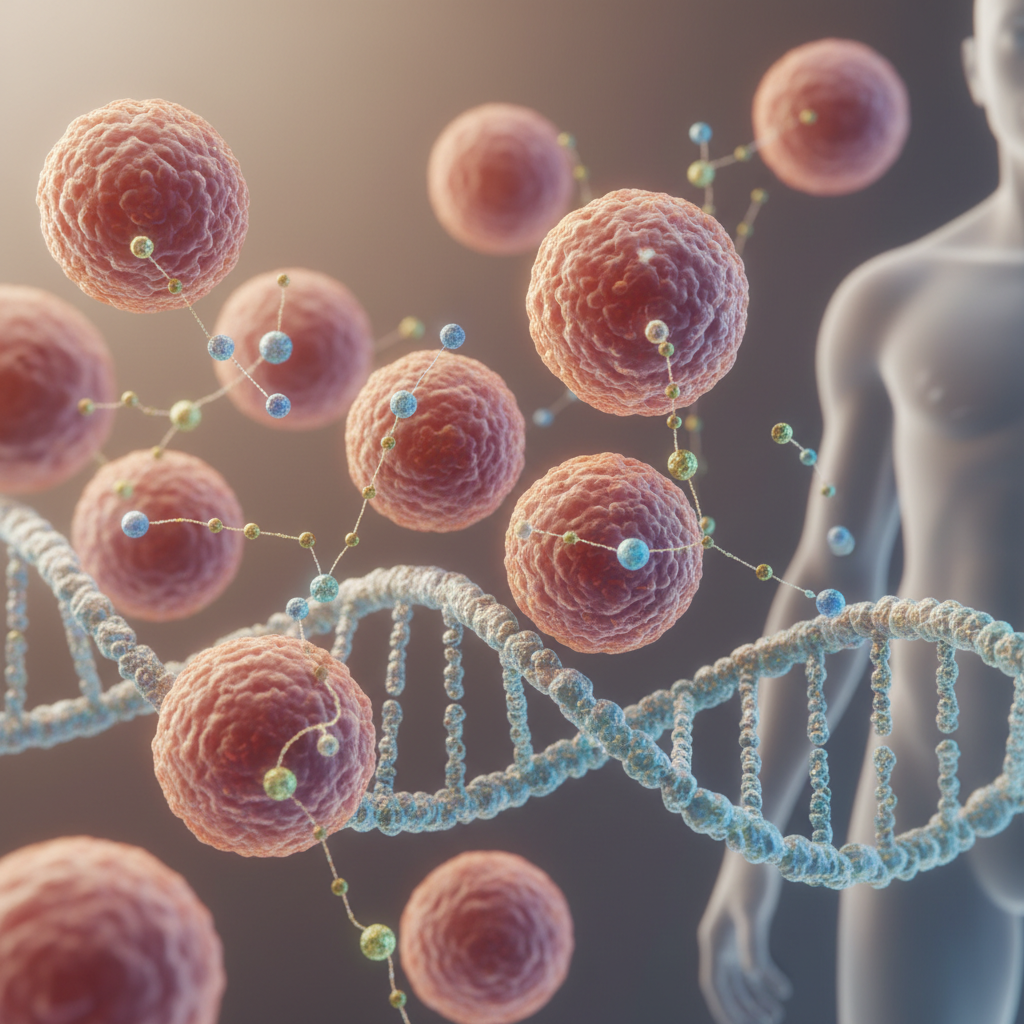
Navigating a cancer diagnosis for someone you love is an immense challenge, often filled with questions about the best treatment path forward. Targeted therapy for cancer represents a significant advancement in personalized medicine, focusing on the specific characteristics of a tumor to fight the disease more effectively. This guide is designed to help caregivers understand how this innovative treatment, powered by biomarker testing, works.
Key takeaways
- Targeted therapy specifically attacks cancer cells by focusing on their unique molecular vulnerabilities, often sparing healthy cells more than traditional chemotherapy [1].
- Biomarker testing, also known as genomic tumor profiling, identifies these specific genetic mutations or protein changes in a tumor [1, 6].
- Your care team uses biomarker test results to determine if a patient's cancer is likely to respond to a particular targeted therapy [3].
- Many different types of cancer, including lung, breast, colorectal, and melanoma, can benefit from targeted therapies when specific biomarkers are present [2, 7].
- While generally having fewer severe side effects than chemotherapy, targeted therapies can still cause side effects, which your care team will help manage [3].
Understanding Targeted Therapy for Cancer
Imagine traditional chemotherapy as a widespread lawnmower, cutting down all cells – good and bad – in its path to fight cancer. While effective, this broad approach can lead to significant side effects because it harms healthy cells too. Now, picture targeted therapy for cancer as a precise surgical laser, specifically identifying and neutralizing only the abnormal, cancerous cells [1, 4]. This is the fundamental difference.
What is Targeted Therapy?
Targeted therapy is a type of cancer treatment that zeroes in on specific molecules (often proteins) that cancer cells need to grow, divide, and spread [1, 5]. These treatments are designed to interfere with these specific targets, disrupting the cancer cell's ability to survive without significantly harming healthy cells. This precision is why it's a cornerstone of what's called 'precision medicine' [1, 10].
How is it Different from Chemotherapy?
Chemotherapy drugs typically kill fast-growing cells throughout the body, including healthy ones like hair follicle cells or blood-forming cells in the bone marrow, leading to common side effects like hair loss and fatigue [9]. Targeted therapy, on the other hand, is much more selective. It targets specific pathways or characteristics unique to cancer cells, making it a more focused approach [12]. This often translates to a different, and sometimes more manageable, set of side effects [3]. For a deeper dive into these differences, you might find our article Immunotherapy vs Chemotherapy: Understanding the Differences in Cancer Treatment helpful.
The Role of Biomarker Testing
So, how do doctors know which 'laser' to use? This is where biomarker testing comes in. It's the critical first step to determine if targeted therapy is an option for your loved one.
What are Biomarkers?
Biomarkers are unique molecular features, such as specific genes, proteins, or other substances, that are produced by the tumor itself or by the body in response to cancer [6]. Think of them as molecular fingerprints that tell us a lot about the cancer's identity and behavior. These biomarkers can be genetic mutations, gene fusions, or protein overexpression, for example.
The Process of Genomic Tumor Profiling
Genomic tumor profiling, or biomarker testing, involves analyzing a sample of the patient's tumor tissue, or sometimes a blood sample, to look for these specific biomarkers [1, 6]. This analysis can reveal which genetic changes or protein abnormalities are driving the cancer's growth. The results then guide oncologists in selecting the most appropriate targeted therapy [3].

Unlocking Treatment Options: Common Biomarkers and Therapies
Identifying specific biomarkers is like finding the unique key that unlocks a particular targeted therapy. Many different biomarkers have been identified, and research continues to uncover more.
Common Biomarkers and Associated Cancers
Several well-known biomarkers are now routinely tested for in various cancers. For instance, EGFR (epidermal growth factor receptor) mutations are often found in non-small cell lung cancer, and drugs targeting EGFR can be highly effective for patients with these mutations. Similarly, ALK (anaplastic lymphoma kinase) gene rearrangements are another important biomarker in lung cancer [2]. In breast cancer, HER2 (human epidermal growth factor receptor 2) overexpression is a key biomarker that dictates the use of HER2-targeted therapies [7].
How EGFR and ALK Mutations Inform Treatment
When tests show an EGFR mutation or an ALK gene rearrangement, it signals to the medical team that specific targeted drugs designed to block the activity of these altered proteins are likely to work [2]. These drugs prevent the cancer cells from receiving the signals they need to grow and divide, effectively halting their progression. This level of specificity is what makes targeted therapy so revolutionary in Orange County and beyond.
Emerging Biomarkers and Clinical Trials
The field of targeted therapy is rapidly evolving. Researchers are constantly discovering new biomarkers and developing new drugs to target them [6]. If your loved one's cancer doesn't have a known actionable biomarker, or if previous targeted therapies stop working, asking about participation in clinical trials in areas like Newport Beach might be a valuable option. You can learn more about these opportunities at our [/clinical-trials] page.
Navigating Treatment: Side Effects and Management
While generally better tolerated than traditional chemotherapy, targeted therapies are not without side effects. Knowing what to expect and how to manage them is crucial for caregivers.
Understanding Potential Side Effects
The side effects of targeted therapy can vary widely depending on the specific drug and the molecular target [3]. Common side effects might include skin rashes, diarrhea, fatigue, high blood pressure, or liver problems. Unlike chemotherapy's impact on rapidly dividing cells, targeted therapy side effects often relate to the specific pathways being blocked, which can also exist in healthy cells to a lesser extent [8].
Working with the Care Team to Manage Side Effects
Your medical team will closely monitor your loved one for any side effects and provide strategies for management. This might involve adjusting the drug dosage, prescribing additional medications to alleviate symptoms, or suggesting lifestyle changes [3]. Open communication with the care team is essential to ensure comfort and treatment adherence. Remember, you can always use our free Ask the Assistant chat, available 24/7 on the bottom right of your screen, for instant answers or to connect with live OC specialists when you need help understanding these details.
The Future of Precision Medicine
Targeted therapy is at the forefront of personalized cancer care, continually evolving to offer more precise and effective treatments. This progress reflects a broader shift towards understanding cancer at a molecular level.
Advancements in Targeted Therapy
Breakthroughs in genomic sequencing and molecular biology are accelerating the discovery of new targets and the development of innovative drugs [6]. What was once considered a single disease, like lung cancer, is now understood to be many different diseases, each with its own unique molecular profile that can be matched to a specific targeted therapy [2]. This personalized approach is leading to improved outcomes for many patients.
The Promise of Personalized Cancer Care
Precision medicine, with targeted therapy at its core, aims to tailor treatment strategies based on an individual's genetic makeup and the unique characteristics of their tumor [10]. This not only improves efficacy but also minimizes unnecessary toxicity, leading to a better quality of life during treatment. For caregivers in Orange County, this means more hopeful and individualized treatment plans for their loved ones. If you are considering options, we can help you [/find-specialist] who is an expert in these advanced therapies.
Targeted Therapy vs. Immunotherapy: A Quick Comparison
It's easy to confuse targeted therapy with immunotherapy, as both are advanced, often personalized treatments. However, they work in fundamentally different ways.
| Feature | Targeted Therapy | Immunotherapy |
|---|---|---|
| Mechanism | Directly attacks cancer cells by blocking specific pathways or proteins unique to the tumor [1, 5]. | Boosts the body's own immune system to recognize and fight cancer cells [10]. |
| Focus | Cancer cell characteristics (e.g., specific gene mutations, protein overexpression) [6]. | The patient's immune system, empowering it to act against cancer [10]. |
| Eligibility | Depends on the presence of specific biomarkers in the tumor, identified through testing [3]. | Depends on immune system compatibility and specific tumor characteristics (e.g., PD-L1 expression) [10]. |
| Examples | EGFR inhibitors, HER2 blockers, ALK inhibitors [2, 7]. | Checkpoint inhibitors (e.g., pembrolizumab, nivolumab), CAR T-cell therapy [10]. |
| Side Effects | Often related to specific target (e.g., rash, diarrhea, high blood pressure) [3]. | Often immune-related (e.g., inflammation of organs, fatigue, flu-like symptoms) [10]. |
 While both represent significant advances in cancer treatment, they harness different biological mechanisms. Sometimes, they can even be used together to achieve better results. To explore immunotherapy in more detail, read our article Understanding Immunotherapy for Cancer: Harnessing Your Body's Defenses.
Frequently asked questions
Is targeted therapy suitable for all cancers?
No, targeted therapy is not suitable for all cancers. Its effectiveness depends entirely on whether the patient's tumor has specific biomarkers that can be targeted by available drugs [3]. Comprehensive biomarker testing is crucial to determine eligibility.
How long does biomarker testing take to get results?
The time for biomarker test results can vary, typically ranging from one to three weeks, depending on the type of test performed and the lab. Your oncology team will provide a more precise timeline for your loved one's specific situation.
Can targeted therapy be used with other treatments?
Yes, targeted therapy can often be used in combination with other treatments like chemotherapy, radiation therapy, or surgery [4]. Your medical team will develop a personalized treatment plan that may incorporate multiple approaches for the best outcome.
Are there oral targeted therapy options?
Many targeted therapies are available as oral medications, meaning they can be taken as pills at home [8]. This can offer greater convenience for patients, though it still requires careful monitoring and adherence to the prescribed schedule.
What if my loved one's cancer doesn't have an actionable biomarker?
If biomarker testing doesn't reveal an actionable target, it doesn't mean there are no treatment options. Your loved one's care team will explore other standard treatments like chemotherapy, immunotherapy, radiation, or surgery. They might also recommend considering participation in clinical trials that are researching new targets or therapies. Obtaining a [/second-opinion] is always a good option to explore all possibilities.
How often is biomarker testing performed?
Biomarker testing is typically performed at diagnosis, especially for certain cancer types where targeted therapies are common, such as lung cancer or melanoma. It may also be re-evaluated if the cancer recurs or stops responding to initial treatments, as the tumor's genetic profile can change over time [6].
When to call your care team
As a caregiver, you are an essential part of your loved one's support system. Always contact the care team if you observe any concerning changes:
- New or worsening side effects, even if they seem minor.
- Fever of 100.4°F (38°C) or higher.
- Significant increase in pain or discomfort.
- Unexplained bleeding or bruising.
- Signs of infection, such as redness, swelling, or discharge.
- Any difficulty breathing, chest pain, or sudden weakness.
- Persistent nausea, vomiting, or diarrhea that prevents eating or drinking.
- Any changes in mental status or level of consciousness.
How Cancer Answers OC can help
At Cancer Answers OC, we understand the complexities you face as a caregiver in Orange County. Our mission is to provide you with clear, accurate, and supportive information to help you navigate your loved one's cancer journey. We offer a wealth of articles and resources, covering topics from Understanding Lymphoma Treatment Options in Mission Viejo: A Caregiver's Guide to general support.
Our team is dedicated to empowering you with knowledge, ensuring you feel confident in asking questions and advocating for the best care. If you have questions about targeted therapy, biomarker testing, or need support, don't hesitate to reach out. You can also utilize our free Ask the Assistant chat, located in the bottom-right corner of your screen, for instant answers or to connect with live Orange County specialists when needed. We are here to help you every step of the way. Visit our [/contact] page to learn more about how we can support you.
Sources
- Targeted Therapy to Treat Cancer – National Cancer Institute.
- Targeted Therapy Drug List by Cancer Type – National Cancer Institute.
- Targeted cancer therapies: Clinical pearls for primary care – PMC.
- Targeted cancer therapy – Are the days of systemic chemotherapy ... – PMC.
- Definition of targeted therapy – NCI Dictionary of Cancer Terms.
- Molecular targeted therapy for anticancer treatment – PMC.
- Targeted Therapy | Breast Cancer Treatment – National Cancer Institute.
- Oral targeted therapy for cancer – PMC.
- Targeted Therapy – American Cancer Society.
- Targeted Therapy vs. Immunotherapy for Cancer – Mass General Brigham.
- Targeted Therapy – Winship Cancer Institute of Emory University.
- Targeted therapy – Cancer Institute | Northwell Health.