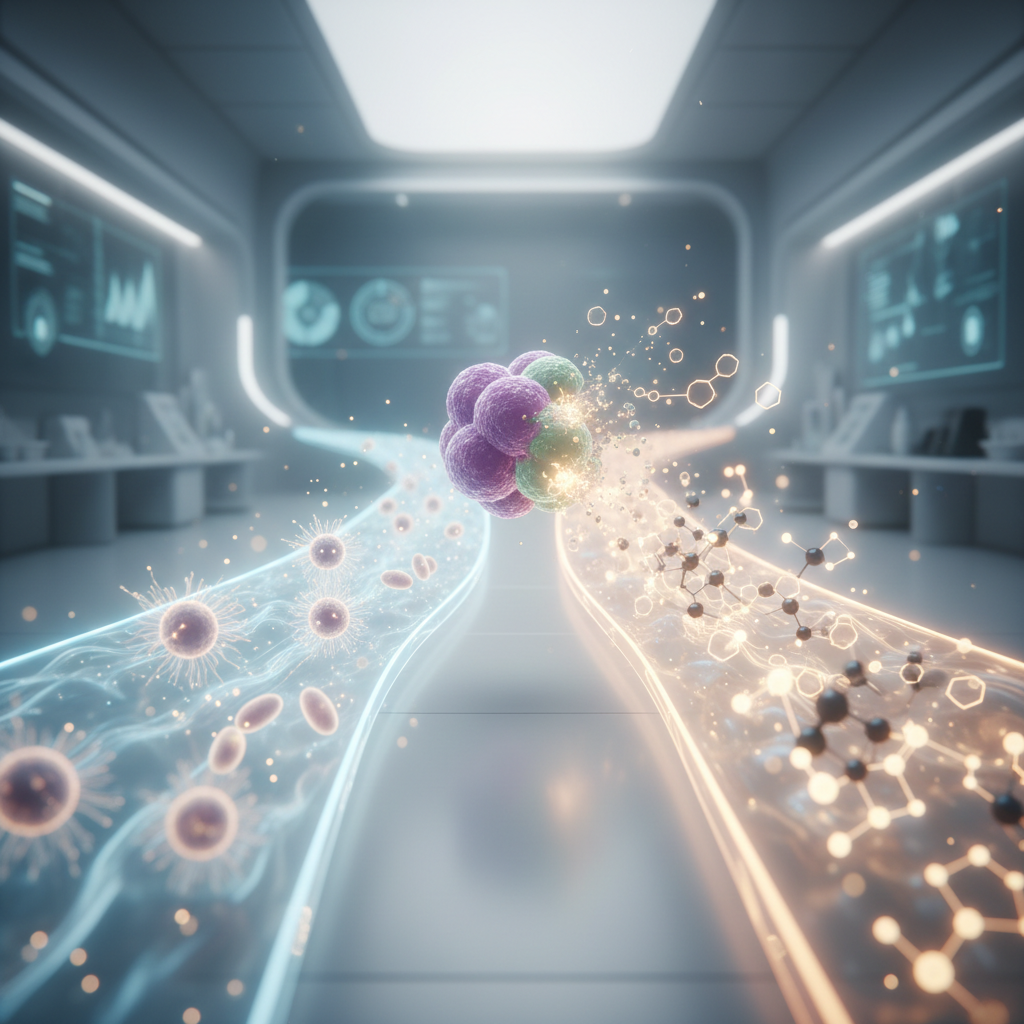
When facing a cancer diagnosis, understanding your treatment options is crucial. This article delves into the core differences between immunotherapy vs chemotherapy, two powerful approaches that fight cancer in distinct ways. We'll explore how they work, their unique side effect profiles, and who might benefit most from each, helping you navigate these complex choices with clarity.
Key takeaways
- Immunotherapy harnesses your body's immune system to identify and destroy cancer cells.
- Chemotherapy uses potent drugs to directly kill rapidly dividing cells, including cancer cells.
- Both treatments have distinct mechanisms, eligibility criteria, and side effect profiles.
- Often, these therapies are used in combination or sequence to maximize effectiveness.
- Deciding between or combining therapies requires careful discussion with your Orange County oncology team.
Understanding the Core Differences: Immunotherapy vs Chemotherapy
Many people hear the words "chemotherapy" and "immunotherapy" and assume they are similar. While both are powerful tools in the fight against cancer, they operate on fundamentally different principles [1]. Imagine chemotherapy as a direct assault on enemy lines, while immunotherapy is like training your own special forces to recognize and eliminate the threat more effectively [5]. This distinction is critical for understanding why one might be chosen over the other, or why they are sometimes combined.
How Chemotherapy Works
Chemotherapy, often simply called "chemo," has been a cornerstone of cancer treatment for decades. It works by using strong chemicals to kill fast-growing cells in the body [8]. Since cancer cells typically divide much more rapidly than healthy cells, chemotherapy drugs are designed to be more damaging to them. These drugs travel throughout the bloodstream, reaching cancer cells in various parts of the body [5].
Chemotherapy can be given in many ways, including intravenously (through a vein), orally (as a pill), or even directly into a specific body cavity [8]. It aims to shrink tumors, prevent cancer from spreading, relieve symptoms, or sometimes cure the cancer altogether. However, because chemotherapy cannot perfectly distinguish between cancerous and healthy rapidly dividing cells, it can lead to a range of side effects.
How Immunotherapy Works
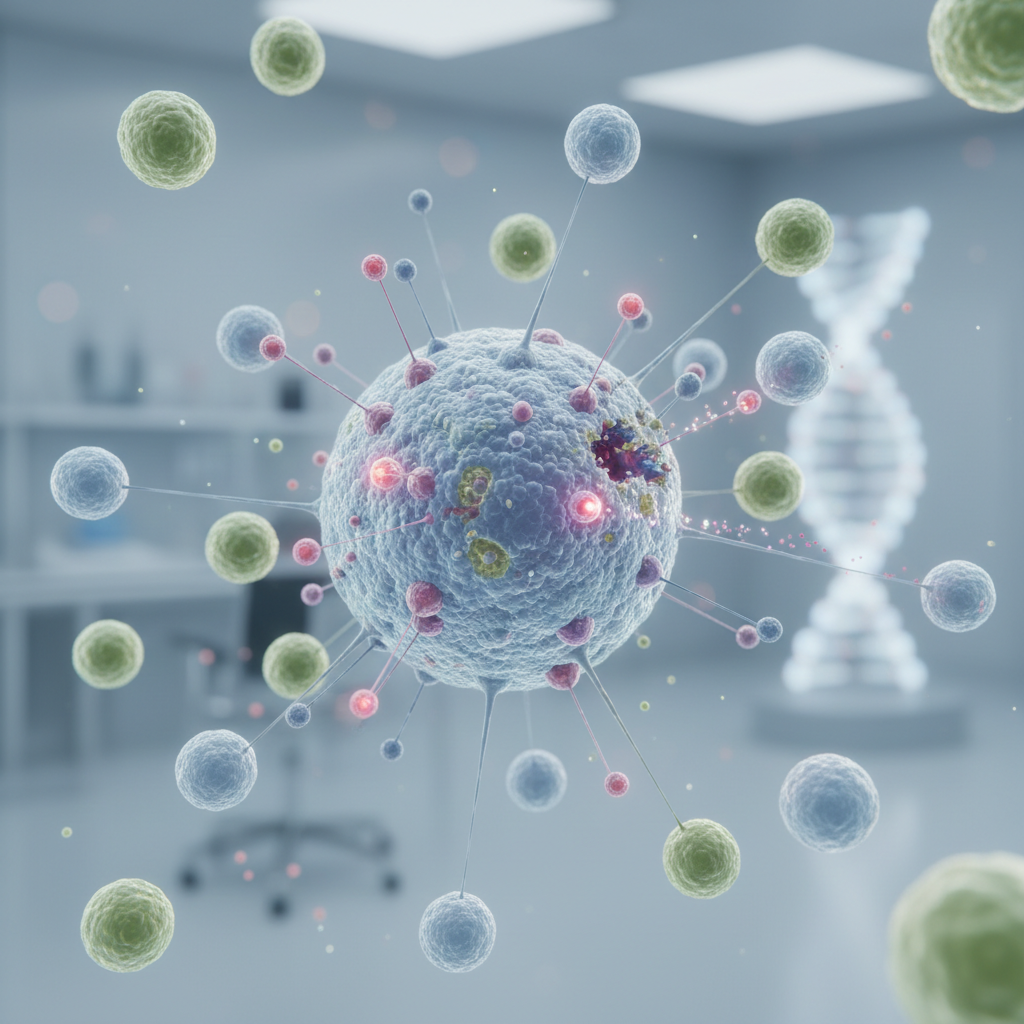
Immunotherapy, on the other hand, takes a different approach. Instead of directly attacking cancer cells, it stimulates or restores your body's natural immune system to recognize and fight cancer more effectively [1]. Your immune system is constantly on patrol, identifying and destroying abnormal cells. Cancer cells, however, can sometimes find ways to hide from or suppress this immune response [7].
Immunotherapy drugs work to overcome these evasion tactics. For instance, some immunotherapies, known as checkpoint inhibitors, block proteins that cancer cells use to "turn off" immune cells [3]. By doing so, they unleash the immune system to launch a more robust attack against the cancer. Other forms include cancer vaccines, which train the immune system to recognize specific cancer-related proteins, and adoptive cell therapies, where a patient's own immune cells are modified to better fight their cancer [1].
Types of Immunotherapy and Chemotherapy
Both immunotherapy and chemotherapy encompass a variety of drugs and treatment strategies. The specific type chosen depends on many factors, including the type of cancer, its stage, and your overall health.
Common Immunotherapy Approaches
- Checkpoint Inhibitors: These are the most common type of immunotherapy. They block immune checkpoints like PD-1, PD-L1, or CTLA-4, which cancer cells often exploit to evade immune detection [3]. By blocking these checkpoints, the immune system's T-cells are reactivated to attack the cancer. These have shown remarkable success in various cancers, including melanoma, lung cancer, and kidney cancer.
- Monoclonal Antibodies: These lab-made proteins can attach to specific targets on cancer cells or immune cells, either directly killing cancer cells, blocking their growth, or marking them for immune destruction. Some also carry chemotherapy drugs or radiation directly to cancer cells.
- CAR T-cell Therapy: This advanced therapy involves taking a patient's own T-cells, genetically modifying them in a lab to better recognize and kill cancer cells, and then infusing them back into the patient. It's primarily used for certain blood cancers. You can learn more about advanced therapies like this in articles such as Understanding Immunotherapy for Cancer: Harnessing Your Body's Defenses.
Common Chemotherapy Agents
- Alkylating Agents: These drugs damage the DNA of cancer cells, preventing them from reproducing. Examples include cyclophosphamide and carboplatin.
- Antimetabolites: These interfere with the DNA and RNA production of cancer cells, effectively stopping their growth. Methotrexate and 5-fluorouracil are common examples.
- Plant Alkaloids: Derived from plants, these drugs interfere with cell division. Paclitaxel and vinblastine are widely used.
- Antitumor Antibiotics: These drugs, not to be confused with antibiotics for infections, interfere with DNA replication. Doxorubicin is a frequently used example.
Side Effects and Patient Experience
While both treatments aim to eliminate cancer, their mechanisms lead to very different side effect profiles. Understanding these can help you anticipate what to expect during your treatment journey.
Chemotherapy Side Effects
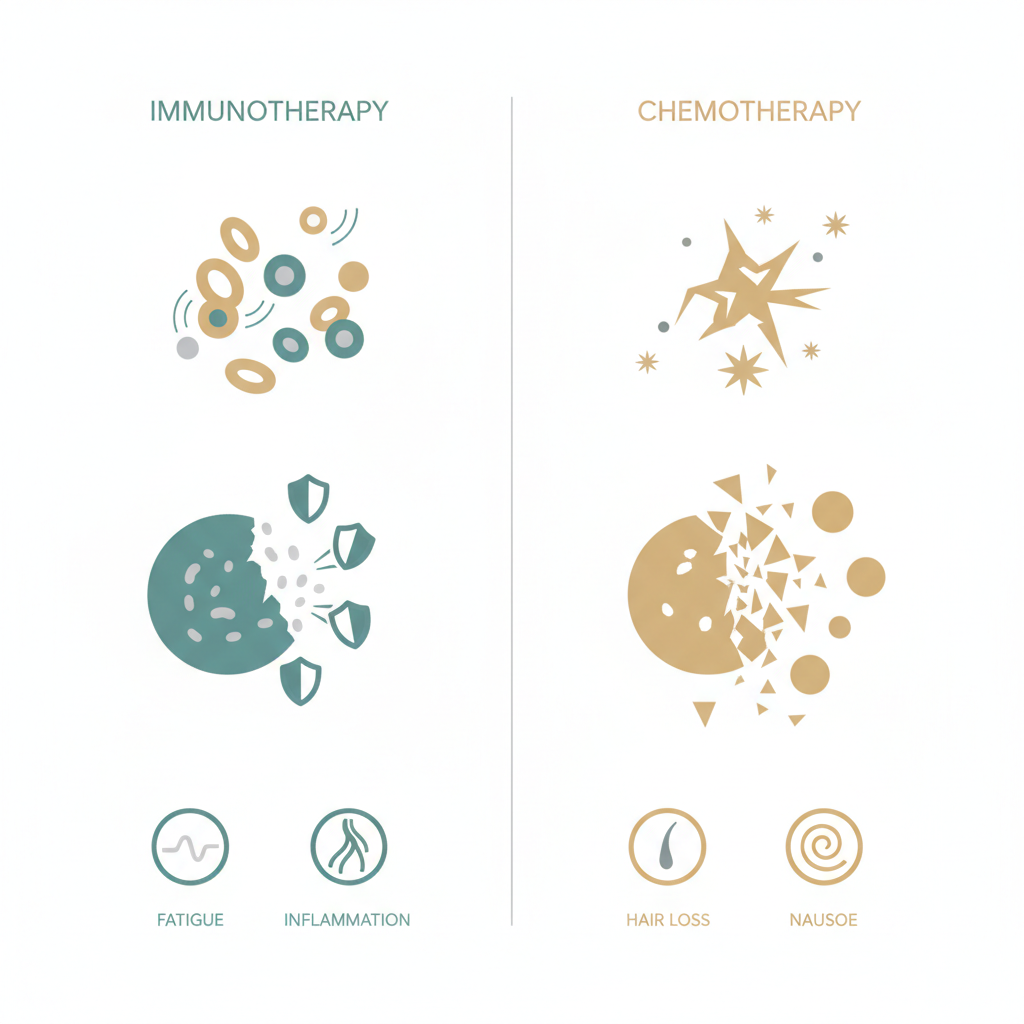
Because chemotherapy targets all rapidly dividing cells, healthy cells in areas like hair follicles, the bone marrow (where blood cells are made), and the lining of the digestive tract are often affected. This leads to common side effects such as:
- Nausea and vomiting
- Hair loss
- Fatigue
- Mouth sores
- Increased risk of infection (due to low white blood cell count)
- Anemia (low red blood cell count)
- Easy bruising or bleeding (low platelet count)
- Neuropathy (nerve damage), which can cause numbness or tingling [5]
Many of these side effects are temporary and often improve once treatment stops. Your care team in Orange County will provide medications and strategies to manage these symptoms effectively.
Immunotherapy Side Effects
Immunotherapy side effects, often called "immune-related adverse events" (irAEs), stem from an overactive immune system [6]. Your immune system, now supercharged, might mistakenly attack healthy organs and tissues. These can affect almost any organ system, but commonly include:
- Skin rashes and itching
- Fatigue (can be severe)
- Diarrhea or colitis (inflammation of the colon)
- Inflammation of the thyroid, liver, or other glands
- Pneumonitis (lung inflammation)
- Arthritis-like joint pain
These side effects can sometimes be subtle and mimic other conditions, making early detection and management crucial [6]. If you're undergoing immunotherapy, it's vital to report any new or unusual symptoms to your care team promptly. For a deeper dive into the specifics of various treatments, consider exploring resources like our article on Navigating Melanoma Treatment Options in Irvine: A Caregiver's Guide.
Eligibility and Treatment Combinations
Not every cancer responds to every treatment, and not every patient is a candidate for all available therapies. Your oncology team will carefully evaluate your specific situation to recommend the most appropriate plan.
Who Qualifies for Immunotherapy?
Immunotherapy is a relatively newer treatment compared to chemotherapy, and its application continues to expand. It is often most effective for specific cancer types that are known to respond well to immune activation [7]. These include:
- Melanoma
- Lung cancer (non-small cell lung cancer)
- Kidney cancer
- Bladder cancer
- Head and neck cancers
- Certain lymphomas and gastrointestinal cancers [9]
Eligibility also depends on specific biomarkers found in your tumor, such as PD-L1 expression or microsatellite instability (MSI-H) [3]. These markers indicate that the cancer is more likely to respond to immunotherapy. Your overall health and the presence of autoimmune diseases are also important considerations.
Who Qualifies for Chemotherapy?
Chemotherapy remains a broad-spectrum treatment for many cancer types. It is often a first-line treatment for various solid tumors and blood cancers [8]. It can be used alone, before surgery (neoadjuvant), after surgery (adjuvant), or with radiation therapy.
Eligibility largely depends on the cancer type and stage, as well as the patient's ability to tolerate the treatment. Factors like kidney function, liver function, and heart health are carefully assessed, as chemotherapy drugs can impact these organs. For example, our article on Navigating Pancreatic Cancer Surgery: Your Essential Questions in Newport Beach might discuss chemotherapy as a neoadjuvant or adjuvant therapy.
Combination Therapy: Immunotherapy and Chemotherapy Together
Increasingly, oncologists are finding that combining immunotherapy with chemotherapy can be more effective than either treatment alone [4]. This approach, known as chemo-immunotherapy, leverages the strengths of both therapies. Chemotherapy can reduce tumor bulk, potentially exposing more cancer cell targets for the immune system, while immunotherapy can boost the immune response to these newly exposed targets.
This strategy has shown promise in several cancer types, including lung cancer, breast cancer, and some gastrointestinal cancers. The combination can sometimes lead to different or more pronounced side effects, which your care team will monitor closely. For any questions about combination therapies, you can use the free Ask the Assistant chat feature on our website; it's available 24/7 for instant, private answers, with live OC specialists ready to help when needed.
Key Considerations for Treatment Decisions
Choosing the right treatment path is a complex process that involves many discussions with your medical team. It's not a matter of whether immunotherapy is "better" than chemotherapy; rather, it's about what is best for your unique cancer and your personal circumstances.
Personalized Treatment Plans
Cancer treatment today is highly personalized. Your oncologist will consider a multitude of factors, including:
- Cancer Type and Stage: Different cancers respond differently to treatments. Early-stage cancers might be treated differently than advanced or metastatic cancers.
- Molecular and Genetic Markers: Biomarker testing of your tumor can reveal specific mutations or proteins that make certain treatments, especially targeted therapies or immunotherapies, more likely to succeed.
- Overall Health and Co-existing Conditions: Your age, kidney and liver function, heart health, and any autoimmune diseases will influence treatment choices and dosage.
- Patient Preferences: Your values, priorities, and what you hope to achieve from treatment are crucial parts of the decision-making process. Don't hesitate to voice your concerns or ask for a /second-opinion.
Understanding the Treatment Timeline
The duration and frequency of chemotherapy and immunotherapy cycles can vary significantly. Chemotherapy often involves cycles of treatment followed by rest periods, lasting several months. Immunotherapy can be given for longer periods, sometimes years, if it is well-tolerated and effective. Understanding the commitment involved is important for planning your life around treatment.
| Feature | Immunotherapy | Chemotherapy | | :------------------ | :----------------------------------------------- | :------------------------------------------------ |n| Mechanism | Boosts immune system to fight cancer | Directly kills rapidly dividing cells | | Target | Immune system, cancer cell markers | All fast-growing cells | | Side Effects | Immune-related (inflammation, autoimmune-like) | Systemic (fatigue, nausea, hair loss, infection) | | Onset of Action | Can be slower, sometimes takes time to activate | Often quicker, immediate cell damage | | Duration | Often long-term (months to years) if effective | Cycles (weeks to months), then often stops | | Eligibility | Specific cancer types, biomarkers, immune status | Broad range of cancers, patient tolerance |
Future Directions in Cancer Treatment
The fields of oncology, immunology, and molecular biology are constantly evolving, leading to exciting new therapies and approaches. Researchers in Orange County and worldwide are continually working to improve the efficacy and reduce the toxicity of cancer treatments.
Emerging Therapies
Beyond traditional chemotherapy and current immunotherapies, a new generation of treatments is on the horizon. These include advancements in targeted therapies, which specifically attack weaknesses in cancer cells without harming normal cells as much, and further refinements in cellular therapies like CAR T-cell therapy.
Clinical trials are at the forefront of this progress, offering patients access to cutting-edge treatments before they are widely available. If you're interested in exploring these options, discuss them with your oncologist or visit our /clinical-trials page.
The Role of Precision Medicine
Precision medicine is transforming cancer care by tailoring treatments based on the unique genetic makeup of a patient's tumor. This approach allows oncologists to select therapies that are most likely to be effective, minimizing trial and error and potentially reducing side effects. As genetic sequencing becomes more accessible, precision medicine will play an even larger role in guiding treatment decisions, including the choice between or combination of immunotherapy and chemotherapy.
Frequently asked questions
What is the main difference between immunotherapy and chemotherapy?
The main difference lies in their mechanism of action. Chemotherapy directly attacks and kills rapidly dividing cells, including cancer cells, while immunotherapy works by stimulating your body's own immune system to recognize and fight cancer [1]. Think of it as a direct assault versus leveraging your body's natural defenses.
Is immunotherapy better than chemotherapy?
It's not a matter of one being inherently "better" than the other; rather, it's about which treatment or combination is most effective for a specific cancer and individual patient. Some cancers respond well to chemotherapy, others to immunotherapy, and many benefit from a combination of both [4]. Your oncologist will determine the best course based on your unique situation.
Can I receive both immunotherapy and chemotherapy?
Yes, combining immunotherapy and chemotherapy, or using them sequentially, is a common and often effective strategy [4]. This approach can sometimes yield better outcomes than either treatment alone by attacking cancer from multiple angles. Your care team will carefully manage any potential increased side effects.
What are the typical side effects of immunotherapy?
Immunotherapy side effects, known as immune-related adverse events (irAEs), result from an overactive immune system. They can include fatigue, skin rashes, diarrhea, or inflammation of various organs like the thyroid or lungs [6]. These are different from chemotherapy side effects and require specific management strategies.
How long does immunotherapy treatment last?
The duration of immunotherapy varies widely. For some cancers, it might be given for several months, while for others, it can continue for years as long as it's effective and well-tolerated [3]. Your oncology team will establish a treatment schedule tailored to your specific needs.
Who is eligible for immunotherapy?
Eligibility for immunotherapy depends on the type and stage of cancer, specific tumor biomarkers (like PD-L1 expression), and your overall health [7]. Not all cancers respond to immunotherapy, and certain health conditions, such as autoimmune diseases, may influence whether it's a suitable option for you.
When to call your care team
It's crucial to stay in close communication with your healthcare providers throughout your cancer treatment. Call your care team immediately if you experience any of the following:
- Fever of 100.4°F (38°C) or higher, or chills, as this could indicate an infection.
- New or worsening shortness of breath, cough, or chest pain.
- Severe nausea, vomiting, or diarrhea that prevents you from eating or drinking.
- New or worsening rash, itching, or skin blistering.
- Unusual bleeding or bruising.
- Severe fatigue or weakness that impacts your daily activities.
- Any new or severe pain.
- Changes in your vision, severe headaches, or confusion.
- Swelling in your legs, ankles, or hands.
How Cancer Answers OC can help
Navigating a cancer diagnosis and understanding complex treatment options like immunotherapy vs chemotherapy can feel overwhelming. At Cancer Answers OC, we are committed to providing clear, compassionate, and evidence-based information to patients and their families in Orange County. Our goal is to empower you with knowledge so you can make informed decisions in collaboration with your care team.
We offer a wealth of articles, resources, and access to specialists who can answer your questions. Don't hesitate to reach out to a specialist or seek a /second-opinion to ensure your treatment plan aligns perfectly with your needs. Remember, you're not alone on this journey. For quick, private answers to your questions, try our free Ask the Assistant chat, available 24/7. It offers instant support and can connect you with live OC specialists when needed.
Sources
- Immunotherapy and Chemotherapy: What's the Difference? — Cancer Research Institute.
- Which treatment is right for you, chemotherapy or immunotherapy? — Comprehensive Hematology & Oncology.
- Immunotherapy vs. Chemotherapy: What's the Difference? — City of Hope.
- Chemo-Immunotherapy: A New Trend in Cancer Treatment - PMC — National Center for Biotechnology Information.
- Difference Between Immunotherapy and Chemotherapy: A Guide to Cancer Treatment — HOncology.
- Immunotherapy vs. Chemotherapy Explained - Ask Mayo Clinic Health System — Mayo Clinic Health System.
- Targeted Therapy vs. Immunotherapy for Cancer — Mass General Brigham.
- Chemotherapy vs. Immunotherapy: Key Differences — Astera Cancer Care.
- Immunotherapy vs. Chemotherapy: Differences, Side Effects, and More — GoodRx.