
Undergoing chemotherapy can bring a host of challenging side effects, often making eating a struggle. This guide offers practical, patient-friendly advice on what to eat during chemotherapy to help you navigate these challenges, manage symptoms, and maintain your strength throughout treatment.
Good nutrition is a cornerstone of your care during this time, helping your body heal and tolerate treatments better. Understanding what to eat during chemotherapy can empower you to make choices that genuinely support your well-being.
Key takeaways
- Prioritize protein and calories to maintain strength and prevent muscle loss.
- Address specific side effects like nausea, mouth sores, and taste changes with targeted food choices.
- Stay well-hydrated with water and other soothing liquids.
- Practice meticulous food safety due to a weakened immune system.
- Work closely with a registered dietitian for personalized guidance tailored to your unique needs.
Why Nutrition is Crucial During Chemotherapy
Facing cancer treatment can feel like an uphill battle, and chemotherapy is a powerful weapon in that fight. However, it can also bring significant challenges to your daily life, especially when it comes to eating [1]. You might wonder, "Why does what I eat matter so much right now?"
Fueling Your Body's Fight
Your body is working incredibly hard during chemotherapy. It's not just fighting cancer cells; it's also repairing healthy cells damaged by treatment, rebuilding tissues, and maintaining your energy levels [2]. Think of food as the essential fuel your body needs to endure this intense period. Proper nutrition helps you maintain your strength, supports your immune system, and can even help your body tolerate treatments better [6]. Without adequate fuel, your body can become weakened, making recovery more difficult.
Managing Treatment Side Effects
One of the biggest concerns for patients is how chemotherapy affects their appetite and ability to eat. Side effects like nausea, vomiting, mouth sores, taste changes, and fatigue are common and can make eating unappealing or difficult [5]. The right food choices can often help mitigate these symptoms, making you more comfortable and ensuring you still get vital nutrients. For instance, certain foods can calm an upset stomach, while others are gentle on a sore mouth.
Preventing Weight Loss and Malnutrition
Unintended weight loss and malnutrition are significant risks during cancer treatment, impacting up to 80% of cancer patients [7]. Losing weight, especially muscle mass, can weaken your body, increase fatigue, and even delay or interrupt your treatment schedule [7]. Maintaining a healthy weight and ensuring adequate nutrient intake are key goals. A balanced diet helps preserve muscle and fat stores, providing your body with the reserves it needs to heal and recover.
Understanding Chemotherapy's Impact on Eating
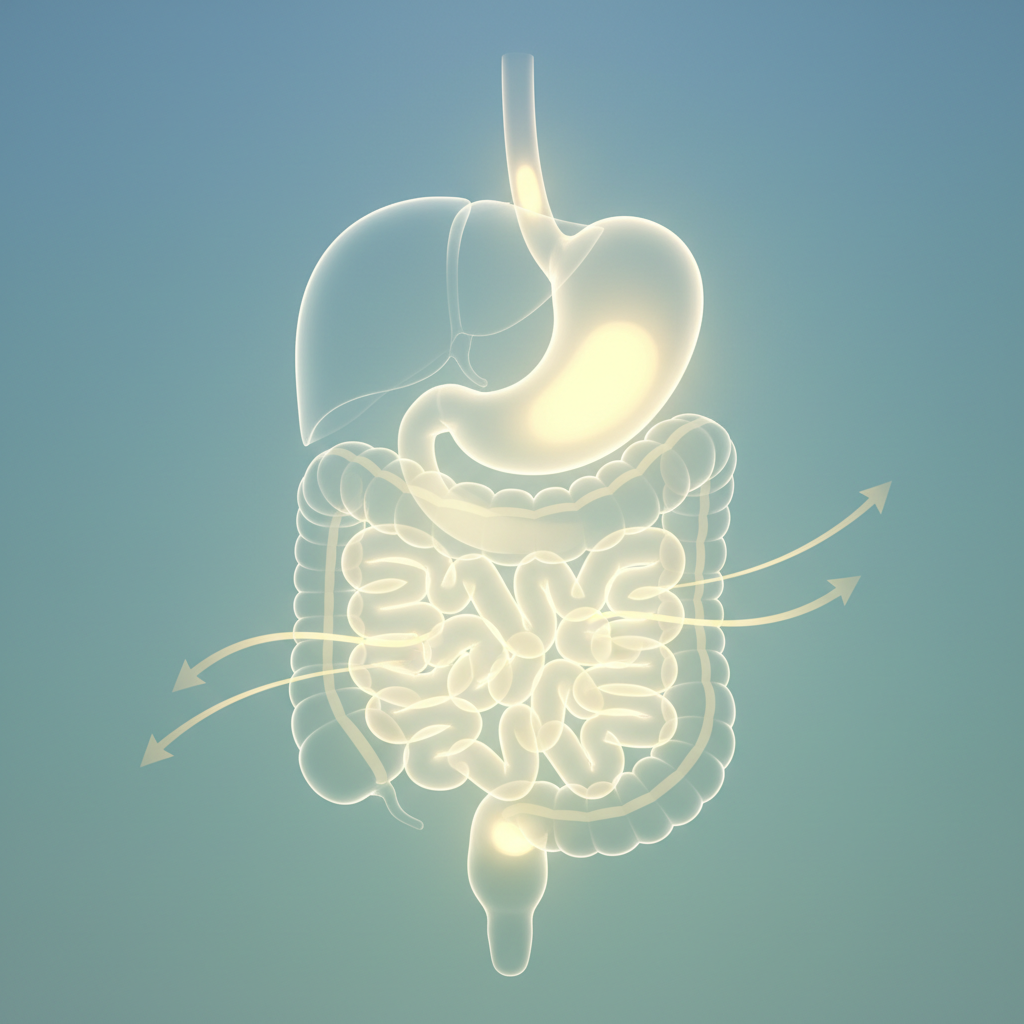
Chemotherapy drugs are designed to target rapidly dividing cells, which include cancer cells. Unfortunately, they can also affect healthy cells that divide quickly, such as those lining your mouth, stomach, and intestines [1]. This is why many eating-related side effects occur.
Common Side Effects Affecting Your Diet
Different chemotherapy drugs can cause different side effects, and each person's experience is unique. However, some common issues directly impact your ability to eat and enjoy food:
- Nausea and Vomiting: Often one of the most dreaded side effects, it can make the thought of food unbearable [11].
- Taste Changes: Foods might taste bland, bitter, metallic, or simply 'off' [1]. This can make once-favorite dishes unappetizing.
- Mouth Sores (Mucositis): Painful sores in the mouth and throat can make chewing and swallowing incredibly uncomfortable [5].
- Loss of Appetite: You might simply not feel hungry, or feel full very quickly [5].
- Fatigue: Low energy levels can make preparing food or even eating a full meal feel like a monumental task [5].
- Constipation or Diarrhea: Bowel changes can add to discomfort and affect nutrient absorption [5].
Understanding these potential challenges is the first step in addressing them proactively. Your care team, including a registered dietitian, can help you anticipate and manage these changes.
Why a Personalized Approach Matters
Because chemotherapy's effects vary so much, there isn't a one-size-fits-all chemo diet plan [3]. What works for one person might not work for another. That's why working with a registered oncology dietitian, ideally one connected to Cancer Answers OC, is so valuable. They can assess your specific nutritional needs, treatment plan, and side effects to create a personalized eating strategy. This tailored approach ensures you're getting the right nutrients while minimizing discomfort.
What to Eat During Chemotherapy: Foods That Help
Navigating food choices during chemotherapy can feel overwhelming, but focusing on gentle, nutrient-dense options can make a big difference. The goal is to provide your body with the building blocks it needs while being kind to your system [6].
Gentle, Nutrient-Dense Foods
When your appetite is low or you're experiencing side effects, every bite counts. Choose foods that pack a nutritional punch without being harsh on your stomach:
- Soft, easily digestible proteins: Think lean chicken or fish, eggs, tofu, cottage cheese, Greek yogurt, and protein shakes [3, 10]. Protein is vital for repairing tissues and maintaining muscle mass.
- Cooked fruits and vegetables: While raw produce is generally healthy, cooked versions are often easier to digest during treatment. Applesauce, mashed potatoes, well-cooked carrots, and ripe bananas are good choices [1].
- Whole grains (if tolerated): Oatmeal, rice, and pasta can provide energy. If whole grains are too heavy, opt for refined grains like white rice or plain crackers [4].
- Healthy fats: Avocado, olive oil, and nuts/seeds (if mouth sores aren't an issue) can add calories and essential nutrients [1].
Remember, small, frequent meals are often better tolerated than large ones. Aim for 6-8 small meals and snacks throughout the day to keep your energy steady [9].
Addressing Specific Side Effects
Your food choices can be a powerful tool for managing symptoms. Here's a quick guide:
- For Nausea and Vomiting: Try bland foods like crackers, toast, plain rice, and clear broths. Ginger tea or ginger candies can sometimes help [11]. Avoid strong smells, greasy, or very spicy foods. Eating small, frequent meals and avoiding an empty stomach can also be beneficial.
- For Mouth Sores: Opt for soft, moist foods that don't require much chewing. Smoothies, milkshakes, scrambled eggs, mashed potatoes, and pureed soups are excellent choices. Avoid acidic, spicy, or crunchy foods [1]. You can also see an article on Nourishing Recovery: Essential Nutrition for Colorectal Cancer Patients in Fullerton for more soft food ideas.
- For Taste Changes: If food tastes metallic, try using plastic cutlery or adding citrus (like lemon juice) to dishes. Marinating meats can also improve their flavor. If foods taste bland, experiment with different herbs and spices [1]. Cold foods, like yogurt or popsicles, might be more palatable.
- For Loss of Appetite: Eat when you feel best, even if it's not traditional mealtime. Make every bite count by adding extra calories and protein to foods (e.g., cheese on vegetables, protein powder in smoothies). Consider meal replacement drinks [9].
- For Fatigue: Focus on easy-to-prepare meals and keep healthy snacks readily available. Don't feel pressured to cook elaborate meals. Pre-made options or help from family and friends can be invaluable [4].
Foods to Avoid During Chemo
While focusing on what to eat during chemotherapy, it's equally important to know what might exacerbate side effects or pose risks during treatment. Your immune system can be weakened, making you more vulnerable to foodborne illnesses [12].
Foods That Can Worsen Side Effects
Certain foods are best avoided or limited during chemotherapy to minimize discomfort:
- Spicy, acidic, or highly seasoned foods: These can irritate a sore mouth, throat, or sensitive stomach, especially if you have mucositis or heartburn [1].
- Greasy, fried, or high-fat foods: These can be hard to digest and may worsen nausea or cause indigestion [1].
- Very fibrous or gas-producing foods: While healthy, raw vegetables and beans can sometimes cause bloating and gas, which may be uncomfortable during treatment. Cooked, softer vegetables might be better [1].
- Strong-smelling foods: If you're experiencing nausea or smell sensitivity, powerful odors from certain foods can trigger symptoms. Opt for bland, neutral-smelling options.
- Alcohol: Generally, alcohol should be avoided during chemotherapy as it can interact with medications, dehydrate you, and irritate your digestive system [2].
Food Safety During Treatment
With a compromised immune system, food safety becomes paramount. Following these guidelines helps protect you from infections [12]:
- Wash hands thoroughly: Before and after handling food, always wash your hands with soap and warm water for at least 20 seconds.
- Cook food thoroughly: Ensure meats, poultry, and eggs are cooked to their recommended internal temperatures to kill bacteria.
- Avoid raw or undercooked foods: This includes sushi, raw sprouts, unpasteurized dairy products, and undercooked eggs or meats [12].
- Wash fruits and vegetables: Even if you plan to peel them, wash all produce under running water.
- Prevent cross-contamination: Use separate cutting boards and utensils for raw meats and produce. Keep raw meats separate from other foods in your refrigerator.
- Be mindful of leftovers: Refrigerate leftovers promptly and consume them within a day or two. Reheat thoroughly.
These precautions are not meant to scare you, but to empower you with knowledge to stay safe and healthy throughout your treatment. Your Cancer Answers OC care team can provide more specific guidance.
Hydration and Supplementation
Beyond solid foods, what you drink and whether you need supplements are vital components of your nutritional strategy during chemotherapy. Staying hydrated and discussing supplements with your care team are key for your well-being.
The Importance of Staying Hydrated
Dehydration can worsen fatigue, nausea, and other chemotherapy side effects [2]. Aim to drink plenty of fluids throughout the day, even if you don't feel thirsty. Water is always the best choice, but you can also include:
- Clear broths: They provide sodium and other electrolytes.
- Electrolyte-rich drinks: Sports drinks (diluted if too sweet), oral rehydration solutions, or coconut water can help replace lost fluids and minerals.
- Diluted juices or fruit-infused water: If plain water is unappealing.
- Popsicles or ice chips: Can be soothing for mouth sores and help with hydration.
Keep a water bottle handy and sip fluids throughout the day rather than drinking large amounts at once, which can upset your stomach. For more detailed advice on fluids, you might find Essential Nutrition Tips for Leukemia Patients During Chemotherapy helpful.
Discussing Supplements with Your Doctor
It might seem intuitive to reach for vitamins or supplements to boost your health during chemotherapy. However, this is an area where caution is crucial. Many supplements can interfere with chemotherapy drugs, making them less effective or increasing side effects [1].
Always talk to your oncologist or dietitian before taking any new supplement, herbal remedy, or high-dose vitamin. They can advise you on what is safe and truly beneficial for your specific situation. Generally, a balanced diet is the best way to get your nutrients, and supplements are only recommended if there's a diagnosed deficiency.
Practical Tips for Eating Well During Chemo
Eating well during chemotherapy isn't just about choosing the right foods; it's also about developing strategies that make eating easier and more manageable. Life in Orange County often means a busy schedule, so finding convenient ways to nourish yourself is essential.
Making Mealtime Easier
- Eat small, frequent meals: Instead of three large meals, try 5-6 smaller meals or snacks throughout the day. This can help prevent feeling too full or too hungry, which can both worsen nausea [9].
- Plan ahead: On days you feel better, prepare and freeze portions of nourishing meals. This way, you'll have healthy options ready when fatigue hits [4].
- Keep easy-to-eat snacks handy: Crackers, yogurt, string cheese, fruit cups, or protein bars are great to have nearby when hunger strikes suddenly.
- Accept help: Let family and friends prepare meals or shop for groceries. Don't be afraid to ask for specific foods you think you might tolerate.
- Make it enjoyable: Eat in a pleasant environment, perhaps with soft music. Focus on the experience, not just the task of eating.
The Role of Your Support System
Your journey through chemotherapy is not one you have to walk alone. Your support system – family, friends, and your healthcare team – plays a critical role in helping you maintain good nutrition.
Caregivers: If you have a caregiver, they can be an incredible asset. Share this article with them, especially the sections on food preparation and safety. For more caregiver-specific advice, consider reading Healthy Eating During Lymphoma Treatment in Tustin: A Caregiver's Guide.
Oncology Dietitians: These specialists are experts in cancer nutrition. They can provide personalized meal plans, help manage specific side effects through diet, and offer invaluable emotional support [5]. Don't hesitate to ask your oncologist for a referral to an oncology dietitian in the Orange County area or contact Cancer Answers OC to /find-specialist. Many cancer centers in Newport Beach and throughout OC have dietitians on staff.
Symptom-Driven Food Choices During Chemotherapy
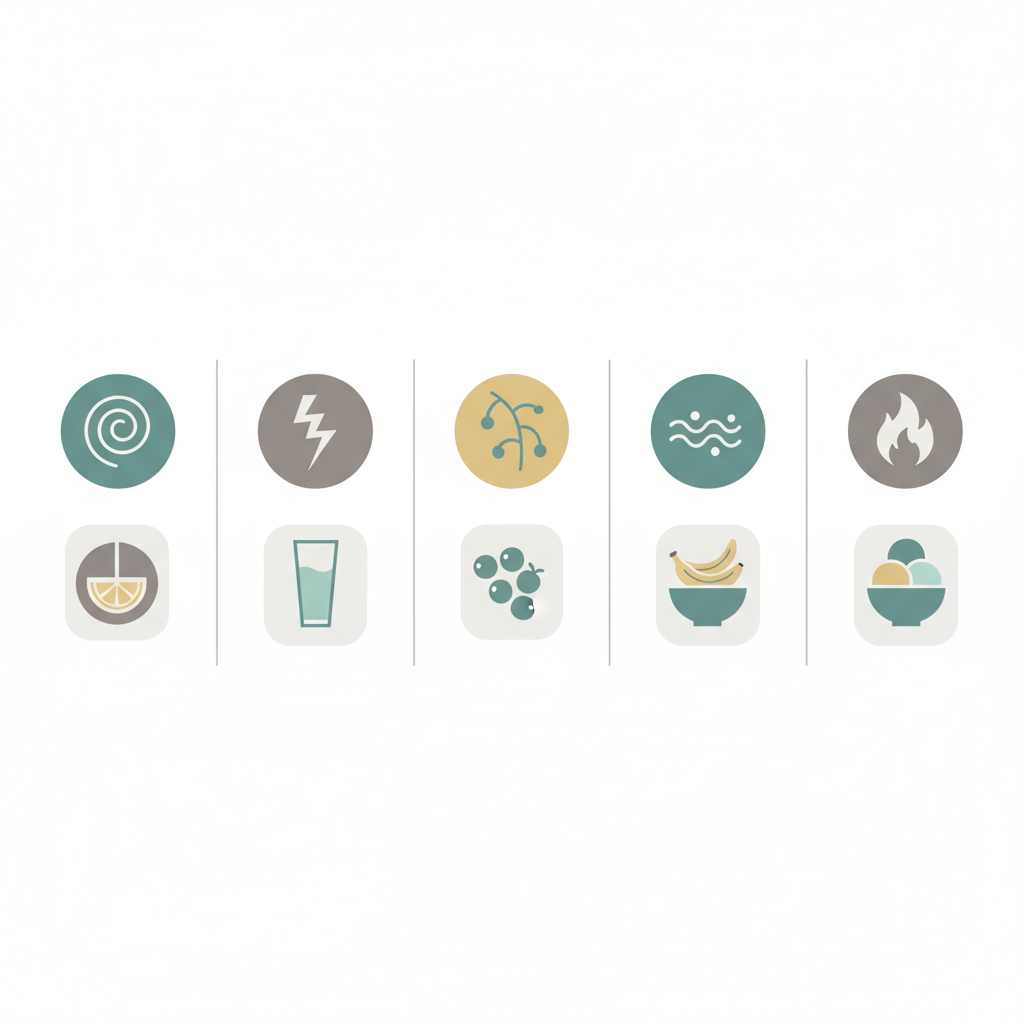
Understanding how to adjust your diet based on the specific side effects you're experiencing is key to maintaining your strength and comfort. This table offers a quick reference for common symptoms and helpful food choices.
| Chemotherapy Side Effect | Helpful Food Choices | Foods to Limit/Avoid |
|---|---|---|
| Nausea/Vomiting | Dry toast, crackers, plain rice, clear broths, ginger ale, baked chicken/fish, popsicles | Greasy, fried, spicy, strong-smelling, very sweet foods, alcohol |
| Mouth Sores | Soft, bland, moist foods: scrambled eggs, smoothies, mashed potatoes, pureed soups, yogurt | Acidic (citrus, tomato), spicy, crunchy, very hot/cold, rough texture foods |
| Taste Changes | Marinated meats, plastic utensils, tart foods (lemon water), cold foods, strong seasonings | Red meat (if metallic taste), very bland foods (if food tastes 'off'), overwhelming flavors |
| Loss of Appetite | Small, frequent, high-calorie, high-protein snacks; meal replacement drinks; favorite foods | Large meals, empty-calorie foods |
| Fatigue | Easy-to-prepare meals, nutrient-dense snacks, adequate fluids | Large, heavy meals (can worsen energy dip), caffeine (can disrupt sleep) |
| Diarrhea | BRAT diet (bananas, rice, applesauce, toast), boiled potatoes, oatmeal, clear fluids | High-fiber, fatty, spicy, dairy, caffeinated, artificial sweetener foods |
| Constipation | High-fiber foods (whole grains, fruits/veg), prunes/prune juice, plenty of water | Refined grains, low-fiber foods, inadequate fluids |
Frequently asked questions
Should I follow a special "chemo diet plan"?
While there isn't one universal "chemo diet plan," your care team, especially an oncology dietitian, can help you create a personalized plan. The focus is on nutrient-dense foods that help manage side effects and support your body's healing, rather than restrictive diets [3].
Is it okay to eat my favorite foods during chemotherapy?
Yes, absolutely! If you can tolerate them, eating your favorite foods can provide comfort and much-needed calories. Don't feel guilty about enjoying what you can, especially when your appetite is low. The goal is to nourish your body in any way possible.
How much protein do I need during chemotherapy?
Your protein needs significantly increase during chemotherapy to help repair cells and prevent muscle loss [3]. A registered dietitian can calculate your specific needs, but generally, lean meats, fish, eggs, dairy, and plant-based proteins should be included at every meal and snack [7].
What if I can't eat solid foods at all?
If solid foods are impossible, focus on liquids that provide nutrition. This can include protein shakes, nutrient-dense smoothies, broths, and meal replacement drinks. It's crucial to discuss this with your doctor or dietitian to ensure you're getting adequate nutrition, and they may suggest medical nutrition therapy if needed [9].
Can certain foods help with the metallic taste from chemo?
Yes, many people find that using plastic cutlery, adding lemon or lime juice to water or food, or marinating meats can help combat a metallic taste. Tart or tangy foods, or even very cold foods, can sometimes be more palatable [1].
How can Cancer Answers OC help me find a dietitian?
Cancer Answers OC can connect you with oncology dietitians and other supportive care services in the Orange County area. Visit our /find-specialist page or use the free Ask the Assistant chat (floating bottom-right button) to get instant, private, 24/7 access to information and connect with live OC specialists when needed.
When to call your care team
It's important to communicate openly with your oncology care team about any eating challenges you're facing. Contact them if you experience:
- Unintended weight loss (more than a few pounds).
- Persistent nausea or vomiting that prevents you from eating or drinking.
- Severe mouth sores that make eating extremely painful.
- Changes in bowel habits (severe constipation or diarrhea) that don't improve.
- Signs of dehydration (decreased urination, dizziness, extreme thirst).
- Difficulty managing symptoms despite trying dietary adjustments.
- Any new or worsening symptoms that concern you.
Your team can offer medical interventions, dietary adjustments, or referrals to specialists to ensure your nutritional needs are met throughout your treatment.
How Cancer Answers OC can help
At Cancer Answers OC, we understand that navigating cancer treatment in Orange County, California, involves more than just medical appointments; it involves your entire well-being. That's why we're dedicated to providing you with reliable, patient-friendly information and connecting you to local resources. If you're struggling with what to eat during chemotherapy or other treatment side effects, our platform can guide you.
We offer a wealth of articles like this one, designed to empower you with knowledge. You can explore our site for information on various topics, such as understanding clinical trials at /clinical-trials or learning about getting a /second-opinion from leading experts. We also encourage you to use our free Ask the Assistant chat (the floating button on the bottom-right of your screen). It offers instant, private, 24/7 access to information and can connect you with live Orange County specialists when you need personalized support. Your journey matters to us, and we're here to help you every step of the way. You can always /contact us directly for further assistance.
Sources
- Cancer Diet: Foods to Add and Avoid During Cancer Treatment – Johns Hopkins Medicine.
- Eating Hints: Before, during and after Cancer Treatment – National Cancer Institute.
- What Should I Eat During Chemotherapy? – Huntsman Cancer Institute.
- 15 Foods to Keep Stocked When Facing Cancer – National Breast Cancer Foundation.
- Diet & Nutrition During Cancer Treatment – Cancer Support Community.
- What to Eat During Chemotherapy a Practical Guide – Hirschfeld Oncology.
- Managing Nutrition during Cancer and Treatment – Chemocare.
- Food intake during cancer therapy: a systematic review – PMC, National Library of Medicine.
- Eating Well During Your Cancer Treatment – Memorial Sloan Kettering Cancer Center.
- 9 Foods to Eat During Chemotherapy – Healthline.
- Top 8 Best Foods for Chemotherapy Patients in 2025 – Hirschfeld Oncology.
- Food Safety During Cancer Treatment – American Cancer Society.