
Navigating nutrition after a colorectal cancer diagnosis, especially post-treatment, can feel overwhelming. This guide offers practical, evidence-based advice for caregivers in Fullerton to support their loved ones through this critical period, focusing on key dietary strategies to promote healing and well-being.
Good nutrition is a cornerstone of recovery, helping to manage side effects, boost energy, and strengthen the body. Understanding the specific needs for nutrition colorectal cancer recovery in Fullerton can make a significant difference in your loved one's healing journey.
Key takeaways
- Prioritize Protein: Adequate protein intake is vital for tissue repair and immune function, especially after surgery or during treatment.
- Embrace Fiber Gradually: While fiber is beneficial, its introduction must be careful and tailored to individual tolerance, particularly post-surgery.
- Stay Hydrated: Dehydration can exacerbate side effects; consistent fluid intake is crucial for recovery and overall health.
- Focus on Nutrient-Dense Foods: Choose whole, unprocessed foods like fruits, vegetables, lean proteins, and whole grains to maximize nutritional impact.
- Seek Professional Guidance: A registered dietitian specializing in oncology can provide personalized dietary plans, helping navigate the complexities of diet after colorectal cancer surgery and ongoing care.
The Critical Role of Nutrition in Colorectal Cancer Recovery
When a loved one is recovering from colorectal cancer, you might feel a deep desire to help them regain their strength and well-being. Nutrition plays a more significant role than you might imagine in this journey. It's not just about eating; it's about providing the building blocks for healing, fighting infection, and maintaining energy levels.
Why Nutrition Matters So Much Post-Treatment
After colorectal cancer treatment, whether it's surgery, chemotherapy, or radiation, the body is under immense stress. Treatments can impact appetite, alter taste, and lead to digestive issues, making it challenging to eat adequately [7]. Proper nutrition helps the body repair damaged tissues, rebuild muscle mass that may have been lost, and bolster the immune system to ward off infections [9]. For those in Fullerton undergoing colorectal cancer recovery, focusing on food is a proactive step toward better health outcomes.
Common Nutritional Challenges and Solutions for Caregivers
Caregivers often face challenges like managing changes in appetite, dealing with nausea and vomiting, or adapting meals for altered digestive function. Small, frequent meals can be more manageable than large ones, and bland foods may be better tolerated during periods of nausea. Experimenting with food textures and temperatures can also help improve intake. Remember, every patient's experience is unique, so flexibility and patience are key.
Rebuilding Strength: Essential Nutrients for Healing
Think of the body as needing specific fuel and repair materials after the arduous journey of cancer treatment. Providing these essential nutrients is paramount for healing and restoring vitality. Your role as a caregiver in Fullerton is to ensure these nutritional needs are met consistently.
Protein: The Foundation of Repair
Protein is non-negotiable for recovery. It's crucial for repairing cells and tissues damaged by cancer or its treatments and for maintaining a strong immune system [9]. Good sources include lean meats, poultry, fish, eggs, dairy products, nuts, seeds, and legumes. Aim to include a protein source with every meal and snack.
Carbohydrates: Fueling Energy Levels
Carbohydrates are the body's primary energy source. Opt for complex carbohydrates like whole grains (oats, brown rice, whole wheat bread), fruits, and vegetables. These provide sustained energy and essential vitamins and minerals. They also offer fiber, which we'll discuss next, but remember to introduce it carefully.
Healthy Fats: Supporting Overall Health
Healthy fats are important for energy, hormone production, and nutrient absorption. Incorporate sources like avocados, nuts, seeds, olive oil, and fatty fish high in omega-3 fatty acids. Omega-3s have been shown to have anti-inflammatory properties, which can be beneficial during recovery [2].
In-depth look
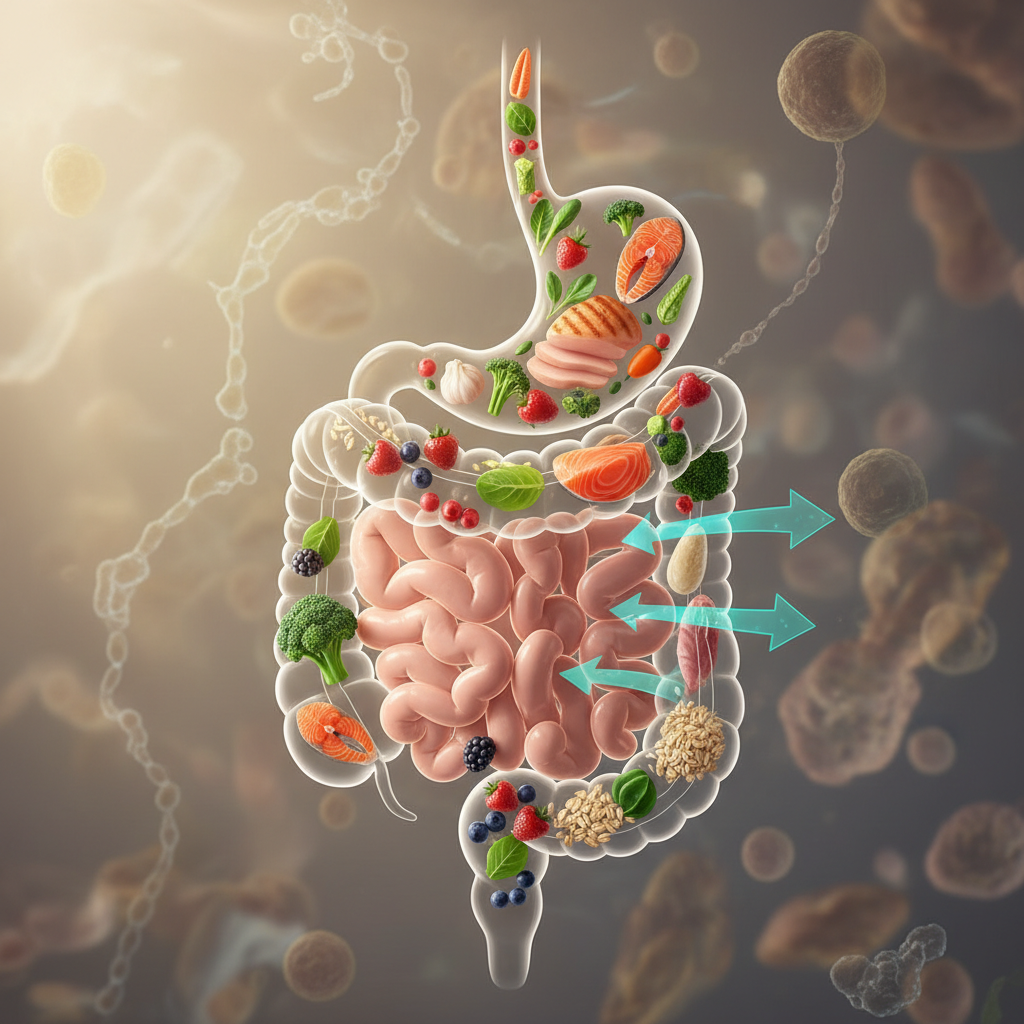
Navigating Digestive Changes Post-Surgery
Colorectal cancer surgery can significantly impact digestive function. Patients may experience changes in bowel habits, gas, bloating, or even issues like a temporary or permanent ostomy. Understanding these potential changes is crucial for preparing appropriate meals.
The Role of Fiber: A Balanced Approach
Fiber is usually recommended for its health benefits, aiding bowel regularity and potentially reducing cancer risk [1]. However, immediately after colorectal cancer surgery, a low-fiber or low-residue diet might be necessary to allow the digestive system to heal. Gradually reintroducing fiber-rich foods like fruits, vegetables, and whole grains under the guidance of a healthcare professional is often recommended. Pay close attention to how your loved one responds to different foods.
Managing Side Effects: Nausea, Diarrhea, and Constipation
Nausea can often be managed with bland foods, small frequent meals, and avoiding strong odors. For diarrhea, focus on binding foods like bananas, rice, applesauce, and toast (the BRAT diet) and ensure adequate fluid intake. Constipation might be addressed with increased fluids, gentle exercise, and a gradual increase in fiber (once approved by the care team). The free, instant Ask the Assistant chat feature on our website can be a helpful resource for quick tips on managing these side effects.
Building a Healing Plate: Best Foods for Colorectal Cancer Patients OC
For those recovering in Orange County, particularly in Fullerton, focusing on a diet rich in fruits, vegetables, lean proteins, and whole grains can significantly aid recovery. These foods provide vital nutrients without undue stress on a recovering digestive system.
Powerhouse Foods to Include
- Fruits and Vegetables: Aim for a colorful variety to ensure a broad spectrum of vitamins, minerals, and antioxidants. Berries, leafy greens, broccoli, and carrots are excellent choices [10]. These can help reduce inflammation and support overall cellular health.
- Lean Proteins: Chicken, turkey, fish, tofu, and beans are easily digestible and provide the necessary amino acids for repair [9]. Protein shakes can also be a good option if appetite is low.
- Whole Grains: Brown rice, quinoa, and oats offer complex carbohydrates for sustained energy and are a gentle source of fiber [7]. They also contain important B vitamins.
Foods to Limit or Avoid
Minimizing processed foods, excessive red and processed meats, and sugary drinks can be beneficial. These items often contain unhealthy fats, high sugar content, and additives that can promote inflammation and offer little nutritional value. While an occasional treat is fine, the focus should be on nutrient-dense options.
Hydration and Supplementation: Beyond Solid Foods
While solid foods form the foundation, proper hydration and, at times, targeted supplementation can play a crucial supportive role in nutrition colorectal cancer recovery in Fullerton.
The Importance of Staying Hydrated
Dehydration can lead to fatigue, headaches, and worsen constipation or nausea. Encourage your loved one to drink plenty of fluids throughout the day. Water, clear broths, diluted fruit juices, and herbal teas are excellent choices. Aim for at least 8-10 glasses daily, adjusting based on activity level and side effects.
When to Consider Nutritional Supplements
Sometimes, even with the best diet, patients may struggle to meet all their nutritional needs. Multivitamins, vitamin D, or specific protein supplements might be recommended by the care team or a dietitian. Always consult with your loved one's doctor before starting any supplements, as some can interact with medications or treatments.
Practical Meal Planning for Caregivers in Fullerton
As a caregiver, meal planning can feel like another item on an already long to-do list. However, with a few strategies, you can make nourishing your loved one both manageable and effective, right here in Fullerton.
Simple Strategies for Meal Preparation
- Batch Cooking: Prepare larger quantities of tolerated foods and portion them for easy reheating throughout the week. This saves time and ensures healthy options are always available. Consider making large batches of soups or stews.
- Keep it Simple: Focus on a few well-tolerated ingredients. Elaborate meals aren't necessary. Sometimes, a simple baked potato with lean protein is exactly what's needed.
- Involve Your Loved One: If they feel up to it, allow them to choose foods they enjoy or help with simple tasks. This can boost their morale and sense of control.
Shopping and Storage Tips for a Healing Kitchen
- Stock up on Essentials: Keep the pantry and fridge stocked with easily digestible, nutrient-dense foods. Think canned beans, frozen fruits and vegetables, and whole-grain pasta. Local Fullerton farmers' markets can offer fresh, seasonal produce.
- Prioritize Food Safety: As cancer treatments can weaken the immune system, strict food safety practices are vital. Wash produce thoroughly, cook meats to proper temperatures, and avoid cross-contamination.
- Small Portions: Buy smaller quantities of perishable items if appetite is low to minimize waste and ensure freshness.
Long-Term Nutritional Well-being and Beyond Recovery
Nutrition doesn't stop once active treatment ends. Maintaining healthy eating habits is a lifelong commitment crucial for preventing recurrence and promoting overall health. This is particularly important for colorectal cancer [6].
Sustaining Healthy Habits Post-Treatment
Encourage a balanced, plant-focused diet rich in whole foods, similar to the recommendations during recovery. Maintaining a healthy weight and staying physically active (as tolerated and approved by their doctor) are also vital components of long-term wellness. Think of it as a journey towards a healthier lifestyle, not just a temporary diet.
The Role of a Registered Dietitian in Orange County
A registered dietitian specializing in oncology, especially one familiar with the resources in Orange County, can be an invaluable partner throughout the entire cancer journey. They can create personalized meal plans, address specific dietary challenges, and provide ongoing support. Consider booking a consultation for your loved one through our /find-specialist page to connect with a local expert.
Frequently asked questions
What are the best foods for colon cancer patients in OC during chemotherapy?
During chemotherapy, focus on bland, easily digestible foods like plain chicken, rice, bananas, and cooked vegetables. Hydration is key. Your loved one's tolerance may vary day-to-day, so offer small, frequent meals rather than large ones. A registered dietitian can provide tailored advice for managing specific side effects.
How soon after colorectal cancer surgery can my loved one eat solid food?
This varies greatly depending on the type of surgery and individual recovery. Typically, patients start with clear liquids, progressing to full liquids, and then soft, low-fiber foods. The medical team will provide specific guidance, and it's crucial to follow their instructions carefully.
Are there any specific foods to avoid for nutrition colorectal cancer recovery in Fullerton?
Generally, it's wise to limit highly processed foods, excessive red and processed meats, and foods high in sugar or unhealthy fats. Spicy or fatty foods can also aggravate digestive issues post-surgery or during treatment. Always follow your care team's specific recommendations.
Can herbal remedies or supplements help with recovery?
Some patients explore herbal remedies or dietary supplements, but it's crucial to discuss these with the care team before starting. Some supplements can interact with cancer treatments or medications, potentially causing harm [5]. Always prioritize safety and evidence-based guidance.
How can I make sure my loved one gets enough calories if their appetite is low?
Offer small, frequent, nutrient-dense meals and snacks. Fortify foods with extra calories and protein by adding olive oil, butter, cheese, or protein powder to regular meals. Liquid nutrition supplements can also be helpful. Encourage eating when they feel best, which might not be at traditional meal times.
Where can I find more personalized nutrition support in Fullerton?
Connecting with an oncology dietitian is highly recommended. Many hospitals and cancer centers in Orange County, including those serving Fullerton, offer these services. You can also explore options through Cancer Answers OC, including our free Ask the Assistant chat, for initial guidance and connections to local specialists.
When to call your care team
- Persistent nausea or vomiting: If your loved one cannot keep food or fluids down.
- Significant weight loss: If they are losing weight rapidly or unintentionally.
- Severe diarrhea or constipation: If these issues are unmanaged and causing distress.
- Signs of dehydration: Including decreased urination, dizziness, or extreme fatigue.
- New or worsening pain: Especially abdominal pain or discomfort after eating.
- Any adverse reaction to food or supplements: Such as allergy symptoms or severe digestive upset.
How Cancer Answers OC can help
At Cancer Answers OC, we understand the complexities of caring for a loved one with colorectal cancer. We are dedicated to providing support and resources to caregivers in Fullerton and throughout Orange County. Our website offers a wealth of information, articles, and tools to help you navigate this journey.
Consider utilizing our /clinical-trials information to discuss cutting-edge treatment options with your care team. For personalized assistance, our free Ask the Assistant chat (bottom-right button) offers immediate, private, 24/7 support, connecting you to live OC specialists when needed. We also encourage you to contact us at /contact if you need help finding local resources or specialists, ensuring your loved one receives the best possible nutrition colorectal cancer recovery support in Fullerton.
Related resources
- Dietary Advice for Anemia During Cancer Treatment: A Guide for Patients in Orange County
- Nourishing Your Body: The Best Diet During Pancreatic Cancer Treatment
- Optimizing Nutrition During Head and Neck Cancer Treatment in Tustin
- Find a cancer specialist in Orange County
- Get a second opinion
- Insurance and coverage guide
Sources
- Gene–Diet Interactions in Colorectal Cancer: Survey Design ... - PMC. (n.d.). Retrieved from https://pmc.ncbi.nlm.nih.gov/articles/PMC7468855/
- Impact of postoperative omega-3 fatty acid-supplemented parenteral ... (n.d.). Retrieved from https://pmc.ncbi.nlm.nih.gov/articles/PMC2705104/
- Prognostic significance of Glasgow prognostic score in patients with ... (n.d.). Retrieved from https://pmc.ncbi.nlm.nih.gov/articles/PMC4694445/
- Circulating tryptophan metabolites and risk of colon cancer - PMC. (n.d.). Retrieved from https://pmc.ncbi.nlm.nih.gov/articles/PMC8429124/
- Warburg effect in colorectal cancer: the emerging roles in tumor ... (n.d.). Retrieved from https://pmc.ncbi.nlm.nih.gov/articles/PMC9628128/
- Associations of Evolutionary-Concordance Diet and Lifestyle Pattern ... (n.d.). Retrieved from https://pmc.ncbi.nlm.nih.gov/articles/PMC10041860/
- Nutrition & colorectal cancer: eating well before, during ... - YouTube. (n.d.). Retrieved from https://www.youtube.com/watch?v=p0Zt01rQMJU
- Nutrition and colorectal cancer. (n.d.). Retrieved from https://colorectalcancer.org/resources-support/resources/living-well-colorectal-cancer/nutrition-and-colorectal-cancer
- Nutrition support in surgical patients with colorectal cancer - PMC. (n.d.). Retrieved from https://pmc.ncbi.nlm.nih.gov/articles/PMC3072645/
- Navigating Colorectal Cancer: Risk Factors, Screening and Lifestyle ... (n.d.). Retrieved from https://www.eatright.org/health/health-conditions/cancer/navigating-colorectal-cancer