
Navigating the complexities of diet and nutrition during pancreatic cancer treatment can feel overwhelming. However, adopting strategic dietary approaches is crucial for maintaining strength, managing symptoms, and improving treatment tolerance. This guide provides patients in Mission Viejo with clear, actionable advice on managing diet effectively throughout their pancreatic cancer journey.
At a glance
| Detail | Summary |
|---|---|
| Topic | managing diet pancreatic cancer treatment Mission Viejo |
| Who it is for | Patients and families |
| Area served | Orange County, California |
| Category | nutrition |
| Reading time | About 10 minutes |
| Cited sources | 6 |
| Last reviewed | 2026-06-01 |
Key takeaways
- Prioritize professional nutrition guidance: Consult an oncology dietitian early in your treatment for personalized advice.
- Combat weight loss and muscle wasting: Focus on calorie-dense, protein-rich foods to maintain energy and mass.
- Manage digestive symptoms proactively: Utilize enzyme replacement therapy and smaller, more frequent meals.
- Stay hydrated and nourish wisely: Choose nutrient-rich fluids and avoid overly restrictive diets without medical advice.
- Seek local support in Mission Viejo: Connect with local resources and your care team for ongoing dietary assistance.
Understanding Pancreatic Cancer and Its Nutritional Impact
When you hear you have pancreatic cancer, it's natural to feel a wide range of emotions. Beyond the emotional toll, this diagnosis brings significant physical challenges, particularly concerning your body's ability to process food and absorb nutrients. The pancreas is a vital organ tucked behind your stomach, playing a dual role in digestion and blood sugar regulation [7, 9].
The Pancreas and Digestion
Your pancreas produces crucial enzymes that help break down fats, proteins, and carbohydrates in your food [9]. When pancreatic cancer affects this function, either due to the tumor itself or as a result of treatments like surgery, your body struggles to digest food properly. This can lead to malabsorption, meaning you don't get the nutrients your body needs, even if you're eating enough [7].
Common Nutritional Challenges
Many individuals undergoing pancreatic cancer treatment experience weight loss, loss of appetite, and significant fatigue. These issues are often compounded by treatment side effects such as nausea, vomiting, diarrhea, and changes in taste [8]. Understanding these challenges is the first step toward effectively managing your diet and ensuring your body is as strong as possible to fight the cancer and recover from treatments.
Building Your Nutritional Support Team
Facing pancreatic cancer is not a journey you should undertake alone, especially when it comes to nutrition. As a patient in Mission Viejo, you have access to a network of professionals who can provide tailored dietary guidance.
The Role of an Oncology Dietitian
An oncology dietitian is specially trained in cancer-specific nutritional needs and is an invaluable member of your care team [7]. They can assess your individual situation, including your treatment plan, side effects, and nutritional status, to create a personalized eating plan. This plan aims to minimize symptoms, maximize nutrient intake, and help maintain your quality of life throughout treatment.
Collaborating with Your Medical Team
Your dietitian will work closely with your oncologist, surgeon, and other specialists. This collaborative approach ensures that your dietary strategies complement your overall medical treatment. They can also help you anticipate and prepare for potential nutritional challenges related to upcoming therapies.
Practical Dietary Strategies for Managing Pancreatic Cancer Treatment in Mission Viejo
Navigating your diet during pancreatic cancer treatment requires flexibility and a focus on practical strategies. The goal is to nourish your body and manage symptoms effectively.
Managing Weight Loss and Malnutrition
Weight loss and malnutrition are common concerns, often contributing to fatigue and weakened immunity. To combat this, focus on nutrient-dense foods that offer high calories and protein in smaller portions [8]. Think lean meats, poultry, fish, eggs, dairy, and healthy fats like avocado and nuts. Snacking frequently throughout the day can also help increase overall intake without feeling overly full.
Dealing with Digestive Issues
Pancreatic enzyme replacement therapy (PERT) is often crucial for improving digestion and nutrient absorption [9]. Your doctor will prescribe these enzymes, which you typically take with meals and snacks. Additionally, opting for low-fat foods can alleviate digestive discomfort, as fat digestion is specifically impacted when the pancreas isn't functioning optimally.
In-depth look
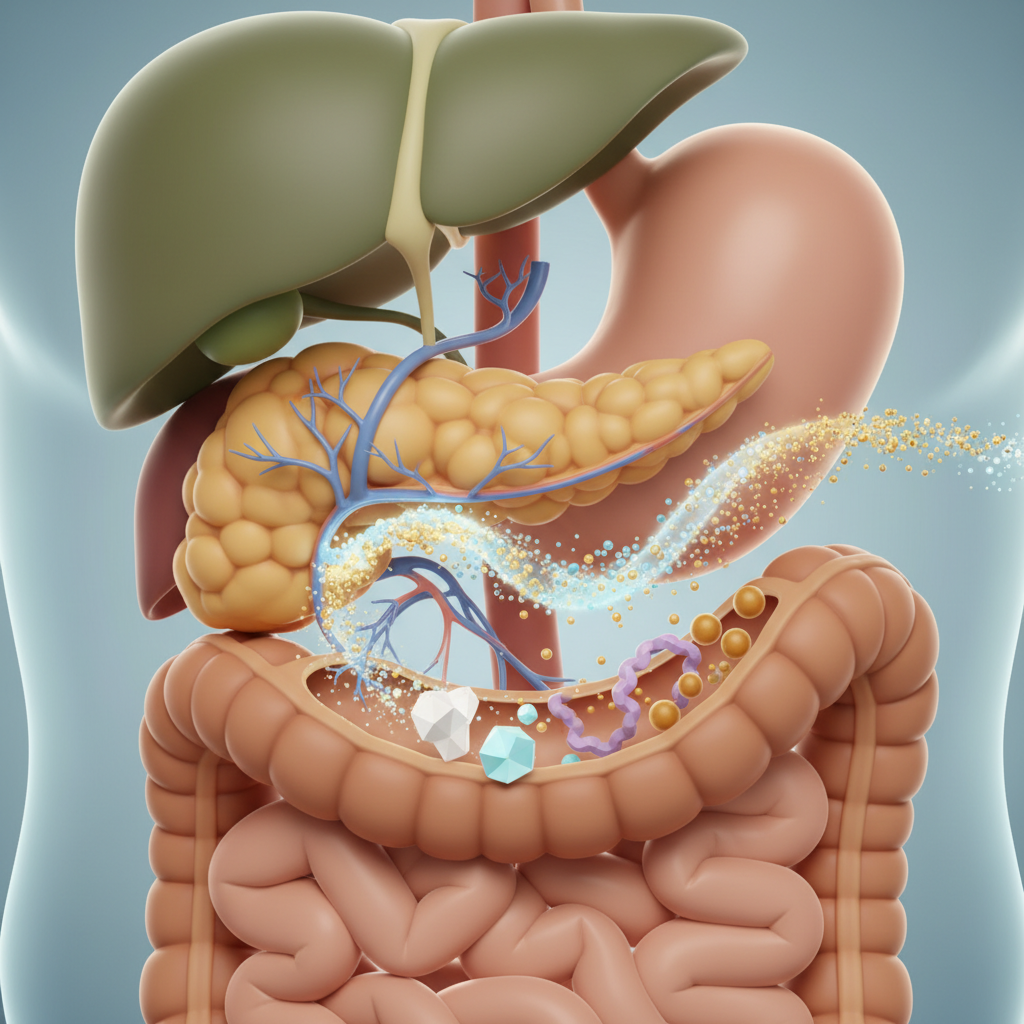
Maintaining adequate nutrition is a cornerstone of effective pancreatic cancer treatment. The image above illustrates the central role the pancreas plays in secreting digestive enzymes necessary for breaking down food. When this process is disrupted, it leads to malabsorption, where the body cannot absorb vital nutrients, even if food is consumed. This often results in unintentional weight loss and a decrease in energy levels, impacting your ability to tolerate treatment and heal. Strategic nutritional planning, developed with an experienced oncology dietitian, is designed to counteract these effects, ensuring your body receives the support it needs to fight the disease and maintain strength.
Coping with Nausea, Vomiting, and Appetitew Loss
Nausea and vomiting can significantly deter eating. Try consuming bland, easy-to-digest foods like toast, crackers, pho (a local favorite in Orange County), or plain pasta. Eating smaller meals more frequently, avoiding strong odors, and sipping on clear liquids throughout the day can also help [8]. For appetite loss, you might find that cool or room-temperature foods are more palatable than hot meals. Don't force yourself to eat; instead, try nutrient-dense smoothies or nutritional supplement drinks.
Hydration and Fluid Intake
Staying well-hydrated is essential, especially if you're experiencing diarrhea or vomiting. Water, broths, and electrolyte-rich beverages are good choices. Avoid sugary drinks and excessive caffeine, which can sometimes worsen digestive issues. Throughout your journey, remember that the free Ask the Assistant chat feature on our website is available 24/7 for immediate, private support and answers to your questions, connecting you with OC specialists when needed.
Navigating Specific Dietary Elements
Understanding how different food groups impact your condition can empower you to make better dietary choices. This is especially true for managing diet pancreatic cancer treatment Mission Viejo.
Carbohydrates, Proteins, and Fats
- Carbohydrates: Choose complex carbohydrates like whole grains, fruits, and vegetables for sustained energy. Limit simple sugars as they can sometimes exacerbate blood sugar fluctuations, which can be an issue given the pancreas's role in insulin production [9].
- Proteins: Protein is vital for tissue repair and maintaining muscle mass. Include lean sources like chicken, turkey, fish, eggs, and plant-based options such as beans and lentils. Protein shakes can also be a convenient way to boost intake.
- Fats: While fat digestion can be challenging, healthy fats are calorie-dense. Focus on easily digestible fats like those found in avocado, olive oil, and certain nuts. Your dietitian can guide you on appropriate fat intake and enzyme dosing.
Vitamins, Minerals, and Supplements
Many pancreatic cancer patients may experience deficiencies in fat-soluble vitamins (A, D, E, K) due to malabsorption. Your care team might recommend specific supplements to address these deficiencies. However, it's crucial to discuss any supplements, including herbal remedies or high-dose antioxidants, with your medical team before taking them, as some can interfere with treatments [2]. Always consult your doctor or dietitian before starting new supplements.
Foods to Avoid or Limit
Generally, it's advisable to limit very fatty, fried, or greasy foods, as these can be difficult to digest and may worsen symptoms like diarrhea. Spicy foods and excessively fibrous foods can also sometimes cause discomfort for some individuals. Alcohol should ideally be avoided entirely, as it can irritate the pancreas and interfere with treatment [1].
Lifestyle Adjustments and Support Systems
Beyond what you eat, how you approach eating and where you find support can make a significant difference in your nutritional well-being.
Meal Planning and Preparation Tips
Planning your meals and snacks in advance can reduce stress and ensure you have nutrient-rich options readily available. Consider preparing larger batches of food when you have energy, then freezing individual portions. Enlist the help of family or friends for grocery shopping and meal prep. Many communities, including Mission Viejo, offer services that can deliver healthy meals to your door.
Mindful Eating and Stress Reduction
Eating in a relaxed environment can improve digestion. Try to eat slowly, savoring each bite, and avoid distractions. Stress can impact your appetite and digestion, so incorporating stress-reduction techniques like deep breathing, gentle walks, or meditation can be beneficial. Consider exploring supportive resources available through your care team locally, perhaps through our /contact page or by initiating a chat with our AI assistant.
The Importance of Support Systems
Connecting with support groups or enlisting the help of family and friends can provide immense emotional and practical support. Sharing your experiences with others who understand can reduce feelings of isolation and offer practical tips for managing daily challenges. Don't hesitate to reach out for assistance with meals, appointments, or simply for companionship.
Frequently asked questions
How often should I eat during pancreatic cancer treatment?
It's generally recommended to eat smaller, more frequent meals and snacks throughout the day, perhaps every 2-3 hours [8]. This can help prevent feelings of fullness, reduce digestive upset, and ensure a steady intake of nutrients and calories.
Can certain foods help fight pancreatic cancer?
While a healthy diet supports overall health during cancer treatment, no specific food can cure pancreatic cancer. Focus on a balanced diet rich in fruits, vegetables, lean proteins, and whole grains to provide your body with the nutrients it needs to cope with treatment and maintain strength [10].
What if I can't keep food down?
If you're struggling with persistent nausea, vomiting, or an inability to eat, contact your care team immediately. They can help adjust medications, suggest different dietary approaches, or recommend nutritional supplements or intravenous hydration if necessary. Your comfort and nutritional status are paramount.
Is it safe to try alternative diets or supplements popularized online?
Always discuss any alternative diets, supplements, or holistic remedies with your oncology team or dietitian before trying them. Some can interfere with your cancer treatment, have adverse effects, or lack scientific evidence of benefit [2, 3]. Your safety and well-being are the top priority.
How can I make my food more appealing when I have taste changes?
Taste changes are common. Experiment with different seasonings, marinades, and cooking methods. For metallic tastes, try using plastic utensils or incorporating tart flavors like lemon or lime. If foods taste bland, adding herbs and spices can often help enhance their flavor without adding too much salt. Strong odors can be an issue; consider eating foods at room temperature.
When to call your care team
- Unintended weight loss of 5% or more within a month.
- Persistent nausea, vomiting, or diarrhea that prevents you from eating or drinking.
- Difficulty swallowing or new pain with eating.
- Any new or worsening digestive symptoms.
- Signs of dehydration, such as dark urine, dizziness, or extreme thirst.
- Concerns about malnutrition or significant changes in appetite.
How Cancer Answers OC can help
At Cancer Answers OC, located right here in Orange County, we understand the unique challenges of managing diet during pancreatic cancer treatment. Our team of specialists is dedicated to providing personalized, evidence-based nutrition support to patients in Mission Viejo and throughout the region. We can connect you with experienced oncology dietitians and provide resources tailored to your specific needs.
We invite you to explore our services, including second opinion consultations and information on /clinical-trials. Don't hesitate to reach out to us for expert guidance and compassionate care. Remember, you can also utilize our free, private, and instant Ask the Assistant chat feature (the floating button on the bottom right) at any time, day or night, for quick answers and connection to our local Orange County specialists when you need them most.
Related resources
- Dietary Advice for Anemia During Cancer Treatment: A Guide for Patients in Orange County
- Nourishing Your Body: The Best Diet During Pancreatic Cancer Treatment
- Essential Nutrition Tips for Pancreatic Cancer Patients: A Comprehensive Guide
- Find a cancer specialist in Orange County
- Get a second opinion
- Insurance and coverage guide
Sources
[1] Peritoneal Metastasis: A Dilemma and Challenge in the Treatment of ... URL: https://pmc.ncbi.nlm.nih.gov/articles/PMC10705712/
[2] Antioxidant supplements for preventing gastrointestinal cancers - PMC URL: https://pmc.ncbi.nlm.nih.gov/articles/PMC12276870/
[3] Fundamentals of Membrane Lipid Replacement - PMC - NIH URL: https://pmc.ncbi.nlm.nih.gov/articles/PMC8707623/
[7] Eating Right Can Help Your Pancreatic Cancer Fight URL: https://letswinpc.org/disease-management/diet/eating-right-pancreatic-cancer-fight/
[8] Pancreatic Cancer Nutrition: 12 Pancreatic Diet Tips URL: https://www.hopkinsmedicine.org/health/conditions-and-diseases/pancreatic-cancer/pancreatic-cancer-nutrition
[9] Nutrition update for patients with pancreatic cancer URL: https://lustgarten.org/interview-with-dr-charles-s-fuchs-nutrition-update-for-patients-with-pancreatic-cancer/
[10] Diet and Nutrition in Managing Pancreatic Cancer - Mayo Clinic URL: https://www.youtube.com/watch?v=R0FLrYnXeP0