
When a loved one in Tustin is undergoing lymphoma treatment, their nutritional needs become a significant focus for caregivers. Supporting healthy eating is not just about providing food; it's about nourishing their strength, managing side effects, and promoting overall well-being throughout their challenging journey. This guide offers practical, evidence-based nutrition tips specifically for caregivers, empowering you to make informed dietary choices that can truly make a difference.
At a glance
| Detail | Summary |
|---|---|
| Topic | healthy eating lymphoma treatment Tustin |
| Who it is for | Caregivers and family |
| Area served | Orange County, California |
| Category | nutrition |
| Reading time | About 13 minutes |
| Cited sources | 6 |
| Last reviewed | 2026-06-01 |
Key takeaways
- Prioritize a Balanced Diet: Focus on whole grains, lean proteins, fresh fruits, and vegetables to maintain strength and aid recovery.
- Manage Treatment Side Effects: Tailor meals to address common issues like nausea, fatigue, and appetite changes.
- Stay Hydrated Consistently: Encourage regular fluid intake to prevent dehydration, which can worsen other side effects.
- Food Safety is Paramount: Implement strict food safety practices to protect a compromised immune system.
- Consult with Specialists: Work closely with oncologists and registered dietitians for personalized nutrition plans.
Understanding the Role of Nutrition in Lymphoma Treatment
When your loved one is facing lymphoma, the journey is often accompanied by demanding treatments like chemotherapy, radiation, or immunotherapy. These therapies, while vital, can take a significant toll on the body's systems, including appetite, digestion, and energy levels. Proper nutrition becomes a crucial ally in managing these challenges.
Why Nutrition Matters During Treatment
Good nutrition provides the essential building blocks your loved one's body needs to repair cells, maintain muscle mass, and strengthen the immune system [9]. It can help them endure treatment with greater resilience, potentially reducing treatment delays or dose reductions due to poor health. Adequate nourishment can also improve their overall quality of life, allowing them to feel more energetic and engaged.
Common Nutritional Challenges Caregivers Face
As a caregiver, you might encounter various hurdles. Your loved one may experience changes in taste, a metallic taste from chemotherapy, difficulty swallowing, or a complete loss of appetite. Nausea, vomiting, and fatigue are common side effects that can make eating difficult and unpleasant [3]. Understanding these potential challenges allows you to adapt and approach meal planning with empathy and strategic solutions.
Building a Foundation: Core Principles of Healthy Eating
Establishing a solid nutritional foundation is key to supporting your loved one through lymphoma treatment. This means focusing on a diverse range of nutrient-dense foods that provide energy, support immune function, and aid in cellular repair. Think of it as fueling a high-performance engine – every component needs to be top-quality.
The Importance of Lean Proteins
Protein is critical for repairing tissues damaged by treatment and maintaining muscle mass. Treatment can lead to muscle wasting, so ensuring sufficient protein intake is vital. Opt for lean sources like skinless poultry, fish, eggs, low-fat dairy, beans, lentils, and tofu. For example, a 3-ounce serving of chicken breast provides about 25 grams of protein.
Power of Whole Grains, Fruits, and Vegetables
Whole grains like oats, brown rice, and whole wheat offer sustained energy and essential B vitamins. Fruits and vegetables are packed with vitamins, minerals, and antioxidants, which help reduce inflammation and protect cells [7]. Aim for a variety of colors to ensure a broad spectrum of nutrients. A study highlighted the role of certain foods in detoxification pathways, crucial during treatment [1]. These plant-based foods also provide fiber, which can help manage constipation, a common side effect of some medications.
Healthy Fats for Energy and Absorption
Not all fats are bad; healthy fats are a concentrated source of energy and help absorb fat-soluble vitamins (A, D, E, K). Include sources like avocados, nuts, seeds, and olive oil in moderation. These fats can be particularly beneficial for loved ones struggling with a decreased appetite, as they provide high calories in smaller portions.
In-depth look
Understanding the nuanced interplay between specific nutrients and the body during cancer treatment can empower you as a caregiver. It’s not just about what to eat, but why and how it benefits your loved one's unique situation. This section dives deeper into the specific impacts of nutrition.
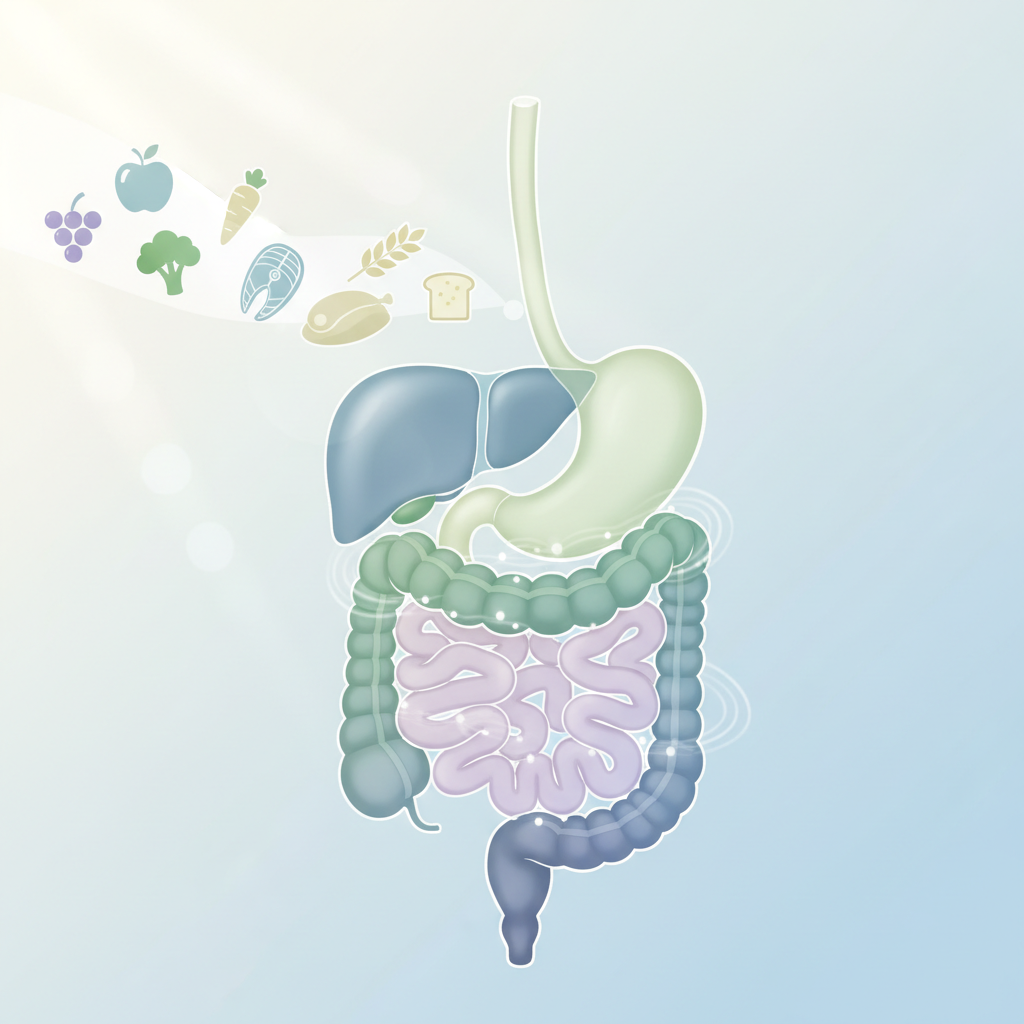
Micronutrients and Immune Support
During lymphoma treatment, the immune system is often compromised. Key micronutrients like Vitamin C, Vitamin D, Zinc, and Selenium play vital roles in immune function. For instance, Vitamin C, found in citrus fruits and berries, helps immune cells function effectively. Vitamin D, obtained from fortified foods and sensible sun exposure (with doctor's approval), is also crucial for immune regulation. Ensuring a diet rich in these nutrients, or considering supplements under medical guidance, can help bolster your loved one's defenses.
The Role of Gut Health
The gut microbiome — the community of bacteria in the digestive tract — significantly impacts overall health, immune function, and even the efficacy of some cancer treatments [5]. Eating fermented foods like yogurt, kefir, and sauerkraut, or increasing fiber intake from fruits, vegetables, and whole grains, can promote a healthy gut. A balanced gut can also help manage digestion-related side effects, making treatment more tolerable.
Managing Treatment Side Effects Through Diet
One of the most challenging aspects of lymphoma treatment is managing its side effects. Many of these, such as nausea, fatigue, and taste changes, directly impact a person's ability to eat. As a caregiver in Tustin, knowing how to adapt meals and meal times can make a significant difference in your loved one's comfort and nutritional intake.
Combating Nausea and Vomiting
Nausea and vomiting are notoriously debilitating side effects of chemotherapy and radiation. Offer small, frequent meals throughout the day instead of large ones [9]. Bland foods, like toast, crackers, plain rice, and clear broths, are often better tolerated. Avoid strong-smelling, fatty, or spicy foods. Ginger, in teas or candies, has also been shown to help settle upset stomachs for some individuals. Ensure the patient gets enough fluids to prevent dehydration, which can worsen nausea [8].
Addressing Loss of Appetite and Taste Changes
Loss of appetite can lead to significant weight loss and weakness. Try offering nutrient-dense foods in small portions, perhaps served on smaller plates to make the amount seem less daunting. Using plastic cutlery can help if there's a metallic taste. Experiment with different flavors and textures, like lemon or tart foods (if mouth sores aren't an issue) to stimulate taste buds. High-calorie, high-protein shakes or smoothies can be excellent supplements when solid food is difficult to consume. For more personalized strategies, consider reaching out to a registered dietitian through Cancer Answers OC or asking the free Ask the Assistant chat for general advice on this common struggle.
Dealing with Fatigue and Mouth Sores
Fatigue can make preparing and eating meals an arduous task. Prepare easy-to-eat meals that require minimal effort from your loved one, such as pre-cut fruits, soft-cooked vegetables, or smoothies. Mouth sores (mucositis) can cause pain and make chewing and swallowing difficult. Offer soft, bland foods that are easy to chew, like mashed potatoes, scrambled eggs, well-cooked pasta, and pureed soups. Avoid acidic, spicy, or crunchy foods that can irritate the sores. Drinking through a straw can sometimes make fluid intake easier.
Food Safety and Hydration: Critical Considerations
During lymphoma treatment, your loved one's immune system may be weakened, making them highly susceptible to foodborne illnesses. Alongside meticulous food safety, consistent hydration is paramount for flushing out toxins and maintaining overall bodily functions.
Essential Food Safety Practices
Food safety becomes non-negotiable when caring for someone with a compromised immune system. Always wash hands thoroughly before and after handling food. Ensure raw meats, poultry, and fish are kept separate from other foods to avoid cross-contamination. Cook all foods to their proper internal temperatures, using a food thermometer when necessary. Avoid eating raw or undercooked foods, including sushi, raw eggs, and unpasteurized dairy products. Wash all fruits and vegetables meticulously, even those with peels, before consumption. These practices significantly reduce the risk of infection. Research indicates that foodborne illnesses can be particularly severe in immunocompromised individuals [2].
The Importance of Consistent Hydration
Hydration is vital for everyone, but especially for cancer patients. Treatment can lead to dehydration, which can exacerbate fatigue, nausea, and other side effects. Encourage your loved one to drink plenty of fluids throughout the day, even if they don't feel thirsty. Water, clear broths, diluted juices, and caffeine-free teas are good choices. Keep a water bottle or glass within easy reach to encourage consistent sips. Aim for small, frequent amounts rather than large quantities at once if nausea is an issue. Staying well-hydrated helps the body process medications and remove waste products more efficiently [4].
Beyond Plate: Support Systems and Professional Guidance
As a caregiver, you don't have to navigate these complex nutritional needs alone. A strong support system, including healthcare professionals and community resources, can provide invaluable guidance and practical assistance.
Consulting with a Registered Dietitian or Nutritionist
An oncology-specialized registered dietitian (RD) is an invaluable resource. They can create a personalized nutrition plan tailored to your loved one's specific lymphoma type, treatment regimen, side effects, and dietary preferences. They can help address specific concerns like weight management, managing specific deficiencies, and optimizing caloric intake. Many dietitians in Orange County specialize in cancer care, and connecting with one is highly recommended. You can search for local specialists through our /find-specialist tool on Cancer Answers OC.
Building a Care Team and Support Network
Beyond dietitians, your loved one's oncologist and nurses are key members of the care team for nutritional guidance. Don't hesitate to ask them about any dietary concerns or side effects. Connecting with other caregivers or support groups in Tustin or online can also offer emotional support and shared strategies. Remember, you can also reach out to us at Cancer Answers OC for guidance on finding the right resources, whether it's through a /second-opinion or general information via our /contact page. Even considering /clinical-trials can sometimes open doors to newer, supportive care protocols.
Navigating Dietary Supplements and Alternative Therapies
In your efforts to support your loved one, you might encounter a wide array of dietary supplements and alternative therapies. While some may seem promising, it's crucial to approach them with caution and always in consultation with the care team.
The Role of Dietary Supplements
Dietary supplements, including vitamins, minerals, and herbal remedies, are not regulated with the same rigor as prescription medications. Some supplements can interact negatively with cancer treatments or exacerbate side effects. For instance, certain antioxidants might interfere with the effectiveness of some chemotherapy or radiation therapies [6]. Always discuss any potential supplements with your loved one's oncology team before starting them to ensure safety and avoid unintended consequences. They can advise if a supplement is truly beneficial and safe, or if it might be harmful.
Addressing Alternative and Complementary Therapies
Many patients and caregivers explore complementary therapies alongside conventional treatment, such as acupuncture for nausea or meditation for stress. While some complementary therapies can offer comfort and improve quality of life, it's vital to distinguish them from unproven alternative therapies that claim to cure cancer. Unverified claims can be dangerous and divert attention and resources from effective, evidence-based treatments. Always seek your medical team's advice on any therapy your loved one is considering, ensuring it aligns with their care plan and does not pose risks.
Planning and Preparing Meals for Ease and Nutrition
As a caregiver, meal planning and preparation can become a significant part of your routine. Strategic planning can help minimize stress, save time, and ensure your loved one receives consistent, nutritious meals, even on their most challenging days.
Batch Cooking and Meal Prepping Strategies
Consider dedicating a day each week to batch cooking. Prepare larger quantities of tolerated foods like chicken or vegetable broth, cooked grains, or roasted vegetables that can be easily portioned and frozen. Smoothies can be made in advance and stored. Having readily available, pre-prepared components means less effort when your loved one needs a quick, nourishing meal or snack. This approach ensures healthy options are always at hand, even during periods of low energy for both you and your loved one.
Creating a Soothing and Appealing Eating Environment
The environment in which food is eaten can significantly impact appetite and enjoyment. Try to make meal times calm and pleasant. Instead of rigid schedules, be flexible and offer food when your loved one feels most capable of eating. Serve food in smaller portions on attractive plates. Sometimes, a quiet setting with soft lighting and gentle background music can make eating a more positive experience. Avoid discussing upsetting topics during meals. The atmosphere plays a large role in comfort and potential food intake.
Frequently asked questions
What foods should be avoided during lymphoma treatment?
Generally, it's recommended to avoid raw or undercooked meats, poultry, eggs, and fish (like sushi) due to the risk of foodborne illness in an immunocompromised state. Unpasteurized dairy products, unwashed fruits and vegetables, and certain supplements should also be avoided unless cleared by the care team. Spicy, greasy, or overly sugary foods can exacerbate side effects like nausea and diarrhea.
How can I encourage my loved one to eat when they have no appetite?
Offer small, frequent meals and snacks throughout the day, rather than large meals. Focus on nutrient-dense foods and liquids like smoothies with added protein powder. Make food look appealing and easy to eat. Don't pressure them to eat, but gently encourage sips of liquids or a few bites when they feel up to it. Timing meals around when nausea or fatigue is typically lowest can also help.
Are there specific foods that can fight lymphoma?
No specific food can cure or fight lymphoma directly. However, a balanced diet rich in whole grains, lean proteins, fruits, vegetables, and healthy fats provides vital nutrients that support the body's strength, immune system, and ability to tolerate treatment [10]. Antioxidants found in plants may help protect cells, but they don't replace medical treatment.
Is it safe to use herbal remedies during lymphoma treatment?
It is generally not safe to use herbal remedies without prior discussion and approval from your loved one's oncology team. Many herbal supplements can interact negatively with chemotherapy, radiation, or other medications, potentially reducing their effectiveness or increasing side effects. Some, like PC-SPES, have even been found to contain prescription drugs or other contaminants [6]. Always consult the medical team first.
How much water should my loved one drink during treatment?
Hydration needs vary, but a general guideline is to encourage regular fluid intake throughout the day. Aim for at least 6-8 glasses (around 1.5-2 liters) of water or other clear fluids daily, unless otherwise instructed by the medical team due to specific conditions. Frequent sips are often better tolerated than large gulps, especially if nausea is present.
When to call your care team
- Significant, unexplained weight loss or gain (more than 5% of body weight in a month)
- Difficulty swallowing or severe mouth sores preventing eating
- Persistent nausea, vomiting, or diarrhea lasting more than 24 hours
- Signs of dehydration (decreased urination, extreme thirst, dizziness)
- Any new or worsening digestive issues
- Questions about specific foods, supplements, or dietary restrictions
How Cancer Answers OC can help
At Cancer Answers OC, we understand the incredible dedication and challenges caregivers face in places like Tustin. Our mission is to provide accurate, patient-friendly, and evidence-based information to empower you. We encourage you to explore our resources on nutrition, symptom management, and finding specialized care in Orange County. Should you have immediate questions, our free Ask the Assistant chat is available 24/7 for instant, private answers, with the option to connect with live OC specialists when you need more personalized guidance.
Related resources
- Dietary Advice for Anemia During Cancer Treatment: A Guide for Patients in Orange County
- Nourishing Your Body: The Best Diet During Pancreatic Cancer Treatment
- Essential Nutrition Tips for Pancreatic Cancer Patients: A Comprehensive Guide
- Find a cancer specialist in Orange County
- Get a second opinion
- Insurance and coverage guide
Sources
- Multicenter, randomized, double-blinded, placebo-controlled study ... URL: https://pmc.ncbi.nlm.nih.gov/articles/PMC8783351/
- Multicenter, randomized, double-blinded, placebo-controlled study ... URL: https://pubmed.ncbi.nlm.nih.gov/34952995/
- Immunotherapy-related gastritis: Two case reports and literature ... URL: https://pmc.ncbi.nlm.nih.gov/articles/PMC8274081/
- 2025 ACVIM Forum Research Abstract Program - PMC - NIH URL: https://pmc.ncbi.nlm.nih.gov/articles/PMC12531457/
- A Novel TGFβ Receptor Inhibitor, IPW-5371, Prevents Diet-induced ... URL: https://pmc.ncbi.nlm.nih.gov/articles/PMC12983405/
- PC-SPES - Complementary and Alternative Medicine (PDQ®) - NCI URL: https://www.cancer.gov/about-cancer/treatment/cam/hp/pc-spes-pdq
- Lymphoma Research Foundation's post URL: https://www.facebook.com/lymphomacommunity/posts/proper-nutrition-is-key-when-undergoing-treatment-for-lymphoma-or-cll-we-explore/1270156975147372/
- Can Diet Cure Lymphoma? Foods To Eat and Avoid URL: https://health.clevelandclinic.org/diet-for-lymphoma
- 8 Food Tips for Lymphoma URL: https://www.mylymphomateam.com/resources/diet-and-lymphoma-nutrition-tips-for-feeling-your-best
- Nutrition 101 for Lymphoma Patients URL: https://lymphoma.org/news/nutrition-101-for-lymphoma-patients/