
Receiving results from a tumor marker blood test can bring both hope and anxiety. It’s important to remember that these tests provide a piece of the puzzle, offering valuable information for diagnosis, treatment planning, and monitoring. This guide will help you understand what a tumor marker blood test measures and how to interpret these numbers in the context of your overall health journey.
Key takeaways
- Tumor markers are substances, often proteins, produced by cancer cells or the body in response to cancer, found in blood, urine, or tissue [1, 4].
- An elevated tumor marker level alone does not definitively diagnose cancer; other factors and tests are always needed [4, 5].
- These tests are most commonly used to monitor treatment effectiveness, check for recurrence, or help in staging, rather than for initial cancer screening in asymptomatic individuals [2, 4].
- Each tumor marker is specific to certain types of cancer, but can also be elevated by benign conditions [3, 9].
- Interpreting tumor marker blood test results requires a healthcare professional who considers your full medical history, symptoms, and other diagnostic tests.
Understanding Tumor Markers
When your doctor orders a blood test, they're looking for specific clues about your health. In the case of tumor markers, these clues are substances that can signal the presence or activity of cancer. They are not a standalone diagnostic tool, but rather an important part of a comprehensive assessment [1, 5].
What are tumor markers?
Tumor markers are biological substances found in the blood, urine, or body tissues that can be produced by cancer cells themselves, or by other cells in response to cancer [1, 4]. Think of them as tiny signals your body might send out when cancer is present. However, it's crucial to understand that non-cancerous conditions can also cause these markers to rise [4, 9]. This is why your medical team in Orange County carefully evaluates these results alongside other diagnostic information.
How are tumor markers used?
Doctors utilize tumor marker tests for several key purposes, primarily after a cancer diagnosis has been made or strongly suspected [2, 4]. They can help determine the aggressiveness of a cancer, guide treatment choices, and, most frequently, monitor how well a treatment is working or if cancer has returned after treatment [2, 8]. For instance, if you're undergoing chemotherapy, your doctor might track a specific marker to see if the cancer is responding to the medication.
The Role of a Tumor Marker Blood Test in Cancer Care
While a tumor marker blood test isn't typically used as a primary screening tool for cancer in people without symptoms, it plays a vital role in various stages of cancer management [4, 5]. Your care team in Orange County will integrate these results with imaging scans, biopsies, and your clinical picture.
Diagnosis and staging support
In some cases, an elevated tumor marker can support a diagnosis of cancer when other signs and symptoms are present [4]. For example, a high CA 125 normal range deviation might suggest ovarian cancer, especially when combined with imaging findings. For prostate cancer, a PSA test results can indicate the need for further investigation [7]. These markers can also help determine the stage of cancer, providing crucial information for planning an effective treatment strategy.
Monitoring treatment effectiveness
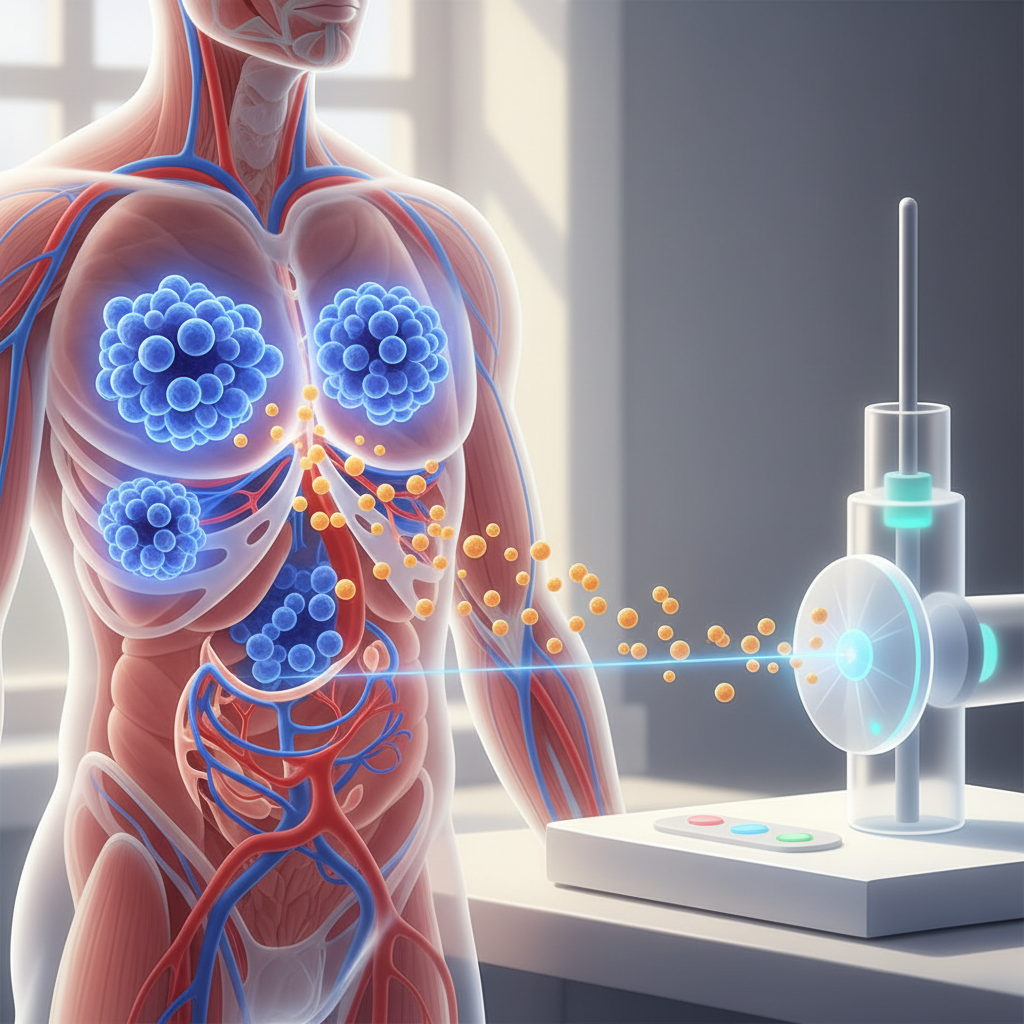
One of the most valuable uses of tumor markers is to monitor how well a patient is responding to treatment. If marker levels decrease during therapy, it often indicates that the treatment is effective in shrinking the tumor or controlling its growth [2]. Conversely, rising levels might suggest that the cancer is not responding or is progressing, prompting your doctor to consider alternative therapies. Regular monitoring can offer an early indication of how your body is reacting to therapy.
Detecting cancer recurrence
After successful treatment, tumor markers can be used to check for cancer recurrence [2]. If levels, which had previously normalized or decreased, begin to rise again, it could signal that the cancer has returned. This early detection allows for timely intervention. This is why consistent follow-up appointments and regular testing are so important for survivors.
Common Tumor Markers and What They Indicate
Many different tumor markers exist, each associated with specific types of cancer. Understanding some of the most common ones can help you engage more effectively with your care team. It's important to remember that 'normal' ranges can vary slightly between labs, and your doctor will interpret your results based on the specific lab's reference values [9].
CEA levels explained
Carcinoembryonic antigen (CEA) is a marker primarily associated with colorectal cancer but can also be elevated in other cancers like lung, breast, ovarian, and pancreatic cancer [1]. CEA levels explained often refers to its use in monitoring treatment response and detecting recurrence in colorectal cancer patients. Non-cancerous conditions such as inflammatory bowel disease, pancreatitis, and even smoking can also cause elevated CEA levels, reinforcing why context is key [1].
CA 125 normal range and ovarian cancer
Cancer Antigen 125 (CA 125) is the most studied marker for ovarian cancer [1]. It's typically used to monitor women diagnosed with ovarian cancer during and after treatment. While a high CA 125 level can be concerning, especially with other symptoms, it's not specific to ovarian cancer. Conditions like endometriosis, uterine fibroids, and even menstruation can cause the CA 125 normal range to be exceeded [1]. Therefore, an elevated CA 125 alone is rarely enough for a diagnosis without further imaging or biopsy.
PSA test results for prostate health
Prostate-Specific Antigen (PSA) is a protein produced by cells in the prostate gland. Elevated PSA test results are often associated with prostate cancer, but they can also be high due to benign prostatic hyperplasia (BPH), prostatitis, or even recent vigorous exercise [1]. PSA testing is a crucial part of prostate cancer screening, but abnormal results always warrant further investigation, such as a biopsy, to confirm a cancer diagnosis. For more detail, you might find our article on What to Ask Your Doctor About Prostate Cancer Screening helpful.
Interpreting Your Tumor Marker Results
Receiving your lab results can be daunting, but remember that these numbers are just one piece of your health picture. Your Orange County care team is there to help you understand what your specific results mean in the context of your overall health.
Why a single number isn't a diagnosis
It’s vital to understand that an elevated tumor marker level, even a significantly high one, is not a cancer diagnosis in itself [4, 5]. Many non-cancerous conditions can cause these levels to rise. For example, inflammation, infections, or even benign tumors can influence marker levels [1]. Your doctor will always combine tumor marker results with physical exams, imaging studies (like CT scans or MRIs), and potentially biopsies to get a complete and accurate diagnosis [5, 8]. If you have concerns, consider seeking a second opinion to ensure all aspects are thoroughly reviewed.
Factors influencing tumor markers accuracy
Several factors can affect the tumor markers accuracy. The marker's sensitivity (how well it detects cancer) and specificity (how well it distinguishes cancer from benign conditions) vary widely [6]. Some markers are very sensitive but not specific, meaning they might be elevated in many conditions, both cancerous and non-cancerous. Other factors include the individual's overall health, medications, and even the laboratory performing the test [9]. Consistency in testing at the same lab, if possible, can help in tracking trends more reliably.
The importance of trends over individual values
When monitoring cancer, your doctor is often more interested in the trend of your tumor marker levels than a single, isolated number [2, 9]. A steadily rising trend over several tests might be more concerning than a single elevated reading. Similarly, a declining trend during treatment is a positive sign. This is why regular testing at specified intervals is common, allowing your care team to see the bigger picture of your disease activity.
Common Tumor Markers and Their Applications
Below is a table outlining some common tumor markers, their primary associations, and typical non-cancerous causes for elevation. Keep in mind that 'normal' ranges can differ slightly by laboratory, and these are general guidelines [9]. Your doctor will provide you with precise reference ranges for your results. You can always use the free Ask the Assistant chat (floating bottom-right button) for instant answers to general questions about these markers.
| Tumor Marker | Primary Cancer Association(s) | Common Non-Cancerous Causes for Elevation | Primary Clinical Use |
|---|---|---|---|
| CEA | Colorectal, lung, breast, pancreatic | Smoking, inflammation, liver disease, IBD | Monitoring treatment, detecting recurrence [1] |
| CA 125 | Ovarian | Endometriosis, uterine fibroids, pregnancy, PID | Monitoring ovarian cancer, evaluating pelvic mass [1] |
| PSA | Prostate | BPH, prostatitis, recent ejaculation, infection | Screening, monitoring prostate cancer [1] |
| AFP | Liver, germ cell tumors | Hepatitis, cirrhosis, pregnancy | Diagnosing/monitoring liver cancer, germ cell tumors [1] |
| CA 19-9 | Pancreatic, bile duct | Pancreatitis, gallstones, liver disease | Monitoring pancreatic cancer [1] |
| HCG | Germ cell tumors, gestational trophoblastic disease | Pregnancy, cannabis use | Diagnosing/monitoring germ cell tumors [1] |

Integrating Tumor Markers with Your Treatment Plan
For residents of Orange County, navigating a cancer diagnosis means a multidisciplinary approach to care. Tumor markers are just one component your oncologists, surgeons, and other specialists use to craft a personalized treatment plan.
Personalized medicine and clinical trials
The information from tumor markers can contribute to personalized medicine, helping doctors select treatments most likely to be effective for your specific cancer [2]. In some cases, specific markers might qualify you for participation in clinical trials exploring new and innovative therapies. These trials often aim to understand how different treatments impact specific biological pathways identified by markers.
The multi-disciplinary approach in Orange County
At Cancer Answers OC, we emphasize a collaborative, multi-disciplinary approach. Your care team, including medical oncologists, radiation oncologists, and surgical oncologists, will review all diagnostic information, including your tumor marker results, to develop a comprehensive strategy tailored to you. This integrated perspective ensures that all facets of your health are considered. You can learn more about how specialists collaborate by reading articles like Second Opinion Lung Cancer Treatment in Irvine, CA or What to Expect from a Second Opinion for Thyroid Cancer.
Frequently asked questions
What if my tumor marker levels are high but I don't have cancer?
It’s possible. Many non-cancerous conditions, such as inflammation, benign tumors, or even certain lifestyle factors, can cause tumor markers to be elevated [1, 4]. Your doctor will investigate further with additional tests to determine the cause.
Can tumor markers be used for general cancer screening?
Generally, no. For most cancers, tumor markers are not sensitive or specific enough to be used for general screening in people without symptoms [4]. Their primary use is for monitoring diagnosed cancers or in conjunction with other tests for specific high-risk populations.
How often will I need a tumor marker blood test?
The frequency depends on your specific situation, type of cancer, and stage of treatment. Your doctor will establish a testing schedule based on clinical guidelines and your individual needs, often every few weeks or months during active treatment, and less frequently during surveillance [2].
Do all cancers produce tumor markers?
Not all cancers produce detectable tumor markers, and not every patient with cancer will have elevated levels [4]. Some cancers may produce markers that are not yet widely used in clinical practice, or the levels might be too low to be significant.
What should I do if I’m concerned about my tumor marker results?
Always discuss your concerns directly with your healthcare provider. They can provide accurate interpretation of your results in the context of your overall health, medical history, and other diagnostic findings. Don't hesitate to ask questions and seek clarification.
Are there any risks associated with tumor marker tests?
The risks are minimal, typically just those associated with any blood draw, such as slight pain or bruising at the needle site [10]. Serious complications are rare. It's a safe and routine procedure.
When to call your care team
- If you receive tumor marker blood test results and are unsure how to interpret them.
- If you experience new or worsening symptoms after treatment, especially if you are being monitored with tumor markers.
- If you have persistent questions or anxieties about your test results.
- If you need a referral to a specialist in Orange County or wish to discuss treatment options.
How Cancer Answers OC can help
Understanding your cancer journey and your diagnostic results, including your tumor marker blood test findings, is crucial for effective care. At Cancer Answers OC, we are dedicated to providing clear, compassionate, and expert guidance to patients and their families in Orange County. Our network of leading oncologists and specialists is here to support you at every step. We can help you find a specialist who understands your specific needs or even facilitate a second opinion to ensure you have all the information necessary for informed decisions. For quick, private answers to your general questions, remember to use our free Ask the Assistant chat, available 24/7 with live OC specialists for specific needs. If you're a physician looking to refer a patient, please visit our for physicians page.
Sources
- Tumor Markers Tests — Cleveland Clinic.
- Tumor Marker Tests in Common Use — NCI.
- Tumor markers may help to diagnose cancer, plan treatment, find out how ... — Facebook (cancer.gov).
- Tumor Marker — Ulta Lab Tests.
- Can a blood test detect cancer in the body? — HCA Midwest Health.
- Tumor markers: A diagnostic tool — PMC - NIH.
- Cancer Screening Tests — Walk-In Lab.
- Blood Test for Cancer: Diagnosis and Monitoring — City of Hope.
- Tumor Marker Tests: MedlinePlus Medical Test — MedlinePlus.
- Blood test — Cancer Research UK.