
Receiving a pancreatic cancer diagnosis, especially for a loved one, brings a whirlwind of emotions and urgent questions. As a caregiver, understanding the surgical landscape for pancreatic cancer in Newport Beach and Orange County is crucial for making informed decisions and providing the best support. This guide aims to answer your most pressing pancreatic cancer surgery questions, offering clarity and practical advice.
Key takeaways
- Pancreatic cancer surgery is complex and requires specialized expertise. Finding experienced surgeons and a multidisciplinary team is paramount.
- Eligibility for surgery depends on many factors, including the cancer stage, tumor location, and the patient's overall health.
- Different surgical procedures exist, like the Whipple procedure, distal pancreatectomy, and total pancreatectomy, each suited to specific situations.
- Recovery is a significant journey, involving hospital stays, pain management, nutritional support, and emotional care.
- Caregivers play a vital role in supporting patients through the decision-making process, surgery, and long-term recovery.
Understanding Pancreatic Cancer Surgery
When a loved one is diagnosed with pancreatic cancer, surgery often comes up as a potential treatment option. However, it's a complex decision with many factors to consider. Understanding the basics helps you approach discussions with the medical team more confidently.
What is pancreatic cancer surgery?
Pancreatic cancer surgery involves removing the cancerous tumor and, often, parts of the pancreas and surrounding organs. The goal is to remove as much of the cancer as possible, and for some, it offers the best chance for long-term survival [9]. This type of surgery is one of the most challenging abdominal operations due to the pancreas's central location and its critical role in digestion and hormone production.
Is surgery always an option?
Unfortunately, not all patients with pancreatic cancer are candidates for surgery. Only about 15-20% of pancreatic cancers are found at an early enough stage to be considered resectable (surgically removable) at diagnosis [10]. Factors like the tumor's size, location, and whether it has spread to major blood vessels or distant organs determine resectability. Your care team will conduct thorough evaluations, including imaging scans and sometimes biopsies, to assess suitability for surgery.
Preparing for the Surgical Journey
If surgery is recommended, preparation is key. This includes understanding the various procedures, ensuring the patient is in the best possible health, and knowing what to expect in the hospital.
Types of pancreatic cancer surgery
Several surgical procedures exist for pancreatic cancer, tailored to the tumor's location:
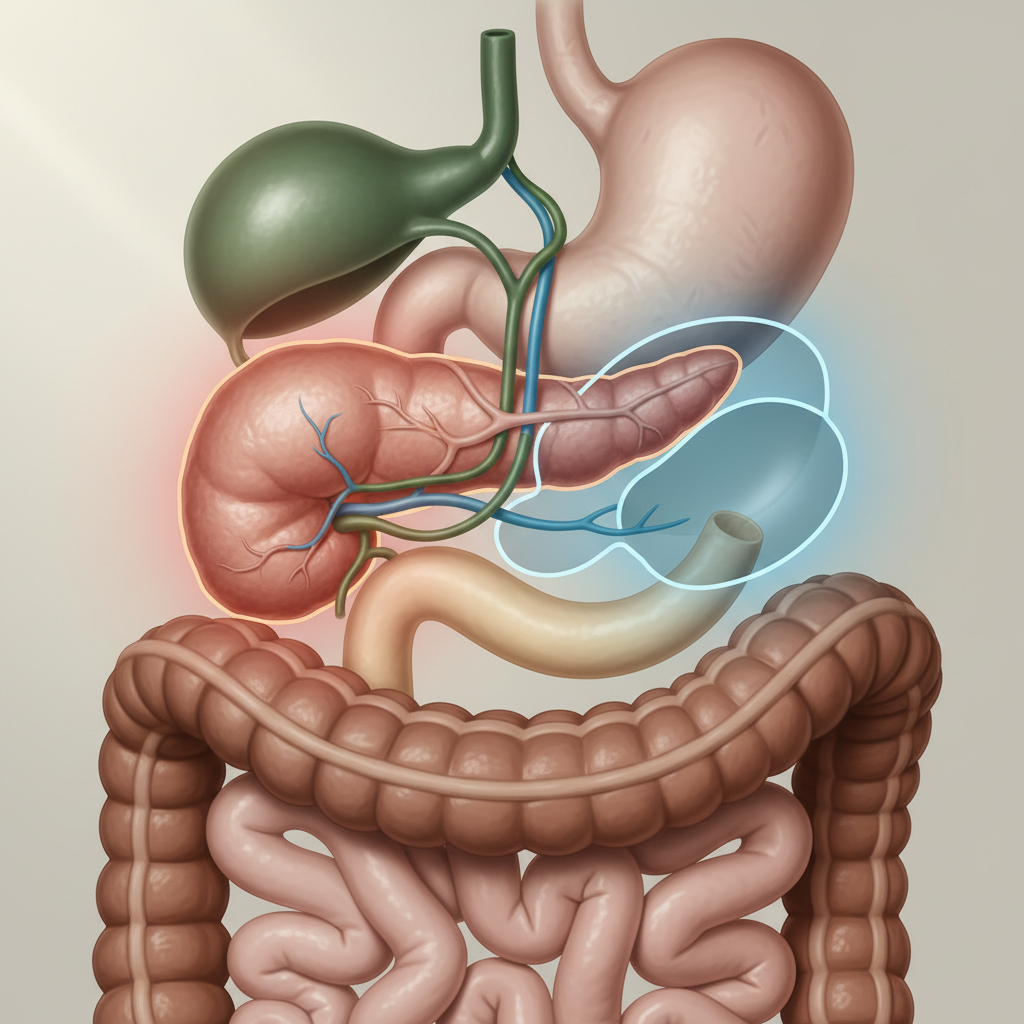
- Whipple Procedure (Pancreatoduodenectomy): This is the most common surgery for tumors in the head of the pancreas, the most frequent location for pancreatic cancer. It involves removing the head of the pancreas, the duodenum (first part of the small intestine), the gallbladder, part of the bile duct, and sometimes a portion of the stomach. The remaining organs are then reconnected [10].
- Distal Pancreatectomy: This procedure is performed for tumors in the body or tail of the pancreas. It involves removing the body and tail of the pancreas, and often the spleen, as these organs share a blood supply.
- Total Pancreatectomy: In some rare cases, if cancer is widespread throughout the pancreas or if multiple benign tumors are present, the entire pancreas and often the spleen, gallbladder, and parts of the stomach and small intestine, may be removed. Patients undergoing a total pancreatectomy will require lifelong insulin and digestive enzyme replacement.
Pre-surgical considerations and optimizations
Before surgery, the medical team will work to optimize the patient's health. This might include nutritional support, managing diabetes if it's already present (or has emerged due to the cancer), and ensuring heart and lung function is adequate. Some patients might undergo neoadjuvant therapy (chemotherapy or radiation before surgery) to shrink the tumor or treat micrometastases, making surgery more effective [9]. As a caregiver, supporting healthy eating, encouraging light activity as tolerated, and helping with medication management are crucial roles.
Finding the best pancreatic cancer surgeons in Orange County
Choosing an experienced surgical team is vital for pancreatic cancer. Look for surgeons who perform a high volume of these complex procedures. Studies suggest that surgical outcomes, including complication rates and survival, are significantly better at high-volume centers [9]. In Orange County and Newport Beach, Cancer Answers OC can help you /find-specialist who has specific expertise in pancreatic cancer surgery, ensuring your loved one receives care from the best pancreatic cancer surgeons available. Don't hesitate to ask about a surgeon's experience and case volume during consultations [7].
In-depth look
The multi-disciplinary approach to care
Successful pancreatic cancer treatment rarely involves just one doctor. A multidisciplinary team (MDT) approach is considered the gold standard [9]. This team typically includes surgeons, medical oncologists, radiation oncologists, gastroenterologists, radiologists, pathologists, dietitians, pain management specialists, and specialized nurses. Each member brings unique expertise, collaborating to develop a personalized treatment plan that addresses all aspects of the patient's condition and well-being. This integrated approach ensures that all potential options, from surgical to systemic therapies, are thoroughly considered.
Robotic and minimally invasive surgery
In some carefully selected cases, certain pancreatic cancer surgeries, particularly distal pancreatectomies, can be performed using minimally invasive techniques, such as laparoscopic or robotic-assisted surgery. These approaches involve smaller incisions, potentially leading to less pain, reduced blood loss, and a faster initial recovery for appropriate candidates [2]. However, the complexity of pancreatic anatomy means that many resections still require traditional open surgery. Your surgeon will discuss whether a minimally invasive approach is suitable for your loved one's specific situation.
Post-Surgery and Recovery
The period immediately following pancreatic cancer surgery and the subsequent recovery phase are critical. Caregivers play an indispensable role in supporting the patient through this time.
What to expect immediately after surgery
After pancreatic cancer surgery, patients typically spend several days to a week or more in the hospital. The first few days will involve close monitoring in an intensive care unit (ICU) or a specialized surgical ward. Pain management will be a priority, often involving epidural catheters or patient-controlled analgesia (PCA) pumps. Patients will have various tubes and drains, including IV lines, a urinary catheter, and drains near the surgical site to remove fluid. Early mobilization (getting out of bed and walking) is encouraged to prevent complications like blood clots and pneumonia.
Managing common complications
Pancreatic surgery carries a risk of complications, which the care team will diligently monitor. Common complications can include pancreatic fistula (leakage of digestive fluids from the surgical site), delayed gastric emptying, infection, bleeding, and blood clots [9]. Each complication has specific management strategies. As a caregiver, understanding potential signs of trouble, such as fever, increased pain, or unusual discharge from drains, and reporting them promptly to the nursing staff is essential.
Long-term recovery and lifestyle adjustments
Recovery from pancreatic cancer surgery is a marathon, not a sprint. Patients will gradually regain strength and stamina over several weeks to months. They may experience changes in digestion due to the removal of parts of the pancreas and other organs. Nutritional support, often involving digestive enzyme supplements and a modified diet, is critical to aid digestion and prevent weight loss [9]. Your loved one may also need to monitor blood sugar levels and, in some cases, take insulin if they develop diabetes. Emotional support, gentle encouragement for physical activity, and helping to schedule follow-up appointments are key caregiver duties. Remember, our free Ask the Assistant chat can help you find quick answers and resources throughout this recovery period.
Emotional and Practical Support for Caregivers
Your role as a caregiver is invaluable, but it can also be emotionally and physically taxing. It's important to find ways to support yourself while supporting your loved one.
Navigating the emotional landscape
Both patients and caregivers experience a wide range of emotions, including fear, anxiety, sadness, and hope. It's normal to feel overwhelmed. Open communication with your loved one, seeking support from other family members, friends, or support groups, and talking with mental health professionals can be incredibly helpful. Cancer Answers OC offers resources and connections to support services for caregivers in Orange County.
Practical tips for caregivers
Managing appointments, medications, and household tasks can be a lot. Create a detailed schedule for medications and appointments. Keep a binder or digital file with all medical records, contact information, and questions for the medical team. Delegate tasks to other family members or friends when possible. Don't be afraid to ask for help, whether it's for meal preparation, childcare, or simply someone to talk to. For more detailed guidance, consider asking our free Ask the Assistant chat for caregiver resources.
Beyond Surgery: Ongoing Care and Support
Surgery is often a critical step, but it's part of a broader, ongoing treatment plan for pancreatic cancer.
Adjuvant therapies and follow-up care
After surgery, most patients will undergo adjuvant therapy, typically chemotherapy, to kill any remaining cancer cells and reduce the risk of recurrence. Radiation therapy may also be used. Regular follow-up appointments with the oncology team, including blood tests and imaging scans, are essential to monitor for any signs of recurrence or address long-term side effects [1]. Your loved one's care will be closely managed by their multidisciplinary team in Newport Beach.
Clinical trials and new advancements
For some patients, participating in clinical trials may be an option. Clinical trials investigate new treatments or combinations of existing therapies that may offer additional benefits. You can learn more about clinical trials relevant to pancreatic cancer in Orange County by visiting our /clinical-trials page. Organizations like ClinicalTrials.gov list many active studies, including those focused on early detection [3], treatment of metastatic pancreatic cancer [4], or post-surgical management [5, 6]. Discussing this possibility with the medical team is important for understanding if it's a suitable path for your loved one.
Frequently asked questions
What specific questions should I ask the surgeon before pancreatic cancer surgery?
You should ask about the surgeon's experience with the specific procedure, the expected success rate, potential complications, the typical recovery timeline, and what kind of support will be available post-surgery [7, 8]. Also, inquire about the multidisciplinary team involved in your loved one's care.
How long is the typical hospital stay after pancreatic cancer surgery?
The typical hospital stay after pancreatic cancer surgery, especially a Whipple procedure, can range from 7 to 14 days, though it can vary based on individual recovery and any complications [9].
Can pancreatic cancer return after successful surgery?
Yes, even after successful surgery where all visible cancer is removed, there's a risk of recurrence. This is why adjuvant chemotherapy is often recommended, and regular follow-up monitoring is crucial [1].
What dietary restrictions or changes are common after pancreatic surgery?
Patients often need to follow a low-fat diet, eat smaller, more frequent meals, and take digestive enzyme supplements with food to help with nutrient absorption. A registered dietitian will provide personalized guidance [9].
What are the main challenges for caregivers after pancreatic cancer surgery?
Caregivers often face challenges related to pain management, dietary needs, managing medication schedules, emotional support, and balancing their own needs with caregiving duties. Seeking support and delegating tasks are key.
Where can I find a second opinion for pancreatic cancer surgery in Orange County?
Cancer Answers OC can connect you with leading specialists in Orange County and Newport Beach for a /second-opinion. Seeking a second opinion is a common and recommended step in complex cancer care.
When to call your care team
- Fever of 100.4°F (38°C) or higher: This could indicate an infection.
- Increased pain: New or worsening pain not controlled by medication.
- Unusual drainage from the incision site: Especially if it's cloudy, bloody, or has a foul odor.
- Persistent nausea or vomiting: Signs of delayed gastric emptying or other digestive issues.
- Shortness of breath or chest pain: Potentially serious complications like blood clots or pneumonia.
- Significant weight loss or inability to eat: Concerns about nutrition and healing.
How Cancer Answers OC can help
At Cancer Answers OC, we understand the immense challenges that come with a pancreatic cancer diagnosis and the complexities of pancreatic cancer surgery. Our mission is to provide caregivers in Newport Beach and across Orange County with clear, evidence-based information and access to top-tier care. We can help you navigate selecting the best pancreatic cancer surgeons, understand various surgical options, and connect you with comprehensive support services.
Utilize our resources, including our free Ask the Assistant chat, available 24/7. It provides instant, private answers to your questions, with the option to connect with live Orange County specialists when needed. Let us be your trusted partner in this journey, ensuring your loved one receives the highest quality of care and you feel supported every step of the way. Visit our /contact page or explore our site for more information specific to pancreatic cancer treatment centers Newport Beach.
Related resources
- Prostate Cancer Treatment Options at Home: A Patient’s Guide
- Understanding Targeted Therapy for Breast Cancer in Orange County
- Proton Therapy Cancer Treatment in Orange County: A Targeted Approach
- Find a cancer specialist in Orange County
- Get a second opinion
- Insurance and coverage guide
Sources
- NCT04970056 | Pancreatic Cancer Early Detection Consortium. URL: https://clinicaltrials.gov/study/NCT04970056
- Study Details | NCT04340141 - Clinical Trials. URL: https://clinicaltrials.gov/study/NCT04340141
- Pancreatic Cancer Early Detection Registry | ClinicalTrials.gov. URL: https://clinicaltrials.gov/study/NCT05519930
- Study Details | NCT07409272 | ClinicalTrials.gov - Clinical Trials. URL: https://clinicaltrials.gov/study/NCT07409272
- Study Details | NCT05968326 | ClinicalTrials.gov - ClinicalTrials.gov. URL: https://clinicaltrials.gov/study/NCT05968326
- Study Details | NCT06388967 | Pancreatic Cancer Detection .... URL: https://clinicaltrials.gov/study/NCT06388967
- Pancreatic Cancer Questions to Ask the Healthcare Team – PanCAN. URL: https://pancan.org/facing-pancreatic-cancer/diagnosis/choosing-your-healthcare-team/questions-to-ask-your-healthcare-team/
- Questions to Ask About Pancreatic Cancer. URL: https://www.cancer.org/cancer/types/pancreatic-cancer/detection-diagnosis-staging/talking-with-doctor.html
- Pancreatic Cancer Surgery Essentials: From Decision to Recovery. URL: https://www.youtube.com/watch?v=IC2i5wzCfNg
- Pancreatic cancer - Diagnosis and treatment - Mayo Clinic. URL: https://www.mayoclinic.org/diseases-conditions/pancreatic-cancer/diagnosis-treatment/drc-20355427