
When a loved one is diagnosed with colorectal cancer, the path ahead can seem daunting, especially when considering surgery. Finding the best care, including advanced treatment options like robotic surgery for colorectal cancer in Orange County, becomes a top priority for caregivers. This guide aims to demystify robotic-assisted surgery, explaining its benefits, what to expect, and where to find leading specialists locally.
At a glance
| Detail | Summary |
|---|---|
| Topic | robotic surgery colorectal cancer Orange County |
| Who it is for | Caregivers and family |
| Area served | Orange County, California |
| Category | local-orange-county |
| Reading time | About 10 minutes |
| Cited sources | 6 |
| Last reviewed | 2026-06-01 |
Key takeaways
- Robotic surgery offers enhanced precision for colorectal cancer, potentially improving surgical outcomes.
- Patients often experience faster recovery with less pain due to smaller incisions and reduced blood loss compared to traditional open surgery.
- Orange County is home to leading hospitals and specialists offering advanced robotic colorectal cancer surgery.
- Understanding the technology helps caregivers ask informed questions and support their loved ones effectively.
- Access to local resources and specialists relieves stress, ensuring your loved one receives high-quality, convenient care close to home.
Understanding Colorectal Cancer and its Treatment
Colorectal cancer, affecting the colon or rectum, is a significant health concern. As a caregiver, learning about the disease and its treatments is crucial for supporting your loved one effectively. Surgery is frequently a primary treatment, especially for early-stage colorectal cancer [7].
What is Colorectal Cancer?
Colorectal cancer originates in the large intestine (colon) or the rectum (the end part of the large intestine). It typically begins as small, noncancerous clumps of cells called polyps that can become cancerous over time. Regular screening, such as colonoscopies, is vital for early detection and removal of these polyps [5].
Traditional Surgical Approaches
Historically, colorectal cancer surgery often involved open colectomy or proctectomy, requiring a large incision to access the affected area. While effective, this approach can lead to more pain, longer hospital stays, and a more extended recovery period. Laparoscopic surgery, a minimally invasive alternative, emerged as an improvement, using several small incisions and specialized instruments [6]. However, even laparoscopic surgery has limitations in terms of instrument flexibility and 3D visualization, which robotic surgery aims to overcome.
The Rise of Robotic Surgery in Colorectal Cancer Care
Robotic surgery represents a significant evolution in minimally invasive surgical techniques. For caregivers, understanding this advanced approach can provide reassurance regarding its safety and effectiveness for their loved ones.
How Robotic Surgery Works
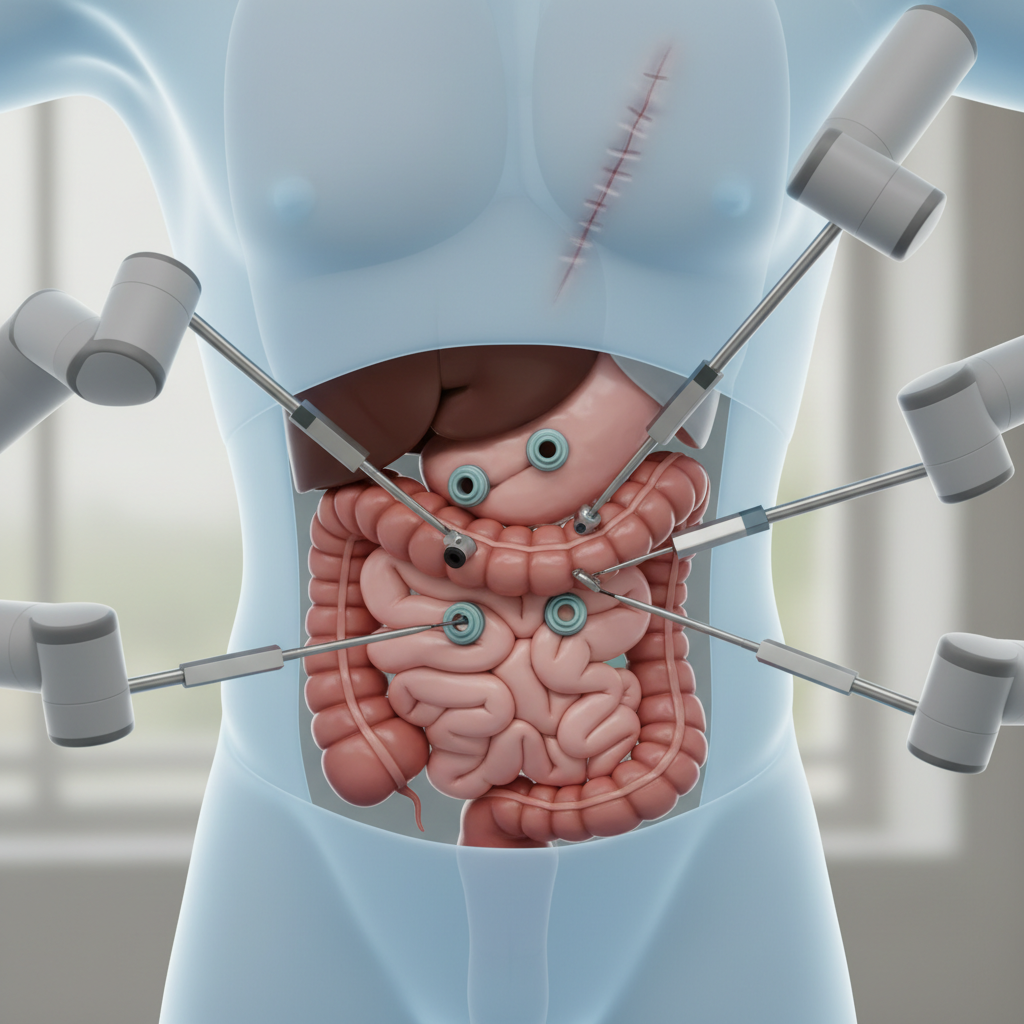
During robotic surgery, your loved one's surgeon sits at a console, controlling sophisticated robotic arms that hold and manipulate surgical instruments. These instruments are inserted through several small incisions, typically 1-2 cm each. The console provides a high-definition, magnified 3D view of the surgical site, enhancing the surgeon's precision and vision beyond what is possible with the human eye [1]. This technology translates the surgeon's hand movements into precise, scaled movements of the robotic instruments, even filtering out natural tremors.
Advantages Over Traditional Methods
Robotic surgery offers several distinct advantages over traditional open surgery and even conventional laparoscopic surgery for colorectal cancer. These include enhanced dexterity, improved visualization, and increased precision for the surgeon. From a patient perspective, these surgical benefits often translate to better recovery outcomes.
In-depth look
Precision and Visualization
One of the most compelling benefits of robotic surgery is the unparalleled precision it offers. The robotic system provides a highly magnified, three-dimensional view of the surgical field, allowing surgeons to navigate complex anatomy with greater clarity. The robotic instruments have a wider range of motion than the human wrist, enabling the surgeon to perform delicate dissections and suturing with remarkable accuracy in tight spaces, such as the pelvis for rectal cancer [3]. This precision is critical for preserving healthy tissue and nerve function.
Reduced Pain and Faster Recovery
Minimally invasive approaches, including robotic surgery, generally lead to less post-operative pain and a quicker return to normal activities. With smaller incisions, there's less trauma to the body, resulting in reduced blood loss, a lower risk of infection, and less scarring [1]. Caregivers often report that their loved ones experience a smoother recovery trajectory, often able to leave the hospital sooner and resume daily routines more quickly than with open surgery [4].
Benefits for Patients and Caregivers
Choosing robotic surgery for colorectal cancer can bring numerous advantages that extend beyond the operating room, positively impacting both your loved one's recovery and your role as a caregiver.
Shorter Hospital Stays and Quicker Return Home
One of the most appreciated benefits for patients and caregivers alike is the reduced length of hospital stay following robotic colorectal surgery. Many patients can go home sooner, allowing them to recover in the comfort of their own environment. This lessens the burden on caregivers, who might otherwise need to spend extended periods at the hospital.
Less Disruption to Daily Life
Because robotic surgery often leads to less pain and faster healing, patients can typically resume their normal daily activities, such as walking, eating solid foods, and even light work, sooner than with traditional surgery. This allows your loved one to regain independence more quickly and can reduce the overall stress and disruption to family life that a cancer diagnosis often brings.
Finding Robotic Surgery for Colorectal Cancer in Orange County
Orange County is a hub for advanced medical care, and several reputable institutions offer state-of-the-art robotic surgery for colorectal cancer. As a caregiver, knowing where to turn for expert care is paramount.
Top Hospitals and Medical Centers in Orange County
Hospitals such as UCI Health [8], Providence St. Joseph Hospital Orange [9], and City of Hope Orange County [7] are recognized for their robotic surgery programs, including specialized services for colorectal cancer. These centers often feature multidisciplinary teams of surgeons, oncologists, nurses, and support staff dedicated to providing comprehensive cancer care. When seeking a specialist, consider asking about their experience with robotic colorectal cases and the number of procedures they perform annually.
Questions to Ask the Care Team
Preparing a list of questions can help you and your loved one make informed decisions. Consider asking:
- What is the surgeon's experience with robotic colectomy/proctectomy?
- What are the potential benefits and risks of robotic surgery for this specific case?
- What is the typical recovery timeline, including hospital stay and return to normal activities?
- Are there any alternative treatment options available?
- What support services are offered for patients and caregivers during and after treatment?
If you have immediate questions, remember you can always use the free Ask the Assistant chat available on our website in the floating bottom-right button. It offers instant, private, 24/7 assistance and can connect you with live OC specialists when needed.
Preparing for Robotic Colorectal Cancer Surgery
As a caregiver, your role in preparing your loved one for surgery is indispensable. Thorough preparation can ease anxieties and contribute to a smoother process and better outcome.
Pre-operative Planning and Education
Your loved one's medical team will provide detailed instructions for pre-operative care, which may include dietary restrictions, medication adjustments, and bowel preparation. Ensure you understand all instructions and help your loved one follow them precisely. Many hospitals also offer pre-surgical education classes, which can be invaluable for understanding the process and what to expect post-operatively.
What Caregivers Can Do to Help
Your support is vital. Help manage appointments, communicate with the medical team, and create a comfortable and calm environment at home. Discuss practical arrangements for the recovery period, such as meal preparation, transportation, and assistance with daily tasks. Emotional support is also crucial; be present, listen, and offer reassurance throughout this challenging time.
Post-Operative Care and Recovery
While robotic surgery aims for a quicker recovery, the post-operative period still requires careful attention and support from caregivers.
Managing Pain and Discomfort
Your loved one will likely experience some pain or discomfort, which will be managed with medication. Ensure they take medication as prescribed and report any uncontrolled pain to the care team. Encourage gentle movement, as advised by nurses or physical therapists, to aid recovery and prevent complications.
Nutrition and Activity Guidelines
The medical team will provide specific guidelines for diet and activity. Typically, a gradual return to a regular diet is recommended. Encourage light walking early on, as this promotes healing and prevents complications like blood clots. Avoid heavy lifting or strenuous activities until cleared by the surgeon. Your role is important in monitoring these guidelines and assisting your loved one.
Remember, your dedication as a caregiver is invaluable throughout this process. Cancer Answers OC is here to help you navigate every step of the journey, connecting you with the best resources and support in Orange County.
Frequently asked questions
Is robotic surgery more expensive than traditional surgery for colorectal cancer?
While the upfront cost of the robotic system is significant for hospitals, studies suggest that robotic surgery can sometimes lead to lower overall healthcare costs due to shorter hospital stays and fewer complications [2]. Cost varies by insurance and specific procedures, so it's best to discuss this with your loved one's insurance provider and care team.
How long does recovery from robotic colorectal cancer surgery take?
Recovery times vary, but patients undergoing robotic colorectal surgery often have a shorter hospital stay, typically 2-5 days, compared to traditional open surgery. Full recovery and return to normal activities may take a few weeks to a couple of months, depending on the individual and the extent of the surgery.
Are there any specific risks associated with robotic colorectal surgery?
Like any surgery, robotic colorectal surgery carries risks, including infection, bleeding, or complications from anesthesia. Specific to robotic surgery, there's a small risk of instrumental malfunction or injury to surrounding organs [3]. However, experienced surgeons and advanced protocols minimize these risks, and often robotic surgery has fewer complications than open surgery [1].
Can all colorectal cancer patients undergo robotic surgery?
No, not all patients are candidates for robotic surgery. Factors like the size and location of the tumor, the stage of cancer, previous abdominal surgeries, and overall health determine eligibility. Your loved one's surgeon will assess their individual case to determine the most appropriate surgical approach.
How can I find a surgeon specializing in robotic colorectal surgery in Orange County?
You can start by asking your loved one's oncologist for referrals to colorectal surgeons with expertise in robotic techniques. Hospital websites, particularly those like UCI Health or City of Hope Orange County, often list their specialized surgeons and their areas of focus. Cancer Answers OC can also help guide you to a local specialist through our find a specialist tool.
When to call your care team
- Uncontrolled pain: If your loved one's pain is not managed by prescribed medication.
- Signs of infection: Redness, swelling, warmth, or pus at the incision sites or a fever (over 100.4°F or 38°C).
- Persistent nausea or vomiting: If your loved one is unable to keep food or liquids down.
- Difficulty breathing: Shortness of breath or persistent cough.
- Changes in bowel habits: Severe constipation, diarrhea, or inability to pass gas.
- Any concerns or questions that are causing you or your loved one anxiety.
How Cancer Answers OC can help
At Cancer Answers OC, we understand the complexities of supporting a loved one through colorectal cancer treatment. We are dedicated to providing caregivers in Orange County with reliable, patient-friendly, and evidence-based information. Our mission is to empower you with knowledge and connect you to the best resources available.
We can assist you in exploring treatment options, helping you understand the details of advanced procedures like robotic surgery for colorectal cancer, and guiding you to premier hospitals and specialists in Orange County. Don't hesitate to use our tools like /contact or our internal search for more information. For immediate questions, our free Ask the Assistant chat is available 24/7, providing private support and, when necessary, connecting you to live OC specialists. Cancer Answers OC is your trusted partner in navigating your loved one's cancer journey.
Related resources
- Navigating Prostate Cancer Treatment Options in Orange County
- Second Opinion for Colorectal Cancer in Mission Viejo: Your Guide to Confident Care
- Finding the Best Colon Cancer Oncologist in Irvine, CA: A Comprehensive Guide
- Find a cancer specialist in Orange County
- Get a second opinion
- Insurance and coverage guide
Sources
- Effect of Robotic-Assisted vs Conventional Laparoscopic Surgery on ... URL: https://pmc.ncbi.nlm.nih.gov/articles/PMC5818805/
- Future of Minimally Invasive Colorectal Surgery - PMC URL: https://pmc.ncbi.nlm.nih.gov/articles/PMC4991970/
- Robot-Assisted Surgery for Reversed Intestinal Malrotation with ... URL: https://pmc.ncbi.nlm.nih.gov/articles/PMC11334670/
- Association of Quality and Technology With Patient Mobility ... - PMC URL: https://pmc.ncbi.nlm.nih.gov/articles/PMC9647575/
- Extraction site hernia and short-term outcomes following ... - PMC URL: https://pmc.ncbi.nlm.nih.gov/articles/PMC12823757/
- Laparoscopic colorectal surgery: Current status and implementation ... URL: https://pmc.ncbi.nlm.nih.gov/articles/PMC4716070/
- Robotic Surgery for Colorectal Cancer: A Trailblazing Treatment URL: https://www.cityofhope.org/orange-county/talking-hope/robotic-surgery-colorectal-cancer