
Navigating a colorectal cancer diagnosis can feel overwhelming, but finding the right care team is a crucial first step. This guide is designed to empower you with the knowledge to select the best colon cancer oncologist in Irvine, CA, ensuring you receive personalized and advanced treatment options. We'll explore what to look for in a specialist, the latest treatment approaches, and how local resources can support your journey.
Key takeaways
- Experience Matters: Look for oncologists with specific expertise in colorectal cancer, as this specialization ensures up-to-date knowledge and proficiency.
- Team-Based Approach: Effective colorectal cancer care often involves a multidisciplinary team, including surgeons, radiation oncologists, and dietitians.
- Advanced Treatment Options: The best specialists offer a range of cutting-edge treatments tailored to your specific cancer, from advanced surgical techniques to immunotherapy.
- Personalized Care: A great oncologist prioritizes clear communication, patient education, and a treatment plan that aligns with your values and lifestyle.
- Local Resources in Irvine: Utilize local resources and support networks in Orange County to complement your medical care and enhance your overall well-being.
Understanding Colorectal Cancer: What You Need to Know
Colorectal cancer, often referred to as colon cancer, develops in the large intestine (colon) or the rectum. It's one of the most common cancers, but with early detection and advancements in treatment, outcomes continue to improve significantly. Understanding the basics can help you engage more effectively with your care team.
Types and Stages of Colorectal Cancer
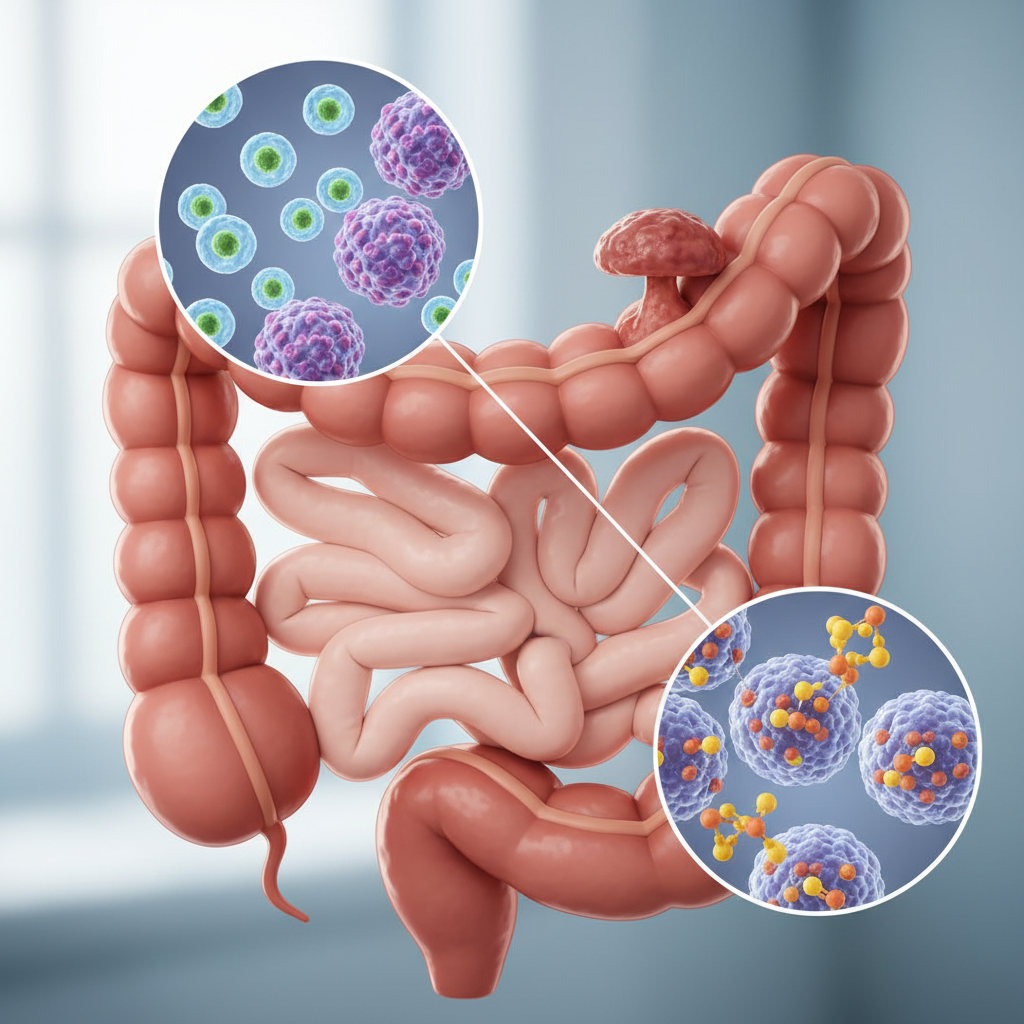
Colorectal cancer typically begins as small, noncancerous (benign) clumps of cells called polyps that form on the inside of the colon. Over time, some of these polyps can become cancerous. The stage of colorectal cancer is crucial for determining the best treatment approach, ranging from Stage 0 (carcinoma in situ) to Stage IV (metastatic cancer).
There are various types, with adenocarcinoma being the most common, accounting for over 95% of cases. Rarer types include carcinoid tumors, gastrointestinal stromal tumors (GISTs), and lymphomas, each requiring specialized diagnostic and treatment strategies.
Common Risk Factors and Symptoms
While anyone can develop colorectal cancer, certain factors increase your risk. These include age (risk increases after age 50, though it's rising in younger adults), a personal or family history of colorectal polyps or cancer, inflammatory bowel diseases like Crohn's disease or ulcerative colitis, and certain genetic syndromes [5]. Lifestyle factors such as a diet low in fiber and high in red or processed meats, obesity, physical inactivity, smoking, and heavy alcohol use can also contribute.
Symptoms can vary and often don't appear until the cancer is more advanced. Watch for changes in bowel habits (diarrhea, constipation, or narrowing of the stool), rectal bleeding or blood in your stool, persistent abdominal discomfort (cramps, gas, pain), a feeling that your bowel doesn't empty completely, weakness or fatigue, and unexplained weight loss. If you experience any of these, it's important to consult a healthcare professional. Early detection dramatically improves treatment success rates.
Why Finding the Right Colon Cancer Oncologist in Irvine is Crucial
Coping with a cancer diagnosis is incredibly challenging. Having confidence in your medical team can ease some of that burden. For colorectal cancer, a highly specialized oncologist can make a profound difference in your treatment journey and potential outcomes.
The Importance of Specialization in Colorectal Oncology
Oncology is a vast field, and within it, sub-specialties like colorectal oncology demand deep expertise due to the unique characteristics of these cancers. Colorectal cancer specialists in Irvine, such as those that can be found through Cancer Answers OC’s /find-specialist directory, are intimately familiar with the latest research, treatment protocols, and emerging therapies specific to colon and rectal cancers. This specialization means they understand the nuances of various tumor types, genetic markers, and resistance patterns, which can directly influence treatment efficacy.
Their expertise extends beyond standard chemotherapy to include targeted therapies, immunotherapies, and complex surgical approaches that may not be familiar to a general oncologist [2]. This specialized knowledge ensures you receive the most current and evidence-based care available, tailored precisely to your form of the disease.
Navigating Irvine's Healthcare Landscape for Cancer Care
Irvine, and Orange County at large, is home to a robust healthcare infrastructure, including several renowned cancer centers and hospitals. This can be both a blessing and a challenge. While it offers many excellent choices, identifying the best colon cancer oncologist in Irvine, CA, requires careful consideration.
Look for facilities that emphasize a multidisciplinary approach, where oncologists, surgeons, radiation oncologists, pathologists, and other specialists collaborate to create a comprehensive treatment plan. Proximity to your home, insurance coverage, and the reputation of the institution are all practical factors to weigh. Cancer Answers OC is dedicated to helping patients in Orange County connect with top-tier specialists and navigate these options. Patients can even use our free, private, instant, 24/7 Ask the Assistant chat (floating bottom-right button) to get initial questions answered and find relevant resources, with live OC specialists available for deeper queries.
What to Look For in a Top Colorectal Oncologist in Irvine, CA
Selecting your oncologist is a very personal decision, but there are objective criteria that can guide you toward the best choice. Consider their experience, approach to patient care, and access to advanced treatments.
Experience and Credentials
When seeking the best colon cancer doctor in Orange County, verify their board certification in medical oncology and their specific focus on gastrointestinal or colorectal cancers. How many colorectal cancer cases do they treat annually? What is their experience with your specific stage or type of cancer? An experienced physician often has a deeper understanding of rare presentations and complex cases.
Consider asking about their involvement in clinical research or publications related to colorectal cancer. This indicates a commitment to staying at the forefront of the field and potentially offers access to cutting-edge trials. You can often find this information on hospital websites, doctor profiles, or through professional organizations. Websites like the American Society of Clinical Oncology (ASCO) or the National Comprehensive Cancer Network (NCCN) can also provide further insights into credentialing standards.
Communication Style and Patient-Centered Care
Beyond credentials, an oncologist's communication style and commitment to patient-centered care are paramount. Do they listen attentively to your concerns? Do they explain complex medical information in a way you can understand? Feeling heard and respected is vital for building trust.
Look for an oncologist who encourages questions, involves you in decision-making, and respects your values and preferences. They should clearly outline treatment options, potential side effects, and expected outcomes, empowering you to make informed decisions about your health. A patient-centered approach also means considering your quality of life throughout treatment, not just focusing on disease eradication.
Access to Advanced Treatments and Clinical Trials
The best colon cancer oncologists in Irvine, CA, will offer a spectrum of the most current and effective treatment modalities. This includes not just traditional chemotherapy and radiation but also:
- Targeted Therapies: Drugs that attack specific vulnerabilities within cancer cells, often with fewer side effects than conventional chemotherapy.
- Immunotherapy: Treatments that harness your body's own immune system to fight cancer [2].
- Advanced Surgical Techniques: Such as robotic-assisted surgery or minimally invasive procedures by an experienced colon cancer surgeon Irvine, which can lead to faster recovery.
- Clinical Trials: Access to clinical trials can offer new, experimental treatments not yet widely available. These trials are critical for advancing cancer care and could provide a unique opportunity for eligible patients [4]. You can learn more about available opportunities via Cancer Answers OC's
/clinical-trialspage.
In-depth look
Finding the right colorectal cancer specialist in Irvine often means looking beyond the immediate treatment phase. The journey with cancer care is long-term, requiring vigilance and adaptive strategies.
The Role of Multidisciplinary Teams in Colorectal Cancer Treatment
Modern cancer care is rarely handled by a single physician. A multidisciplinary team (MDT) approach is considered the gold standard for colorectal cancer. This team typically includes: a medical oncologist, a colorectal surgeon, a radiation oncologist, a pathologist, a radiologist, an oncology nurse, a dietitian, and a social worker or patient navigator. Each specialist brings unique expertise to the table, ensuring all aspects of your care are considered, from accurate diagnosis and surgical planning to post-treatment recovery and psychosocial support.
This collaborative model ensures that your treatment plan is comprehensive, personalized, and continuously optimized. Weekly or bi-weekly tumor board meetings, where cases are discussed among the MDT, mean you benefit from the collective wisdom and experience of many experts. It's a proactive way to avoid fragmented care and ensure all perspectives are integrated into your treatment strategy.
Personalized Treatment Approaches: Genetics and Biomarkers
The landscape of colorectal cancer treatment is rapidly evolving, moving towards highly personalized approaches based on the unique genetic makeup of your tumor. Advanced molecular testing of your cancer tissue can identify specific biomarkers, such as mutations in genes like KRAS, NRAS, BRAF, or microsatellite instability (MSI) status [1].
These biomarkers help oncologists predict how your cancer might respond to certain targeted therapies or immunotherapies, allowing for a more precise and effective treatment selection. For instance, some immunotherapies are particularly effective for MSI-high colorectal cancers [2]. Discussing biomarker testing with your oncologist is crucial, as it can unveil opportunities for treatments tailored specifically to your cancer's biology, improving outcomes and minimizing unnecessary toxicity.
Finding an Experienced Colon Cancer Surgeon in Irvine
Often, surgery is a cornerstone of colorectal cancer treatment, especially for early-stage disease. Identifying an experienced colon cancer surgeon in Irvine, CA, is just as critical as finding the right medical oncologist.
When Surgery is Recommended
Surgery is typically the primary treatment for early-stage colon cancer and may be used for rectal cancer, often in combination with radiation and chemotherapy. The goal is to remove the tumor and surrounding lymph nodes. For more advanced cases, surgery might be performed to debulk the tumor, relieve symptoms, or resect metastatic lesions. Your medical oncologist and surgeon will work together to determine the optimal timing and type of surgical intervention.
Key Considerations for Selecting a Colorectal Surgeon
When choosing a surgeon, prioritize those with extensive experience in colorectal procedures. Look for surgeons who regularly perform the specific type of surgery you might need (e.g., partial colectomy, low anterior resection, total proctocolectomy). Their experience with minimally invasive techniques, such as laparoscopic or robotic surgery, can lead to less pain, smaller scars, and faster recovery times.
Enquire about their complication rates and patient outcomes. A skilled surgeon will not only perform the operation effectively but also manage post-operative care and potential complications adeptly. Don't hesitate to ask about their specific training in colorectal surgical oncology and their affiliation with reputable cancer centers in the Irvine area. Connecting with a specialist from an established institution gives you the best care possible.
Support and Resources for Colorectal Cancer Patients in Orange County
Facing colorectal cancer extends beyond medical treatments; emotional, practical, and financial support are equally vital. Orange County offers numerous resources to help patients and their families navigate this journey.
Local Support Groups and Patient Navigators
Connecting with others who understand your experience can be incredibly powerful. Many hospitals and cancer centers in Irvine offer cancer-specific support groups where you can share experiences, coping strategies, and emotional support. Patient navigators, often nurses or social workers, can also be invaluable resources. They help coordinate appointments, explain treatment plans, connect you with financial assistance, and generally guide you through the complex healthcare system.
Organizations like the Colorectal Cancer Alliance also offer online communities and resources. Don't underestimate the power of peer support and professional guidance. Cancer Answers OC can also assist in guiding you towards these crucial support networks.
Nutritional Guidance and Lifestyle Adjustments
Proper nutrition plays a significant role in managing side effects, maintaining strength during treatment, and improving recovery. Oncology dietitians are specialists who can provide personalized dietary advice tailored to your specific needs, whether it's managing nausea, appetite loss, or bowel changes [3].
Beyond nutrition, lifestyle adjustments such as regular, gentle exercise (if approved by your doctor) and stress-reduction techniques can positively impact your overall well-being. Many cancer centers offer programs in exercise therapy, mindfulness, and complementary medicine designed to support patients through treatment and beyond. Adopting healthy habits can also reduce the risk of recurrence and improve long-term health.
Frequently asked questions
How do I get a second opinion for colorectal cancer in Irvine?
Getting a second opinion is a common and recommended step, especially for complex diagnoses. Most reputable oncologists and institutions, like those in Irvine, welcome second opinions. You can request your medical records from your current doctor and then schedule an appointment with another colorectal specialist. Cancer Answers OC can help you identify reputable specialists for a /second-opinion in the area, ensuring your comfort with your treatment plan.
What are the latest treatment advancements for colorectal cancer?
Recent advancements include more precise surgical techniques, personalized targeted therapies based on genetic markers, and revolutionary immunotherapies that harness the body's immune system. Liquid biopsies (circulating tumor DNA, or ctDNA) are also becoming increasingly valuable for monitoring disease and treatment response [1]. These innovations offer hope for improved outcomes and reduced side effects.
How long does colon cancer treatment typically last?
The duration of colon cancer treatment varies significantly based on the stage of cancer, the specific treatment plan, and individual response. Surgery might be a one-time event, while chemotherapy or immunotherapy can last for several months to over a year. Radiation therapy typically occurs over several weeks. Your oncologist will provide a personalized timeline during your consultation.
Will my insurance cover all treatment costs in Irvine?
Insurance coverage for cancer treatments can be complex and varies widely by plan. It's crucial to contact your insurance provider directly to understand your benefits, deductibles, co-pays, and out-of-pocket maximums. Most cancer centers in Irvine have financial counselors who can help you navigate this process and explore options for financial assistance.
What is the recovery process like after colon cancer surgery?
Recovery after colon cancer surgery depends on the type of surgery (e.g., open vs. laparoscopic) and your overall health. You can expect a hospital stay of several days to a week. Post-operative recovery often involves pain management, dietary adjustments, and gradually increasing activity. Your care team will provide detailed instructions for wound care, diet, and activity restrictions, typically involving a recovery period of several weeks to a few months.
When to call your care team
- New or worsening pain: Especially if not relieved by prescribed medication.
- Fever of 100.4°F (38°C) or higher: This could indicate an infection.
- Persistent nausea, vomiting, or diarrhea: Can lead to dehydration and nutritional deficiencies.
- Signs of infection at a surgical site: Redness, swelling, warmth, or pus.
- Sudden or unusual bleeding: From the rectum, surgical site, or new bruising.
- Significant fatigue or weakness: Preventing daily activities.
- Any new, concerning symptoms: Don't hesitate to reach out if something feels wrong or different.
How Cancer Answers OC can help
At Cancer Answers OC, we understand that finding the right cancer care can be daunting. We are committed to connecting patients in Orange County with the best colon cancer oncologist in Irvine, CA, and across the region, along with comprehensive resources. Our directory of /for-physicians/refer and /find-specialist is curated to help you identify top colorectal cancer specialists, ensuring you gain access to experienced physicians and cutting-edge treatments.
Beyond doctor referrals, we provide evidence-based information to empower you throughout your cancer journey. Need quick answers to your pressing questions? Our free, private, instant, 24/7 Ask the Assistant chat (floating bottom-right button) is available to provide immediate support and connect you with live Orange County specialists if you need more personalized guidance. Let us be your trusted partner in navigating your colon cancer care.
Related resources
- Navigating Prostate Cancer Treatment Options in Orange County
- Second Opinion for Colorectal Cancer in Mission Viejo: Your Guide to Confident Care
- Finding the Best Breast Cancer Treatment in Newport Beach
- Find a cancer specialist in Orange County
- Get a second opinion
- Insurance and coverage guide
Sources
- The evolving role of ctDNA in colorectal cancer - PMC - NIH. URL: https://pmc.ncbi.nlm.nih.gov/articles/PMC12887280/
- Promising Cellular Immunotherapy for Colorectal Cancer Using ... URL: https://pmc.ncbi.nlm.nih.gov/articles/PMC11817869/
- From colon wall to tumor niche: Unraveling the microbiome's role in ... URL: https://pmc.ncbi.nlm.nih.gov/articles/PMC11495602/
- Colon Adjuvant Chemotherapy Based on Evaluation of Residual ... URL: https://clinicaltrials.gov/study/NCT05174169
- Risk of second primary colorectal cancer among ... - PMC - NIH. URL: https://pmc.ncbi.nlm.nih.gov/articles/PMC3072650/