
Receiving a lymphoma diagnosis for a loved one is a profound moment, often filled with questions and uncertainty. As a caregiver, your role is crucial in helping them understand their condition and navigate the complex world of cancer treatment, especially when it comes to understanding lymphoma treatment options in Mission Viejo. This guide aims to empower you with knowledge about the various therapies available, from established approaches to innovative new treatments, ensuring you feel prepared to advocate for the best possible care.
At a glance
| Detail | Summary |
|---|---|
| Topic | understanding lymphoma treatment options Mission Viejo |
| Who it is for | Caregivers and family |
| Area served | Orange County, California |
| Category | treatments |
| Reading time | About 13 minutes |
| Cited sources | 6 |
| Last reviewed | 2026-06-01 |
Key takeaways
- Lymphoma is diverse: Treatments vary significantly between Hodgkin and Non-Hodgkin lymphoma and their many subtypes.
- Personalized care is key: Treatment plans are tailored based on the specific type, stage, patient health, and genetic factors.
- Range of therapies: Options include chemotherapy, radiation, immunotherapy, targeted therapy, and stem cell transplants.
- Emerging treatments: Ongoing research continues to introduce innovative therapies for lymphoma, offering new hope.
- Caregiver support: Your active involvement in understanding and managing treatment contributes significantly to your loved one's well-being.
Understanding Lymphoma: The Basics
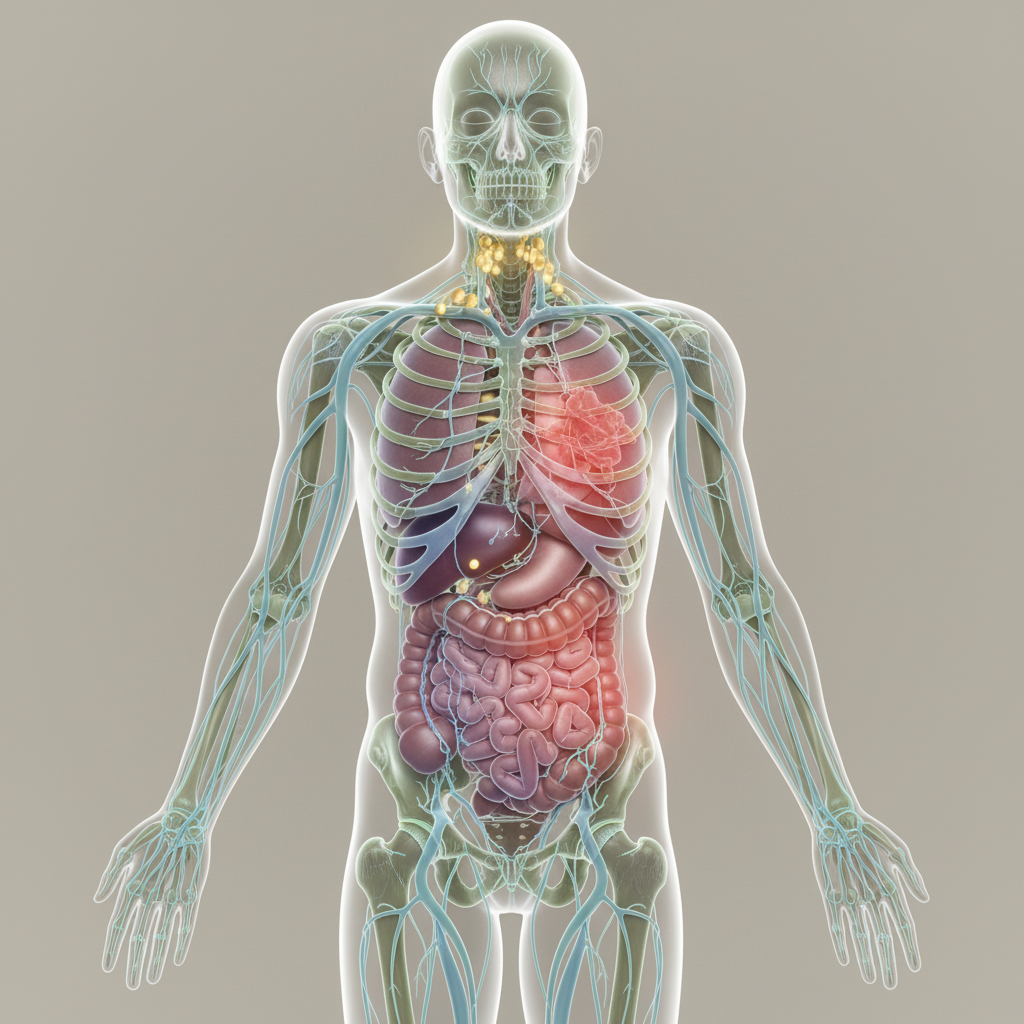
When your loved one is diagnosed with lymphoma, it's natural to feel overwhelmed. Lymphoma is a type of cancer that begins in infection-fighting cells of the immune system, called lymphocytes. These cells are found in the lymph nodes, spleen, thymus, bone marrow, and other parts of the body [7]. Understanding the basics is the first step in comprehending the treatment journey.
Hodgkin vs. Non-Hodgkin Lymphoma
Lymphoma is broadly categorized into two main types: Hodgkin lymphoma (HL) and Non-Hodgkin lymphoma (NHL). The primary distinction lies in the presence of Reed-Sternberg cells, a specific type of abnormal B lymphocyte, in Hodgkin lymphoma [7]. Non-Hodgkin lymphoma, which is more common, encompasses a wider variety of subtypes, each with unique characteristics and treatment responses [8]. Knowing which type your loved one has is critical, as it heavily influences the treatment strategy.
Diagnosis and Staging
The diagnostic process for lymphoma typically involves a biopsy of an affected lymph node or tissue, followed by pathological examination. Imaging tests like PET scans and CT scans, along with bone marrow biopsies, help determine the cancer's stage and spread. The stage indicates the extent of the cancer within the body, which is a major factor in determining the most effective course of treatment. A localized diagnosis might lead to different options than a more widespread one.
The Treatment Landscape: Core Therapies
While the specifics of treatment will depend on many factors, several core therapies form the backbone of lymphoma management. Your care team in Mission Viejo will explain how these are combined or used individually, based on your loved one’s unique circumstances.
Chemotherapy
Chemotherapy uses powerful drugs to kill cancer cells or slow their growth. It's often administered intravenously, but can also be taken orally. For many types of lymphoma, chemotherapy is a primary treatment, sometimes used alone and sometimes in combination with other therapies [8]. Common chemotherapy regimens include CHOP (cyclophosphamide, doxorubicin, vincristine, and prednisone) for certain NHLs, and ABVD (doxorubicin, bleomycin, vinblastine, and dacarbazine) for HL [7]. Side effects can vary but often include fatigue, nausea, hair loss, and increased risk of infection.
Radiation Therapy
Radiation therapy utilizes high-energy rays to destroy cancer cells and shrink tumors. It's often localized to specific areas of the body where lymphoma is present, particularly in earlier stages of the disease or for symptom control. For example, radiation might be used after chemotherapy to target remaining cancer cells in a specific lymph node region. Side effects are typically confined to the treated area and can include skin irritation, fatigue, and pain.
Immunotherapy and Targeted Therapy
These newer classes of drugs offer more precise ways to fight lymphoma. Immunotherapy works by boosting the body's own immune system to recognize and kill cancer cells. Examples include checkpoint inhibitors and monoclonal antibodies like rituximab, which targets CD20 protein on lymphoma cells. Targeted therapies, on the other hand, focus on specific abnormalities within cancer cells, blocking their growth and spread while minimizing damage to healthy cells [9]. Both approaches can have fewer systemic side effects than traditional chemotherapy but come with their own distinct set of potential reactions.
In-depth look: Advanced Treatment Options
Beyond the foundational therapies, advancements in oncology have introduced sophisticated treatment options that offer new hope, especially for those with more aggressive or relapsed lymphoma. Discussing these options with your medical team at a specialized center, perhaps even seeking a /second-opinion right here in Orange County, can be beneficial.
Stem Cell Transplantation
For certain types of lymphoma, especially those that are aggressive or have recurred after initial treatment, a stem cell transplant may be considered. This intensive treatment involves high doses of chemotherapy to eliminate cancer cells, which also destroys healthy blood-forming stem cells. Afterward, healthy stem cells are infused back into the body to replenish the bone marrow. There are two main types: autologous (using the patient's own stem cells) and allogeneic (using donor stem cells). This treatment carries significant risks and requires extensive supportive care [2]. Your care team will assess if your loved one is a suitable candidate.
CAR T-Cell Therapy
Chimeric Antigen Receptor (CAR) T-cell therapy is a revolutionary form of immunotherapy for certain aggressive lymphomas that have not responded to other treatments. It involves modifying a patient's own T-cells (a type of immune cell) in a lab to specifically recognize and kill cancer cells. These modified T-cells are then infused back into the patient [10]. CAR T-cell therapy has shown remarkable success in some cases but is a complex treatment with specific side effects that require specialized monitoring, often at designated cancer centers. Clinical trials often explore its application in broader contexts.
Clinical Trials and New Therapies
For residents of Orange County and Mission Viejo, access to clinical trials offers opportunities to receive cutting-edge treatments before they are widely available. Clinical trials are research studies that test new drugs, combinations of existing therapies, or new approaches to treatment [6]. Participating in a clinical trial can provide access to the latest innovations, contributing to scientific advancement while potentially benefiting your loved one. Your oncology team can help determine if there's a suitable trial for your family member. New therapies for lymphoma Orange County are continuously being developed, pushing the boundaries of what's possible.
Factors Influencing Treatment Decisions
Choosing the right treatment for lymphoma is a highly individualized process. Many factors come into play, and your role as a caregiver is to help your loved one understand these considerations and participate in shared decision-making with their medical team.
Lymphoma Subtype and Stage
The specific subtype of lymphoma (e.g., follicular lymphoma, diffuse large B-cell lymphoma, mantle cell lymphoma) and its stage (how far it has spread) are paramount in guiding treatment. For instance, indolent (slow-growing) lymphomas might be managed differently from aggressive types. Early-stage localized lymphoma treatment might involve radiation, whereas widespread disease typically requires systemic therapies like chemotherapy or immunotherapy [7]. Lymphoma prognosis factors Mission Viejo depend heavily on these initial diagnostic details.
Patient's Overall Health and Preferences
The patient's age, overall health status, co-existing medical conditions, and kidney/liver function significantly impact which treatments can be safely administered. A robust patient may tolerate more aggressive therapies than someone with other health challenges. Furthermore, personal preferences and values are crucial; some patients may prioritize quality of life over aggressive treatment with severe side effects. It’s important to open these conversations with your care team in Mission Viejo.
Treatment Goals
Treatment goals can vary. For some, the aim is to cure the lymphoma; for others, it might be to control the disease, improve symptoms, or extend life while maintaining quality of life. Understanding these goals helps shape the treatment plan and managing expectations. Your medical team will discuss these objectives transparently, allowing for informed choices about types of lymphoma treatment OC.
Supporting Your Loved One Through Treatment
As a caregiver, your support is invaluable throughout the lymphoma treatment journey. You are often the emotional anchor, practical assistant, and advocate for your loved one.
Managing Side Effects
Many lymphoma treatments come with side effects. These can range from nausea and fatigue to more severe complications. Open communication with the medical team about any side effects is crucial for managing them effectively. They can often prescribe medications or offer strategies to alleviate discomfort. Keeping a journal of symptoms can be helpful for tracking changes and reporting them accurately.
Emotional and Psychological Support
A cancer diagnosis and its treatment can take a significant toll on mental and emotional well-being. Encourage your loved one to express their feelings and consider professional counseling or support groups. Many cancer centers, including those serving Mission Viejo, offer psychological support services and resources. Remember to also prioritize your own well-being; caregiver burnout is real, and seeking support for yourself is not selfish.
Practical Assistance and Advocacy
Your support will likely involve practical tasks, such as managing appointments, navigating insurance, coordinating transportation, and helping with household chores. You'll also serve as an advocate, asking questions, ensuring your loved one's voice is heard, and understanding information provided by the medical team. Our website offers many resources, and you can always use our free Ask the Assistant chat (the floating button on the bottom-right) for instant answers to common questions, or connect with local OC specialists when needed.
Living Beyond Treatment
The journey doesn't end with treatment. After active therapy, a new phase of life begins, focusing on recovery, surveillance, and long-term well-being.
Follow-Up Care and Surveillance
Regular follow-up appointments are essential after lymphoma treatment. These typically involve physical exams, blood tests, and imaging scans to monitor for recurrence or late side effects. Adherence to this surveillance schedule is critical for ensuring any issues are caught early. Your care team will provide a personalized follow-up plan tailored to the specific type of lymphoma and treatments received.
Managing Long-Term Side Effects
Some individuals may experience long-term side effects from lymphoma treatment, such as fatigue, neuropathy, or organ damage. These effects can manifest months or even years after treatment completion. It's important to openly discuss any new or lingering symptoms with the medical team. They can provide management strategies or refer to specialists for specific concerns, helping your loved one maintain the best possible quality of life.
Survivorship and Quality of Life
For many, lymphoma becomes a chronic condition that can be managed over a long period. Survivorship care focuses on maintaining physical and emotional health, addressing lifestyle factors, and returning to a fulfilling life. This might involve nutrition advice, exercise programs, or access to support networks. Embracing a wellness-focused approach can significantly improve your loved one's quality of life after a lymphoma diagnosis. Cancer Answers OC is dedicated to helping patients and caregivers through every stage of their journey.
Frequently asked questions
How is Hodgkin lymphoma treatment different from Non-Hodgkin lymphoma treatment?
Hodgkin lymphoma and Non-Hodgkin lymphoma treatments differ primarily because of their distinct biological characteristics and growth patterns. Hodgkin lymphoma often responds well to standard chemotherapy regimens like ABVD and may be cured with radiation, especially in earlier stages. Non-Hodgkin lymphoma, with its many subtypes, requires a more varied approach, often incorporating targeted therapies, immunotherapy, or different chemotherapy combinations, based on the specific type and aggressiveness of the disease.
What are common side effects of lymphoma treatment and how can I help manage them?
Common side effects include fatigue, nausea, hair loss, mouth sores, increased infection risk, and neuropathy. As a caregiver, you can help by ensuring your loved one stays hydrated, eats nutritious meals (even small, frequent ones), helps manage medications, assists with gentle exercise if possible, and reports any concerning symptoms to the care team promptly. Many side effects can be managed with supportive medications or lifestyle adjustments.
Can diet and lifestyle changes impact lymphoma treatment outcomes?
While diet and lifestyle changes are not a substitute for medical treatment, maintaining a healthy lifestyle, including a balanced diet, regular exercise (as tolerated), and adequate sleep, can support overall well-being, manage treatment side effects, and potentially improve treatment tolerance and recovery. Always discuss significant dietary or lifestyle changes with the medical team to ensure they are safe and appropriate for your loved one's specific condition.
What are the latest advancements in lymphoma treatment available in Orange County?
Orange County, including Mission Viejo, has access to advanced lymphoma treatments through major medical centers. These advancements include newer targeted therapies, various immunotherapies like CAR T-cell therapy, and access to a broad range of clinical trials testing investigational drugs and treatment combinations. Our focus on cutting-edge care means that patients have progressive options available. You can learn more about finding the right specialist for these advanced options at /find-specialist.
What should I look for when choosing a lymphoma treatment center?
When choosing a treatment center, look for one with a multidisciplinary team specializing in lymphoma, access to clinical trials, comprehensive supportive care services (nutrition, social work, psychological support), and a patient-centered approach. Consider factors like location (e.g., Mission Viejo, Newport Beach), reputation, and whether the center offers second opinion services like ours at Cancer Answers OC to confirm the best path forward.
How does the prognosis for lymphoma vary among different types?
Lymphoma prognosis varies widely depending on the specific type and stage. Some indolent lymphomas may have a long, manageable course, while aggressive types require intensive treatment but can often be cured. Factors like genetics, patient age, overall health, and response to initial treatment also influence prognosis. Your medical team will discuss the personalized prognosis for your loved one based on their unique diagnosis.
When to call your care team
- Fever of 100.4°F (38°C) or higher: This could indicate an infection, especially if your loved one is immunocompromised from treatment.
- Uncontrolled nausea or vomiting: If antinausea medications aren't working, or if dehydration is a concern.
- Severe pain: Any new or worsening pain that isn't managed by prescribed pain relief.
- Difficulty breathing or sudden shortness of breath: This could be a serious side effect or complication needing immediate attention.
- Unusual bleeding or bruising: Watch for nosebleeds, gum bleeding, blood in urine or stool, or easy bruising.
- Signs of allergic reaction: Rash, swelling, or difficulty breathing after a new medication.
- Significant changes in mental status: Confusion, extreme dizziness, or unusual lethargy.
- Persistent diarrhea or constipation: Especially if it leads to dehydration or severe discomfort.
How Cancer Answers OC can help
At Cancer Answers OC, we understand the complexities of dealing with a lymphoma diagnosis, especially for caregivers in Mission Viejo. Our mission is to provide clear, evidence-based information and compassionate support every step of the way. We connect you with leading oncology specialists and resources across Orange County, ensuring your loved one receives personalized, cutting-edge care.
Explore our website for in-depth articles, expert interviews, and local resources. If you have specific questions or need immediate guidance, our free Ask the Assistant chat provides instant, private answers 24/7, with the option to connect to live OC specialists when needed. For more personalized assistance or to explore clinical trials, please don't hesitate to /contact us. We are here to empower you and your family on this journey.
Related resources
- Prostate Cancer Treatment Options at Home: A Patient’s Guide
- Understanding Targeted Therapy for Breast Cancer in Orange County
- Proton Therapy Cancer Treatment in Orange County: A Targeted Approach
- Find a cancer specialist in Orange County
- Get a second opinion
- Insurance and coverage guide
Sources
- Topical calcineurin inhibitors for atopic dermatitis: review ... - PubMed URL: https://pubmed.ncbi.nlm.nih.gov/23549982/
- A novel approach for salvage treatment of non-small-cell lung ... - PMC URL: https://pmc.ncbi.nlm.nih.gov/articles/PMC6536145/
- Safety and Efficacy of Zevalin in the Treatment of Non-Hodgkin's ... URL: https://clinicaltrials.gov/study/NCT00057343
- Topical Calcineurin Inhibitors for Atopic Dermatitis - PMC - NIH URL: https://pmc.ncbi.nlm.nih.gov/articles/PMC3715696/
- Pimecrolimus in atopic dermatitis: Consensus on safety and ... - PMC URL: https://pmc.ncbi.nlm.nih.gov/articles/PMC4657476/
- [PDF] Protocol #: AX-CL-PANC-PI-13301 A PHASE II ... - Clinical Trials URL: https://cdn.clinicaltrials.gov/large-docs/44/NCT03915444/Prot_SAP_000.pdf
- Understanding Your Lymphoma Treatment Options URL: https://www.franciscanhealth.org/community/blog/lymphoma-treatment-options
- Lymphoma Treatment - Moffitt Cancer Center URL: https://www.moffitt.org/cancers/lymphomas-hodgkin-and-non-hodgkin/treatment/
- Mayo Clinic Minute: Understanding and treating lymphoma - YouTube URL: https://www.youtube.com/watch?v=DwoUL9eNryo
- Adult T-Cell Leukemia/Lymphoma Care Close to Home - Providence URL: https://www.providence.org/services/cancer/adult-t-cell-leukemia-lymphoma