
Chemotherapy treatments, while powerful against cancer, can sometimes lead to a significant drop in white blood cell counts, a condition known as neutropenia. Understanding this side effect is crucial for your safety and well-being during treatment. This guide will walk you through what neutropenia chemotherapy means, how to recognize symptoms, and the vital steps you can take to protect yourself.
Key takeaways
- Neutropenia is a common side effect of chemotherapy, characterized by dangerously low levels of infection-fighting white blood cells (neutrophils).
- Knowing your Absolute Neutrophil Count (ANC) is essential, as lower ANCs mean higher risk of serious infection.
- Fever, even a slight one, is a medical emergency for someone with neutropenia and requires immediate medical attention.
- Strict hygiene and avoiding crowded places are key strategies to prevent infection during periods of low neutrophil counts.
- Medications like growth factors can sometimes help stimulate white blood cell production, reducing neutropenia's severity and duration.
Understanding Neutropenia During Chemotherapy
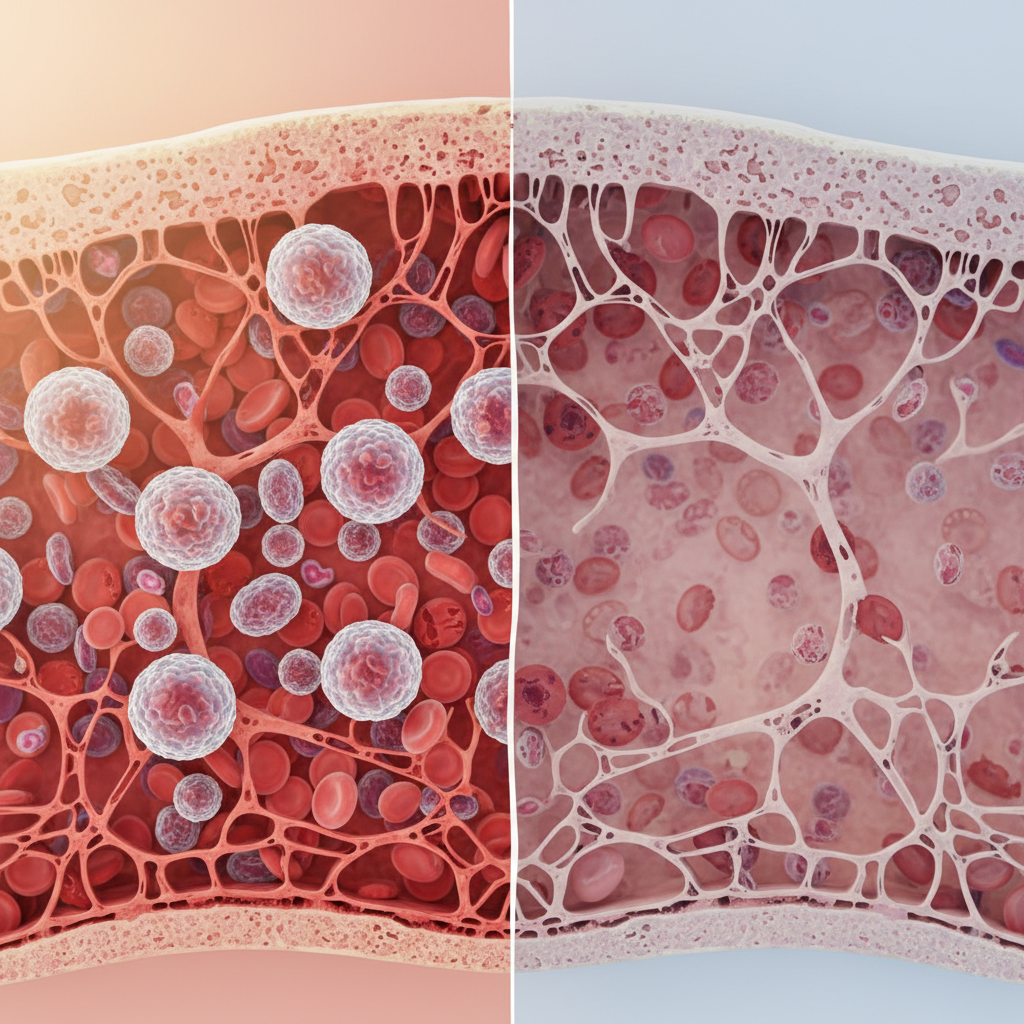
Chemotherapy drugs are designed to target rapidly dividing cells, which include cancer cells. However, they can also affect healthy cells that divide quickly, such as those in your bone marrow responsible for producing blood cells [1]. When this happens, your body might not produce enough neutrophils, a type of white blood cell crucial for fighting off infections. This drop in neutrophils is called neutropenia.
What are Neutrophils?
Think of neutrophils as your body's front-line soldiers against bacterial and fungal invaders. They are the most abundant type of white blood cell and play a critical role in your immune system. When your neutrophil count drops, your body's ability to defend itself against even common germs is severely compromised, putting you at a much higher risk of serious infection.
Why Chemotherapy Causes Neutropenia
The bone marrow is like the factory for all your blood cells, including neutrophils. Chemotherapy can temporarily damage or suppress this factory. The timing and severity of neutropenia depend on the specific chemotherapy drugs used, the dose, and your individual body's response [2]. It usually occurs about 7 to 14 days after a chemotherapy session, but this can vary.
Recognizing the Risks and Symptoms
When your neutrophil count is low, your body doesn't show the typical signs of infection like pus or significant inflammation because it lacks the immune cells to mount that response. This makes recognizing the subtle signs of infection even more critical. Knowing what to look for and when to act quickly can be life-saving.
The Importance of Your Absolute Neutrophil Count (ANC)
Your medical team will regularly check your blood cell counts, including your Absolute Neutrophil Count (ANC). This number tells them exactly how many infection-fighting neutrophils you have. A normal ANC is typically between 2,500 and 6,000 cells/mm³. When it drops below 1,500 cells/mm³, you are considered neutropenic. An ANC below 500 cells/mm³ is severe neutropenia and significantly increases your risk of serious, life-threatening infections [3].
Key Signs and Symptoms to Watch For
Because your body can't mount a strong immune response, fever is often the only sign of a serious infection when you have neutropenia. Even a slight increase in temperature should be taken very seriously. Other symptoms, although less common or less obvious, can include chills, sweating, sore throat, new cough, shortness of breath, pain during urination, or any new redness, swelling, or tenderness. Always report any new symptoms to your care team immediately, especially if you have an elevated temperature. You can also use our free Ask the Assistant chat (floating bottom-right button) for quick answers and guidance, available 24/7 with live OC specialists when needed.
Urgent Action: Neutropenic Fever Emergency
This is perhaps the most critical section for anyone undergoing chemotherapy. If you develop a fever while neutropenic, it's not just a symptom; it's an emergency. This condition, known as febrile neutropenia, means you have an infection that your body cannot fight off effectively [4].
What Constitutes a Fever?
Always clarify with your care team what they consider a fever. Generally, for neutropenic patients, a fever is defined as a single oral temperature of 101°F (38.3°C) or higher, or a temperature of 100.4°F (38.0°C) or higher that lasts for more than one hour. It is vital to use an oral thermometer and avoid rectal temperatures, which can increase infection risk. If you suspect a fever, recheck your temperature several times over a short period to confirm.
Call Your Care Team IMMEDIATELY
Do not wait. Do not try to treat it at home with over-the-counter medications. If you have a fever and you are undergoing chemotherapy, you need to contact your doctor or go to the emergency room right away. This is not something to delay, even for a few hours. Early intervention with broad-spectrum antibiotics can prevent a localized infection from becoming a life-threatening systemic one.
Strategies for Prevention: Neutropenic Precautions at Home
Taking proactive steps at home is your best defense against infection when your white blood cell counts are low. These practices are often called "neutropenic precautions" or "protective measures." They empower you to take an active role in safeguarding your health.
Hand Hygiene and Personal Care
Frequent and thorough hand washing is your superpower. Wash your hands with soap and water for at least 20 seconds, especially after using the restroom, before eating, and after touching pets or public surfaces. Alcohol-based hand sanitizer (at least 60% alcohol) is a good alternative when soap and water aren't available. Avoid touching your face, especially your eyes, nose, and mouth, as these are common entry points for germs. Practice good oral hygiene with a soft toothbrush to prevent mouth sores and gum infections.
Food Safety and Diet
Food can be a source of bacteria, so careful food preparation is crucial. Avoid raw or undercooked meats, fish, and eggs. Wash all fruits and vegetables thoroughly, or opt for cooked produce. Stay away from unpasteurized dairy products, deli meats, and soft cheeses. If you have questions about specific dietary recommendations, discuss them with your oncology nutritionist or care team. They might provide additional guidance based on your specific treatment plan.
Limiting Exposure to Germs
During periods of neutropenia, it's wise to limit your exposure to crowds, especially indoors. Avoid contact with anyone who is sick, even with a common cold. Ask visitors to wash their hands and consider wearing a mask in public places or around sick individuals. If you have pets, have someone else clean litter boxes or pet waste. Gardening or contact with soil should be avoided, as soil can harbor fungi and bacteria. You might find our article on Navigating Hair Loss from Chemotherapy Treatments in Tustin: A Caregiver's Guide helpful for other daily care considerations.
Medical Interventions for Low White Blood Cell Counts
While home precautions are vital, your medical team has additional tools to help manage and prevent severe neutropenia and its complications. These interventions aim to either boost your neutrophil production or quickly treat any developing infections.
Granulocyte-Colony Stimulating Factors (G-CSFs)
These medications, such as filgrastim (Neupogen) or pegfilgrastim (Neulasta), are growth factors that stimulate your bone marrow to produce more white blood cells [5]. Your doctor might prescribe these to you, either preventatively (prophylactically) or after your neutrophil count has already dropped. They can help shorten the duration of neutropenia and reduce the risk of infection. Your care team will advise if these are appropriate for your treatment plan.
Antibiotics and Antifungals
If you develop a fever while neutropenic, you will likely be started on broad-spectrum antibiotics immediately, even before the source of infection is identified. This is a critical step to prevent the infection from worsening. In some cases, antifungal medications may also be prescribed, especially if a bacterial infection isn't found, or if you have prolonged neutropenia. Prompt administration of these medications can make a significant difference in outcomes.
Lifestyle Adjustments and Emotional Well-being
Living with the constant threat of infection during chemotherapy can be mentally and emotionally taxing. It's okay to feel anxious or frustrated. Beyond the physical precautions, nurturing your emotional health is an important part of managing neutropenia. Remember, this is a temporary phase in your treatment journey.
Balancing Caution with Quality of Life
While vigilance is key, it's also important to find a balance. You don't need to isolate yourself completely, but be mindful of your surroundings. Discuss with your care team what activities are safe for you. Sometimes, short, planned outings or visits with carefully screened loved ones can boost your spirits without undue risk. Consider connecting with a support group or a therapist to discuss your feelings. Our team at Cancer Answers OC is here to help you find the right support resources, or you can explore our resources on topics like Finding Comfort and Support: Palliative Care for Lung Cancer in Huntington Beach for broader well-being strategies.
Managing Fatigue
Chemotherapy itself, and the body's effort to recover from neutropenia, can lead to significant fatigue. This can make it harder to maintain your precautions and stay active. Listen to your body and rest when you need to. Small, frequent periods of rest can be more effective than trying to push through. Light activity, if approved by your doctor, can sometimes help with energy levels. You might find additional insights in our article, Managing Fatigue During Leukemia Treatment: A Caregiver's Guide to Energy in Tustin, which offers practical tips.
Absolute Neutrophil Count (ANC) Levels and Risk
Understanding your ANC levels is crucial for gauging your risk of infection. Your care team will explain your specific risk profile based on your current ANC. This table provides a general overview.
| ANC Level (cells/mm³) | Neutropenia Category | Risk of Infection |
|---|---|---|
| 1,500 - 6,000 | Normal | Low (Typical) |
| 1,000 - 1,500 | Mild Neutropenia | Slightly Increased |
| 500 - 1,000 | Moderate Neutropenia | Moderate, requires caution |
| Less than 500 | Severe Neutropenia | High, urgent medical attention required for fever |
| Less than 100 | Profound Neutropenia | Very High, extreme caution |
Frequently asked questions
What is neutropenia chemotherapy?
Neutropenia during chemotherapy refers to a condition where your body has a dangerously low number of neutrophils, a type of white blood cell crucial for fighting infections. It's a common side effect because chemotherapy drugs can affect rapidly dividing cells in your bone marrow, where blood cells are produced.
How quickly does neutropenia develop after chemo?
The timing of neutropenia can vary depending on the specific chemotherapy drugs and dosage. Generally, your neutrophil count tends to drop to its lowest point (nadir) about 7 to 14 days after a chemotherapy session. Your oncology team will monitor your blood counts closely during this period.
Can I still go out with neutropenia?
While you don't need to completely isolate yourself, it's crucial to be very cautious. Avoid crowded indoor spaces, sick individuals, and situations where germ exposure is high. Discuss specific activities and precautions with your care team. Practicing excellent hand hygiene is always paramount.
What should I eat to prevent infection during neutropenia?
Focus on a diet of thoroughly cooked foods. Avoid raw or undercooked meats, eggs, and seafood. Wash all fruits and vegetables well, or choose cooked options. Stay away from unpasteurized dairy products, soft cheeses, and deli meats. Your doctor or a registered dietitian can provide a personalized food safety guide.
What is the most important thing to remember about neutropenia?
The single most important thing to remember is this: if you develop a fever (defined as 101°F / 38.3°C or higher, or 100.4°F / 38.0°C sustained for an hour) while undergoing chemotherapy, call your care team immediately or go to the nearest emergency room. It is a medical emergency that requires prompt treatment.
How does an ANC level of 500 cells/mm³ affect my daily life?
An ANC below 500 cells/mm³ signifies severe neutropenia, meaning your risk of serious infection is very high. At this level, you will need to be extremely vigilant with all neutropenic precautions. Your doctor may advise stricter limitations on activities, and you may receive growth factor medications to boost your white blood cell count. This is a critical time for prevention.
When to call your care team
Always call your care team immediately if you experience any of the following, especially during or after chemotherapy:
- Fever: Oral temperature of 101°F (38.3°C) or higher, or 100.4°F (38.0°C) or higher for more than an hour.
- Chills or sweats.
- New or worsening cough, shortness of breath, or chest pain.
- Sore throat or mouth sores that make eating difficult.
- Pain or burning during urination.
- New redness, swelling, tenderness, or pus around a wound, surgical site, or catheter site.
- New rash or skin changes.
- Unusual vaginal discharge or itching.
- Severe diarrhea or stomach cramps.
How Cancer Answers OC can help
Navigating the complexities of chemotherapy and its side effects like neutropenia can feel overwhelming. At Cancer Answers OC, we are committed to providing clear, compassionate, and expert guidance to patients and their families in Orange County. We offer valuable resources and connections to specialists who can support you through every step of your treatment journey. If you need a /second-opinion or want to /find-specialist in the Newport Beach area, we can help facilitate that connection. Our goal is to empower you with knowledge and support, ensuring you feel confident and cared for.
We also encourage you to utilize our free Ask the Assistant chat, available as a floating button on the bottom-right of your screen. It's a private, instant, 24/7 resource where you can get answers to your questions, with the option for live connection to OC specialists when needed. Whether you're considering /clinical-trials or just need more information, we're here for you.
Sources
- Neutropenia – National Cancer Institute (NCI).
- Chemotherapy Side Effects – American Cancer Society (ACS).
- Low Neutrophil Count (Neutropenia) – Mayo Clinic.
- Febrile Neutropenia – National Comprehensive Cancer Network (NCCN) Patient Guidelines.
- Granulocyte colony-stimulating factor (G-CSF) – MedlinePlus.
- Handwashing: Clean Hands Save Lives – Centers for Disease Control and Prevention (CDC).