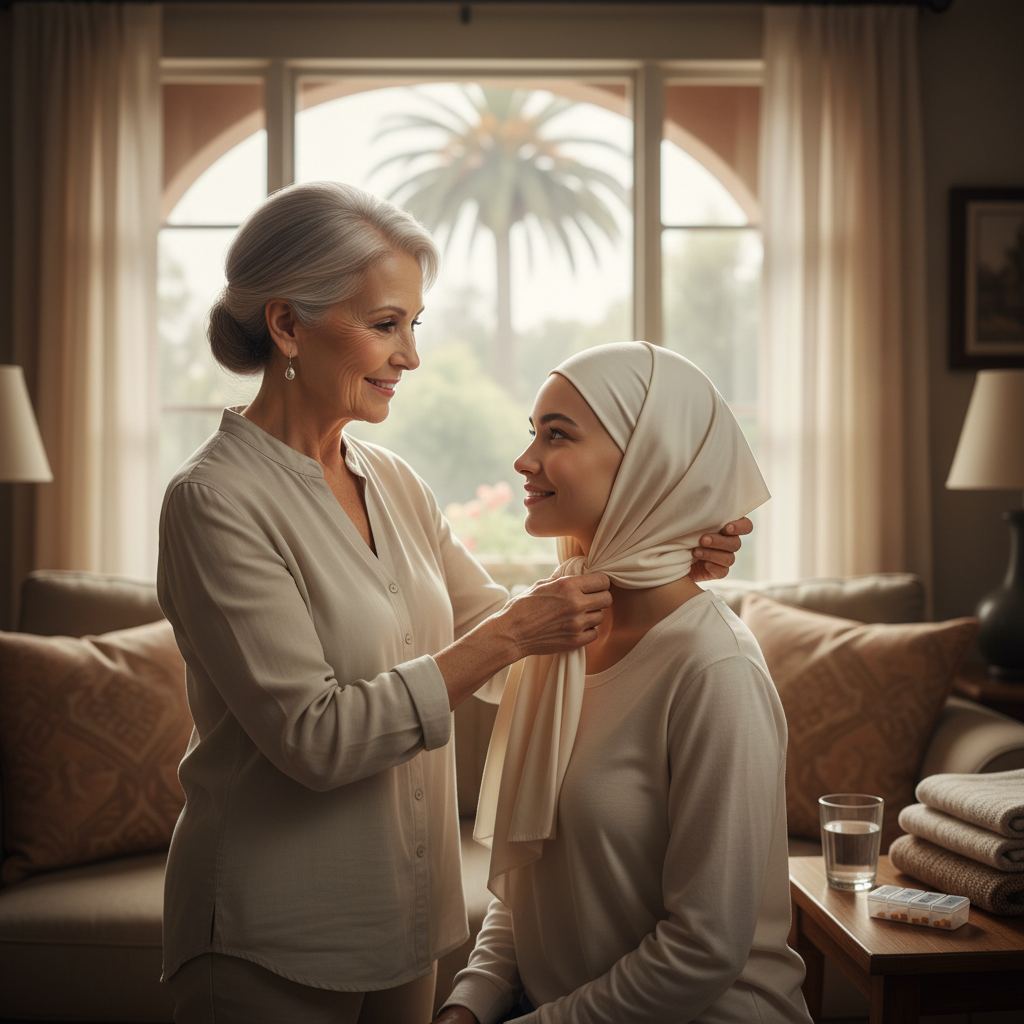
Caring for someone undergoing chemotherapy can be challenging, especially when they experience hair loss. This guide offers practical advice and emotional support for caregivers in Tustin navigating this common side effect.
Hair loss from chemotherapy treatments, also known as chemotherapy-induced alopecia, is a common and often distressing side effect. As a caregiver, understanding why it happens and how to best support your loved one can make a significant difference. This article aims to equip you with information, resources, and compassionate strategies right here in Orange County to help manage this aspect of their cancer journey.
At a glance
| Detail | Summary |
|---|---|
| Topic | managing hair loss from chemotherapy treatments Tustin |
| Who it is for | Caregivers and family |
| Area served | Orange County, California |
| Category | side-effects |
| Reading time | About 10 minutes |
| Cited sources | 6 |
| Last reviewed | 2026-06-01 |
Key takeaways
- Chemotherapy-induced hair loss is usually temporary and often begins 2-3 weeks after treatment starts.
- Scalp cooling (cold caps) can be an effective way to reduce hair loss for some patients.
- Emotional support is crucial; validate feelings of grief and loss associated with hair changes.
- Local resources in Tustin and Orange County offer wigs, head coverings, and support groups.
- Hair typically grows back within 3-5 months after treatment, though texture or color may differ.
Understanding Chemotherapy-Induced Hair Loss
Chemotherapy drugs are powerful medications designed to kill fast-growing cancer cells. Unfortunately, these drugs can also affect other fast-growing cells in the body, such as those found in hair follicles [7]. This collateral damage leads to hair loss, which can be upsetting for many patients.
Why Chemotherapy Causes Hair Loss
Chemotherapy targets rapidly dividing cells. Hair follicles are among the fastest-growing cells in the body, making them particularly vulnerable to chemotherapy's effects. When these cells are damaged, the hair shaft weakens and falls out [8]. It's important to remember that this is a sign the medication is working, not a reflection of your loved one's health beyond the treatment itself.
When to Expect Hair Loss and Regrowth
Hair loss typically begins 1 to 4 weeks after the first chemotherapy treatment [9]. It can happen gradually or quickly, sometimes appearing as more hair on pillows or in the shower. The extent of hair loss depends on the type, dose, and duration of chemotherapy [7]. Once chemotherapy concludes, hair usually starts to regrow within 3 to 5 months. The new hair might have a different texture or color temporarily, but for most people, it returns to its pre-treatment state [9].
Practical Strategies for Managing Hair Loss
Knowing what to expect is the first step. The next is having a plan to manage the physical aspects of hair loss, including proactive measures and daily care.
Preparing for Hair Loss
Before hair loss begins, discuss with your loved one whether they'd like to cut their hair short. This can make the transition less shocking and easier to manage. You might also explore options like wigs, scarves, or hats in advance. Some people choose to shave their head proactively, taking control of the process. This can be an empowering decision for them.
Gentle Hair and Scalp Care
During treatment, the scalp becomes more sensitive. Advise your loved one to use mild shampoos and conditioners, and to avoid harsh chemicals, excessive brushing, or tight hairstyles. Wearing a soft cap or head covering at night can also reduce friction and make them more comfortable. Sun protection for the scalp is also very important, especially in sunny Tustin.
Exploring Prevention and Coverage Options
While hair loss is common, there are ways to mitigate its effects or find comfortable alternatives.
Scalp Cooling (Cold Caps)
Scalp cooling, also known as 'cold caps,' involves wearing a cap that chills the scalp before, during, and after chemotherapy infusions. This constriction reduces blood flow to the hair follicles, limiting the amount of chemotherapy drugs that reach them [10]. Studies suggest scalp cooling can significantly reduce hair loss for many patients undergoing certain types of chemotherapy [3]. Discuss this option with their oncology team to see if it's suitable, as availability and effectiveness can vary.
Wigs and Head Coverings in Orange County
Many organizations and local businesses in Orange County specialize in providing wigs for cancer patients. Wigs can offer a sense of normalcy and privacy. Encourage your loved one to explore different styles and materials. Scarves, turbans, and hats are also excellent, comfortable, and fashionable alternatives. Look for shops in Tustin and nearby areas that offer private consultations and fitting services.
Emotional Support and Coping Strategies
Hair loss is more than just a physical change; it can profoundly impact self-esteem and emotional well-being. Your role as a caregiver in providing emotional support is paramount.
Validating Feelings and Encouraging Open Communication
Your loved one might feel sad, angry, self-conscious, or even embarrassed about their hair loss. It's crucial to acknowledge these feelings without minimizing them. Reassure them that their emotions are valid. Create a safe space for them to express their fears and frustrations. Simply listening can be incredibly powerful.
Building Confidence and Maintaining Body Image
Help your loved one focus on what they can control. This might involve experimenting with new makeup styles to accentuate other features, choosing stylish accessories, or finding clothing that boosts their confidence. Remind them that their inner strength and spirit remain unchanged, regardless of external appearance. You can explore local services in Newport Beach that offer makeup workshops specifically for cancer patients.
In-depth look
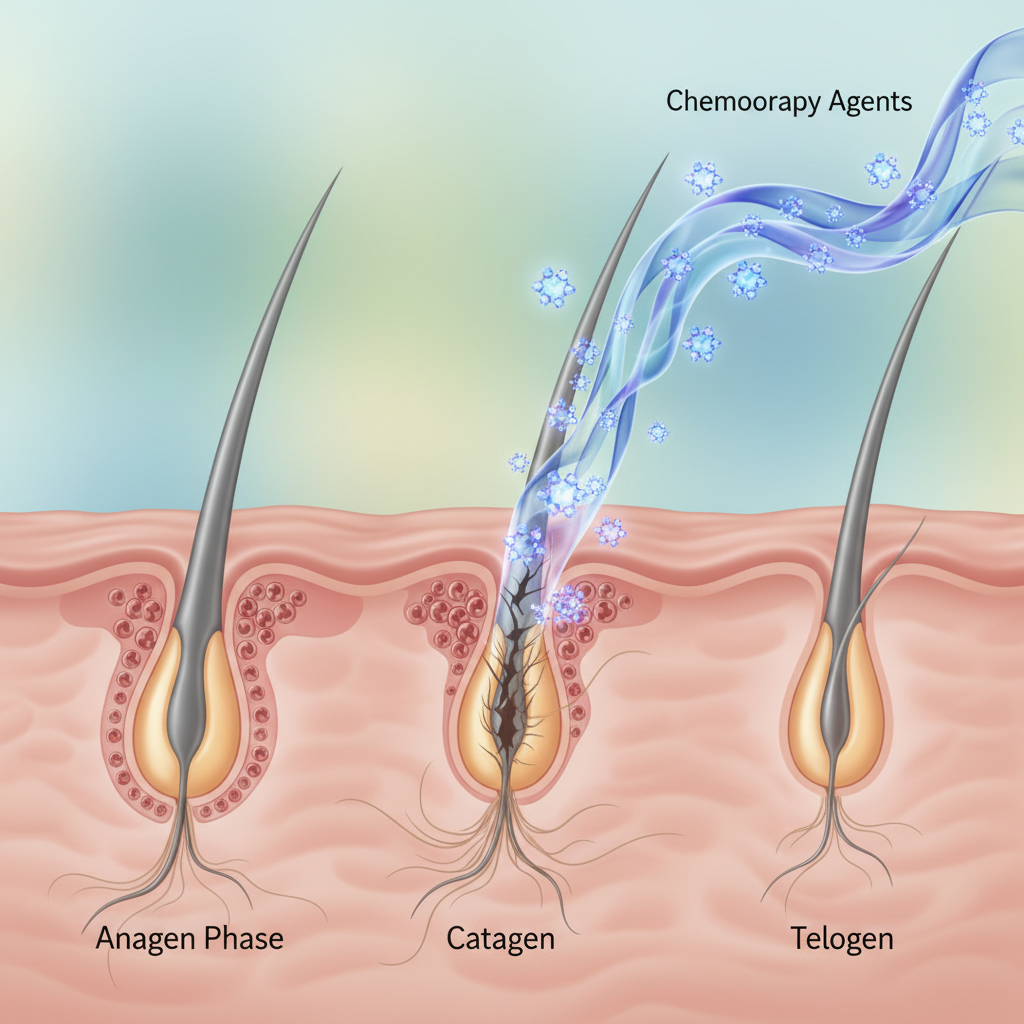
Understanding the cellular mechanisms behind chemotherapy-induced alopecia can help caregivers better grasp why this side effect occurs. Hair follicles are complex mini-organs that undergo continuous cycles of growth (anagen), regression (catagen), and rest (telogen). Chemotherapy drugs primarily disrupt the anagen phase, where cells are rapidly dividing to produce hair [1]. The faster a hair follicle grows, the more susceptible it is to the cytotoxic effects of these drugs.
The degree of hair loss often correlates with the specific chemotherapy agent, its dosage, and the individual's inherent hair growth cycle [8]. For instance, drugs like doxorubicin and cyclophosphamide are frequently associated with significant hair loss, while others may cause only thinning [7]. The damage often extends beyond the scalp, affecting eyebrows, eyelashes, and body hair, as these also contain rapidly dividing follicles [9]. This comprehensive understanding underscores the systemic nature of chemotherapy's impact on healthy cells during the fight against cancer.
Journey to Regrowth and Beyond
After treatment ends, the journey of hair regrowth begins. This phase also requires patience and specific care.
What to Expect During Hair Regrowth
Once chemotherapy stops, hair follicles begin to recover and resume their normal growth cycle. The first hairs that grow back might be fine, resembling baby hair. Over time, it will gradually thicken. Sometimes, the new hair may grow in a different color or texture initially, but this is usually temporary. This change is often due to the temporary alteration of the hair follicle's cells [2].
Tips for Nurturing New Hair
Encourage your loved one to continue gentle hair care practices during regrowth. Suggest using mild, sulfate-free shampoos and conditioners. Advise against harsh chemical treatments like perms or dyes for at least six months to a year, or until the new hair is strong and healthy. Protecting the new, delicate hair from sun exposure is also important. The free Ask the Assistant chat can provide personalized tips for hair care during this sensitive period.
Supporting Your Loved One in Tustin
Cancer Answers OC is dedicated to connecting patients and caregivers with vital support and resources in our local community.
Local Resources and Support Groups
Many local organizations in Orange County offer invaluable support. Look for cancer support groups in Tustin where your loved one, and you as a caregiver, can connect with others facing similar challenges. Sharing experiences and coping strategies can provide immense comfort and practical advice. These groups often provide a safe space to process the emotional aspects of hair loss.
Connecting with Cancer Answers OC in Tustin
If you have further questions or need additional support, don't hesitate to reach out to local experts. Cancer Answers OC can help you navigate local resources, find specialists, or perhaps even connect you with local clinical trials related to side effect management. Visit our website or use our /contact page to get in touch. We are here to support families in Tustin and throughout Orange County. Consider exploring our /find-specialist, if you are looking for a medical professional in the area.
Frequently asked questions
How long does hair loss last after chemotherapy?
Hair loss typically continues throughout chemotherapy treatment. Once treatment concludes, hair usually starts to regrow within 3 to 5 months [9], although the initial growth might be fine or have a different texture. Full regrowth can take longer.
Can hair loss from chemo be permanent?
For most people, hair loss from chemotherapy is temporary, and hair regrows after treatment [8]. However, in very rare cases, with certain high-dose chemotherapy regimens or specific drugs like docetaxel, permanent hair loss can occur [7]. It is best to discuss the specific risks with your loved one's care team.
Are there any vitamins or supplements that help with hair regrowth after chemo?
While good nutrition is always important for overall health, there's no strong scientific evidence that specific vitamins or supplements significantly speed up hair regrowth after chemotherapy. Always consult the oncology team before taking any supplements, as some can interfere with cancer treatments.
Is it normal to lose other body hair during chemotherapy?
Yes, chemotherapy can affect any rapidly growing hair cells, not just on the scalp. It's common for patients to lose eyebrows, eyelashes, and body hair (underarms, pubic, leg hair) during treatment [9]. This hair typically regrows along with scalp hair.
Does hair pigmentation change after regrowth?
Sometimes, the hair that regrows after chemotherapy can have a different color (lighter or darker) or even a different texture (straighter or curlier) than before. These changes are usually temporary, and over time, the hair often returns to its original characteristics. This is a normal part of the follicle's recovery.
Where can I find affordable wigs in Orange County for my loved one?
Many local cancer support organizations and charities in Orange County offer free or low-cost wigs to cancer patients. Your loved one's oncology clinic or social worker can often provide a list of local resources and referrals. Online retailers also cater specifically to cancer patients, often with generous return policies.
When to call your care team
- Sudden, severe scalp pain or irritation.
- Signs of infection on the scalp (redness, swelling, pus).
- Concerns about the extent or pattern of hair loss impacting emotional well-being significantly.
- Questions about scalp cooling options or other preventive measures.
- Unusual changes in hair regrowth or persistent issues after treatment ends.
How Cancer Answers OC can help
At Cancer Answers OC, we understand the complexities of cancer care and the importance of support for both patients and caregivers. For those navigating managing hair loss from chemotherapy treatments in Tustin, our platform serves as a vital resource. We can connect you with compassionate oncology specialists in Orange County, provide information on local support groups, and offer guidance on finding wig providers and head coverings. Don't hesitate to explore our resources, check out our /clinical-trials page for innovative treatments, or use our free Ask the Assistant chat for instant, private support 24/7, with the option to connect with live OC specialists when you need in-depth advice.
Related resources
- What to Expect: Managing Chemotherapy Side Effects in Newport Beach
- Navigating Fatigue During Melanoma Treatment: A Caregiver's Guide
- Navigating the Common Side Effects of Lymphoma Treatment: A Caregiver's Guide
- Find a cancer specialist in Orange County
- Get a second opinion
- Insurance and coverage guide
Sources
[1] A Combined Surgical Approach for the Treatment of a Sino-Naso ... URL: https://pmc.ncbi.nlm.nih.gov/articles/PMC12225516/ [2] Bilateral retinal detachment after chimeric antigen receptor T-cell ... URL: https://pmc.ncbi.nlm.nih.gov/articles/PMC7252550/ [3] 2024 ACVIM Forum Research Abstract Program - PMC - NIH URL: https://pmc.ncbi.nlm.nih.gov/articles/PMC11423468/ [7] Hair loss | Canadian Cancer Society URL: https://cancer.ca/en/treatments/side-effects/hair-loss [8] Hair loss, hair thinning and cancer drugs - Cancer Research UK URL: https://www.cancerresearchuk.org/about-cancer/treatment/cancer-drugs/side-effects/hair-loss-and-thinning [9] Managing Hair Loss with Scalp Cooling During Chemotherapy for ... URL: https://www.mskcc.org/cancer-care/patient-education/managing-hair-loss-scalp-cooling [10] Prevention and Treatment of Chemotherapy-Induced Alopecia - PMC URL: https://pmc.ncbi.nlm.nih.gov/articles/PMC10137043/