
Caring for someone with lung cancer comes with unique emotional and practical challenges. Palliative care for lung cancer in Huntington Beach acts as an essential support system, ensuring your loved one experiences the highest possible quality of life by managing symptoms, reducing stress, and addressing their holistic needs from diagnosis onward. It's about more than just medical treatment; it's about comfort, dignity, and personal well-being for both the patient and the entire family [1].
Key takeaways
- Palliative care helps manage symptoms and side effects of lung cancer and its treatments from diagnosis, significantly improving patient comfort.
- It offers comprehensive support, addressing not only physical pain but also emotional, spiritual, and practical needs for both patients and caregivers.
- Starting palliative care early, alongside curative treatments, can enhance quality of life and even potentially extend life in some cases.
- In Huntington Beach, resources are available to integrate palliative care into your loved one's treatment plan, tailored to their specific needs.
- Palliative care is distinct from hospice, which is end-of-life care, as it can be provided at any stage of a serious illness, including during active treatment.
Understanding Palliative Care for Lung Cancer
When your loved one is facing lung cancer, the journey can feel overwhelming. You might be focused intensely on treatments aimed at fighting the disease. However, an equally critical component is ensuring their comfort and well-being every single day. This is where palliative care shines.
What is Palliative Care?
Palliative care is specialized medical care for people living with a serious illness like lung cancer. It focuses on providing relief from the symptoms, pain, and stress associated with the disease, regardless of the diagnosis or prognosis [8]. The goal is to improve the quality of life for both the patient and their family. Unlike some perceptions, palliative care is not just for the very end of life; it can be beneficial at any stage of the illness, even alongside treatments intended to cure [9].
A dedicated team of palliative care specialists works in harmony with your loved one's oncologists and other medical professionals. This team includes doctors, nurses, social workers, and other experts who address a wide range of needs. They provide an extra layer of support, working to make your loved one as comfortable as possible [10].
Why is it Important for Lung Cancer Patients?
Lung cancer can bring a host of challenging symptoms, such as pain, shortness of breath, fatigue, nausea, and anxiety, both from the disease itself and from its treatments [7]. Palliative care is specifically designed to proactively manage these symptoms, aiming to prevent them from becoming severe. By effectively controlling pain and other distressing symptoms, patients can feel better, have more energy, and experience an improved capacity to engage in daily life.
Studies have shown that early integration of palliative care can lead to better symptom control, improved mood, and even a longer median survival time for patients with advanced lung cancer [2]. It also helps patients and families navigate complex medical decisions and provides emotional and spiritual support, which is invaluable during a cancer journey.
The Benefits of Palliative Care in Huntington Beach
Living in Huntington Beach, you have access to a network of healthcare providers committed to holistic patient care. Integrating palliative care locally means your loved one can receive tailored support that considers their unique situation and community resources.
Comprehensive Symptom Management
Managing symptoms is a cornerstone of palliative care, especially for lung cancer patients. The palliative care team excels at identifying and treating symptoms promptly. This includes various types of pain – from treatment-related soreness to tumor-related discomfort – which can often be managed effectively with a combination of medications and complementary therapies.
They also address other common issues such as persistent cough, difficulty breathing, fatigue, loss of appetite, and nausea or vomiting. By actively managing these symptoms, your loved one can maintain a better level of comfort, participate more in their own care, and enjoy a higher quality of daily life. This proactive approach helps reduce hospital visits and allows for more time at home, which many patients value deeply [3].
Emotional and Spiritual Support for Patients and Families
A lung cancer diagnosis impacts not just the patient's body but also their mind and spirit, as well as the entire family. Palliative care teams offer crucial emotional support, helping patients and caregivers cope with feelings of fear, anxiety, depression, and uncertainty. They can connect you with counselors, support groups, and other mental health resources in the Huntington Beach area.
Spiritual care is another vital component, offering a listening ear and addressing existential concerns without imposing any specific beliefs. This holistic approach ensures that your loved one's psychological and spiritual well-being are attended to, providing a sense of peace and understanding during a difficult time [4]. Caregivers, too, benefit from this support, as they often carry a significant emotional burden.
In-depth look
Understanding how palliative care fits into the broader lung cancer treatment plan can provide immense clarity. It’s not about giving up; it’s about adding another layer of care focused on comfort and quality of life at every stage.
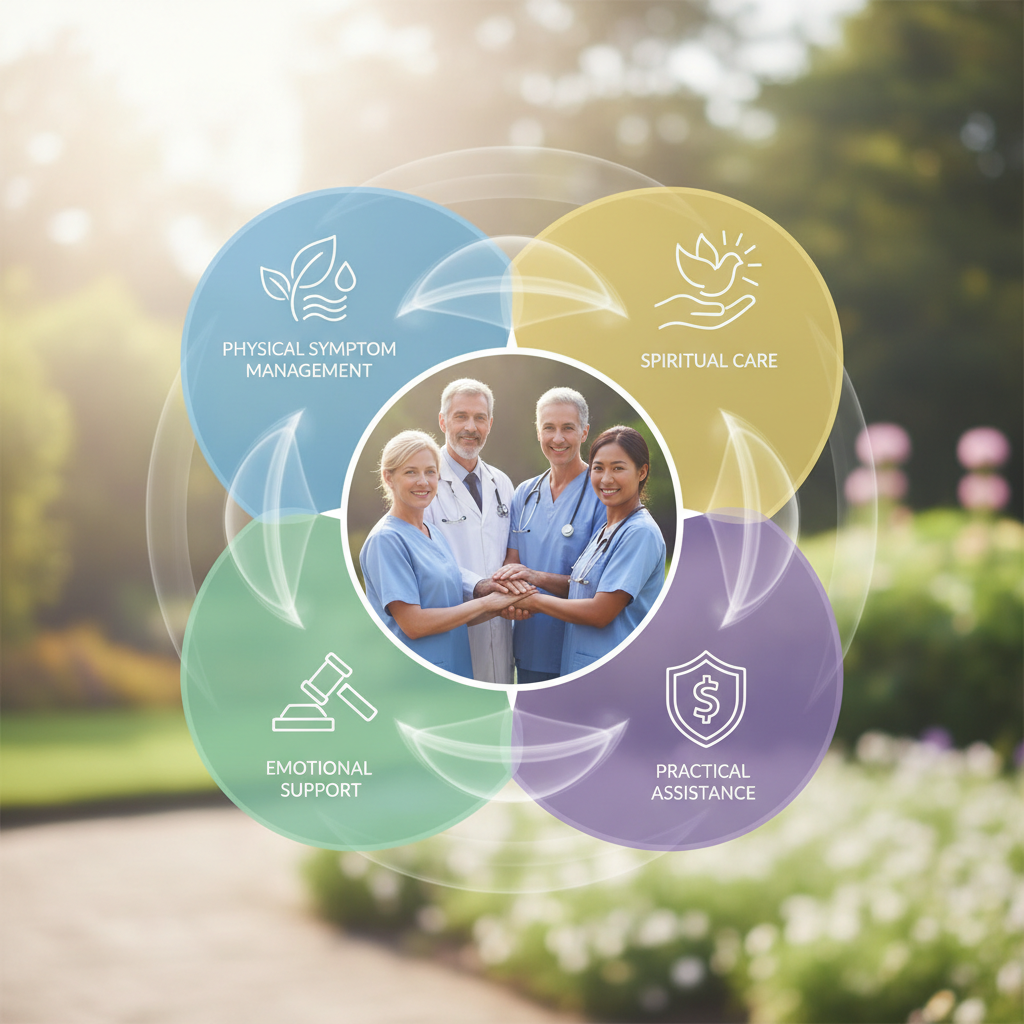
Palliative Care vs. Hospice Care: Knowing the Difference
It's common to confuse palliative care with hospice care, but they are distinct [9]. Palliative care can begin at any point after a serious diagnosis, even while pursuing aggressive treatments like chemotherapy or radiation. Its focus is on alleviating symptoms and improving quality of life for an indefinite period.
Hospice care, on the other hand, is a specific type of palliative care provided when a patient's prognosis is six months or less, and they have decided to forgo curative treatments [9]. While both aim to maximize comfort, hospice typically involves services delivered in the patient's home, focusing exclusively on comfort care rather than life-prolonging treatments. Understanding this distinction can help families make informed decisions about care options. You can explore hospice options for lung cancer in Orange County through various local providers who specialize in end-of-life comfort.
Integrating Palliative Care into the Treatment Plan
The best time to introduce palliative care is early in the cancer journey. This means, ideally, shortly after a lung cancer diagnosis. By integrating it from the outset, the palliative care team can work alongside your loved one’s oncology team to manage anticipated side effects from treatments, address new symptoms as they arise, and help clarify treatment goals and preferences.
This collaborative approach ensures that quality of life remains a central focus throughout the cancer journey, not just when treatments become less effective. It empowers patients to have more control over their care decisions and can lead to greater satisfaction with their treatment experience. You can talk to your loved one's oncologist about incorporating palliative care into their plan, or visit /find-specialist to learn more about local options.
Practical Support for Caregivers in Huntington Beach
Caregivers of lung cancer patients often face significant stress and challenges. Palliative care extends its support to you, recognizing your crucial role in your loved one's journey. Resources in Huntington Beach aim to lighten your load and provide you with the tools you need.
Navigating Financial and Practical Concerns
Dealing with a serious illness like lung cancer can bring unexpected financial burdens and practical challenges. Palliative care teams often include social workers who can help you navigate these complexities. They can provide information on insurance coverage, financial assistance programs, and help with legal documents like advance directives [4].
Additionally, they can assist with coordinating care, arranging transportation to appointments, or finding local support services in Huntington Beach that can provide practical aid. Having these resources can significantly reduce stress for both patients and caregivers, allowing you to focus more on well-being and less on logistical hurdles.
Finding Local Support Networks
No one should go through a cancer journey alone. Huntington Beach offers various local support groups and community resources specifically for cancer patients and their caregivers. Palliative care teams can connect you with these networks, providing opportunities to share experiences, gain advice, and build a sense of community.
These local groups can be invaluable for emotional processing and finding practical solutions. Connecting with others who understand your situation can provide immense comfort and reduce feelings of isolation. Your palliative care team serves as a bridge to these vital community connections, ensuring you and your loved one feel supported every step of the way.
Advanced Palliative Care Strategies for Lung Cancer
Palliative care is constantly evolving, incorporating innovative approaches to enhance comfort and well-being. These strategies go beyond medication to offer a truly comprehensive plan for managing lung cancer symptoms.
Advanced Pain Management Techniques
Managing lung cancer pain in Huntington Beach often involves more than just standard pain relievers. Palliative care specialists are experts in advanced pain management techniques. This can include specialized medications, nerve blocks, or interventional procedures to target specific pain sources. They also consider non-pharmacological approaches, such as acupuncture, physical therapy, and massage, as part of a holistic pain relief strategy [5].
The goal is to find the most effective and least invasive methods to control pain, allowing your loved one to maintain their functional abilities and enjoy a better quality of life. Regular assessment and adjustments ensure that pain management remains optimized as the disease progresses or treatment plans change.
Nutritional Support and symptom management
Maintaining adequate nutrition can be a significant challenge for lung cancer patients due to symptoms like nausea, loss of appetite, or difficulty swallowing. Palliative care teams include dietitians who can assess your loved one's nutritional needs and develop personalized plans.
This might involve dietary modifications, nutritional supplements, or strategies to manage treatment-related side effects that impact eating. Good nutrition is critical for maintaining strength, supporting immune function, and improving overall well-being. Effective nutritional support can make a noticeable difference in your loved one's energy levels and resilience throughout their treatment [6].
Frequently asked questions
Is palliative care only for end-of-life situations?
No, this is a common misconception. Palliative care can be provided at any stage of lung cancer, from diagnosis through treatment and beyond. Its goal is to improve quality of life and manage symptoms alongside curative treatments.
Who provides palliative care?
Palliative care is delivered by a specialized team, including palliative care physicians, nurses, social workers, spiritual counselors, and other specialists. They work in coordination with your loved one's primary oncology team.
How is palliative care different from hospice care?
Palliative care can begin at any time and may include curative treatments. Hospice care is a type of palliative care for patients with a prognosis of six months or less, focusing exclusively on comfort care and no longer pursuing curative treatments.
Will my insurance cover palliative care services?
Most insurance plans, including Medicare and Medicaid, cover some or all palliative care services, especially when provided by physicians or hospitals. It's always best to check with your specific insurance provider for details.
How can I access palliative care for my loved one in Huntington Beach?
You can speak with your loved one's oncologist or primary care physician about a referral to a palliative care specialist. Cancer Answers OC can also help you find local resources and specialists; visit /contact for more information. Don't forget, our free Ask the Assistant chat is always available for instant, private answers to your questions.
Can palliative care help with managing treatment side effects?
Absolutely. Palliative care teams are highly skilled in managing side effects from chemotherapy, radiation, and other lung cancer treatments, such as nausea, fatigue, pain, and loss of appetite, helping to improve tolerance and overall comfort.
When to call your care team
- Your loved one experiences new or worsening pain that isn't controlled by current medication.
- There's a significant change in their breathing, cough, or level of fatigue.
- They are struggling with persistent nausea, vomiting, or loss of appetite.
- You notice signs of increased anxiety, depression, or emotional distress.
- You or your loved one have questions about treatment goals or future care decisions.
- You, as a caregiver, are feeling overwhelmed or burned out and need support.
How Cancer Answers OC can help
At Cancer Answers OC, we understand the complexities of caring for a loved one with lung cancer. We are dedicated to connecting Huntington Beach families with comprehensive palliative care resources. Our network includes leading specialists and programs focused on enhancing comfort and quality of life.
If you're seeking a second opinion on a care plan, or exploring options for managing lung cancer pain in Huntington Beach, we can guide you. Our specialists are here to provide expert insights and compassionate support. Visit /second-opinion to learn more about our services.
Don't hesitate to reach out. Our free Ask the Assistant chat, available 24/7, offers instant, private answers to your questions and connects you with live OC specialists when you need them most. We are committed to empowering caregivers with the information and resources necessary to support their loved ones through every stage of their lung cancer journey.
Related resources
- What to Expect: Managing Chemotherapy Side Effects in Newport Beach
- Navigating Fatigue During Melanoma Treatment: A Caregiver's Guide
- Navigating the Common Side Effects of Lymphoma Treatment: A Caregiver's Guide
- Find a cancer specialist in Orange County
- Get a second opinion
- Insurance and coverage guide
Sources
- Palliative Care in Huntington Disease: Personal Reflections and a ... URL: https://pmc.ncbi.nlm.nih.gov/articles/PMC5395679/
- Patient-Reported Outcomes Are Changing the Landscape in ... - PMC URL: https://pmc.ncbi.nlm.nih.gov/articles/PMC4031715/
- Neuropalliative Care: A Practical Guide for the Neurologist - PMC URL: https://pmc.ncbi.nlm.nih.gov/articles/PMC6792392/
- Severity of Financial Toxicity for Patients Receiving Palliative ... - PMC URL: https://pmc.ncbi.nlm.nih.gov/articles/PMC10772523/
- Impact of preoperative exercise therapy on surgical outcomes ... - PMC URL: https://pmc.ncbi.nlm.nih.gov/articles/PMC6387612/
- Beamion LUNG-1: A Study to Test Different Doses of Zongertinib in ... URL: https://clinicaltrials.gov/study/NCT04886804
- 27th Annual International Lung Cancer Congress® | PER URL: https://www.gotoper.com/courses/international-lung-cancer-congress
- Understanding Palliative Care | Supportive Lung Cancer Therapy URL: https://www.lungcancerresearchfoundation.org/for-patients/print-and-digital-resources/living-with-lung-cancer/understanding-palliative-care/
- Palliative Care | LUNGevity Foundation URL: https://www.lungevity.org/patients-care-partners/navigating-your-diagnosis/treatment-options/palliative-care
- Lung Cancer and Palliative Care - GetPalliativeCare.org URL: https://getpalliativecare.org/whatis/disease-types/lung-cancer-palliative-care/