
Receiving a cancer diagnosis for someone you love can feel like navigating uncharted waters, filled with questions about treatment, prognosis, and how to make the best decisions. Seeking a second opinion is a proactive step that can offer peace of mind, validate a diagnosis, or even open doors to alternative treatment strategies [1]. For caregivers in Fullerton, understanding how insurance covers a second opinion for cancer is crucial before embarking on this important journey. This guide will walk you through the process, helping you manage both the financial and logistical aspects.
A second opinion means another expert reviews the initial diagnosis and treatment plan to confirm it or suggest other options [7]. This can be incredibly valuable, as cancer diagnoses can sometimes be complex, and treatment approaches vary [6]. By understanding your insurance benefits and options in Fullerton, you can empower yourself and your loved one to make the most informed decisions possible.
Key takeaways
- Most insurance plans cover cancer second opinions, often considering them medically necessary.
- Always verify coverage details and potential out-of-pocket costs with your specific insurer before scheduling appointments.
- Gathering comprehensive medical records, including pathology slides and imaging, is crucial for an effective second opinion.
- Specialized cancer centers and oncologists in and around Fullerton are equipped to provide expert second opinions.
- A second opinion provides peace of mind, confirms diagnoses, and can uncover alternative treatment paths, empowering informed decisions.
Understanding Insurance Coverage for a Second Opinion
Why Insurance Companies Cover Second Opinions
Insurance companies often understand the value of a second opinion in complex cases like cancer. They recognize that an accurate diagnosis and optimal treatment plan can lead to better outcomes, potentially reducing long-term costs associated with misdiagnosis or ineffective treatments [1]. Many policies explicitly state coverage for second opinions, especially when requested for life-threatening or serious conditions. It's not just about patient well-being, but also about ensuring cost-effective, high-quality care delivery.
This coverage is generally seen as medically necessary. From their perspective, ensuring the initial diagnosis and proposed treatment plan are sound can prevent unnecessary procedures or prolonged, ineffective therapies. This proactive approach can benefit both the patient and the insurer in the long run.
Verifying Your Specific Policy Details
Even though many plans cover second opinions, the specifics can vary widely. It is essential for caregivers in Fullerton to contact their insurance provider directly to understand their particular policy. You'll want to inquire about deductibles, co-pays, co-insurance, and whether the specialist needs to be in-network.
Ask detailed questions like, "Does my plan cover a second opinion for a cancer diagnosis?" and "Are there any specific requirements, such as a referral from the primary oncologist?" Make sure to get clear answers regarding what percentage of the cost will be covered and if there's a limit to the number of second opinions allowed. Documenting these conversations, including dates, names of representatives, and reference numbers, can be very helpful.
The Financial Aspect: Cost of a Second Opinion
Potential Out-of-Pocket Expenses
Even with insurance coverage, there are usually some out-of-pocket expenses to consider. These can include your deductible, which is the amount you pay before your insurance starts to cover costs, and co-payment or co-insurance, which are fixed amounts or a percentage of the cost you pay for each visit or service. For example, some plans might cover 80% of an in-network second opinion after the deductible is met, leaving you responsible for the remaining 20%.
Additionally, if you choose an out-of-network specialist in Fullerton, your out-of-pocket costs could be significantly higher. Some plans offer limited coverage for out-of-network providers, while others may offer none. It's also important to factor in costs for diagnostic tests (like imaging or lab work) that might be repeated or reviewed by the new specialist.
Strategies for Managing Costs
Worrying about the cost of a second opinion should not prevent you from seeking one. Many strategies can help manage these expenses. Firstly, always prioritize in-network providers if your plan has a network. Secondly, discuss the expected costs with the specialist's office before the appointment. They can often provide an estimate for the visit and any associated tests.
You can also inquire about payment plans or financial assistance programs offered by cancer centers. Some organizations specialize in providing free second opinions for cancer patients, such as TheSecondOpinion in California, which offers free comprehensive second opinions to adults with cancer with limited medical resources [10]. Don't hesitate to openly communicate your financial concerns with your care team; they may have resources or suggestions to help you navigate these costs. You can also discreetly use our completely free and private Ask the Assistant chat (floating button on the bottom-right) to inquire about financial resources for cancer patients in Orange County.
Finding a Cancer Specialist for a Second Opinion in Fullerton
Identifying Qualified Oncologists and Institutions
When seeking a second opinion for cancer, finding highly qualified specialists is paramount. In Fullerton and the broader Orange County area, there are numerous reputable cancer centers and oncologists. Look for physicians who are board-certified in oncology and have specific expertise in the type of cancer your loved one has been diagnosed with [5]. Academic medical centers and National Cancer Institute (NCI)-designated cancer centers often have multidisciplinary teams, providing a comprehensive review of complex cases [8].
Consider institutions like UCI Health Cancer Center or other major hospitals in the region, which often have dedicated second opinion services [9]. You can also ask your initial oncologist for recommendations; many compassionate doctors will support your decision to seek further opinions. Online directories from professional organizations like the American Society of Clinical Oncology (ASCO) can also help you find qualified specialists. Explore resources on Cancer Answers OC to find a specialist.
Preparing for Your Second Opinion Appointment
Preparation is key to making the most of a second opinion appointment. The new oncologist will need a complete picture of your loved one's diagnosis and previous evaluations. This includes all medical records, such as pathology reports, MRI/CT/PET scans, biopsy results, and any genetic testing information [7]. It is often helpful to request these records well in advance and bring them yourself, even if they are supposed to be sent by the initial provider.
- Gather Records: Collect all relevant medical reports, imaging discs, and pathology slides. Many cancer centers prefer to review original slides and scans.
- Compile a List of Questions: Write down all your questions and concerns in advance. This ensures you cover everything important and helps you remember key information during the consultation. Consider asking about the accuracy of the diagnosis, alternative treatment options, prognosis, and potential side effects.
- Bring a Support Person: Having another person present can help you remember details, ask follow-up questions, and provide emotional support during a potentially stressful appointment.
In-depth look
Getting a second opinion is more than just confirming a diagnosis; it's about gaining clarity and confidence in the path forward. It's an opportunity to explore all available treatment options and ensure that the recommended plan aligns with your loved one's values and goals. This step is a cornerstone of patient advocacy.
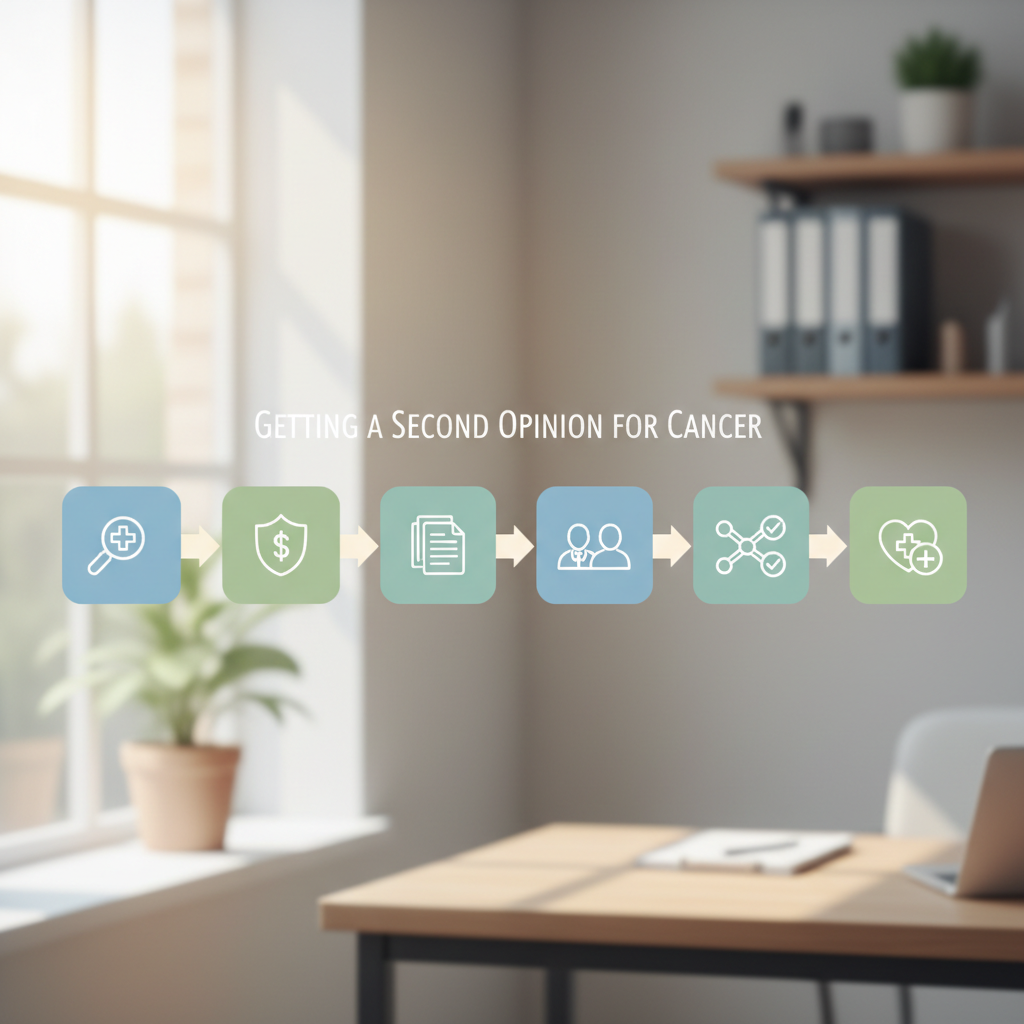
The Benefits of a Second Opinion
A cancer diagnosis can be complex, and a second opinion can provide several crucial benefits. Firstly, it offers peace of mind. Knowing that another expert has reviewed the case can alleviate anxieties about the accuracy of the initial diagnosis or treatment plan [3]. Studies show that second opinions often lead to a modification of the initial diagnosis or treatment plan, sometimes significantly [1]. This can range from subtle adjustments to a completely different recommended approach, such as qualifying for a clinical trial [4].
Secondly, a second opinion can introduce alternative treatment options that may not have been discussed initially. Different oncologists may have varying levels of experience with specific cancers or a broader knowledge of cutting-edge therapies. For example, one specialist might recommend a particular type of surgery, while another might suggest a combination of chemotherapy and radiation. A different perspective can broaden your understanding of the landscape of treatments available, including /clinical-trials. This empowers you both to make informed decisions that are right for you and your loved one.
When to Seek a Second Opinion
It’s almost always a good idea to seek a second opinion after a cancer diagnosis, especially if:
- The diagnosis is rare or complex: For uncommon cancers, specialists with specific expertise can provide invaluable insights [2].
- You feel uncertain or uneasy: Trust your instincts. If you have any doubts about the diagnosis or treatment plan, a second opinion can confirm or clarify.
- There are multiple treatment options: When faced with several equally viable but different treatment paths, a second opinion can help weigh the pros and cons.
- The recommended treatment is aggressive or experimental: For treatments with significant side effects or those participating in clinical trials, a second evaluation ensures you understand all implications.
- You are considering a clinical trial: A second opinion can help determine eligibility and suitability for clinical trials, potentially offering access to new treatments [4].
Remember, seeking a second opinion is entirely your right as a patient's advocate and should not offend your initial medical team. Most reputable doctors encourage it.
Navigating the Process with Cancer Answers OC in Fullerton
How Cancer Answers OC Supports Caregivers
At Cancer Answers OC, we understand the immense pressure and emotional toll of caring for someone with cancer. Our mission is to provide caregivers in Orange County, including Fullerton, with reliable, patient-friendly, and evidence-based information to help you navigate this journey. We offer resources to help you understand complex medical information, find reputable specialists, and connect with support networks.
Our platform is designed to be a trusted companion, offering clarity and guidance when you need it most. We believe that informed caregivers can lead to better outcomes and a smoother journey for patients. You can reach out to us directly for personalized support or for help planning your second opinion consult, or simply chat with our free Ask the Assistant tool available 24/7 on our site. It's a confidential, instant resource, with live Orange County specialists available if needed, to answer your questions about cancer care navigation in your area.
Connecting with Local Fullerton Resources
Fullerton, as part of Orange County, has access to a robust network of healthcare providers and support services. Cancer Answers OC can help you identify local oncologists, cancer centers, and support groups that specialize in the type of cancer your loved one is facing. We can guide you through the process of obtaining medical records and preparing for consultations, ensuring you are well-equipped for every step.
We provide curated information on local specialists in Fullerton who have experience with second opinions and work with various insurance providers. Our goal is to simplify the search and connect you with the best possible care, right here in Orange County. Don't hesitate to /contact us for personalized assistance.
Frequently asked questions
Is a second opinion common for cancer diagnoses?
Yes, it is very common and often encouraged. Many patients seek a second opinion to confirm a diagnosis, explore alternative treatment options, or gain more confidence in their care plan. This is a standard and respected part of cancer care.
Will my original doctor be offended if I get a second opinion?
In most cases, no. Reputable oncologists understand and even encourage patients to seek second opinions, especially for complex diagnoses like cancer. It demonstrates a proactive approach to care and helps ensure the best possible outcome for the patient.
How long does it take to get a second opinion?
The timeframe can vary based on the specialist's availability and how quickly you can gather all necessary medical records. It can range from a few days to a few weeks. Promptly gathering records and communicating availability to the new office can expedite the process.
What documents do I need for a second opinion?
You will need all relevant medical records, including pathology reports, biopsy slides, imaging results (MRI, CT, PET scans), and any genetic testing results. A summary of your loved one's medical history and current medications is also beneficial.
What if the second opinion differs from the first?
If opinions differ, you have a few options. You can discuss the discrepancies with both doctors, seek a third opinion for further clarification, or choose the treatment plan that you and your loved one feel most comfortable and confident with. This is precisely why second opinions are so valuable.
Can a second opinion change the treatment plan significantly?
Yes, a second opinion can sometimes lead to significant changes in the diagnosis or recommended treatment plan [1]. This might include identifying a different cancer type, suggesting a more effective treatment, or recommending a less invasive approach. It's a critical step in ensuring the most accurate and personalized care.
When to call your care team
- Immediately after receiving the initial diagnosis, to discuss the possibility of a second opinion.
- When your insurance company provides clarification on coverage for a second opinion.
- If you encounter difficulties gathering medical records for the second opinion appointment.
- If you experience significant emotional distress or feel overwhelmed by the decision-making process.
- After receiving a second opinion, to discuss if more clarification is needed.
- For any unexpected side effects or changes in your loved one's condition during this process.
How Cancer Answers OC can help
At Cancer Answers OC, we are committed to empowering caregivers in Fullerton with the resources and information needed to confidently navigate a cancer diagnosis. We offer curated lists of top oncologists in Orange County who are experienced in providing compassionate and comprehensive second opinions. Our patient advocates can guide you through the process of obtaining records, understanding insurance, and preparing for consultations. Your peace of mind is our priority.
We encourage you to utilize our website's resources, including our free Ask the Assistant chat (floating button on the bottom-right of your screen). This private, instant, 24/7 tool is designed to provide immediate answers to your questions, with the option to connect with live Orange County specialists when you need more personalized assistance. Let us help you ensure your loved one receives the best possible care, right here in Southern California.
Related resources
- Navigating Financial Assistance for Cancer Patients in Santa Ana
- Navigating Financial Assistance for Breast Cancer in Santa Ana
- Understanding Financial Aid for Melanoma Patients in Tustin, Orange County
- Find a cancer specialist in Orange County
- Get a second opinion
- Insurance and coverage guide
Sources
[1] Proceedings of a Workshop - Improving Cancer Diagnosis and Care: https://www.ncbi.nlm.nih.gov/books/NBK532639/ [2] Risk of endometrial cancer in patients with polycystic ovarian ... - PMC: https://pmc.ncbi.nlm.nih.gov/articles/PMC10028221/ [3] Experience and Perceptions of a Family Health History Risk ...: https://pmc.ncbi.nlm.nih.gov/articles/PMC8536959/ [4] Study Details | NCT02965378 | ClinicalTrials.gov - Clinical Trials: https://clinicaltrials.gov/study/NCT02965378 [5] Characterization of Thyroid Cancer among Hispanics in California ...: https://pmc.ncbi.nlm.nih.gov/articles/PMC10969047/ [6] Variations in Oncologist Recommendations for Chemotherapy for ...: https://pmc.ncbi.nlm.nih.gov/articles/PMC4957251/ [7] Getting a Second Opinion - Cancer Orange County - Providence: https://www.providence.org/locations/socal/cancer-orange-county/second-opinion [8] Cancer Second Opinion Los Angeles | City of Hope: https://www.cityofhope.org/locations/los-angeles/getting-a-second-opinion [9] Cancer Care Second Opinions | UCI Health | Orange County, CA: https://www.ucihealth.org/medical-services/programs/cancer-second-opinion-services [10] TheSecondOpinion - Free second opinions for adults in California ...: https://thesecondopinion.org/