
A lung cancer diagnosis brings many challenges, and managing the financial burden can be one of the most significant. Fortunately, there are resources available to help patients in Fullerton navigate these costs, from understanding insurance to accessing grants and support programs.
This article will guide you through various avenues for financial help for lung cancer patients in Fullerton, detailing how to find assistance, manage treatment expenses, and get the support you need. We understand that this journey can feel overwhelming, but you do not have to face it alone.
At a glance
| Detail | Summary |
|---|---|
| Topic | financial help for lung cancer patients Fullerton |
| Who it is for | Patients and families |
| Area served | Orange County, California |
| Category | insurance-financial |
| Reading time | About 12 minutes |
| Cited sources | 6 |
| Last reviewed | 2026-06-01 |
Key takeaways
- Lung cancer treatment can be expensive, with some patients facing over $85,000 in costs in the first year alone [8].
- Financial assistance is available through government programs, pharmaceutical companies, and non-profit organizations.
- Insurance navigation is crucial for understanding coverage, appeals, and out-of-pocket expenses.
- Local resources in Orange County can provide personalized support and connections to aid programs.
- Seeking help early can significantly reduce financial stress and allow you to focus on your health.
Understanding the Financial Landscape of Lung Cancer Treatment
Facing a lung cancer diagnosis means confronting not only the medical complexities but also the substantial financial implications. The costs associated with treatment can accumulate rapidly, creating stress and uncertainty for patients and their families. Many patients experience what is known as "financial toxicity" due to medical costs, insurance gaps, and income loss [8].
The High Cost of Care
Lung cancer treatment often involves a combination of surgeries, chemotherapy, radiation, targeted therapy, and immunotherapy. Each of these components carries its own price tag, and together they can reach staggering amounts. The first year of lung cancer treatment alone can cost upwards of $85,000, and this figure doesn't always account for indirect costs like travel, childcare, or lost wages [8].
These expenses highlight the critical need for proactive financial planning and utilizing available support. Understanding the potential scope of these costs is the first step in effectively managing them.
Why Financial Help is Crucial
Financial burdens can impact a patient's ability to adhere to treatment plans and, in some cases, even affect their overall health outcomes. Studies suggest that patients who receive financial assistance have an 88.2% lower risk of abandoning prescriptions and may experience improved survival rates [8]. This makes seeking financial help not just about easing economic strain, but also about supporting the best possible medical care.
Help can come in many forms, from co-pay assistance to programs that cover transportation and lodging. Accessing these resources can make a significant difference in your lung cancer journey and help you maintain your well-being throughout treatment.
Navigating Your Insurance: What You Need to Know
Your health insurance plan is often the first line of defense against the high costs of lung cancer treatment. Understanding your policy, what it covers, and what your responsibilities are is essential. This can be a complex process, but resources are available to help you make sense of it all.
Deciphering Your Health Insurance Plan
Review your insurance policy documents carefully to understand your deductibles, co-pays, co-insurance, and out-of-pocket maximums. Familiarize yourself with your network of providers and any pre-authorization requirements for treatments or medications [9]. Many insurance companies also have case managers who can help you understand your benefits and coordinate care.
Don't hesitate to call your insurance provider directly with questions. They can clarify coverage details, explain billing statements, and guide you through the process of obtaining necessary approvals.
Appealing Denied Claims and Maximizing Benefits
Sometimes, claims for services or medications might be denied by your insurance company. If this happens, you have the right to appeal the decision. This often involves submitting a formal appeal with supporting documentation from your medical team.
Organizations like the Patient Advocate Foundation offer free case management services to help patients understand and navigate their insurance plans, including guidance on appeals [8]. Maximizing your benefits can also involve exploring whether a second opinion from another specialist might be covered, as it can sometimes lead to different treatment pathways [5]. You can learn more about getting a second opinion by visiting our page at /second-opinion.
Government and Non-Profit Assistance Programs
Beyond private insurance, numerous government programs and non-profit organizations offer financial assistance specifically for lung cancer patients. These programs can help cover treatment costs, prescription medications, and even daily living expenses.
Federal and State Programs
Medicare and Medicaid are vital government programs that provide health coverage for eligible individuals. Medicare primarily serves those over 65 or with certain disabilities, while Medicaid offers coverage for low-income individuals and families. The Social Security Disability Insurance (SSDI) program can also provide financial support for those unable to work due to their condition [8].
Eligibility requirements for these programs can vary, so it's important to investigate which options might apply to your situation. Resources like BenefitsCheckUp.org can help you identify federal, state, and local programs you may qualify for [9].
Grants and Patient Assistance Programs
Many non-profit organizations and pharmaceutical companies offer grants and patient assistance programs. These can help cover out-of-pocket costs for treatments, co-pays, and even non-medical expenses. Examples include the Patient Access Network (PAN) Foundation, which provides financial assistance for specific lung cancer treatments, and the HealthWell Foundation [9, 10].
LUNGevity Foundation, in partnership with Family Reach, offers a Financial Treatment Program that provides financial education, navigation, and even free consultations with Certified Financial Planners to lung cancer patients [7]. These programs are designed to alleviate some of the direct financial strain, allowing you to focus on healing.
In-depth look
Financial issues often arise unexpectedly, making it difficult to plan. Learning about different types of support early can make a big difference. Many organizations focus on specific areas of need, from covering drug costs to providing grants for everyday expenses.
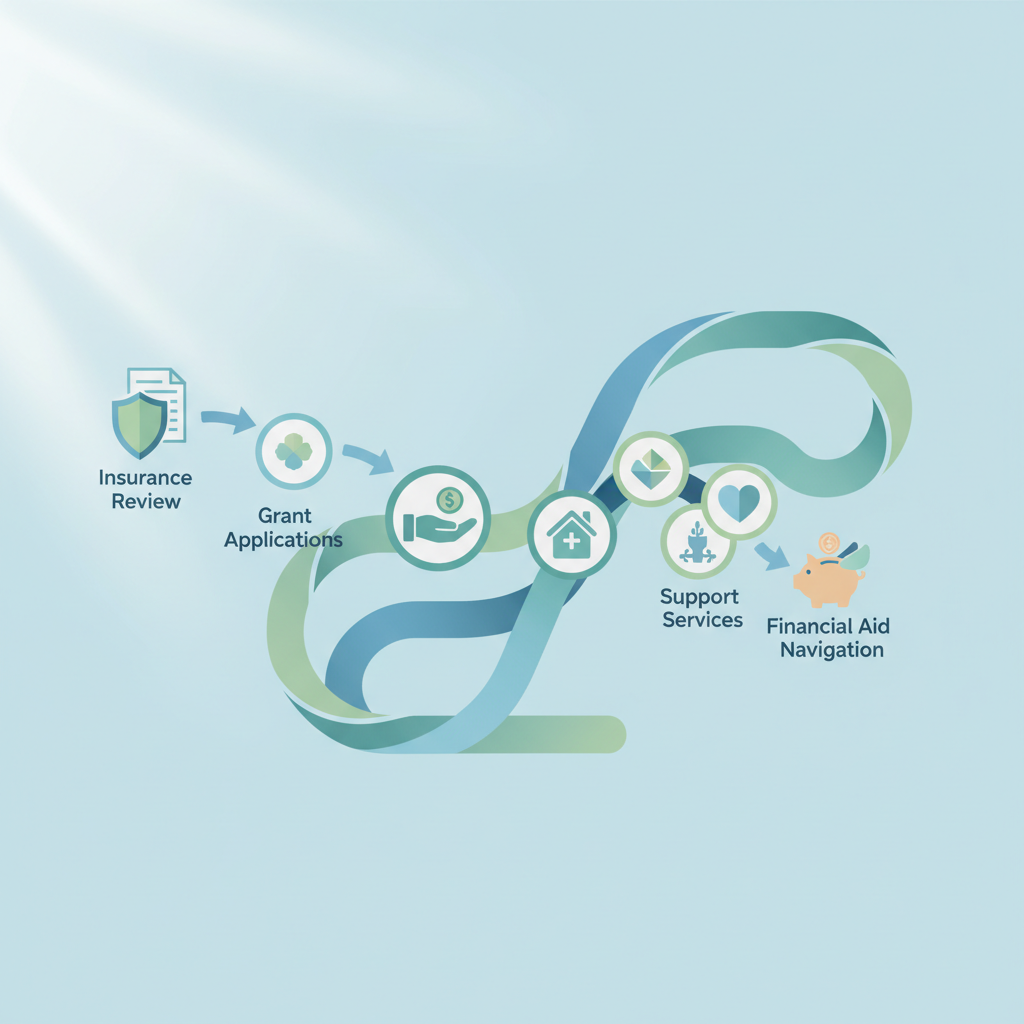
Navigating cancer care costs can be complex. In Orange County, numerous organizations can help you understand your options and connect you with the right resources. From local support groups to national foundations, assistance is often just a phone call or click away. Don't underestimate the power of asking for help.
Reducing Lung Cancer Treatment Costs in Fullerton and OC
For residents in Fullerton and across Orange County, specific local resources can complement national programs. Hospital financial counselors are often available to discuss payment options, charity care policies, and connect you with internal or community-based aid [8]. Some hospitals also offer discounted services to uninsured or underinsured patients based on income.
Additionally, local community centers and cancer support groups in Orange County might be aware of smaller, regional grants or assistance programs. Connecting with these groups can provide invaluable local insights and support.
Practical Support Beyond Treatment
Financial help for lung cancer patients extends beyond direct medical costs. Many programs recognize that indirect expenses can be just as burdensome. This includes assistance with transportation to appointments, lodging for out-of-town treatments, and even childcare [9].
Organizations like the American Cancer Society's Road to Recovery program offer free rides to treatment for cancer patients [9]. Knowing these resources exist can reduce the logistical and financial stress associated with regular hospital visits, allowing you to focus on recovery [2].
Clinical Trials and Their Financial Impact
Participating in a clinical trial can offer access to cutting-edge treatments that might not yet be widely available. It's important to understand the financial implications of clinical trial participation.
Understanding Costs in Clinical Trials
Generally, the research costs associated with a clinical trial, such as the experimental drug or procedure, are covered by the trial sponsor. However, standard care costs, like routine doctor visits, hospital stays, and diagnostic tests—such as CT scans [3]—are typically billed to your insurance [4].
Before enrolling, always clarify what costs will be covered by the trial sponsor and what you or your insurance will be responsible for. A detailed discussion with the clinical trial coordinator about financial considerations is crucial.
Finding Clinical Trials in Orange County
If you are in Fullerton or the wider Orange County area, there are clinical trials available for lung cancer. These trials are essential for advancing cancer research and can offer new hope for patients [1]. You can explore clinical trials through resources like the National Cancer Institute Clinical Trials database or through organizations like the American Lung Association [9]. Our team at Cancer Answers OC can also help you navigate options for clinical trials; visit /clinical-trials to learn more.
Participating in a clinical trial can be a viable option for many patients, offering access to innovative therapies while potentially reducing some financial burdens.
Empowering Yourself: Advocacy and Support
Advocacy plays a significant role in navigating your lung cancer journey, both medically and financially. Being your own advocate or having someone advocate on your behalf can open doors to resources and ensure your needs are met.
Patient Advocacy Groups
Numerous patient advocacy groups are dedicated to supporting lung cancer patients. Organizations like the LUNGevity Foundation and the American Lung Association not only offer information and emotional support but often have resources dedicated to financial assistance and insurance guidance [7, 9].
These groups can connect you with peer support networks, provide educational materials, and even offer direct navigators who can help you understand your options. They empower you with the knowledge and connections needed to tackle financial challenges head-on.
The Role of Financial Counselors
Don't underestimate the value of speaking with a financial counselor, either through your treatment center or an independent organization. These professionals specialize in guiding cancer patients through the complexities of medical billing, insurance claims, and financial planning [8].
They can help you create a budget, identify potential grant opportunities, and negotiate with providers for reduced costs or payment plans. A financial counselor acts as a crucial ally in managing the economic aspects of your care.
Frequently asked questions
What is "financial toxicity" in cancer care?
Financial toxicity refers to the negative impact that the cost of cancer treatment has on a patient's financial well-being and quality of life. It includes issues like debt, bankruptcy, and reduced ability to pay for basic needs, which can significantly affect adherence to treatment and overall health outcomes [8].
How can I find local financial resources for lung cancer in Fullerton?
Start by asking your hospital's social work or financial navigation department. They often have lists of local and national organizations that provide specific financial help for lung cancer patients. Community support groups in Fullerton and Orange County can also be excellent sources of information.
Are there programs that help with non-medical costs like transportation or housing?
Yes, many organizations offer assistance with non-medical expenses. The American Cancer Society's Road to Recovery program can provide rides to treatment. Other non-profits might offer grants for lodging, utilities, or food. It's worth exploring programs like CancerCare Copay Assistance [9] and Family Reach's Financial Treatment Program [7].
What if I don't have health insurance or am underinsured?
If you don't have insurance, look into government programs like Medicaid or explore options on Healthcare.gov during open enrollment periods or through special enrollment qualifications [9]. If you're underinsured, patient assistance programs from pharmaceutical companies and non-profit organizations can help cover gaps in coverage or high out-of-pocket costs.
Can I get help with prescription medication costs?
Absolutely. Many pharmaceutical companies have patient assistance programs that offer free or low-cost medications to eligible patients. Additionally, non-profit organizations often provide co-pay assistance for prescriptions. Your oncology team or a financial navigator can help you apply for these programs [8].
How does participating in a clinical trial affect my finances?
In a clinical trial, the research-related costs (like the study drug) are typically covered by the sponsor. However, standard care costs (routine doctor visits, tests, etc.) are usually billed to your insurance. Always get a clear breakdown of covered and non-covered costs from the trial coordinator before enrolling [4].
When to call your care team
- If you receive a medical bill you don't understand or can't afford.
- If your insurance denies coverage for a treatment, test, or medication.
- If you're struggling to pay for non-medical expenses that impact your ability to get treatment.
- If you're considering a change in your insurance plan or employment and want to understand the impact.
- If you need help appealing an insurance decision or finding financial aid programs.
How Cancer Answers OC can help
At Cancer Answers OC, we understand that navigating a lung cancer diagnosis involves more than just medical decisions. Our mission is to provide comprehensive support to patients in Fullerton and throughout Orange County, including crucial information about financial help for lung cancer patients. We offer personalized guidance to connect you with resources that can ease your financial burden, allowing you to focus on what matters most: your health.
Our team can help you understand your insurance options, identify potential grants and assistance programs, and connect with financial counselors. We are here to answer your questions and guide you every step of the way. You can contact us directly to speak with a specialist through our website or utilize the free Ask the Assistant chat button located at the bottom-right of your screen. This service provides private, instant support 24/7, with live Orange County specialists available to assist when needed. Let us help you find the financial assistance you deserve. You can also explore our /find-specialist page to connect with experts who understand your unique needs.
Related resources
- Navigating Financial Assistance for Cancer Patients in Santa Ana
- Navigating Financial Assistance for Breast Cancer in Santa Ana
- Understanding Financial Aid for Melanoma Patients in Tustin, Orange County
- Find a cancer specialist in Orange County
- Get a second opinion
- Insurance and coverage guide
Sources
- Disparities in time to treatment initiation of invasive lung cancer ... URL: https://pmc.ncbi.nlm.nih.gov/articles/PMC11698444/
- Recommendations for Interventions to Improve Function in Patients ... URL: https://pmc.ncbi.nlm.nih.gov/articles/PMC12231241/
- Evaluation of computed tomography numbers for treatment planning ... URL: https://pubmed.ncbi.nlm.nih.gov/7141938/
- Randomized Phase II Study of Fulvestrant and Erlotinib Compared ... URL: https://pmc.ncbi.nlm.nih.gov/articles/PMC6118115/
- Variations in Oncologist Recommendations for Chemotherapy for ... URL: https://pmc.ncbi.nlm.nih.gov/articles/PMC4957251/
- Randomized phase II study of fulvestrant and erlotinib compared ... URL: https://pubmed.ncbi.nlm.nih.gov/30089602/
- Family Reach's Financial Treatment Program - LUNGevity Foundation URL: https://www.lungevity.org/patients-care-partners/helpful-resources/family-reachs-financial-treatment-program
- The Financial Assistance for Lung Cancer Patients Guide URL: https://qualify.health/blog/the-financial-assistance-for-lung-cancer-patients-guide/
- Treatment Assistance for Lung Cancer Patients URL: https://www.lung.org/lung-health-diseases/lung-disease-lookup/lung-cancer/treatment/assistance
- The PAN Foundation opens new small cell lung cancer patient ... URL: https://www.panfoundation.org/the-pan-foundation-opens-new-small-cell-lung-cancer-patient-assistance-fund/