
A cancer diagnosis brings many challenges, and the financial burden can be one of the most overwhelming. Fortunately, for residents of Santa Ana and throughout Orange County, numerous resources exist to provide financial aid for cancer patients. Understanding these options, from government programs to local non-profits, is crucial for managing treatment costs and maintaining focus on recovery.
This article aims to shed light on available cancer financial assistance in OC, offering a roadmap for patients and families facing unexpected costs. From co-pay assistance to transportation support, knowing where to turn can make a significant difference in your cancer journey.
Key takeaways
- Financial toxicity is a common, profound challenge for cancer patients, impacting treatment adherence and quality of life.
- Numerous governmental, non-profit, and pharmaceutical programs offer financial aid for cancer patients in Santa Ana and beyond.
- Financial navigators and social workers are invaluable resources for identifying and accessing appropriate assistance programs.
- Local organizations in Orange County provide specific, community-focused support covering treatment, living expenses, and practical needs.
- Proactive engagement with resources and clear communication with your care team are essential steps in managing cancer-related costs.
Understanding the Financial Impact of Cancer Treatment
A cancer diagnosis can lead to significant financial strain, often termed "financial toxicity," affecting patients' physical and mental well-being [1]. This strain extends beyond direct medical costs to include lost income, transportation, childcare, and even dietary changes. Recognizing this burden is the first step toward seeking help.
The Scope of Financial Toxicity
Financial toxicity can manifest as increased out-of-pocket medical expenses, debt accrual, and even bankruptcy. A study found that many patients experience moderate to catastrophic financial hardship, which can negatively impact their adherence to prescribed treatments [1]. This can create a vicious cycle where financial stress impedes effective care.
Beyond direct treatment costs, patients often face indirect expenses. These include travel to appointments, potential need for home care, and even modifications to their living environment. The cumulative effect of these costs can be overwhelming, affecting an individual's entire household [6].
Why Help Paying for Cancer Treatment is Crucial
When faced with a cancer diagnosis, the primary focus should be on treatment and recovery. However, financial worries can distract from this critical focus and worsen stress and anxiety. Access to financial aid for cancer patients helps alleviate this burden, allowing individuals to concentrate on their health.
Financial assistance can help cover co-pays, deductibles, prescription costs, and even non-medical expenses like transportation and housing. Programs designed to help paying for cancer treatment ensure that financial constraints do not become a barrier to accessing the best possible care. This is particularly vital in a high-cost-of-living area like Orange County.
Navigating Insurance and Medical Bills
Understanding your health insurance plan and how to manage medical bills is fundamental to reducing financial stress. Insurance policies can be complex, with varying deductibles, co-pays, and out-of-pocket maximums. Proactive engagement with your insurer and healthcare providers can prevent unexpected financial surprises.
Deciphering Your Insurance Plan
Start by thoroughly reviewing your insurance policy's benefits, exclusions, and preferred provider network. Contact your insurance company to clarify coverage for specific treatments, medications, and services that your oncology team recommends. Understanding your out-of-pocket maximum is especially important, as this is the most you'll pay in a policy year for covered services.
Many cancer treatments involve a combination of doctor visits, chemotherapy, radiation, and surgeries, all of which may have different coverage levels. Your breast cancer care team or a financial navigator can help you understand these details and advocate on your behalf. Don't hesitate to ask for explanations in plain language.
Strategies for Managing Medical Bills
Upon receiving medical bills, review them carefully for accuracy. Errors can occur, and it's essential to ensure you're only paying for services you received and that your insurance has been correctly applied. If discrepancies arise, contact the billing department immediately.
If you anticipate difficulty paying a bill, communicate with the hospital or clinic's financial assistance department. Many institutions offer payment plans, financial aid, or can connect you with charitable programs. Early communication is key to avoiding collections and associated credit score impacts.
Local Resources for Financial Aid for Cancer Patients Santa Ana and OC
Orange County is home to a robust network of organizations dedicated to providing cancer financial assistance. These local resources can offer tailored support, understanding the specific challenges faced by residents in areas like Santa Ana and Anaheim.
Regional Non-Profits and Foundations
Many non-profit organizations in Orange County focus specifically on supporting cancer patients. For example, the Orange County Cancer Coalition (OC3) is a network of over 35 organizations, including hospitals and community groups, dedicated to comprehensive cancer prevention and care in Orange County. They connect patients to resources that offer free or reduced-cost services [10].
These groups often provide direct financial grants, help with practical needs like transportation or lodging during treatment, and offer emotional support programs. Researching local foundations can uncover specific aid programs that align with your particular needs or cancer type.
Hospital-Based Financial Assistance Programs
Most hospitals and cancer centers in Orange County, including those in Santa Ana, have internal financial assistance programs. These programs can help patients apply for charity care, negotiate bills, or find payment plans. They often employ financial navigators or social workers specifically trained to guide patients through complex financial landscapes [2, 3].
These hospital-based navigators can assess your eligibility for government assistance, such as Medi-Cal or Medicare, and help you apply. They can also connect you with pharmaceutical patient assistance programs that provide free or low-cost medications. Utilizing these professionals is one of the most effective ways to secure help paying for cancer treatment Anaheim and across OC.
In-depth look
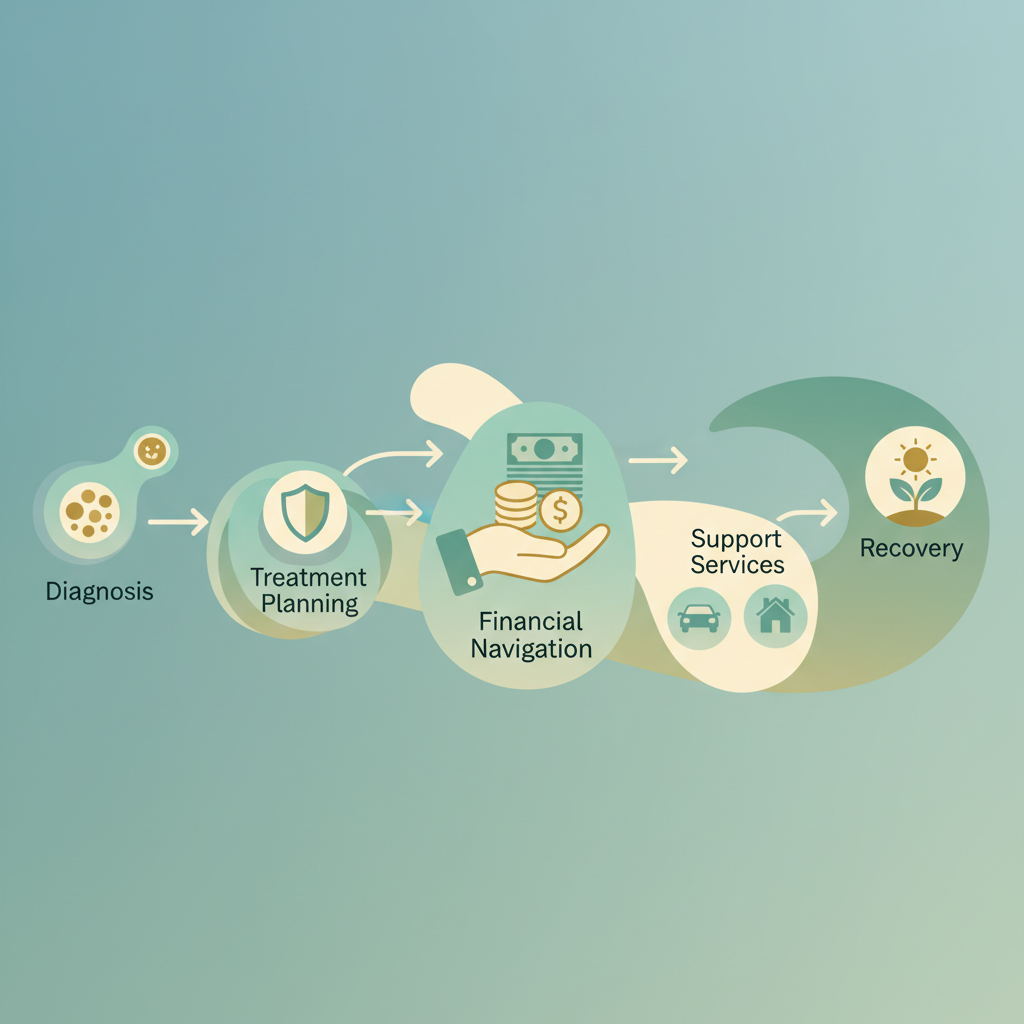
National and State-Wide Programs for Cancer Financial Assistance
Beyond local support, a variety of national and state-wide programs offer substantial financial aid for cancer patients. These resources can be vital for covering significant costs associated with long-term treatment or specialized care.
Government Assistance Programs
California offers several state-funded programs for healthcare and financial assistance. Medi-Cal, the state's Medicaid program, provides comprehensive health coverage for low-income individuals and families, including extensive cancer treatment coverage. Eligibility is based on income and family size [9].
Other federal programs like Social Security Disability Insurance (SSDI) or Supplemental Security Income (SSI) can provide income replacement for individuals unable to work due to their cancer diagnosis. These programs have specific medical and work history requirements. A social worker at your cancer center can often assist with the application process.
Pharmaceutical and Manufacturer Programs
Many pharmaceutical companies offer patient assistance programs (PAPs) to help individuals afford their prescribed medications. These programs often provide drugs for free or at a significantly reduced cost for eligible patients, typically based on income and insurance status.
Companies often list their PAPs on their websites, or your oncology team can provide information. These programs can be critical for expensive targeted therapies or oral chemotherapies not fully covered by insurance. Don't overlook this important source of financial aid for cancer patients.
Non-Profit Foundations and Charities
National non-profit organizations, such as CancerCare, offer various forms of financial assistance. CancerCare provides co-payment assistance, help with transportation, home care, and childcare costs, along with a searchable database of financial resources [7]. The Patient Advocate Foundation also offers financial aid funds and assistance with insurance appeals [8].
Organizations like the American Cancer Society also provide extensive support, including information on financial assistance, free rides to treatment, and lodging options [10]. These larger foundations serve as crucial safety nets, complementing local aid and government programs.
Practical Support and Beyond Treatment Costs
Financial aid for cancer patients extends beyond direct medical bills to encompass the many practical challenges that arise during treatment. Support for daily living expenses can significantly reduce overall financial stress.
Transportation and Lodging Assistance
Traveling to appointments, especially for daily radiation or weekly chemotherapy, can incur substantial costs. Many organizations, both local and national, offer programs to help cover these expenses. Some provide gas cards, while others arrange free rides or discounted public transportation passes.
For patients who need to travel long distances for specialized care, lodging assistance programs can help cover the cost of hotels or provide free accommodation in hospitality houses near treatment centers. These services are invaluable, especially for patients in Orange County who may need to travel to facilities in Los Angeles or other areas for specific treatments.
Food Insecurity and Utility Support
Cancer treatment can impact a patient's ability to work, leading to decreased income and potential challenges with basic living expenses. Programs exist to address food insecurity—providing groceries, meal delivery services, or connecting patients to food banks.
Similarly, some charities and government programs offer assistance with utility bills (electricity, gas, water) to prevent service disruptions during treatment. These types of comprehensive support systems are vital for a patient's overall well-being and ability to focus on recovery without the added stress of basic needs [4].
The Role of Financial Navigation and Advocacy
Navigating the complex landscape of financial aid can be overwhelming. This is where financial navigators and patient advocates play a crucial role, serving as guides and champions for patients and their families.
Connecting with a Financial Navigator
Many cancer centers offer financial navigation services where dedicated professionals help patients understand their insurance benefits, identify potential costs, and apply for assistance programs. These navigators are knowledgeable about both medical billing and external financial resources [2].
The most effective financial navigation programs often lead to reduced financial distress and improved adherence to care plans [2]. Don't hesitate to ask your oncology team for a referral to a financial navigator early in your treatment journey. Their expertise can save you significant time and stress.
Patient Advocacy Services
Patient advocates work on behalf of patients to ensure they receive appropriate care and support. This can include help with insurance appeals, resolving billing disputes, or connecting patients with legal aid for employment-related issues. They act as an intermediary, speaking to insurance companies or providers on your behalf.
Organizations like the Patient Advocate Foundation specialize in providing case management services, helping patients overcome obstacles to care, including financial ones. These advocates ensure your voice is heard and your needs are met, providing invaluable support during a challenging time.
Frequently asked questions
How can I find financial aid for cancer patients in Santa Ana specifically?
Start by contacting the financial assistance department at your cancer treatment center in Santa Ana. They often have lists of local resources, grants, and charity programs specific to Orange County. Additionally, explore regional non-profits like those affiliated with the Orange County Cancer Coalition (OC3) [10]. Cancer Answers OC also has compiled resources for our patients; feel free to ask our free Ask the Assistant chat for guidance.
What is "financial toxicity" and how can I mitigate it?
Financial toxicity refers to the negative financial consequences of cancer treatment, including debt, bankruptcy, and inability to adhere to care [1, 6]. To mitigate it, work with a financial navigator, understand your insurance thoroughly, apply for all eligible assistance programs (government, non-profit, pharmaceutical), and communicate early and openly about financial concerns with your care team. Proactive planning is key.
Can I get help with non-medical expenses like rent or food?
Yes, many programs offer assistance with non-medical expenses. Local charities, community organizations, and some national non-profits provide support for rent, utilities, transportation, and food. Your hospital's social worker or financial navigator can often point you to these valuable resources in Orange County [9].
How do pharmaceutical patient assistance programs work?
Pharmaceutical Patient Assistance Programs (PAPs) are offered by drug manufacturers to provide free or low-cost medications to patients who meet specific income and insurance criteria. Your medical team or a financial navigator can help you identify eligible programs and complete the application process. These can significantly reduce the cost of expensive cancer drugs.
What if my insurance denies coverage for a treatment?
If your insurance denies coverage, you have the right to appeal. A patient advocate or financial navigator can help you understand the appeals process, gather necessary documentation, and write appeal letters. Persistence and strong medical justification from your doctor are often crucial for successful appeals.
When to call your care team
- If you receive unexpected medical bills or have questions about a charge.
- If you are struggling to afford prescribed medications or co-pays.
- If your financial situation changes significantly (e.g., job loss, reduced hours).
- If you need help understanding your insurance benefits or appealing a denial.
- If you are experiencing financial distress that is impacting your ability to focus on treatment.
- If you struggle with basic needs like food, housing, or transportation due to cancer costs.
How Cancer Answers OC can help
At Cancer Answers OC, we understand that a cancer diagnosis is overwhelming, and facing financial challenges can add immense stress. Our mission is to support patients and their families in Orange County, including Santa Ana, by connecting them with the resources they need. We believe that no one should have to choose between their health and their financial stability.
Explore our website for information on /clinical-trials, where potentially cutting-edge treatments might be available at reduced costs. If you're considering your options, our /second-opinion service can provide clarity and confidence without adding financial strain.
For personalized assistance, our free Ask the Assistant chat, available 24/7 at the bottom-right of your screen, offers instant support and connections to live OC specialists when needed. We are dedicated to providing comprehensive, compassionate care and robust cancer financial assistance in OC. For direct help, you can always /contact us.
Related resources
- Navigating Financial Assistance for Cancer Patients in Santa Ana
- Navigating Financial Assistance for Breast Cancer in Santa Ana
- Understanding Financial Aid for Melanoma Patients in Tustin, Orange County
- Find a cancer specialist in Orange County
- Get a second opinion
- Insurance and coverage guide
Sources
- A multi‐dimensional assessment of financial hardship of cancer ... URL: https://pmc.ncbi.nlm.nih.gov/articles/PMC10757134/
- Evaluating the impact of financial navigation on ... - PMC - NIH URL: https://pmc.ncbi.nlm.nih.gov/articles/PMC12924259/
- Interventions to Address Cancer-related Financial Toxicity - PMC - NIH URL: https://pmc.ncbi.nlm.nih.gov/articles/PMC9163204/
- Addressing financial and health-related social needs among ... - PMC URL: https://pmc.ncbi.nlm.nih.gov/articles/PMC13092577/
- Achieving health equity in cancer care in the Philippines - PMC - NIH URL: https://pmc.ncbi.nlm.nih.gov/articles/PMC10292855/
- Financial Burdens of Cancer Treatment: A Systematic Review ... - PMC URL: https://pmc.ncbi.nlm.nih.gov/articles/PMC7370695/
- Financial & Co-Payment Assistance for Cancer Patients - Cancer Care URL: https://www.cancercare.org/financial_assistance
- Financial Aid Funds - Patient Advocate Foundation URL: https://www.patientadvocate.org/connect-with-services/financial-aid-funds/
- PDF] LOCAL, NATIONAL AND INTERNET RESOURCES - City of Hope URL: https://www.cityofhope.org/sites/www/files/2022-06/local-national-and-internet-resources-booklet_0.pdf
- Orange County Cancer Coalition (OC3) URL: https://cancer.uci.edu/community/orange-county-cancer-coalition-oc3