
Receiving a thyroid cancer diagnosis can feel overwhelming, leaving you with many questions about the best path forward. Seeking a second opinion is a powerful step that empowers you and your care team with comprehensive insights, ensuring confidence in your treatment plan.
For caregivers in Fullerton, understanding when to get a second opinion for thyroid cancer can provide crucial reassurance and potentially refine the treatment strategy, ultimately contributing to the best possible outcome for your loved one.
At a glance
| Detail | Summary |
|---|---|
| Topic | when to get second opinion thyroid cancer Fullerton |
| Who it is for | Caregivers and family |
| Area served | Orange County, California |
| Category | patient-education |
| Reading time | About 11 minutes |
| Cited sources | 6 |
| Last reviewed | 2026-06-01 |
Key takeaways
- A second opinion for thyroid cancer can confirm the initial diagnosis or offer alternative insights, providing peace of mind.
- It empowers caregivers and patients by ensuring all treatment options, including the latest advancements, are considered.
- Seeking a second opinion is a common and welcomed practice; most medical professionals encourage it, even within Fullerton.
- Second opinions are especially valuable for rare thyroid cancer types, complex cases, or when treatment decisions are difficult.
- Cancer Answers OC can help you navigate the process of finding a specialized thyroid cancer expert for a second opinion.
What is a Second Opinion and Why Does it Matter?
When a loved one is diagnosed with thyroid cancer, navigating the news and treatment options can be complex. A second opinion means having another expert review the diagnosis and proposed treatment plan. It's a fundamental part of comprehensive cancer care.
Gaining Clarity and Confidence
Facing a cancer diagnosis brings a flood of emotions and critical decisions. A second opinion provides an opportunity to confirm the accuracy of your loved one's diagnosis and ensures the recommended treatment plan aligns with the latest medical knowledge and their specific situation [10]. This affirmation can be incredibly reassuring for both patient and caregiver, knowing that every stone has been turned.
Exploring All Treatment Avenues
Thyroid cancer, while often treatable, can present in various forms and stages, from small, slow-growing papillary microcarcinomas to more aggressive types [5]. Treatment approaches can vary, which is why a second opinion can be so valuable [7]. It might introduce new or less aggressive treatment options, highlight a clinical trial, or simply validate the current plan. This comprehensive review helps ensure no potentially beneficial approach is overlooked.
When to Get a Second Opinion for Thyroid Cancer in Fullerton
Deciding when to pursue a second opinion is a common question for caregivers. While it's often beneficial at any stage, certain situations make it particularly crucial.
Immediately After Diagnosis, Before Treatment Begins
The optimal time to seek a second opinion is typically right after the initial diagnosis and before any treatment has started [9]. This timing allows for a thorough review of all diagnostic materials, including imaging scans and biopsy results, to ensure the diagnosis is precise. It also provides the broadest window to consider all possible treatment pathways without the complications of having already initiated therapy.
Sometimes, subtle differences in pathology reports or imaging interpretations can lead to slightly different treatment recommendations, especially for less common types of thyroid cancer [3]. Getting another expert's eyes on these details can be incredibly valuable.
Complex Diagnoses or Rare Cancer Types
If your loved one’s thyroid cancer diagnosis is particularly complex, involves an unusual subtype, or shows signs of aggressive behavior (like a rapidly growing tumor or spread to lymph nodes), a second opinion is highly recommended [3]. Rare cancers, such as medullary or anaplastic thyroid cancer, often require highly specialized expertise that extends beyond general oncology [3]. An expert specializing in these unique cases can offer insights into the most advanced treatments, including potential clinical trials or targeted therapies that might not be widely known.
Remember, the free Ask the Assistant chat on our website can help clarify questions you have about specific thyroid cancer types and second opinions, connecting you with instant, AI-powered information and live specialists when needed.
The Second Opinion Process: What to Expect
Understanding the steps involved in getting a second opinion can demystify the process for caregivers and help you prepare effectively. It's often simpler than you might imagine.
Gathering Medical Records
Before your second opinion appointment, you'll need to gather all relevant medical records. This typically includes biopsy reports, pathology slides, imaging scans (like ultrasounds, CT scans, or PET scans), blood test results (such as thyroid-stimulating hormone (TSH) and thyroglobulin levels [6]), and operative reports if any surgery has already occurred. Having these documents readily available ensures the consulting specialist has a complete picture of your loved one's condition [8]. Many institutions, including Cancer Answers OC, will assist you in this process.
The Consultation Itself
During the second opinion consultation, the specialist will review your loved one's medical history, examine the diagnostic information, and discuss the initial treatment recommendations [7]. They will likely explain their findings, offer their own treatment perspective, and answer any questions you or your loved one may have. This is an opportunity to gain deeper understanding and explore any alternative approaches, such as considering active surveillance for very small papillary thyroid cancers [5]. At Cancer Answers OC, we can help you /find-specialist who is geographically convenient, or recommend one of our /for-physicians/refer partners.
Benefits of a Second Opinion for Thyroid Cancer
Beyond just confirming a diagnosis, a second opinion offers several distinct advantages that can significantly impact a patient's journey.
Enhanced Peace of Mind
Making informed decisions about cancer treatment is paramount. A second opinion can bring invaluable peace of mind, not just to the patient but to you, the caregiver. Knowing that another expert has reviewed the case and either confirmed the initial plan or offered a thoughtful alternative can significantly reduce anxiety and foster a sense of security in the chosen path [8]. This reassurance allows everyone to move forward with greater confidence.
Access to Specialized Expertise
Thyroid cancer care, particularly for certain subtypes or advanced cases, benefits greatly from specialized expertise. A second opinion from a dedicated thyroid cancer specialist or an endocrine oncologist can provide access to the latest research, treatment modalities, and clinical trials [9]. They may offer insights into novel treatments, such as targeted therapies for specific genetic mutations, or discuss the nuances of radioactive iodine therapy for persistent disease [1]. This specialized perspective is particularly beneficial in a region like Orange County, where leading experts are accessible.
Addressing Common Concerns About Second Opinions
Many caregivers worry about offending their current medical team or delaying treatment. It's important to know that these concerns are often unfounded.
It's a Standard Practice, Not an Insult
Most oncologists and medical teams view a request for a second opinion as a sign of a patient's engagement in their care, not a lack of trust [10]. In fact, many actively encourage it, especially for complex diagnoses like thyroid cancer. Healthcare providers understand that empowering patients with information leads to better adherence and outcomes. They want you to feel confident in the decisions made.
Will It Delay Treatment?
While coordinating a second opinion requires some time to gather records and schedule an appointment, it rarely causes a significant or harmful delay in treatment, especially for generally slow-growing thyroid cancers. The benefits of ensuring the correct diagnosis and optimal treatment plan far outweigh a short wait. Hospitals and cancer centers are usually efficient in processing second opinion requests [8]. If delays are a concern for more aggressive cancers, discuss this with both your current and potential second opinion team.
Finding a Thyroid Cancer Specialist in Fullerton
Locating the right specialist for a second opinion in or around Fullerton is a crucial step. Cancer Answers OC is here to guide you.
Using Cancer Answers OC Resources
Cancer Answers OC provides a valuable resource for caregivers in Orange County looking for highly specialized cancer care. Our platform can help you identify experienced endocrine surgeons, medical endocrinologists, and radiation oncologists who focus on thyroid cancer. We understand the specific needs of patients in Fullerton and can connect you with experts who offer second opinions. You can explore our specialists at /find-specialist or consider reaching out for a /second-opinion consultation.
What to Look For in a Specialist
When choosing a specialist for a second opinion on thyroid cancer, look for someone with significant experience in treating various types and stages of the disease. Consider their affiliation with major cancer centers or academic institutions in Southern California, as these often have access to cutting-edge research and technologies. Board certification in endocrinology, surgical oncology, or radiation oncology, along with a focus on thyroid cancers, indicates a high level of expertise [2]. Don't hesitate to ask about their patient volume for thyroid cancer cases and their approach to complex situations.
In-depth look
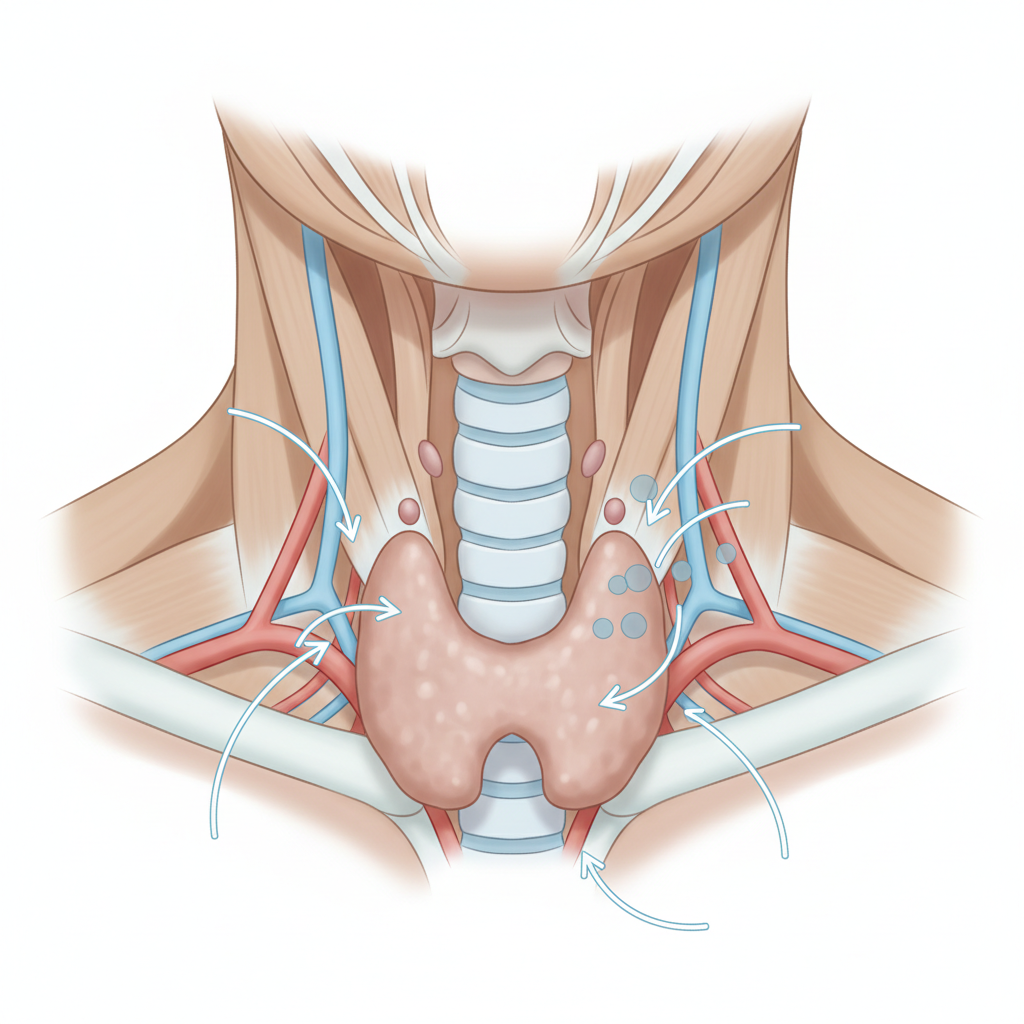
Understanding the various types of thyroid cancer and their typical behaviors can further highlight the importance of expert opinions. Papillary thyroid cancer, the most common type, often has an excellent prognosis, but even within this type, there can be aggressive variants or spread to lymph nodes that require precise management [3]. Follicular thyroid cancer, while less common, can sometimes spread to distant sites like the lungs or bones [2]. Medullary thyroid cancer is rare and typically requires different treatment approaches due to its origin in C-cells rather than follicular cells.
Anaplastic thyroid cancer is the rarest and most aggressive form, demanding swift and highly specialized care. For any of these types, a specialist who sees a high volume of thyroid cancer patients will have a deeper understanding of the subtle differences in diagnosis and the most effective current treatment strategies. They can guide your loved one through initial treatments like surgery and radioactive iodine, and monitor for recurrence using specific markers like thyroglobulin [4]. This detailed understanding is paramount for optimizing long-term outcomes and ensuring a truly personalized care plan.
Frequently asked questions
Is a second opinion mandatory for thyroid cancer?
No, it's not mandatory, but it is highly recommended. It offers reassurance, confirms the diagnosis, and ensures all treatment options are explored, leading to greater confidence in the chosen path.
Will my insurance cover a second opinion?
Most insurance plans, including Medicare and Medicaid, cover second opinions for cancer. It's always best to check with your specific insurance provider beforehand to understand your benefits and any requirements.
How long does it take to get a second opinion?
The timeframe can vary based on the promptness of medical record transfer and specialist availability, but many centers prioritize second opinion requests. It often takes a few days to a couple of weeks to complete the process.
What if the second opinion differs from the first?
If opinions differ, it's an opportunity to discuss the reasons for the discrepancies with both medical teams. This can help you weigh the pros and cons of each approach and make the most informed decision for your loved one.
Can I get a second opinion even if treatment has already started?
Yes, even if treatment has begun, a second opinion can still be valuable. It can help fine-tune the treatment plan, confirm its appropriateness, or suggest adjustments if needed.
Should I tell my current doctor I'm seeking a second opinion?
Yes, it's generally best to be open and honest with your current medical team. Most doctors appreciate transparency and often facilitate the transfer of records for a second opinion.
When to call your care team
- If you or your loved one has new or worsening symptoms after a thyroid cancer diagnosis.
- If you have urgent questions about the second opinion process or need assistance with medical records.
- If you experience significant emotional distress or feel overwhelmed by treatment decisions.
- If there are any unexpected changes in your loved one's condition or treatment plan.
- If you need clarification on any aspect of the diagnosis or recommended care after your second opinion.
How Cancer Answers OC can help
At Cancer Answers OC, we understand the emotional and logistical challenges caregivers face when a loved one is diagnosed with thyroid cancer. Our mission is to empower you with clarity and confidence, especially when considering when to get a second opinion for thyroid cancer in Fullerton. We provide access to a vetting network of top cancer specialists across Orange County, ensuring you connect with experts who understand the nuances of thyroid cancer care.
Whether you need help coordinating medical records, finding a specialist for a second opinion, or navigating treatment options, our compassionate team is here to support you. Utilize our free Ask the Assistant chat for instant answers to your questions, available 24/7, with live Orange County specialists ready to step in when needed. We are dedicated to helping you make informed decisions, ensuring your loved one receives the best possible care close to home. Contact us today to learn more about how we can support your journey.
Related resources
- Don’t Ignore the Whisper: Recognizing the Signs and Symptoms of Ovarian Cancer
- Understanding Melanoma Symptoms: Early Detection is Key
- Understanding Lymphoma Types and Treatment in Irvine: A Caregiver's Guide
- Find a cancer specialist in Orange County
- Get a second opinion
- Insurance and coverage guide
Sources
- Usefulness of second 131I treatment in biochemical persistent ... https://pmc.ncbi.nlm.nih.gov/articles/PMC10620453/
- Lung Recurrence of Papillary Thyroid Cancer Diagnosed With ... https://pmc.ncbi.nlm.nih.gov/articles/PMC6190843/
- Characterization of mortality and high-risk characteristics of thyroid ... https://pmc.ncbi.nlm.nih.gov/articles/PMC9893642/
- Is Stimulated Thyroglobulin Necessary after Ablation in All Patients ... https://pmc.ncbi.nlm.nih.gov/articles/PMC4546763/
- Active Surveillance in Papillary Thyroid Microcarcinomas is Feasible ... https://pmc.ncbi.nlm.nih.gov/articles/PMC8105780/
- Thyroglobulin measurement using highly sensitive assays in ... - PMC https://pmc.ncbi.nlm.nih.gov/articles/PMC4076114/
- Getting a Second Opinion for Your Thyroid Cancer - YouTube https://www.youtube.com/watch?v=7mZnHwxweXE
- Getting a Second Opinion - Karmanos Cancer Institute https://www.karmanos.org/karmanos/getting-a-second-opinion-at-karmanos
- Second Opinion Appointments | UT MD Anderson https://www.mdanderson.org/patients-family/becoming-our-patient/planning-for-care/second-opinion-appointments.html
- When to Get a Second Opinion - Cancer Care https://www.cancercare.org/publications/264-when_to_get_a_second_opinion