
Supporting a loved one through chemotherapy can feel overwhelming, especially when faced with the various side effects that can arise. Understanding what to expect and how to manage these challenges can empower you as a caregiver, ensuring your family member receives the best possible care right here in Newport Beach.
This guide offers practical insights into common chemotherapy side effects, providing you with the knowledge and strategies to help navigate this journey with confidence and compassion.
At a glance
| Detail | Summary |
|---|---|
| Topic | what to expect chemotherapy side effects Newport Beach |
| Who it is for | Caregivers and family |
| Area served | Orange County, California |
| Category | side-effects |
| Reading time | About 15 minutes |
| Cited sources | 6 |
| Last reviewed | 2026-06-01 |
Key takeaways
- Chemotherapy targets rapidly dividing cells, affecting both cancer and healthy cells, which causes side effects.
- Nausea, fatigue, hair loss, and mouth sores are common, but their severity varies greatly among individuals.
- Proactive communication with the medical team is crucial for managing symptoms effectively.
- Many side effects can be managed at home with strategies like dietary adjustments, rest, and supportive care.
- Local resources and support groups in Newport Beach can provide invaluable help for caregivers and patients.
Understanding Chemotherapy and Its Impact
Chemotherapy is a powerful treatment designed to destroy cancer cells or slow their growth. While highly effective, it can also affect healthy, rapidly dividing cells in the body, leading to various side effects [7]. As a caregiver in Newport Beach, learning about this process can help you better understand your loved one's experience.
How Chemotherapy Works
Chemotherapy drugs work systemically, meaning they travel throughout the bloodstream to reach cancer cells wherever they are in the body [8]. These medications interfere with cell division, a process that cancer cells undertake frequently. However, some healthy cells, such as those lining the mouth and gut, hair follicles, and blood-producing cells in the bone marrow, also divide rapidly. When chemotherapy affects these healthy cells, side effects occur [10]. Knowing this provides a clearer picture of why certain side effects manifest.
The Variability of Side Effects
It's important to remember that not everyone experiences the same side effects, nor with the same intensity [8]. The type of chemotherapy drugs used, the dosage, the individual's overall health, and even the type of cancer being treated all play a role in what a patient might experience [9]. Some individuals may have only mild discomfort, while others might face more challenging symptoms. Your care team will tailor the treatment plan to your loved one's specific needs, aiming to maximize effectiveness while minimizing side effects [8].
Common Chemotherapy Side Effects and Management Strategies
Being prepared for the most common side effects can make a significant difference in how you support your loved one. Many of these can be managed effectively with proper care and communication with the medical team. Our Cancer Answers OC specialists in Orange County can help guide you.
Nausea and Vomiting (Chemotherapy Nausea Relief Newport Beach)
Nausea and vomiting are among the most feared side effects of chemotherapy, but significant advancements in anti-nausea medications have made them much more manageable than in the past [7]. For caregivers focusing on chemotherapy nausea relief in Newport Beach, here are strategies:
- Medication Adherence: Ensure your loved one takes anti-nausea medications exactly as prescribed, even before symptoms start. This proactive approach is often more effective than trying to catch up once nausea has set in.
- Dietary Adjustments: Offer small, frequent meals rather than large ones. Bland foods like toast, crackers, mashed potatoes, and clear broths are often better tolerated. Avoid greasy, spicy, or strongly scented foods. Cold foods may also be easier to eat.
- Hydration: Encourage sips of clear liquids throughout the day to prevent dehydration. Ginger ale, peppermint tea, and electrolyte-rich drinks can be soothing.
- Environment: Create a calm, well-ventilated environment free from strong odors. Distraction techniques like gentle music or light conversation can also help.
Fatigue (Fatigue after Chemotherapy Treatment)
Chemotherapy-induced fatigue is not just ordinary tiredness; it's an overwhelming, persistent exhaustion that isn't relieved by rest [7]. Supporting a loved one experiencing fatigue after chemotherapy treatment requires patience and understanding.
- Prioritize Rest: Encourage frequent short naps rather than trying to push through the day. Help your loved one create a consistent sleep schedule.
- Energy Management: Assist with organizing their day to prioritize essential activities during times of higher energy. Delegate tasks whenever possible.
- Gentle Activity: While counterintuitive, light exercise like short walks, if approved by their doctor, can sometimes help reduce fatigue over time. Even a brief stroll in a local Newport Beach park could be beneficial.
- Nutrition and Hydration: Ensure they maintain adequate nutrition and hydration, as malnourishment can worsen fatigue.
Hair Loss (Hair Loss Chemotherapy Support Groups)
Hair loss is a highly visible and often emotionally challenging side effect of chemotherapy [7]. While primarily affecting the scalp, it can also include eyebrows, eyelashes, and body hair. Supporting your loved one through this can involve both practical and emotional care.
- Preparation: Discuss hair loss before it happens. Some patients choose to cut their hair short or shave their head proactively.
- Wig and Head Covering Options: Explore options like wigs, scarves, hats, and turbans. Many local boutiques in Orange County specialize in these, and some organizations might offer them for free or at a reduced cost.
- Scalp Care: Advise gentle washing with mild shampoo and avoidance of harsh chemicals or heat styling. Sun protection for the scalp is also essential.
- Emotional Support and Hair Loss Chemotherapy Support Groups: Acknowledge their feelings about hair loss. Connect them with support groups, either online or local to Newport Beach, where they can share experiences and coping strategies with others undergoing similar challenges.
In-depth look
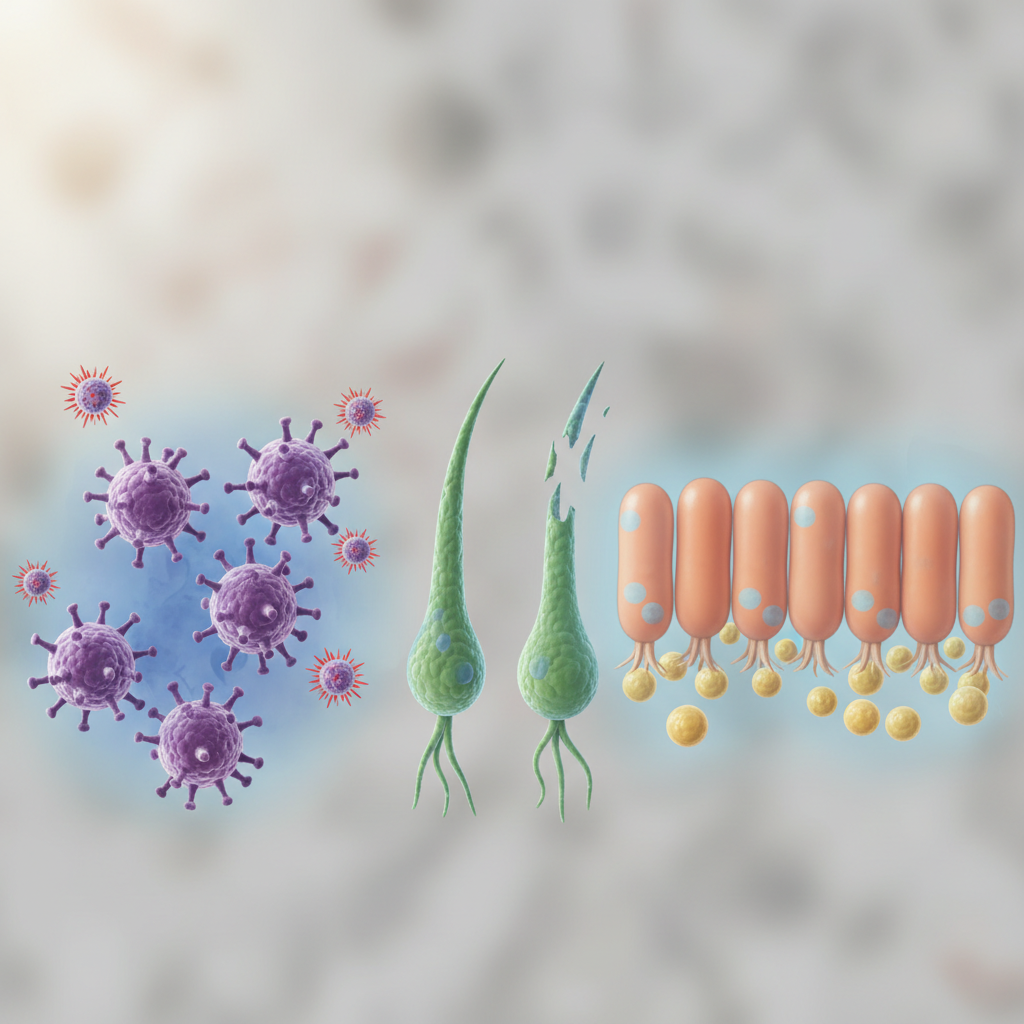
Chemotherapy primarily targets cells that divide rapidly. While this is effective against cancer cells, it also impacts healthy cells in a few key areas, leading to common side effects.
Cellular Impact and Affected Systems
- Bone Marrow: This is where blood cells (red blood cells, white blood cells, and platelets) are produced. Chemo can suppress bone marrow activity, leading to anemia (low red blood cells, causing fatigue), neutropenia (low white blood cells, increasing infection risk), and thrombocytopenia (low platelets, increasing bleeding risk) [10].
- Digestive Tract Lining: Cells lining the mouth, esophagus, stomach, and intestines divide rapidly. Damage to these cells can cause mouth sores (mucositis), difficulty swallowing, nausea, vomiting, diarrhea, or constipation [4].
- Hair Follicles: These are among the fastest-dividing cells in the body, which is why hair loss is a common side effect [7].
- Skin and Nails: Chemotherapy can also affect skin cells, leading to dryness, rashes, and sensitivity, and may impact nail growth, causing brittleness or discoloration [4].
Practical Implications for Caregivers
Understanding which systems are affected helps caregivers anticipate challenges. For example, knowing about neutropenia means being extra vigilant about hygiene and avoiding crowds to reduce infection risk. Similarly, knowing about potential digestive issues can guide meal planning and dietary choices. Your medical team can provide specific guidance on how to monitor and address these systemic impacts, allowing you to provide the best possible support.
Other Important Side Effects and Their Management
Beyond the most common side effects, others might arise during chemotherapy. Being aware of these and understanding how to manage them can significantly improve your loved one's comfort and quality of life.
Mouth Sores (Mucositis) and Taste Changes
Mouth sores, medically known as mucositis, are painful ulcers that can develop anywhere along the digestive tract, most commonly in the mouth [4]. Chemotherapy can also alter taste, making food unappealing.
- Oral Hygiene: Encourage frequent, gentle mouth rinses with a baking soda and salt solution. Use a soft-bristle toothbrush.
- Food Choices: Offer soft, bland, cool or room-temperature foods. Avoid acidic, spicy, or very hot foods and drinks. Staying well-hydrated is key.
- Pain Management: Consult the care team about pain relief for mouth sores, which may include topical gels or rinses.
- Taste Changes: Experiment with different textures and flavors. Using plastic utensils can sometimes help reduce a metallic taste. Marinating foods and adding mild spices might make them more palatable.
Skin and Nail Changes
Chemotherapy can make skin dry, itchy, sensitive to the sun, or cause rashes. Nails might become brittle, discolored, or even separate from the nail bed [4].
- Moisturize: Encourage regular use of gentle, fragrance-free moisturizers to combat dryness.
- Sun Protection: Emphasize strict sun protection with broad-spectrum sunscreen, hats, and protective clothing, especially when outdoors in sunny Newport Beach.
- Gentle Care: Avoid harsh soaps, hot baths, and tight clothing. For nails, keep them short, avoid nail polish removers with acetone, and consider wearing gloves for household chores.
- Report Rashes: Any new or worsening skin rash should be reported to the care team promptly, as it could indicate an allergic reaction or another issue.
Emotional and Psychological Support for Chemotherapy Patients
Chemotherapy takes a toll not only physically but also emotionally and psychologically. As a caregiver, your role in providing emotional support is paramount.
Addressing Distress and Anxiety
Facing cancer and its treatment can lead to significant stress, anxiety, and even depression. It's normal for your loved one to experience a range of emotions.
- Active Listening: Provide a safe space for them to express their fears, frustrations, and sadness without judgment. Sometimes, simply listening is the most powerful support.
- Reassurance: Remind them that their feelings are valid and that you are there for them every step of the way.
- Professional Help: If anxiety or depression becomes severe or persistent, encourage them to speak with their care team about psychological support, counseling, or medication. Many cancer centers, including those in Orange County, have oncological social workers or psychologists who can help.
Maintaining a Sense of Normalcy and Connection
Treatment can disrupt daily routines, making patients feel isolated. Helping them maintain aspects of their previous life can be very beneficial.
- Engage in Hobbies: Encourage participation in light hobbies or activities they enjoy, even if only for short periods. This could be reading, listening to music, or watching movies together.
- Social Connections: Facilitate visits from close friends and family, understanding that they may have limited energy. Use video calls for distant connections. Ensure infection control measures are in place, especially if they are immunocompromised.
- Celebrate Small Victories: Acknowledge and celebrate milestones, no matter how small, such as completing a treatment cycle or simply having a good day. This can boost morale and provide a sense of progress.
For more specialized support or to explore different treatment avenues, you might consider discussing options like /clinical-trials with their medical team.
Practical Caregiving Tips for Chemotherapy Treatment
Being a caregiver during chemotherapy is a significant undertaking. Practical strategies can help manage the day-to-day challenges and reduce your own stress.
Organizing Medications and Appointments
Chemotherapy often involves a complex schedule of medications and appointments. Staying organized is key.
- Medication Tracker: Use a planner, app, or simple notebook to track all medications, dosages, and times. Include anti-nausea meds, pain relievers, and any other prescriptions.
- Appointment Calendar: Keep a detailed calendar of all treatment sessions, doctor visits, and lab tests. Confirm appointments in advance and know transportation plans.
- Information Hub: Maintain a binder or digital folder with all medical records, contact information for the care team, and important notes. Ask about using patient portals for quick access to information and direct communication with their care team.
Preparing for Treatment Days and Beyond
Each chemotherapy cycle can bring its own rhythm of energy fluctuations and side effects. Being prepared can ease the burden.
- Comfort Kit: Pack a comfort kit for treatment days, including snacks, drinks, blankets, entertainment (books, headphones), and hand sanitizer.
- Meal Planning: Prepare easy-to-digest meals in advance that can be heated quickly. Stock the pantry with bland, comforting foods and liquids.
- Household Help: Don't hesitate to ask for help from friends, family, or community groups with chores, errands, or childcare. Lighten the load wherever possible.
- Self-Care for Caregivers: Remember that your well-being directly impacts your ability to care for your loved one. Take short breaks, engage in stress-reducing activities, and seek support for yourself if needed. Consider connecting with other caregivers through local support networks or online forums. If you're overwhelmed, talking to someone at Cancer Answers OC about a /second-opinion on care plans can provide clarity and peace of mind.
Local Resources and Support in Newport Beach
Navigating cancer treatment in Newport Beach doesn't mean you have to do it alone. There are numerous local and regional resources available to support both patients and caregivers.
Connecting with Local Cancer Centers
Orange County is home to several excellent cancer treatment facilities that offer comprehensive care, including specialized programs for managing side effects.
- Oncology Teams: Your loved one's oncology team is your primary resource for medical advice and symptom management. Don't hesitate to contact them with any concerns or questions. They can provide guidance on specific local resources, including specialized oncology nurses or dietitians.
- Support Services: Many cancer centers offer a range of support services, such as social workers, nutrition counseling, and palliative care specialists, all aimed at improving quality of life during and after treatment [4]. Ask your care team about these options in Newport Beach or the wider Orange County area.
Community and Online Support Networks
Beyond medical facilities, a strong support network can make a significant difference for both patients and caregivers.
- Local Support Groups: Search for cancer support groups specifically for patients and caregivers in Newport Beach or nearby areas in Orange County. Sharing experiences with others who understand can be incredibly validating and provide practical tips.
- Online Forums and Communities: Many reputable national organizations offer online forums where caregivers can connect, ask questions, and find support from a wider community. The American Cancer Society and CancerCare are good starting points.
- Cancer Answers OC: For personalized guidance and connections to local specialists, remember you have free, instant, and private access to our Free Ask the Assistant chat, located at the bottom right of our website. You can get immediate answers and, when needed, be connected to live OC specialists.
If you ever need to find an appropriate specialist within the local area, our /find-specialist tool can help streamline that process for you.
Frequently asked questions
### How long do chemotherapy side effects usually last?
The duration of chemotherapy side effects varies greatly. Some, like nausea, might peak a few days after treatment and then subside. Others, such as fatigue, can linger for weeks or even months after treatment concludes. The care team can provide more specific timelines based on the type of chemotherapy and individual patient factors [7].
### Can diet help manage chemotherapy side effects?
Absolutely. A well-balanced, nutrient-rich diet is crucial during chemotherapy. Small, frequent meals, bland foods, and adequate hydration can significantly help with nausea, appetite loss, and fatigue. Your care team can recommend consulting with a registered dietitian specializing in oncology for personalized dietary advice. For example, some people benefit from a specific diet to manage an altered gut microbiome that can be detected through advanced testing [1].
### What is neutropenia and why is it serious?
Neutropenia is a condition where chemotherapy causes a significant drop in white blood cells called neutrophils, which are vital for fighting infection [10]. It's serious because it leaves the patient highly vulnerable to infections, which can quickly become life-threatening. Caregivers must be vigilant about hygiene, avoiding crowds, and promptly reporting any signs of infection (fever, chills) to the care team. This is a common adverse event monitored in clinical trials like [2] and [5].
### Are there ways to prevent hair loss from chemotherapy?
While not always effective for all chemotherapy types, scalp cooling (cold caps) can sometimes help reduce hair loss by constricting blood vessels in the scalp, limiting the amount of chemotherapy drugs that reach hair follicles [4]. Discuss this option with your loved one's oncologist to see if it's suitable for their specific treatment regimen. While options are continuously researched, for example, for HER2-positive breast cancer [3], not all prevention methods are suitable for every type of condition or patient [6].
### How can I best support my loved one emotionally during chemotherapy?
The most important emotional support you can offer is active listening, validation of their feelings, and reassurance. Encourage open communication, help them maintain a sense of normalcy, and connect them with mental health professionals or support groups if needed. Your presence and understanding are incredibly valuable.
### When should I call the doctor about side effects?
It's always best to err on the side of caution. You should call the care team immediately for symptoms such as a fever (especially over 100.4°F or 38°C), uncontrolled nausea and vomiting, severe pain, unexplained bleeding or bruising, persistent diarrhea, signs of infection (new cough, redness, swelling), or any new or worsening symptoms that cause concern [9].
When to call your care team
- Fever of 100.4°F (38°C) or higher
- Uncontrolled nausea, vomiting, or diarrhea
- Severe or worsening pain
- Signs of infection (e.g., redness, swelling, unusual discharge, new cough)
- Unusual bleeding or bruising
- Shortness of breath or difficulty breathing
- New or worsening rash
- Any symptom causing significant concern or distress
How Cancer Answers OC can help
At Cancer Answers OC, we understand that caregiving during chemotherapy is a challenging journey. Our mission is to empower you with accurate, patient-friendly information and local support specific to Orange County, including Newport Beach. We connect you with vetted resources and provide clarity, helping you advocate for your loved one's best care.
Explore our website for in-depth articles, connect with our network of specialists, or use our free, private, and instant Ask the Assistant chat (available 24/7 at the bottom-right of your screen) for immediate answers to your questions and, when needed, live connections to Orange County oncology specialists. We are here to support you every step of the way.
Related resources
- Palliative Care Benefits for Cancer Patients in Anaheim: Enhancing Your Journey
- Navigating Fatigue During Melanoma Treatment: A Caregiver's Guide
- Navigating the Common Side Effects of Lymphoma Treatment: A Caregiver's Guide
- Find a cancer specialist in Orange County
- Get a second opinion
- Insurance and coverage guide
Sources
- Datopotamab-deruxtecan in early stage breast cancer: the I-SPY2.2 ... URL: https://pmc.ncbi.nlm.nih.gov/articles/PMC12044543/
- NCT05040360 | Testing the Use of Chemotherapy After Surgery for ... URL: https://clinicaltrials.gov/study/NCT05040360
- Advances in HER2-Positive Breast Cancer: Novel Therapies and ... URL: https://pmc.ncbi.nlm.nih.gov/articles/PMC6750923/
- A Practical Guide to Managing Patients With Systemic Symptoms ... URL: https://pmc.ncbi.nlm.nih.gov/articles/PMC8922689/
- nct05456685 | Mirvetuximab Soravtansine (MIRV) With Carboplatin ... URL: https://clinicaltrials.gov/study/nct05456685
- Study Details | NCT05929768 | ClinicalTrials.gov - Clinical Trials URL: https://clinicaltrials.gov/study/NCT05929768
- 7 chemotherapy side effects and how to manage them - MD Anderson URL: https://www.mdanderson.org/cancerwise/7-chemotherapy-side-effects-and-how-to-manage-them.h00-159621012.html
- Chemotherapy Side Effects and How to Manage Them URL: https://www.cancercenter.com/treatment-options/chemotherapy/side-effects
- Chemotherapy Side Effects - American Cancer Society URL: https://www.cancer.org/cancer/managing-cancer/treatment-types/chemotherapy/chemotherapy-side-effects.html
- Chemotherapy Side Effects: Types & Management - Cleveland Clinic URL: https://my.clevelandclinic.org/health/articles/10257-chemotherapy-side-effects