
Understanding the early signs of lymphoma symptoms is vital for timely diagnosis and effective treatment. While some symptoms can be subtle and easily mistaken for other conditions, recognizing potential red flags can make a significant difference. This guide empowers you to identify what to look for and when to consult a healthcare professional about your concerns.
Key takeaways
- Swollen lymph nodes are a primary early symptom of lymphoma, often painless and found in the neck, armpit, or groin.
- Systemic 'B' symptoms like unexplained fever, drenching night sweats, and significant weight loss are common for both Hodgkin and Non-Hodgkin lymphoma.
- Fatigue and itching are often overlooked but can be persistent and debilitating early indicators of lymphoma.
- Prompt medical evaluation is crucial if you experience any persistent or unexplained symptoms, especially swollen lymph nodes.
- Lymphoma is treatable; early detection through symptom awareness significantly improves outcomes.
What is Lymphoma and Why Early Detection Matters?
Lymphoma is a type of cancer that begins in the lymphocytes, which are infection-fighting cells of the immune system. These cells reside in your lymph nodes, spleen, thymus, bone marrow, and other parts of your body [7]. When these cells grow abnormally and multiply uncontrollably, they can form tumors.
The Lymphatic System: Your Body's Defense Network
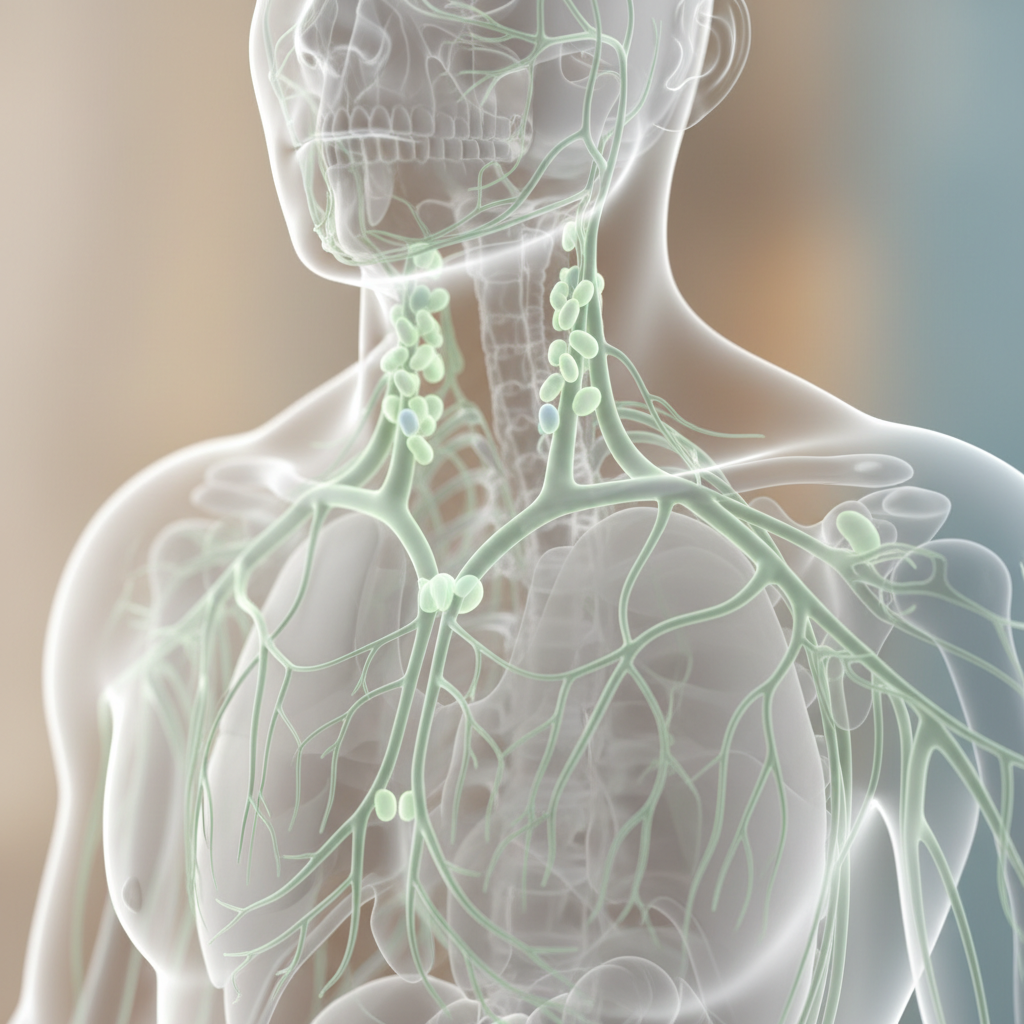
Imagine your lymphatic system as an intricate network of roads and stations throughout your body, similar to blood circulation. Lymph vessels carry a clear fluid called lymph, and the lymph nodes act as filtering stations, trapping harmful substances and fighting infections [7]. Lymphoma starts when something goes wrong with the lymphocytes within this system.
Two Main Types: Hodgkin and Non-Hodgkin Lymphoma
Lymphoma is broadly categorized into two main types: Hodgkin lymphoma (HL) and Non-Hodgkin lymphoma (NHL). While both affect the lymphatic system, they involve different types of lymphocytes and behave differently [10]. Understanding the specific type is crucial for treatment planning, but many early signs of lymphoma symptoms can overlap between them [3].
Recognizing the Early Signs of Lymphoma Symptoms
Many of the early signs of lymphoma symptoms can be vague or mimic those of less serious illnesses, which sometimes makes them easy to dismiss [8]. However, persistence and combination of these symptoms should always prompt a discussion with your doctor. Being aware of these potential indicators is your first line of defense.
Swollen Lymph Nodes: The Most Common Red Flag
Feeling a lump in your neck, armpit, or groin can be alarming, but it's often the body's natural response to an infection. With lymphoma, however, these swollen lymph nodes are usually painless and don't go away like those from a common cold [8], [9]. They may gradually increase in size over weeks or months, indicating a more persistent issue [1].
Systemic "B" Symptoms: Beyond Localized Swelling
Beyond swollen lymph nodes, certain body-wide symptoms, often referred to as "B symptoms," are particularly important for lymphoma diagnosis. These include unexplained fevers that come and go, drenching night sweats that soak your clothes and bedding, and significant, unintentional weight loss – typically, more than 10% of your body weight over six months [2], [5]. These symptoms suggest the cancer is affecting your body's overall health.
In-depth look
Understanding the "Why" Behind Symptoms
Lymphoma symptoms arise because the cancerous lymphocytes interfere with normal bodily functions. Swollen lymph nodes occur as these abnormal cells accumulate. B symptoms, such as fever, sweats, and weight loss, involve the body's inflammatory response to the cancer cells or the cancer's effect on metabolism [2]. For example, the immune system might release cytokines (signaling proteins) in response to the lymphoma, leading to fever and night sweats.
Less Common but Important Early Symptoms
While swollen lymph nodes and B symptoms are hallmark signs, other symptoms can also appear early. These include persistent fatigue that doesn't improve with rest, generalized itching without a rash, and sometimes a cough or shortness of breath if the lymphoma affects lymph nodes in the chest [8], [9]. In rare cases, abdominal pain or a feeling of fullness can occur if the spleen or abdominal lymph nodes are enlarged [4].
When to Seek Medical Attention in Orange County
If you live in Orange County and notice any of these persistent signs, it's crucial not to delay seeking medical advice. Early consultation with your primary care physician can help determine if further investigation is needed. Don't feel you are overreacting; your health is always worth prioritizing.
The Importance of Early Diagnosis
Catching lymphoma early significantly improves treatment outcomes. When diagnosed at an earlier stage, treatments tend to be more effective and less invasive [1]. This is why being proactive about discussing your symptoms with a doctor is so important, even if you suspect they might be minor.
What to Expect at Your Doctor's Appointment
When you visit your doctor in Orange County, be prepared to describe your symptoms in detail. They will likely perform a physical exam, paying close attention to your lymph nodes, spleen, and liver. They may also ask about your medical history and order blood tests or imaging scans to help understand the cause of your symptoms [1]. If lymphoma is suspected, a biopsy of an enlarged lymph node is often the definitive diagnostic step.
Distinctive Features by Lymphoma Type
While general symptoms overlap, some patterns are more common with specific types of lymphoma or in particular age groups. Knowing these distinctions can help provide a more accurate picture to your doctor.
Hodgkin Lymphoma: Common Presentations
Hodgkin lymphoma typically begins in lymph nodes in the upper body, especially the neck, chest, and armpits [5]. It's more common in two age groups: young adults (ages 15-40) and older adults (over 55) [5]. B symptoms (fever, night sweats, weight loss) are frequently seen with Hodgkin lymphoma [5].
Non-Hodgkin Lymphoma: Diverse Initial Signs
Non-Hodgkin lymphoma is more common than Hodgkin lymphoma and can start almost anywhere in the body, which leads to a wider variety of initial presentations [2], [4]. Depending on where the lymphoma originates, symptoms can include abdominal pain, skin rashes, or even neurological symptoms if the central nervous system is involved [2]. This diversity makes early detection more challenging but not impossible.
Navigating Your Next Steps After Noticing Symptoms
If you've noticed early signs of lymphoma symptoms, taking proactive steps is key. Your journey will likely involve a series of appointments and tests, but remember, you don't have to face it alone. Resources are available to guide you.
Preparing for Your Doctor's Visit
It can be helpful to keep a detailed log of your symptoms: when they started, how frequently they occur, their severity, and anything that makes them better or worse. Write down any questions you have for your doctor. This preparation ensures you convey all necessary information and get your concerns addressed thoroughly.
Diagnostic Tests and Procedures
If your doctor suspects lymphoma, they may recommend a series of diagnostic tests. These could include blood tests, imaging scans such as CT, MRI, or PET scans to visualize lymph nodes and other organs, and ultimately a biopsy [1]. A biopsy, where a small piece of tissue is removed for examination, is essential to confirm the diagnosis and determine the specific type of lymphoma [1].
As you navigate possible symptoms, consider using our free Ask the Assistant chat feature. It's always available on the bottom-right of your screen, offering instant, private answers and connecting you with Orange County specialists when needed.
Frequently asked questions
What are the very first symptoms of lymphoma?
The very first symptoms of lymphoma often include painless swelling of lymph nodes in the neck, armpit, or groin, which persists and may gradually enlarge [8]. Other early signs can include unexplained fatigue and intermittent fevers [9].
How quickly do lymphoma symptoms appear and progress?
The speed at which lymphoma symptoms appear and progress varies greatly depending on the type and aggressiveness of the lymphoma. Some lymphomas (indolent or slow-growing) may have subtle symptoms that develop over months or even years, while aggressive types can cause rapidly worsening symptoms over weeks [2], [4].
Can stress or infection cause swollen lymph nodes that mimic lymphoma?
Yes, stress and common infections (like colds or strep throat) frequently cause swollen lymph nodes. However, lymph nodes swollen due to infection are usually tender or painful and typically return to normal size once the infection clears [1]. If a swollen lymph node is painless and persists for more than a few weeks, it warrants medical evaluation.
Is itching a common early symptom of lymphoma?
Yes, persistent, severe itching without a rash is a recognized symptom of lymphoma, though it's less common than swollen lymph nodes or B symptoms [8], [9]. It is often generalized but can be more intense in certain areas.
Are there specific symptoms for Hodgkin vs. Non-Hodgkin lymphoma?
While many symptoms overlap, Hodgkin lymphoma often starts with swollen lymph nodes in the neck or upper chest and commonly presents with B symptoms (fever, night sweats, weight loss) [5]. Non-Hodgkin lymphoma can appear in lymph nodes almost anywhere, leading to a broader and more diverse set of initial symptoms depending on the affected area [2], [4].
When should I be worried about a swollen lymph node?
You should be worried about a swollen lymph node if it is painless, firm, fixed in place (doesn't move easily), larger than a centimeter, and if it persists for more than a few weeks without an apparent cause like an infection [1]. Any accompanying B symptoms or other concerning signs should also prompt a medical visit.
When to call your care team
- If you notice any new, persistent, and painless lumps in your neck, armpit, or groin.
- If you experience unexplained fevers, drenching night sweats, or significant unintentional weight loss.
- If you have persistent fatigue or itching that doesn't improve.
- If symptoms are worsening or significantly impacting your daily life.
- For any new or concerning symptoms, especially if you have a family history of lymphoma.
How Cancer Answers OC can help
At Cancer Answers OC in Orange County, we understand that facing potential lymphoma symptoms can be daunting. We are dedicated to providing clear, compassionate, and evidence-based information and support. Whether you need help understanding your symptoms, finding a specialist, considering a /second-opinion, or exploring /clinical-trials, our team is here for you.
We offer personalized guidance and connect you with leading oncology experts right here in Orange County. We encourage you to reach out to us at /contact or begin a conversation through our free Ask the Assistant chat, available 24/7 on the bottom-right of your screen. This private tool provides instant answers and can help connect you with live Orange County specialists when you need in-depth support. Your well-being is our priority, and we're committed to helping you navigate every step of your health journey.
Related resources
- Don’t Ignore the Whisper: Recognizing the Signs and Symptoms of Ovarian Cancer
- Understanding Melanoma Symptoms: Early Detection is Key
- Understanding Lymphoma Types and Treatment in Irvine: A Caregiver's Guide
- Find a cancer specialist in Orange County
- Get a second opinion
- Insurance and coverage guide
Sources
- The diagnosis and management of suspected lymphoma in general... https://pmc.ncbi.nlm.nih.gov/articles/PMC10042228/
- Non-Hodgkin Lymphoma Treatment - NCI - National Cancer Institute https://www.cancer.gov/types/lymphoma/patient/adult-nhl-treatment-pdq
- Pattern of Clinical Presentation in Patients With Lymphoma - PMC https://pmc.ncbi.nlm.nih.gov/articles/PMC11249278/
- Non-Hodgkin Lymphoma - StatPearls - NCBI Bookshelf - NIH https://www.ncbi.nlm.nih.gov/books/NBK559328/
- Hodgkin Lymphoma Treatment - NCI - National Cancer Institute https://www.cancer.gov/types/lymphoma/patient/adult-hodgkin-treatment-pdq
- Lymphoma - Symptoms and causes - Mayo Clinic https://www.mayoclinic.org/diseases-conditions/lymphoma/symptoms-causes/syc-20352638
- 14 Top Lymphoma Symptoms & Signs | UT MD Anderson https://www.mdanderson.org/cancer-types/lymphoma/lymphoma-symptoms.html
- Signs & Symptoms - Lymphoma Coalition https://lymphomacoalition.org/signs-symptoms/
- Lymphoma: Symptoms, Causes and Treatment - Cleveland Clinic https://my.clevelandclinic.org/health/diseases/22225-lymphoma