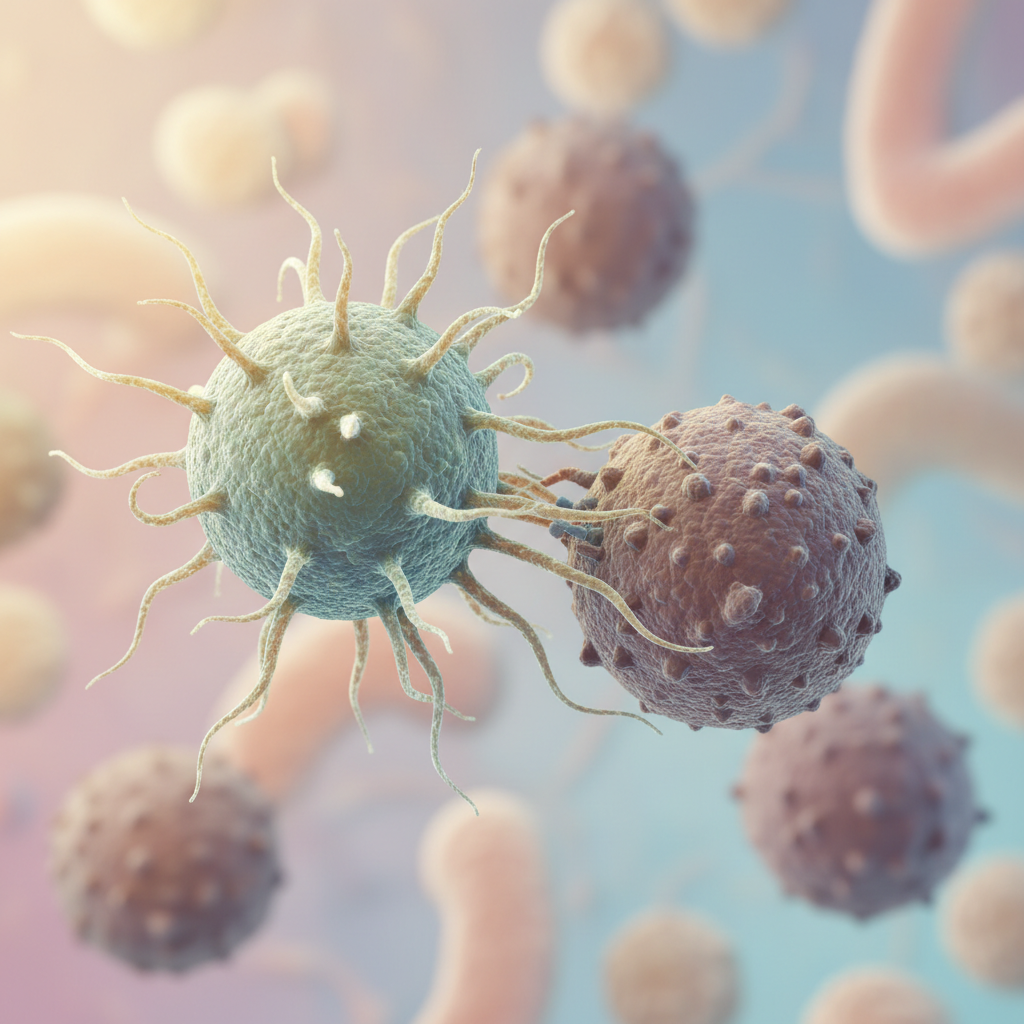
Immunotherapy represents a significant advancement in colorectal cancer treatment, harnessing the body's own immune system to fight cancer cells. This approach offers new hope, particularly for patients whose tumors have specific genetic markers, and is changing the landscape of cancer care. For many in Orange County, understanding immunotherapy in colorectal cancer is essential for navigating treatment options and making informed decisions.
At a glance
| Detail | Summary |
|---|---|
| Topic | understanding immunotherapy colorectal cancer |
| Who it is for | Referring clinicians |
| Area served | Orange County, California |
| Category | treatments |
| Reading time | About 11 minutes |
| Cited sources | 6 |
| Last reviewed | 2026-06-01 |
Key takeaways
- Immunotherapy harnesses the body's immune system to identify and destroy cancer cells.
- It is particularly effective for colorectal cancers with specific genetic markers like MSI-H or dMMR.
- Immune checkpoint inhibitors are the most common type of immunotherapy used in colorectal cancer.
- Potential side effects, often immune-related, require careful management by your care team.
- Ongoing research is expanding immunotherapy's reach to more colorectal cancer patients.
The Promise of Immunotherapy for Colorectal Cancer
Imagine your body's natural defenders, your immune system, being trained and empowered to seek out and destroy cancer cells. That's the essence of immunotherapy—a revolutionary approach that has transformed cancer treatment. For individuals facing colorectal cancer, particularly advanced stages, immunotherapy is offering new avenues for longer, healthier lives [1].
How Immunotherapy Works in Principle
Our immune system is constantly surveying for threats, but cancer cells can be tricky. They often develop ways to hide from immune detection or put up roadblocks that prevent immune cells from attacking. Immunotherapy aims to overcome these evasive tactics. It acts not directly on the cancer cells, but on the immune system itself, boosting its ability to recognize and eliminate cancerous threats [2]. This can lead to more durable responses compared to traditional therapies for certain patients.
Why it Matters for Colorectal Cancer Patients
For a long time, chemotherapy, radiation, and surgery were the mainstays of colorectal cancer treatment. While effective for many, some patients experience recurrence or have advanced disease that is difficult to treat. Immunotherapy now provides a crucial new weapon in the arsenal, offering hope where previous options were limited [3]. This is especially true for a subset of colorectal cancers with specific molecular characteristics, which we'll explore below.
Understanding How Immunotherapy Works in Colorectal Cancer
To truly appreciate the impact of immunotherapy, it helps to understand the intricate dance between cancer cells and our immune system. Cancer cells are abnormal, but sometimes they can 'put up a shield' or send signals that tell immune cells to stand down. Immunotherapy seeks to remove these shields or block these signals.
The Role of Immune Checkpoints
Our immune system has natural 'checkpoints' – proteins on immune cells that act like brakes to prevent overactivity and protect healthy tissues. Cancer cells often exploit these checkpoints, activating them to suppress immune responses against themselves. Immune checkpoint inhibitors are drugs designed to block these brakes, essentially releasing the immune system to attack the cancer [4]. Common checkpoints involved in colorectal cancer include PD-1 (Programmed cell death protein 1) and CTLA-4 (Cytotoxic T-lymphocyte-associated protein 4) [5].
MSI-H and dMMR: Key Biomarkers for Response
Not all colorectal cancers respond equally well to immunotherapy. A critical step in determining if immunotherapy is an option is testing for specific biomarkers. The most important of these are Microsatellite Instability-High (MSI-H) and mismatch repair deficiency (dMMR). These indicate that the cancer cells have a high number of genetic mutations, which make them more 'visible' to the immune system. Patients with MSI-H or dMMR colorectal cancer are much more likely to benefit significantly from immunotherapy [6]. In Orange County, advanced molecular testing is readily available to identify these crucial markers.
Types of Immunotherapy Used in Colorectal Cancer
The landscape of colorectal cancer latest treatments is constantly evolving, with several FDA-approved immunotherapy drugs now available. These primarily fall under the category of immune checkpoint inhibitors, each targeting specific proteins involved in the immune evasion pathway.
PD-1 and PD-L1 Inhibitors
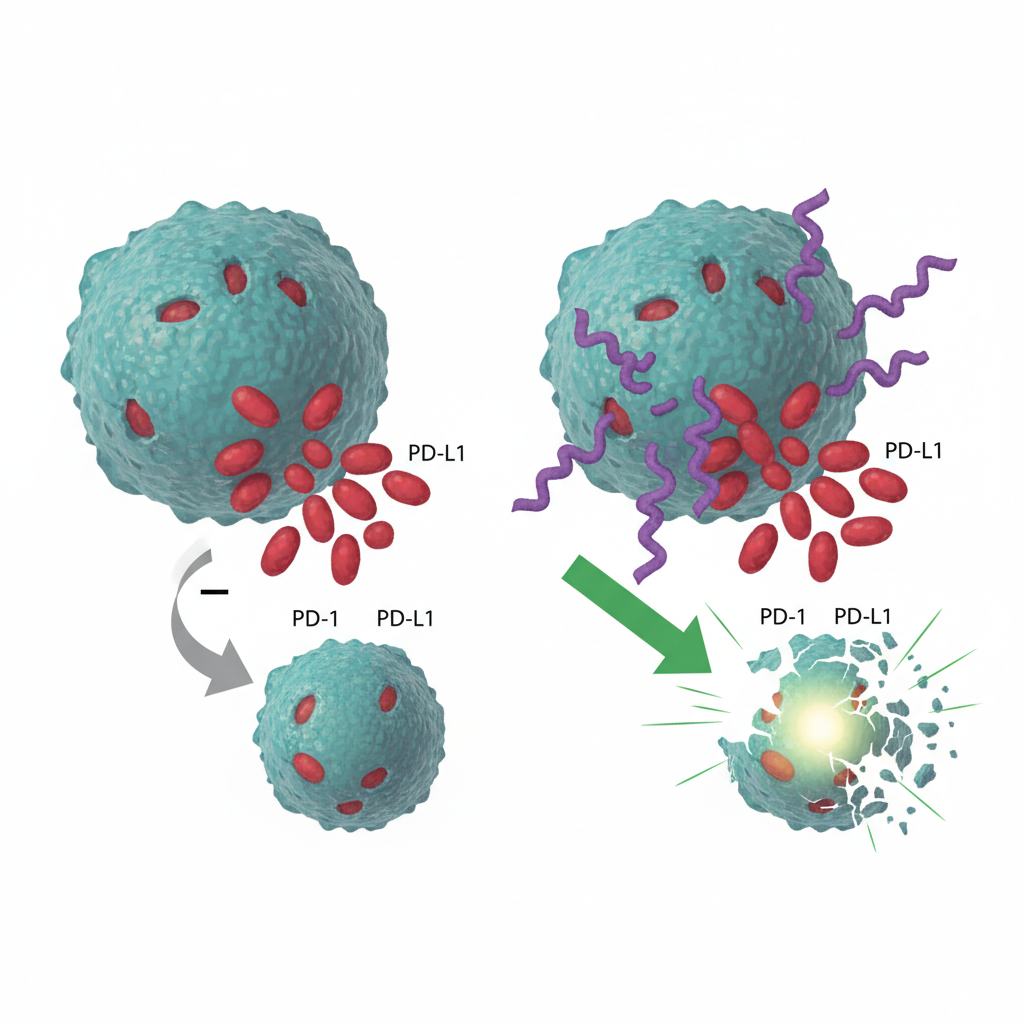
These are the most commonly used checkpoint inhibitors for colorectal cancer. PD-1 inhibitors block the PD-1 protein on T-cells, preventing cancer cells from deactivating them. PD-L1 inhibitors block the PD-L1 protein on cancer cells themselves, achieving a similar outcome. By interrupting this handshake between cancer and immune cells, these drugs allow the body's T-cells to attack the tumor [7]. Examples include pembrolizumab and nivolumab [8].
CTLA-4 Inhibitors
CTLA-4 inhibitors work on a different immune checkpoint, typically used in combination with PD-1 inhibitors for enhanced effect in some patients. Ipilimumab is an example of a CTLA-4 inhibitor. This combination therapy can provide a more robust immune response, though it may also come with a different set of side effects [9]. Your oncologists at Cancer Answers OC can help determine if this combination is right for you, especially if you're seeking a /clinical-trials option.
In-depth look
Immunotherapy's mechanism focuses on reactivating the body's natural defenses. Think of it as liberating your immune system from the cancer's suppressive tactics. This approach is highly personalized, relying on specific tumor characteristics to guide treatment decisions. Specialists often spend considerable time explaining these intricate biological processes to patients, ensuring a thorough understanding.
The Future of Immunotherapy in Colorectal Cancer
Research is rapidly expanding beyond MSI-H/dMMR colorectal cancers. Scientists are investigating new checkpoint inhibitors, combination therapies, and novel approaches like CAR-T cell therapy and oncolytic viruses that could extend immunotherapy benefits to a broader patient population [10]. This ongoing work highlights the dynamic nature of cancer research and the continuous pursuit of better outcomes. Remaining informed about these advancements is crucial, and the Ask the Assistant chat can provide instant, private answers on current research.
Biomarker Testing: A Crucial First Step
Before considering immunotherapy, comprehensive biomarker testing is essential. This involves analyzing tumor tissue for genetic mutations and protein expressions that predict response. Beyond MSI-H/dMMR, other emerging biomarkers are being studied to further refine patient selection for immunotherapy. Discussing advanced testing options with your Orange County oncologist is a key part of your treatment planning.
Immunotherapy Side Effects in Colorectal Cancer
While immunotherapy offers significant benefits, it's important to understand that it can also cause side effects. Because immunotherapy revs up your immune system, these side effects often involve inflammation in various parts of the body. They are called immune-related adverse events (irAEs).
Common Immune-Related Side Effects
Immune checkpoint inhibitors can cause inflammation in almost any organ. Common irAEs include fatigue, skin rashes (dermatitis), diarrhea (colitis), and hormone imbalances (endocrinopathies like thyroiditis) [8]. Less commonly, vital organs like the lungs (pneumonitis), liver (hepatitis), or heart (myocarditis) can be affected. These require careful monitoring and prompt management by your medical team. Your care providers at Cancer Answers OC are experienced in navigating these complex side effects.
Managing Side Effects Proactively
Managing irAEs effectively is crucial to ensure patients can continue treatment safely. Your care team will monitor you closely and may prescribe medications like corticosteroids to reduce inflammation if irAEs become bothersome or severe. Open communication with your doctor about any new symptoms is vital. Knowing when to call your care team can make a significant difference in outcomes. If you ever have questions or concerns about side effects, our free Ask the Assistant chat can provide immediate, private, 24/7 support.
Eligibility and Treatment Decisions
Deciding on the best treatment path for colorectal cancer is a highly individualized process that considers many factors, including the stage of cancer, its molecular characteristics, your overall health, and personal preferences. Immunotherapy is a powerful tool, but it's not a universal solution.
Who is a Candidate for Immunotherapy?
Immunotherapy is primarily recommended for patients with metastatic (advanced) colorectal cancer that is MSI-H or dMMR [9]. For these patients, immunotherapy can be significantly more effective than traditional chemotherapy. There's also growing research into its use in earlier stages or for patients without these specific markers through combination therapies. If you are diagnosed with colorectal cancer in Orange County, your doctor will discuss comprehensive testing to determine your eligibility. You might also consider a /second-opinion to explore all treatment avenues.
Integrating Immunotherapy into Your Treatment Plan
Immunotherapy may be given as a standalone treatment or in combination with chemotherapy, targeted therapy, or radiation, depending on your specific situation. The sequence and combination of therapies are carefully planned by your multidisciplinary oncology team. This personalized approach aims to maximize effectiveness while minimizing side effects. Engaging with your care team to understand the 'why' behind each treatment decision is critical. For complex cases, navigating options like finding a /find-specialist or understanding potential clinical trials can be very helpful.
Frequently asked questions
What is microsatellite instability-high (MSI-H) in colorectal cancer?
MSI-H refers to a genetic characteristic of some cancer cells where there are errors in short, repeated DNA sequences called microsatellites. This indicates a problem with the cell's DNA mismatch repair (MMR) system. MSI-H colorectal cancers tend to respond very well to immunotherapy because their high number of mutations makes them more recognizable to the immune system.
How long does immunotherapy treatment for colorectal cancer typically last?
The duration of immunotherapy varies widely depending on the specific drug, how well it's working, and how you tolerate the treatment. Some patients receive immunotherapy for a set period, while others may continue as long as they are benefiting and tolerating the treatment well. Your oncologist will discuss the expected duration for your individual treatment plan.
Can immunotherapy cure colorectal cancer?
While immunotherapy has achieved remarkable and durable responses in a subset of colorectal cancer patients, leading to long-term disease control, the term 'cure' is used cautiously in oncology. For many, it can significantly extend life, control the disease, and improve quality of life. For some, tumors may shrink or disappear completely for extended periods, effectively acting like a cure, but this is not guaranteed for everyone.
Is immunotherapy painful?
Immunotherapy infusions themselves are generally not painful. The drugs are usually given intravenously, similar to chemotherapy, and patients typically experience no pain during the infusion process. However, some patients might experience mild discomfort at the injection site or develop immune-related side effects, which can sometimes cause pain or discomfort in affected areas.
What should I eat while on immunotherapy for colorectal cancer?
There isn't a specific immunotherapy diet, but maintaining a balanced, nutritious diet is generally recommended to support your overall health and immune system. Focus on whole foods, lean proteins, fruits, and vegetables. If you experience side effects like diarrhea or nausea, your care team or a dietitian can provide specific dietary recommendations to manage these symptoms and ensure you maintain adequate nutrition.
When to call your care team
If you are undergoing immunotherapy for colorectal cancer, it's important to be vigilant for potential side effects and communicate them promptly. Call your care team if you experience:
- New or worsening fatigue that interferes with daily activities.
- Any new rash, itching, or skin changes.
- Persistent diarrhea (more than 4-6 stools per day) or bloody stools.
- Unexplained fevers or chills.
- Significant changes in urination or appetite.
- New or worsening shortness of breath or cough.
- Persistent headaches, confusion, or vision changes.
- Any unusual or severe pain.
Early reporting of symptoms allows your team to manage side effects effectively and prevent them from becoming severe.
How Cancer Answers OC can help
Navigating a colorectal cancer diagnosis and treatment options like immunotherapy can feel overwhelming. Cancer Answers OC is here to empower you with knowledge and connect you with leading oncologists and specialists in Orange County. We provide evidence-based information, help you understand complex treatments, and guide you through the process of finding the right care for your unique situation. Our dedicated team is committed to supporting you every step of the way, ensuring you have access to the best resources and compassionate care available. Don't hesitate to utilize our free, private, instant, 24/7 Ask the Assistant chat feature for quick answers to your questions, with live Orange County specialists available when you need them. Reach out today to learn more about how we can support you in your cancer journey.
Related resources
- Prostate Cancer Treatment Options at Home: A Patient’s Guide
- Understanding Targeted Therapy for Breast Cancer in Orange County
- Proton Therapy Cancer Treatment in Orange County: A Targeted Approach
- Find a cancer specialist in Orange County
- Get a second opinion
- Insurance and coverage guide
Sources
- Immunotherapy in colorectal cancer: rationale, challenges and ... URL: https://pmc.ncbi.nlm.nih.gov/articles/PMC7295073/
- Colorectal Cancer Immunotherapy: State of the Art and Future ... - PMC URL: https://pmc.ncbi.nlm.nih.gov/articles/PMC10721132/
- Immunotherapy for Colorectal Cancer: A Review of Current and ... URL: https://pmc.ncbi.nlm.nih.gov/articles/PMC6855933/
- Decoding Immunotherapy Response in Colorectal Cancer - PMC - NIH URL: https://pmc.ncbi.nlm.nih.gov/articles/PMC12984286/
- Immunotherapy for Early Stage Colorectal Cancer: A Glance into the ... URL: https://pmc.ncbi.nlm.nih.gov/articles/PMC7409300/
- Immunotherapy for colorectal cancer - PMC - NIH URL: https://pmc.ncbi.nlm.nih.gov/articles/PMC11375682/
- Immunotherapy for Colorectal Cancer - American Cancer Society URL: https://www.cancer.org/cancer/types/colon-rectal-cancer/treating/immunotherapy.html
- Does immunotherapy treat colorectal cancer? | UT MD Anderson URL: https://www.mdanderson.org/cancerwise/can-immunotherapy-treat-colorectal-cancer--where-we-are-and-what-is-ahead.h00-159853767.html
- Colorectal Cancer Immunotherapy URL: https://fightcolorectalcancer.org/patient-caregivers/education-resources/treatment-choices/colorectal-cancer-immunotherapy/
- What is Immunotherapy and How Does It Treat Colorectal Cancer? URL: https://my.clevelandclinic.org/podcasts/butts-and-guts/what-is-immunotherapy-and-how-does-it-treat-colorectal-cancer