
Navigating a colorectal cancer diagnosis and its treatment can feel overwhelming. If your care team has recommended targeted therapy, you're likely wondering what to expect, especially regarding potential side effects. The good news is that while targeted therapy side effects can occur, they are often manageable, and knowing how to address them can significantly improve your experience and treatment success.
Key takeaways
- Targeted therapies work by specifically attacking cancer cells, often resulting in different, and sometimes fewer, side effects compared to traditional chemotherapy.
- Common side effects of targeted therapy for colorectal cancer include skin rashes, diarrhea, fatigue, and hand-foot syndrome.
- Proactive communication with your Orange County care team is crucial for managing targeted therapy side effects effectively.
- Many side effects can be alleviated with supportive measures, medications, or adjustments to your treatment plan.
- Understanding your specific targeted therapy and its expected side effects empowers you to be an active participant in your care.
What is Targeted Therapy for Colorectal Cancer?
The Precision of Targeted Treatment
Imagine a highly skilled archer aiming directly at a specific bullseye, rather than firing arrows broadly. That's essentially how targeted therapy operates in the fight against colorectal cancer. Unlike traditional chemotherapy, which attacks rapidly dividing cells indiscriminately – both cancerous and healthy – targeted therapies are designed to zero in on specific molecules or pathways crucial for cancer cell growth and survival [10]. These 'targets' are often unique to cancer cells or are overactive in them.
How it Works to Fight Cancer
In colorectal cancer, for example, targeted therapies might block growth signals that cancer cells need to multiply, or inhibit the development of new blood vessels that tumors require to grow (anti-angiogenic drugs) [2, 8]. This precision is why these treatments are often associated with a different spectrum of side effects compared to chemotherapy, as they generally spare more healthy cells. Your doctor will perform tests to identify specific genetic mutations or protein overexpression in your tumor that can be targeted, making your treatment highly personalized [6].
Understanding the Common Targeted Therapy Side Effects in Colorectal Cancer
Skin Reactions: More Than Just a Rash
Skin reactions are among the most common adverse events experienced by patients undergoing targeted therapy for colorectal cancer, particularly with drugs that target epidermal growth factor receptor (EGFR) [1]. These can manifest as acne-like rashes, dry skin, itching, nail changes, or even hair growth alterations. While often not life-threatening, these skin conditions can significantly impact quality of life and self-esteem.
Managing skin rash from targeted therapy for colorectal cancer often involves special moisturizers, steroid creams, and sometimes oral antibiotics for severe cases [7]. It's important to report any changes to your skin promptly to your care team in Orange County, as early intervention can prevent worsening symptoms. Avoid harsh soaps, hot water, and prolonged sun exposure, as these can exacerbate skin dryness and irritation.
Diarrhea and Other Gastrointestinal Issues
Diarrhea is another frequent companion to targeted therapies, particularly with multikinase inhibitors and EGFR inhibitors [3]. This occurs because some of the cellular pathways targeted by these drugs are also present in healthy rapidly dividing cells of the gut lining. Diarrhea can range from mild to severe, potentially leading to dehydration and electrolyte imbalances if not managed properly.
For diarrhea from targeted therapy in colorectal cancer, your doctor may recommend anti-diarrheal medications, dietary adjustments (such as a low-fiber, bland diet), and increased fluid intake to prevent dehydration. It's crucial to proactively discuss any changes in bowel habits with your oncology team. They can provide specific guidance and ensure you receive the right support to manage this challenging side effect.
Other Significant Adverse Effects to Monitor
Fatigue: A Persistent Challenge
Fatigue is a pervasive side effect across many cancer treatments, and targeted therapies are no exception. Unlike ordinary tiredness, cancer-related fatigue can be profound, not relieved by rest, and interfere significantly with daily activities [9]. It can stem from the disease itself, the treatment, and the emotional toll of battling cancer.
Managing fatigue involves a multi-faceted approach. Gentle exercise, maintaining a balanced diet, prioritizing sleep, and planning your daily activities to conserve energy can help. Openly communicating your feelings of exhaustion with your care team is vital, as they can rule out other causes and offer strategies or refer you to supportive services. Consider speaking with a specialist in Orange County who can help you develop coping mechanisms.
Hand-Foot Syndrome: Discomfort in the Extremities
Hand-foot syndrome (also known as palmar-plantar erythrodysesthesia) is a less common but uncomfortable side effect seen with some targeted therapies, particularly certain multikinase inhibitors [3]. This condition causes redness, swelling, tenderness, tingling, and sometimes blistering or peeling on the palms of the hands and soles of the feet. It can make walking, gripping objects, and other daily tasks painful and difficult.
Preventative measures for hand-foot syndrome often include keeping hands and feet moisturized, avoiding hot water and tight-fitting shoes, and refraining from activities that cause friction or pressure on the affected areas. If symptoms develop, cold compresses, pain medication, and topical creams may be recommended. Again, early reporting to your clinical care team is essential for timely management.
In-depth look
Targeted therapies represent a significant leap forward in cancer treatment, offering a more personalized and often more effective approach than broader treatments. While the goal is to specifically hit cancer cells, some healthy cells share similar molecular characteristics, leading to adverse effects [10]. The type and severity of these colorectal cancer targeted therapy adverse effects are highly dependent on the specific drug used and the individual patient's response.
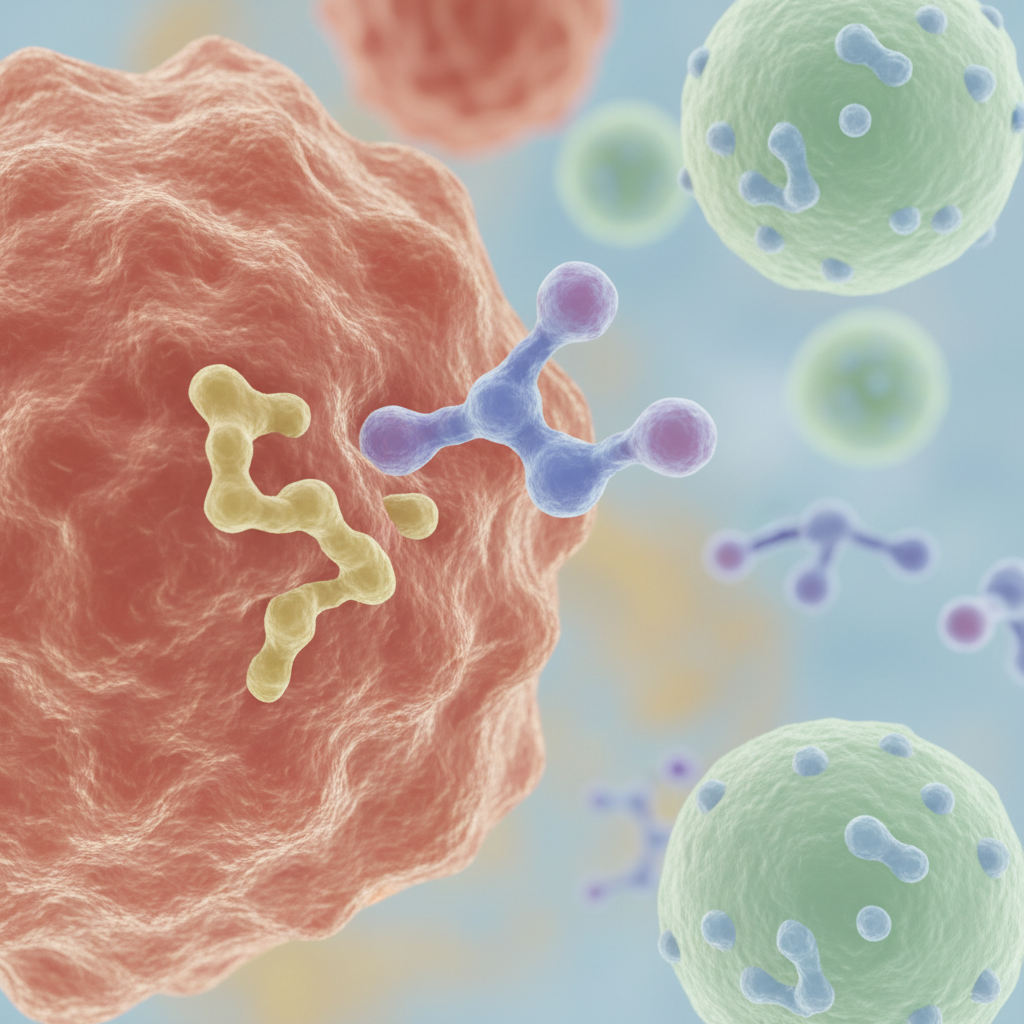
For example, drugs that target the EGFR pathway are known for dermatological toxicities like rashes and nail changes. VEGF inhibitors, on the other hand, might lead to high blood pressure or issues with wound healing [2]. This intricate relationship means that managing side effects isn't a one-size-fits-all approach. For those in Orange County, our specialists are adept at tailoring management strategies to your specific targeted therapy and personal needs, helping you navigate your treatment journey with greater comfort.
Proactive Management and Communication with Your Care Team
Becoming Your Own Health Advocate
Being proactive about your health is one of the best strategies for managing targeted therapy side effects. Keep a detailed log of any new symptoms or changes you experience, including when they started, their severity, and what, if anything, makes them better or worse. This detailed information allows your care team to make the most informed decisions about your treatment and supportive care [5]. Remember, no symptom is too small to mention.
Don't hesitate to ask questions and express concerns. Your healthcare providers in Orange County are there to support you through every step of this journey. Understanding how your specific targeted therapy works and its potential impact on your body can help you anticipate and better cope with side effects. You can access instant, private answers to many general questions through our free Ask the Assistant chat on the bottom right of your screen, connecting you to live OC specialists when needed.
The Importance of Open Dialogue
Open communication with your oncology team is paramount. They need to know how you are feeling to help you effectively. If a side effect becomes too challenging, they may adjust your dosage, prescribe additional medications, or even temporarily pause treatment to allow your body to recover [4]. The goal is always to find the right balance between effective cancer treatment and maintaining your quality of life. Regular check-ups and follow-up appointments are crucial opportunities for these discussions, ensuring that any adverse effects are addressed promptly.
Lifestyle Adjustments and Supportive Care
Nourishing Your Body and Mind
Many targeted therapy side effects can be mitigated or managed with thoughtful lifestyle adjustments. For instance, maintaining a healthy diet tailored to your specific needs can help manage gastrointestinal issues, while staying well-hydrated is essential, especially if experiencing diarrhea. Gentle physical activity, as approved by your doctor, can combat fatigue and improve overall well-being. Prioritizing rest and developing stress-reduction techniques can also make a significant difference.
Connecting with support groups or seeking counseling can provide immense emotional support. Sharing experiences with others who understand can reduce feelings of isolation and offer practical coping strategies. Cancer Answers OC offers resources to help you find local support networks and specialists who can guide you through these challenges.
Medications and Other Interventions
Beyond lifestyle changes, your doctor may prescribe specific medications to manage targeted therapy side effects. This could include anti-diarrheals, anti-nausea medications, pain relievers, or topical creams for skin reactions. In some cases, systemic medications might be used to address more severe or persistent side effects. It's crucial to take all prescribed medications exactly as directed and never self-medicate without consulting your oncology team. They will ensure your treatment plan remains safe and effective.
Conclusion: Empowering Your Journey with Knowledge and Support
While the prospect of targeted therapy side effects can be daunting, remember that these adverse effects are often a sign that the treatment is actively working against your cancer. With advancements in supportive care and a dedicated medical team, most side effects can be effectively managed, allowing you to continue your treatment with confidence. Being informed, proactive, and maintaining open communication with your care providers are your most powerful tools.
If you're seeking expert opinions or need to connect with specialists regarding your colorectal cancer targeted therapy in Orange County, consider reaching out to Cancer Answers OC. We are here to support you at every stage, offering resources and connections to top-tier care right here in Southern California. Your well-being is our priority, and together, we can navigate the treatment journey effectively.
Frequently asked questions
Can targeted therapy cause hair loss like chemotherapy?
While some chemotherapy drugs are notorious for causing hair loss, targeted therapies generally have a lower incidence of this side effect. However, some targeted agents can cause hair thinning or changes in hair texture. Always discuss specific concerns with your doctor.
How long do targeted therapy side effects last?
The duration of targeted therapy side effects can vary greatly depending on the specific drug, dosage, individual patient response, and how long you are on treatment. Some side effects may appear early and resolve within a few weeks, while others might persist throughout the treatment course or even after it ceases. Your oncology team can provide a more personalized timeline.
Are targeted therapy side effects preventable?
While not all side effects can be entirely prevented, many can be proactively managed or reduced in severity with preventative strategies. This includes diligent skin care, dietary modifications, and adherence to supportive medications. Open communication with your care team is key to implementing these preventive measures effectively.
Can I stop targeted therapy if side effects are too severe?
Never stop or alter your targeted therapy without consulting your oncology team. Abruptly discontinuing treatment can have serious consequences for your cancer control. If side effects are severe or unmanageable, your doctor can work with you to adjust the dose, switch medications, or explore other solutions to alleviate your discomfort while maintaining treatment efficacy.
How often should I report side effects to my doctor?
It is generally recommended to report any new or worsening side effects to your oncology team as soon as they occur, especially if they are severe or impact your ability to perform daily activities. For less severe or known side effects, discuss them at your regular appointments. When in doubt, always err on the side of reporting.
What should I do if I experience a severe skin rash from targeted therapy?
If you develop a severe skin rash, contact your oncology team immediately. Do not attempt to treat it with over-the-counter products without their guidance. They can assess the rash, determine its cause, and prescribe appropriate treatments, which may include stronger topical medications or oral antibiotics to prevent infection and promote healing.
When to call your care team
- Sudden onset or worsening of a skin rash, especially if accompanied by fever, blistering, or pain.
- Severe, persistent diarrhea (more than 4-6 loose stools per day) or signs of dehydration (e.g., dizziness, decreased urination).
- New or severe pain that is not relieved by over-the-counter pain medication.
- Significant swelling, redness, or pain in your hands or feet.
- Any signs of infection, such as fever, chills, or unusual fatigue.
- Unexplained shortness of breath, chest pain, or rapid heart rate.
- Any symptom that causes you significant distress or prevents you from performing daily activities.
How Cancer Answers OC can help
At Cancer Answers OC, we understand that navigating colorectal cancer treatment, including managing targeted therapy side effects, requires specialized knowledge and compassionate support. Our network connects Orange County patients with leading oncology specialists who are experts in the latest targeted therapies and side effect management strategies. Whether you're seeking a /second-opinion on your treatment plan or looking to understand /clinical-trials, we are your trusted resource.
We provide personalized guidance to help you understand your specific targeted therapy plan and its potential impacts. Our aim is to empower you with the information and resources needed to make informed decisions about your care right here in Orange County. We also encourage you to utilize our free Ask the Assistant chat (floating bottom-right button) for instant, private answers to your questions, with access to live OC specialists should you need more personalized attention. For direct assistance, please don't hesitate to /contact us; our team is ready to support you on your journey.
Related resources
- What to Expect: Managing Chemotherapy Side Effects in Newport Beach
- Navigating Fatigue During Melanoma Treatment: A Caregiver's Guide
- Navigating the Common Side Effects of Lymphoma Treatment: A Caregiver's Guide
- Find a cancer specialist in Orange County
- Get a second opinion
- Insurance and coverage guide
Sources
- Research progress on common adverse events caused by targeted ... URL: https://pmc.ncbi.nlm.nih.gov/articles/PMC6006412/
- Colorectal Cancer: Therapeutic Approaches and Their Complications URL: https://pmc.ncbi.nlm.nih.gov/articles/PMC12293042/
- Adverse reactions of targeted therapy in cancer patients - PMC - NIH URL: https://pmc.ncbi.nlm.nih.gov/articles/PMC7916285/
- Addressing Challenges in Targeted Therapy for Metastatic ... - PMC URL: https://pmc.ncbi.nlm.nih.gov/articles/PMC11988006/
- Chemotoxicity and Associated Risk Factors in Colorectal Cancer URL: https://pmc.ncbi.nlm.nih.gov/articles/PMC11274507/
- Targeted Therapies in Metastatic Colorectal Cancer - PMC - NIH URL: https://pmc.ncbi.nlm.nih.gov/articles/PMC4221380/
- Targeted Drug Therapy Side Effects | American Cancer Society URL: https://www.cancer.org/cancer/managing-cancer/treatment-types/targeted-therapy/side-effects.html
- Targeted Therapy | Colorectal Cancer Alliance URL: https://colorectalcancer.org/treatment/types-treatment/chemo-radiation-and-other-therapies/targeted-therapy
- Managing Side Effects from HER2+ Colorectal Cancer Treatments URL: https://fightcolorectalcancer.org/staying-in-the-fight-managing-side-effects-from-her2-colorectal-cancer-treatments/
- A Guide to Targeted Therapy Side Effects URL: https://honcology.com/blog/targeted-therapy-side-effects