
When your loved one is undergoing targeted therapy for lung cancer, you want to be their strongest advocate and support. Understanding the potential side effects and knowing how to effectively manage them can significantly improve their quality of life during treatment.
This guide is designed for caregivers like you, offering practical insights and strategies to navigate the journey of targeted therapy for lung cancer side effects, helping you feel more prepared and empowered.
Key takeaways
- Targeted therapy attacks specific vulnerabilities in cancer cells, often resulting in different and generally less severe side effects compared to traditional chemotherapy.
- Common side effects often include skin reactions, diarrhea, fatigue, and mouth sores, which can be effectively managed with proactive care.
- Close communication with the care team is crucial for reporting and addressing any new or worsening side effects promptly.
- Caregivers play a vital role in monitoring symptoms, assisting with medication adherence, and providing emotional support.
- Local resources in Orange County, like Cancer Answers OC, offer support and specialist connections for managing treatment challenges.
How Targeted Therapy Works for Lung Cancer
Targeted therapy represents a significant advancement in lung cancer treatment, moving beyond the broad-stroke approach of traditional chemotherapy. For caregivers, understanding this difference can alleviate some concerns and set realistic expectations for the types of side effects your loved one might experience.
The Science Behind Targeted Treatment
Unlike chemotherapy, which attacks rapidly dividing cells indiscriminately, including healthy ones, targeted therapy is designed to precisely identify and attack specific characteristics unique to cancer cells [10]. Think of it as a guided missile rather than a blanket bomb. These therapies work by blocking specific pathways or proteins that cancer cells need to grow, divide, and spread. This precision is why the side effect profile can be quite different from chemotherapy.
For example, some lung cancers have specific genetic mutations, like in the EGFR, ALK, or ROS1 genes. Targeted drugs are developed to specifically inhibit the activity of these altered genes or their protein products, effectively stopping the cancer's growth engine [1]. Testing for these mutations, often through a biopsy or liquid biopsy, is a critical step before starting targeted therapy.
Personalized Medicine in Action
This approach means that targeted therapy is often highly personalized. It's not a one-size-fits-all treatment; rather, it’s tailored to the specific genetic makeup of your loved one's tumor. This personalized aspect is one of the reasons targeted therapy for lung cancer has shown such promise, often leading to better outcomes for eligible patients [3].
This also means that the specific type of targeted therapy chosen will depend on the unique characteristics of their lung cancer. As a caregiver, being informed about these details can help you ask more targeted questions to the medical team and better understand the rationale behind the chosen treatment plan. Cancer Answers OC can help you find specialists who are experts in these personalized approaches, even offering /second-opinion consultations if you wish.
Understanding Common Targeted Therapy for Lung Cancer Side Effects
While targeted therapies are often better tolerated than chemotherapy, they do come with their own set of potential side effects. These can vary widely depending on the specific drug and the individual patient. Knowing what to expect allows you to be prepared and proactive in managing these challenges.
Skin, Hair, and Nail Changes
Many targeted therapies, particularly those that target EGFR, can affect the skin, hair, and nails. Your loved one might experience rashes that resemble acne, dry skin, itching, increased sensitivity to sunlight, or changes in hair texture [9, 10]. Nail problems like brittleness, inflammation around the nails (paronychia), or even painful nail beds are also common [7].
Managing these can involve gentle skincare routines, moisturizing regularly with fragrance-free products, using high SPF sunscreen, and avoiding harsh soaps. For more severe reactions, prescription creams or oral medications might be necessary. Always communicate these changes to the care team, as early intervention can prevent discomfort from worsening.
Digestive System Issues
Diarrhea is another very common side effect of many targeted therapies [8]. It can range from mild to severe and can lead to dehydration and electrolyte imbalances if not managed promptly. Your loved one might also experience nausea, vomiting, or constipation.
Caregivers can help by ensuring plenty of fluids are consumed, offering electrolyte-rich drinks, and preparing bland, easy-to-digest foods. Over-the-counter anti-diarrhea medications, under the guidance of the care team, can be very effective. It's important to report persistent or severe digestive issues to the medical team immediately to prevent complications.
Fatigue and Generalized Weakness
Fatigue is one of the most frequently reported side effects across many cancer treatments, including targeted therapy [8]. It's more than just feeling tired; it's an overwhelming sense of exhaustion that isn't relieved by rest. This can significantly impact your loved one's daily life and overall well-being.
Encouraging light exercise, if approved by their doctor, maintaining a balanced diet, and prioritizing rest can help. Breaking tasks into smaller, manageable steps and delegating responsibilities can also reduce their energy expenditure. Remember, it's okay for them to ask for help, and it's okay for you to facilitate that help.
In-depth look
Targeted therapy for lung cancer focuses on specific molecular alterations driving cancer growth. Understanding the different types of targeted therapies and their mechanisms can help caregivers better anticipate and manage potential side effects, as these are often directly related to the drug's target.
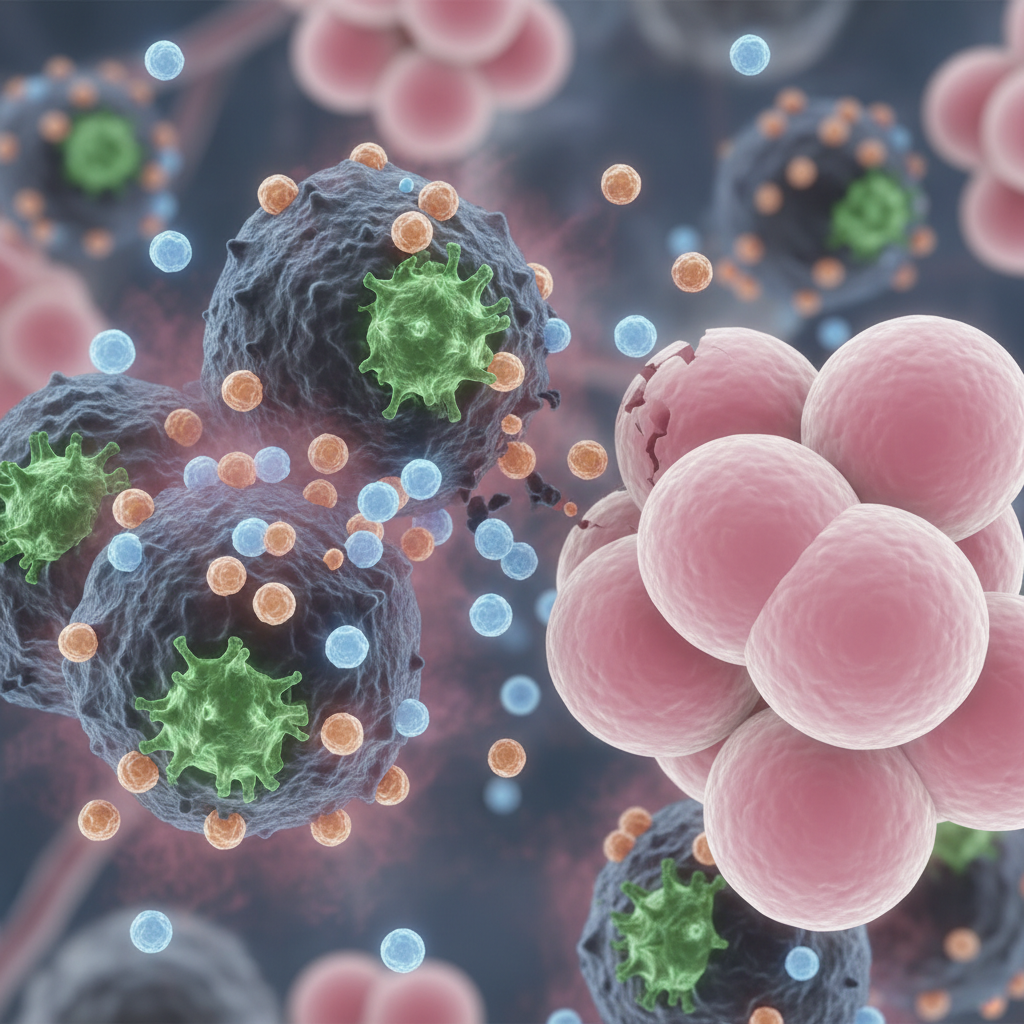
Types of Targeted Therapies for Non-Small Cell Lung Cancer (NSCLC)
There are several classes of targeted therapies, each designed for specific genetic mutations found in NSCLC. For instance, EGFR inhibitors block signals that help cancer cells grow, while ALK inhibitors target a fusion gene found in a subset of lung cancers. Other targets include ROS1, BRAF, MET, and RET. The specific therapy chosen depends entirely on the genetic testing of your loved one's tumor.
These therapies are often oral medications, making at-home administration common and convenient for many patients, but requiring careful adherence. Each type of drug has a unique side effect profile based on its mechanism of action and where else in the body those target molecules might be present [5].
Targeted Therapy vs. Chemotherapy Side Effects
While both treatments aim to destroy cancer cells, their mechanisms lead to distinct side effect experiences. Chemotherapy, as a systemic treatment, causes widespread side effects by affecting all fast-growing cells (e.g., hair follicles, bone marrow, digestive tract lining) [10]. This often leads to hair loss, severe nausea, and a weakened immune system.
Targeted therapy, by contrast, focuses on cancer-specific pathways, generally sparing many healthy cells. This typically results in fewer severe side effects and a better quality of life for patients. However, targeted therapies can still cause systemic issues if the targeted molecules are also present in healthy tissues, leading to specific organ toxicities like skin reactions or, less commonly, heart or kidney problems [2, 4]. Your care team in Orange County is well-versed in these differences.
Managing and Mitigating Side Effects
Proactive management is key to minimizing discomfort and maintaining quality of life during targeted therapy. As a caregiver, you are an essential partner in this process, helping to observe, report, and implement solutions.
Proactive Communication with the Care Team
One of the most critical roles you can play is maintaining open and regular communication with the medical team. Encourage your loved one to honestly report all side effects, no matter how minor they seem. Sometimes, seemingly small symptoms can be early indicators of more significant issues that need immediate attention. For example, sudden shortness of breath could be a sign of a rare but serious pulmonary toxicity [2].
Keep a detailed log of symptoms, noting their onset, severity, and any factors that seem to worsen or improve them. This information is invaluable for the care team to adjust dosages or prescribe supportive medications. Don't hesitate to reach out to their specialized oncology team or your primary care physician at the first sign of concern. You can also use the free Ask the Assistant chat on our website for instant, private support and information, available 24/7. When needed, live OC specialists are available.
Diet and Nutrition Support
Managing digestive side effects like diarrhea, nausea, and changes in appetite often involves dietary adjustments. A registered dietitian, often part of the oncology care team, can provide personalized guidance. Generally, a bland, low-fiber diet might be recommended during periods of diarrhea, while small, frequent meals can help with nausea. Staying hydrated is paramount, especially if your loved one is experiencing vomiting or diarrhea.
Encourage nutrient-dense foods and supplements if their appetite is poor, always consulting with the care team before introducing new supplements. Good nutrition supports their energy levels and helps the body heal and tolerate treatment better.
Skin Care and Symptom Relief
For skin-related side effects, a gentle, consistent skincare routine is paramount. This includes using mild, fragrance-free cleansers and moisturizers multiple times a day. Avoiding harsh soaps, very hot water, and prolonged sun exposure can prevent irritation. For specific rashes or dry patches, the medical team might prescribe topical corticosteroids or other specialized creams.
Keeping nails trimmed and clean can help prevent infections if paronychia occurs. Wearing soft, breathable clothing can also minimize discomfort from skin sensitivity. These seemingly small measures can make a big difference in daily comfort.
Emotional and Psychological Support
Living with lung cancer and undergoing treatment takes a significant emotional toll, not just on the patient but on caregivers too. Side effects, even if physically manageable, can contribute to feelings of frustration, anxiety, and depression. Acknowledge these feelings in your loved one and in yourself. Seeking support from a therapist, joining a support group, or engaging in mindfulness practices can be incredibly beneficial [3].
Spend quality time together, encourage hobbies, or simply be present. Your emotional support is a powerful component of their healing journey. Remember to take care of your own well-being too; caregiver burnout is real. For local resources and support groups in Orange County, explore the Cancer Answers OC website or contact us directly at /contact.
Frequently asked questions
What is the main difference between targeted therapy and chemotherapy?
Targeted therapy specifically attacks cancer cells by focusing on their unique molecular vulnerabilities, whereas chemotherapy works by killing rapidly dividing cells, which includes both cancer cells and some healthy cells [10]. This often leads to different, and sometimes fewer, side effects with targeted therapy.
Are targeted therapy side effects generally less severe than chemotherapy side effects?
In many cases, yes. While targeted therapy can still cause significant side effects, they are often less severe and more manageable than those associated with traditional chemotherapy. Patients often report a better quality of life during targeted therapy compared to chemotherapy [3, 7].
How long do targeted therapy side effects last?
Side effects typically persist for the duration of the treatment and may gradually subside after treatment ends. However, some side effects can linger for weeks or months, and a few might even be long-lasting. It's crucial to report all symptoms to the care team for proper management.
Can targeted therapy cause new side effects to appear over time?
Yes, some side effects can develop or worsen over the course of treatment, or even appear weeks or months after starting therapy. This is why continuous monitoring and open communication with the care team are essential throughout the treatment period [6].
What should I do if my loved one experiences a severe or unusual side effect?
Contact the care team immediately. Do not wait for the next scheduled appointment. Provide clear details about the symptom, its onset, severity, and any other relevant observations. The care team can advise on whether emergency care is needed or if adjustments to treatment are required.
Are there any specific foods to avoid during targeted therapy for lung cancer?
While there isn't a universally strict list, your care team or a dietitian might recommend avoiding certain foods based on the specific side effects your loved one is experiencing. For example, spicy, greasy, or high-fiber foods might be discouraged during diarrhea, while highly acidic foods could irritate mouth sores. Always consult with a healthcare professional for personalized dietary advice.
When to call your care team
It's important to know when to seek immediate medical attention for your loved one. Call your care team without delay if you observe any of the following:
- High fever (over 100.4°F or 38°C)
- Shortness of breath or difficulty breathing
- New or worsening chest pain
- Severe or persistent diarrhea (more than 4-6 loose stools per day)
- Uncontrolled nausea or vomiting preventing fluid intake
- Signs of allergic reaction (rash, hives, swelling of face/lips/tongue, itching)
- Unusual bleeding or bruising
- Severe skin blistering or peeling
- Sudden or severe headache, vision changes, or confusion
- Significant swelling in hands, ankles, or feet
- Any symptom that causes intense discomfort or alarm
How Cancer Answers OC can help
Navigating targeted therapy for lung cancer requires comprehensive support, and Cancer Answers OC is here for you and your loved one in Orange County. We connect patients and caregivers with leading oncology specialists and valuable resources right here in our community. Whether you need help understanding complex diagnoses, evaluating treatment options, or managing side effects, we can guide you.
Consider exploring our /find-specialist page to connect with top oncologists in Newport Beach and the broader Orange County area who specialize in lung cancer and targeted therapies. Additionally, our free Ask the Assistant chat is available around the clock, providing instant answers and connecting you with live OC specialists when you need personalized advice. Let us be your trusted partner in this journey, offering expertise and compassionate support every step of the way.