
Navigating the journey of breast cancer with a loved one can feel overwhelming, but you don't have to do it alone. This guide offers essential caregiver support for breast cancer in Tustin, providing practical advice, emotional resources, and local connections to help you thrive.
Being a caregiver for someone with breast cancer in Tustin is a profound act of love and commitment. This article will walk you through fundamental aspects of caregiving, from understanding the emotional landscape to finding practical help, ensuring you are well-equipped and supported throughout this challenging yet rewarding experience.
Key takeaways
- Recognize the profound impact of caregiving: Providing care for a loved one with breast cancer is demanding and requires significant personal resilience.
- Prioritize self-care: Your well-being is critical to providing sustained, effective care; neglecting it can lead to burnout.
- Seek dedicated support networks: Local breast cancer support groups in Tustin offer invaluable shared experiences and practical advice.
- Utilize respite care services: Don't hesitate to seek temporary relief to recharge, recognizing that it benefits both you and the patient.
- Leverage community resources: Orange County offers numerous organizations, including Cancer Answers OC, dedicated to assisting caregivers and patients.
Understanding the Caregiver Role in Breast Cancer
When a loved one receives a breast cancer diagnosis, your role as a caregiver often becomes central to their journey. This role is multifaceted, blending practical tasks with deep emotional support. Recognizing the scope of your responsibilities and preparing for them can make a significant difference in how you manage this period.
The Emotional Landscape for Caregivers
Caregiving for someone with breast cancer brings a complex mix of emotions. You might experience fear, grief, anxiety, anger, and even guilt, alongside profound love and determination. It's natural to feel overwhelmed, stressed, or emotionally drained at times [10]. Acknowledging these feelings, rather than suppressing them, is the first step toward managing them healthily.
Learning to cope with these emotions involves strategies like journaling, mindfulness, and speaking openly about your feelings with trusted friends or a therapist. Understanding that your emotional well-being directly impacts your ability to care for your loved one is crucial. Prioritizing your mental health isn't selfish; it’s a necessity.
Practical Responsibilities and Challenges
Your day-to-day responsibilities as a breast cancer caregiver can span a wide range. This often includes managing appointments, coordinating medications, assisting with personal care, preparing meals, and handling household tasks. Many caregivers also become primary communicators with the medical team, interpreting information and advocating for their loved one [2]. The logistical demands can be immense, requiring careful organization and time management.
Challenges frequently arise in balancing these new duties with existing work, family, and personal commitments. Financial strain can also be a significant concern, as can the physical toll of caregiving. Recognizing these potential hurdles early allows you to seek specific support and strategies to navigate them effectively.
Building a Strong Support Network in Tustin
No caregiver should ever feel isolated. Building a robust support network is vital for your resilience and for providing the best care for your loved one. Orange County offers a wealth of resources designed to help caregivers connect, learn, and recharge.
Finding Breast Cancer Support Groups in Tustin
Connecting with others who understand your experience can be profoundly validating. Breast cancer support groups in Tustin and throughout Orange County provide a safe space to share feelings, exchange practical advice, and gain insight from peers. These groups cater to various needs, from general cancer caregiver support to specific breast cancer groups, and even those for young women's breast cancer [8].
Organizations like City of Hope and Hoag Family Cancer Institute offer virtual and in-person support groups facilitated by licensed social workers and oncology nurses [7, 8]. These groups can be a lifeline, offering a sense of community and reducing feelings of isolation. Don't hesitate to explore several options to find the right fit for you.
Leveraging Local Resources and Community Programs
Tustin and the greater Orange County area are home to numerous organizations dedicated to supporting cancer patients and their caregivers. Groups like Breast Cancer Solutions provide financial assistance and resource navigation [9]. Cancer Kinship offers peer mentorship and individualized support [9].
These local resources can help alleviate some of the burdens you face, whether it's through financial aid, transportation assistance, or access to educational materials. Many organizations also offer specific programs for caregivers, recognizing their unique needs. Cancer Answers OC can help you navigate these options. You can also explore our /find-specialist page to connect with local supportive care providers.
Practical Tips for Breast Cancer Caregiving
Effective caregiving goes beyond emotional support; it involves strategic planning and efficient management of daily tasks. Implementing practical strategies can help you maintain your energy and provide consistent, high-quality care.
Managing Medical Appointments and Information
Accurately tracking medical information and coordinating appointments is a significant part of breast cancer caregiving. Keeping a dedicated binder or digital folder for test results, medication lists, appointment schedules, and contact information for the medical team can be incredibly helpful [1]. Consider using a shared calendar or app that both you and your loved one can access.
During appointments, take notes, ask clarifying questions, and don't be afraid to voice concerns. A pilot study highlighted the importance of clear communication and patient understanding in cancer care [1]. You can also prepare a list of questions before each visit to ensure all your concerns are addressed. This proactive approach helps in advocating effectively for your loved one and staying informed about their treatment plan.
Daily Care and Household Management
Providing daily care involves assisting with personal hygiene, meal preparation, medication administration, and monitoring for side effects or changes in health. Establish a routine that works for both you and your loved one, but remain flexible, as needs can change over time. Don't be afraid to ask for specific help from friends or family with tasks like grocery shopping, laundry, or running errands.
Delegating tasks can prevent burnout and allow you to focus on the moments that matter most. Utilize meal delivery services, ask friends to organize a meal train, or explore local volunteer programs that offer assistance with daily living. Even small acts of help can make a big difference in managing your workload.
In-depth look
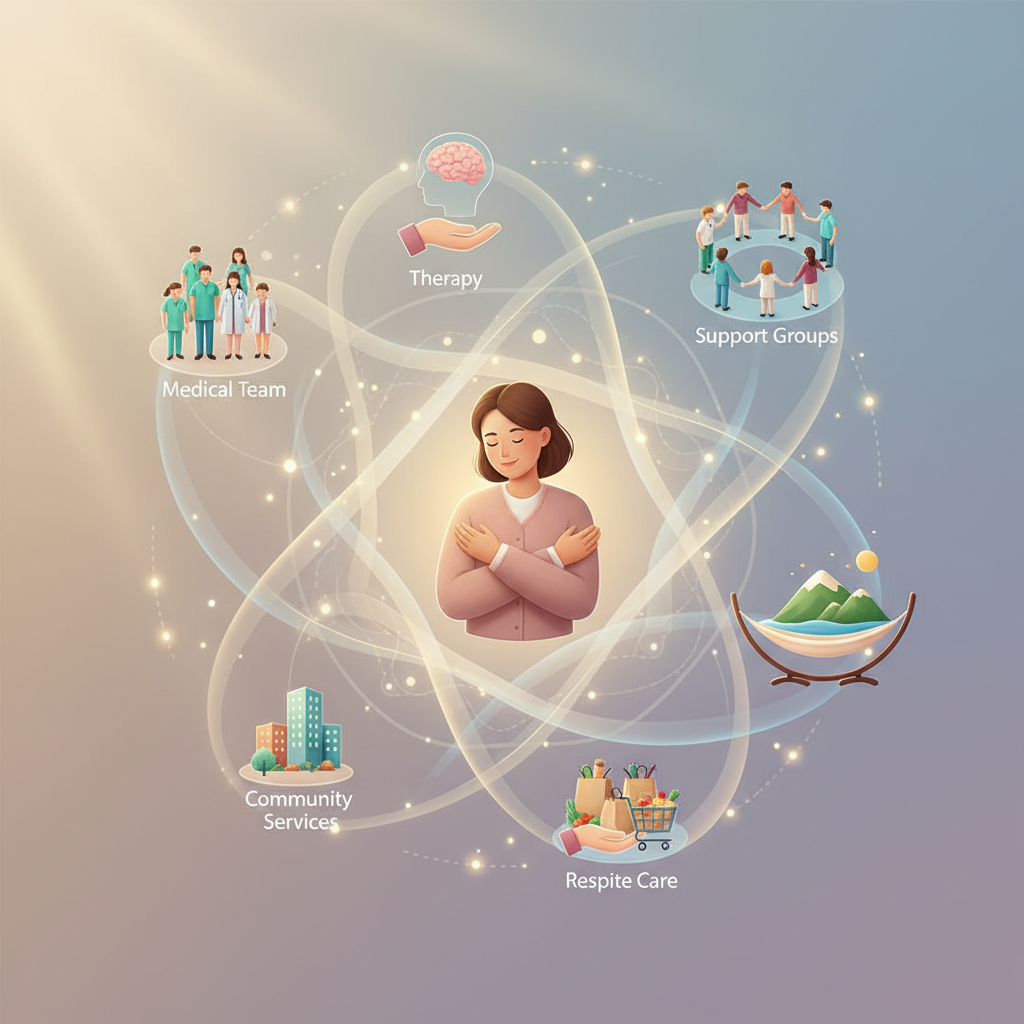
Caregiving is a journey that often evolves with the patient's treatment and recovery. Understanding the different facets of support available and how they interlink can create a more resilient and sustainable care environment for everyone involved. It’s about building a holistic support system, not just for the patient, but equally for the caregiver.
The Importance of Communication and Advocacy
Open and honest communication is the cornerstone of effective caregiving. This includes clear dialogue with your loved one about their needs and preferences, as well as regular, informed conversations with their healthcare team. As a caregiver, you often serve as the primary advocate, ensuring that your loved one's voice is heard and their care plan aligns with their values and goals [2].
Don't hesitate to participate in care meetings, ask for explanations in plain language, and seek second opinions if needed. Learning how to effectively communicate with medical professionals can empower you and your loved one, leading to better care outcomes. Consider using the free Ask the Assistant chat on our website (floating bottom-right button) for instant answers to common questions or help finding communication resources, available 24/7 with connections to OC specialists.
Navigating Financial and Legal Aspects
The financial burden of cancer can be substantial, even with good insurance. As a caregiver, you might find yourself navigating insurance claims, understanding medical bills, and exploring financial assistance programs. Many organizations, such as the National Cancer Institute, offer resources and information on financial support for cancer patients and their families [3].
Additionally, understanding legal documents like advance directives, power of attorney, and HIPAA authorizations is critical. These documents ensure that your loved one’s wishes regarding their medical care and finances are respected, and that you are authorized to make decisions on their behalf if they become unable to. Consulting with a legal professional specializing in elder law or patient advocacy can provide clarity and peace of mind.
Prioritizing Caregiver Well-being and Respite
It is easy to neglect your own needs when caring for another, but caregiver burnout is a serious risk. Sustaining your well-being is not a luxury; it's a necessity for continued, effective caregiving. Just as an oxygen mask on an airplane, you must secure your own first before assisting others.
The Critical Role of Self-Care for Caregivers
Self-care isn't about being selfish; it's about maintaining your physical, mental, and emotional health so you can continue to provide care effectively. This could include scheduling regular breaks, pursuing hobbies, maintaining social connections, eating nutritious meals, and getting adequate rest. Even short periods of self-care, like a 15-minute walk or listening to music, can make a significant difference.
Regular check-ups with your own doctor are also important. Caregivers frequently experience higher rates of stress-related illnesses. Monitoring your health allows you to address issues before they become severe. Remember, a healthy caregiver is a better caregiver.
Utilizing Respite Care for Cancer Caregivers in Tustin
Respite care offers temporary relief for caregivers, allowing you to take a break without worrying about your loved one's safety or well-being. This can range from a few hours a week to a few days. Options for respite care for cancer caregivers in Tustin might include in-home care services, adult day programs, or short-term stays in assisted living facilities.
Don't view respite care as a sign of weakness, but rather as a strategic tool for sustainable caregiving. It allows you to recharge, attend to personal needs, and prevent burnout. Many local cancer support organizations and social workers can help you identify and access respite care options in Orange County. You can also contact Cancer Answers OC to learn more about options around Tustin or refer to our /contact page for direct assistance.
Moving Forward with Confidence
As a caregiver for someone with breast cancer in Tustin, you are performing an invaluable service. This journey will have its ups and downs, but by proactively building a support system, utilizing practical strategies, and prioritizing your own well-being, you can navigate it with greater confidence and effectiveness.
Remember that organizations like Cancer Answers OC are here to provide resources, connections, and support every step of the way. You don't have to carry this burden alone. Reach out, lean on your community, and allow yourself the support you deserve.
Frequently asked questions
How can I find breast cancer support groups specifically for caregivers in Tustin?
Many hospitals and cancer centers in Orange County, such as Hoag Family Cancer Institute and City of Hope, offer dedicated support groups for breast cancer caregivers. Online platforms and local cancer support organizations, like those listed on UCI's Cancer Resources page [9], can also connect you with virtual or in-person groups near Tustin. Our free Ask the Assistant chat can help you find current local listings.
What kind of practical help can I expect as a breast cancer caregiver?
Practical help often includes managing medical appointments, coordinating medications, assisting with daily activities (such as personal care and meals), transportation to treatments, and household tasks. Many caregivers also play a key role in communicating with the medical team and managing insurance or financial matters [10].
How important is self-care for caregivers, and what are some effective strategies?
Self-care is critically important as it prevents caregiver burnout and enables you to provide consistent, quality care. Effective strategies include scheduling regular breaks, pursuing hobbies, maintaining social connections, eating healthy, getting enough rest, and seeking professional emotional support when needed [4].
Where can I find respite care for cancer caregivers in Tustin?
Respite care services in Tustin can be found through local home health agencies, senior care facilities that offer short-term stays, or by consulting with hospital social workers and case managers. Non-profit cancer organizations in Orange County may also have programs or referrals for respite care. Cancer Answers OC can guide you to local resources.
How can I best communicate with my loved one's medical team?
Prepare a list of questions before appointments, take notes during discussions, and ask for clarification if anything is unclear. Consider asking for a summary of the visit or specific next steps in writing. Designate a primary point of contact if multiple caregivers are involved. Good communication ensures informed decision-making [2].
Are there financial resources available for breast cancer caregivers in Orange County?
Yes, several organizations offer financial assistance. For example, Breast Cancer Solutions provides financial aid for living expenses and medical costs to underserved patients in Orange County [9]. Hospital social workers can also provide information on other financial support programs, grants, and avenues for assistance.
When to call your care team
- Your loved one experiences new or worsening symptoms, especially concerning pain, fever, or extreme fatigue.
- You notice significant changes in your loved one's mood or behavior that are concerning (e.g., severe depression, suicidal ideation).
- You are overwhelmed to the point of feeling unable to cope, exhausted, or experiencing symptoms of burnout.
- You have critical questions about medication side effects or interactions.
- There is a need to adjust the current care plan due to new challenges or changing circumstances.
How Cancer Answers OC can help
At Cancer Answers OC, we understand the immense challenges faced by caregivers of breast cancer patients in Tustin and throughout Orange County. We are dedicated to providing clear, evidence-based information and connecting you with vital local resources.
- Resource Navigation: We can help you navigate the complex landscape of support services, including breast cancer support groups in Tustin, respite care options, and financial assistance programs.
- Expert Connections: Our network allows us to help you find local oncology specialists and supportive care professionals in Orange County. Explore our
/second-opinionservice if you need further clarity on a diagnosis or treatment plan. - 24/7 Support: Utilize our free Ask the Assistant chat (floating bottom-right button) for instant answers to your caregiving questions, access to local information, and, when needed, connection to live Orange County specialists. It's private, instant, and always available to support you.
Related resources
- Essential Support for Lung Cancer Caregivers in Huntington Beach
- Preventing Caregiver Burnout: Essential Strategies for Cancer Caregivers
- Essential Resources for Caregivers of Leukemia Patients in Tustin, CA
- Find a cancer specialist in Orange County
- Get a second opinion
- Insurance and coverage guide
Sources
- A Pilot Study Determining Comprehension and the Acceptability of a ... URL: https://pmc.ncbi.nlm.nih.gov/articles/PMC7015148/
- Deconstructing Cancer Patient Information Seeking in a Consumer ... URL: https://pmc.ncbi.nlm.nih.gov/articles/PMC5463052/
- [PDF] department of health and human services - National Cancer Institute URL: https://www.cancer.gov/about-nci/advisory-boards/ncab/meetings/2021/february-minutes.pdf
- Challenges and Opportunities with Empowering Baby Boomers for ... URL: https://pmc.ncbi.nlm.nih.gov/articles/PMC5689789/
- Peer-generated Health Information: The Role of Online ... - PMC URL: https://pmc.ncbi.nlm.nih.gov/articles/PMC7315436/
- Opportunities and counterintuitive challenges for decentralized ... URL: https://pmc.ncbi.nlm.nih.gov/articles/PMC9072305/
- Support Groups - City of Hope URL: https://www.cityofhope.org/locations/los-angeles/departments-and-services/supportive-care-medicine/emotional-social-and-spiritual-support/clinical-social-work/support
- Support Group Classes | Hoag Health Network URL: https://www.hoag.org/education-resources/support-groups/
- Patient Resources - Chao Family Comprehensive Cancer Center URL: https://cancer.uci.edu/patient-care/patient-resources
- Cancer Caregiver Support - American Cancer Society URL: https://www.cancer.org/cancer/caregivers.html