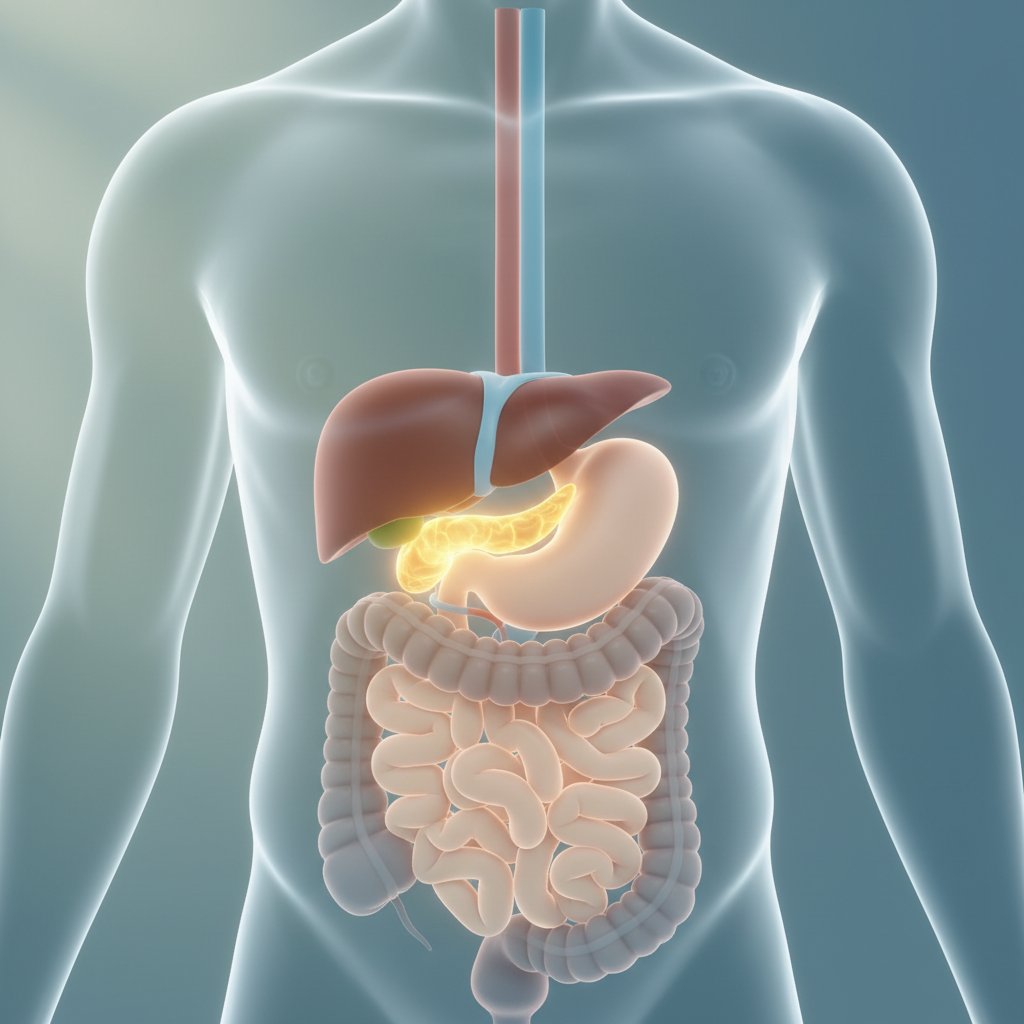
Pancreatic cancer can be a challenging disease to detect early, often presenting with vague or easily overlooked symptoms. For residents of Tustin and Orange County, understanding these subtle signs and knowing when to consult a medical professional is crucial for improving treatment outcomes.
At a glance
| Detail | Summary |
|---|---|
| Topic | pancreatic cancer symptoms early detection Tustin |
| Who it is for | Patients and families |
| Area served | Orange County, California |
| Category | patient-education |
| Reading time | About 11 minutes |
| Cited sources | 6 |
| Last reviewed | 2026-06-01 |
Key takeaways
- Pancreatic cancer often presents with vague, non-specific symptoms, making early detection difficult.
- Common symptoms include unexplained weight loss, abdominal or back pain, and jaundice.
- Risk factors like smoking, diabetes, and family history increase your susceptibility.
- If you experience persistent, unexplained symptoms, especially jaundice, seek medical attention promptly.
- Early and accurate diagnosis through imaging and biopsies is vital for effective treatment planning.
Understanding Pancreatic Cancer: What You Need to Know
Pancreatic cancer originates in the pancreas, an organ located behind your stomach that plays a crucial role in digestion and blood sugar regulation [7]. Because of its deep location within the body, early tumors are often difficult to feel during a physical exam, and symptoms can be subtle [8]. This makes understanding potential pancreatic cancer symptoms early detection Tustin residents should be aware of even more important.
The Pancreas and Its Role
Your pancreas is a vital organ performing two main functions. It produces enzymes that help your body digest food, and it creates hormones like insulin that manage your blood sugar levels [7]. When cancer develops in the pancreas, it can disrupt these critical processes, leading to a variety of symptoms.
Why Early Detection is Challenging
Unlike some other cancers, there isn't a routine screening test for pancreatic cancer for the general population [8]. Many early symptoms are non-specific, meaning they can easily be attributed to less serious conditions. This is why doctors often refer to pancreatic cancer as a "silent disease" until it has progressed [8]. However, recognizing persistent, unexplained changes in your body and discussing them thoroughly with your doctor can lead to earlier diagnosis.
Recognizing the Early Signs and Symptoms
While challenging, being attuned to potential changes in your body can be instrumental. The critical question for Tustin residents is: what are early signs of pancreatic cancer? Though often vague, several symptoms should prompt a conversation with your healthcare provider.
Common Early Symptoms to Watch For
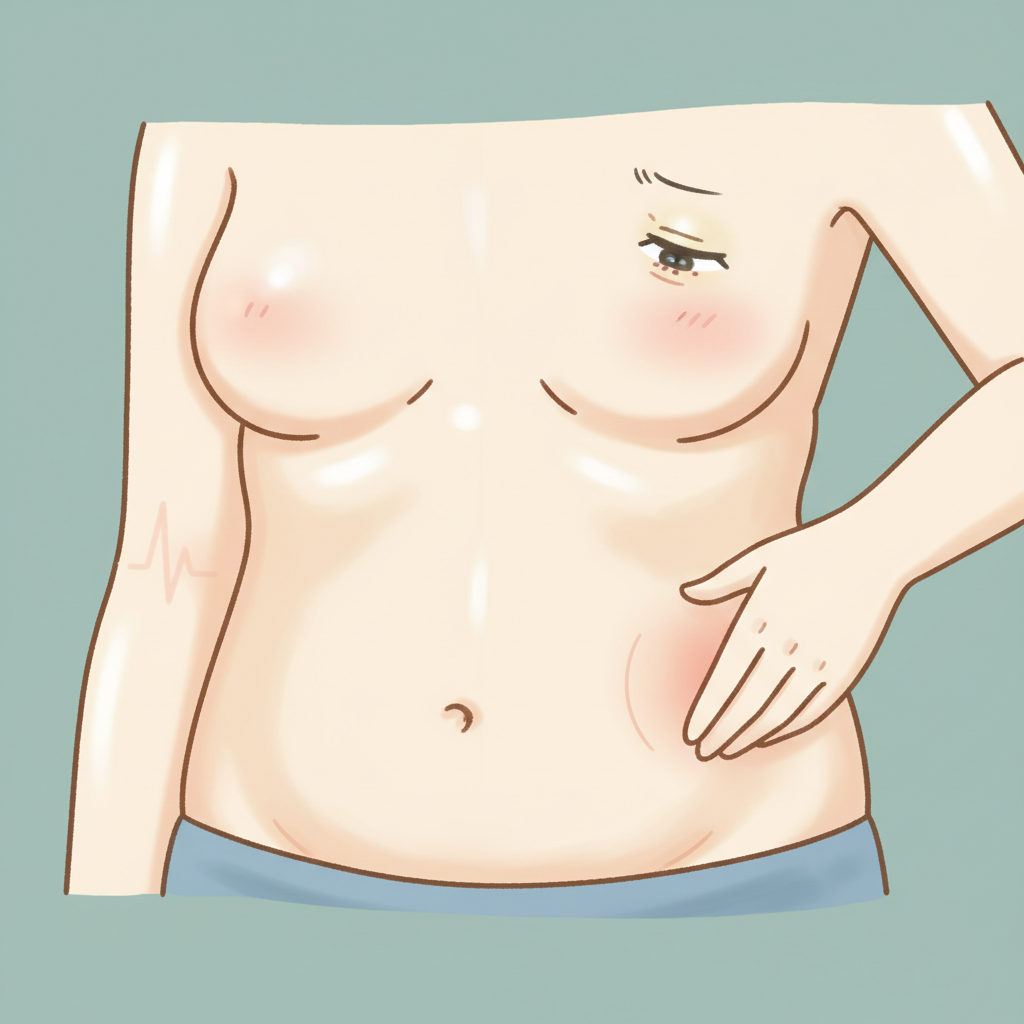
Many initial symptoms of pancreatic cancer can be subtle and might be mistaken for other conditions. Unexplained weight loss is one of the most common early indicators [9]. You might notice that you're losing weight without intentionally trying to, or your clothes might feel looser.
Another significant symptom is pain. This pain can manifest in your abdomen and sometimes radiate to your back [9]. It might be a dull ache, and it can become worse after eating or when lying down. Digestive issues like new-onset diabetes, changes in stool (e.g., pale, greasy, or floating stools due to fat malabsorption), or unexplained nausea and vomiting are also potential red flags [9].
The Importance of Jaundice
Jaundice, the yellowing of the skin and whites of the eyes, is often one of the clearer signs of pancreatic cancer, especially when the tumor blocks the bile duct [9]. If you notice jaundice, it's essential to seek medical attention immediately, as this symptom typically indicates a more advanced, but still potentially treatable, stage of the disease [9]. This is a symptom that should never be ignored.
When to Seek Medical Attention in Tustin
If you live in Tustin and are experiencing persistent, unexplainable symptoms, you might wonder when to see doctor for pancreatic symptoms. Don't delay seeking medical advice if something feels consistently wrong.
Persistent and Unexplained Symptoms
Any symptom that persists for more than a few weeks without a clear explanation from your doctor warrants further investigation. This is especially true if you experience a combination of symptoms such as unexplained weight loss, new or worsening abdominal/back pain, and changes in bowel habits. Even if the symptoms seem minor, your vigilance can be key.
High-Risk Individuals
Certain factors can increase your risk of developing pancreatic cancer. These include a family history of pancreatic cancer, a history of chronic pancreatitis, smoking, long-standing diabetes, or certain genetic syndromes [7]. If you have one or more of these risk factors and experience any of the symptoms discussed, it is even more critical to consult your doctor promptly. Mentioning your risk factors during your appointment can help guide your doctor toward appropriate diagnostics.
In-depth look
Recognizing the subtle signs and understanding the diagnostic journey for pancreatic cancer is vital. For those in Tustin, knowing about the process can help you feel more prepared and empowered.
Diagnostic Tools and Procedures
When you visit your doctor with suspicious symptoms, they will likely start with a thorough physical examination and a review of your medical history. They may then order several tests. Blood tests can check for tumor markers like CA 19-9, though these aren't conclusive on their own [5]. Imaging tests are crucial for visualizing the pancreas and detecting tumors. These can include a CT scan [1], MRI, or an endoscopic ultrasound (EUS). An EUS involves inserting a thin, flexible tube down your throat into your digestive tract to obtain detailed images and potentially collect tissue samples (biopsy) [1]. A biopsy is the only definitive way to diagnose cancer [6].
If you are in the Orange County area, especially in Tustin, your care team might recommend a consultation with a specialist who has expertise in diagnosing pancreatic conditions. You can generally find these specialists through your primary care provider or by searching for local cancer centers. Considering /second-opinion for a complex diagnosis like pancreatic cancer is always a good idea.
The Role of Staging and Treatment Planning
Once pancreatic cancer is diagnosed, doctors will determine its stage, which describes the size of the tumor and whether it has spread. This staging process is critical because it guides treatment decisions. For some, surgery to remove the tumor might be an option, particularly if the cancer is caught early and has not spread significantly. Other treatments might include chemotherapy, radiation therapy, targeted therapy, or a combination of these [3], [4]. Clinical trials are also an important avenue for patients to access cutting-edge treatments. You can learn more about clinical trials through our dedicated page.
Pancreatic Cancer Screening and Risk Factors
Currently, there isn't a widespread screening test for the general population for pancreatic cancer, like mammograms for breast cancer. However, for individuals at very high risk, specific screening protocols might be considered.
Who is at Higher Risk?
Several factors can increase your risk of developing pancreatic cancer. Age is a significant factor, with most diagnoses occurring after age 65 [7]. Long-term smoking approximately doubles the risk. A family history of pancreatic cancer, especially in multiple close relatives, also increases risk. Certain genetic syndromes, such as hereditary pancreatitis or Lynch syndrome, can predispose individuals to the disease [7]. Chronic pancreatitis, type 2 diabetes, obesity, and even certain dietary factors have also been linked to an increased risk [7]. If you have several of these risk factors, discuss them with your doctor.
Personalized Screening Approaches
For individuals with a very strong family history of pancreatic cancer or known genetic mutations that increase risk, specialized screening programs may be available. These programs might involve regular endoscopic ultrasounds or MRIs to monitor the pancreas for early changes. Such screenings are not routine and are typically only recommended after a thorough risk assessment by a genetic counselor or a specialist in high-risk cancer screening. Your doctor in Tustin can help determine if you fit the criteria for such specialized screening.
Support and Resources in Orange County
Receiving a diagnosis of pancreatic cancer can be overwhelming. Knowing where to find support and specialized care in your local community, like Tustin and the greater Orange County area, can make a significant difference in your journey.
Finding Specialized Care in Tustin
Cancer Answers OC is dedicated to connecting you with top oncologists and care teams specializing in pancreatic cancer here in Orange County. Our network includes experts who can provide comprehensive diagnosis, treatment, and ongoing support. We understand the importance of local access to high-quality care, allowing you to focus on your health without extensive travel. If you're looking for a specialist in Orange County, visit our /find-specialist page.
Navigating Your Journey
Beyond medical treatment, emotional and practical support are vital. Many local organizations and support groups offer resources for patients and their families, including nutritional counseling, pain management, and psychological support. Don't hesitate to reach out for help. Remember, you don't have to face this alone. Our free Ask the Assistant chat, available at the floating button on the bottom-right, can connect you instantly with information and even live OC specialists when you need them. It's private, instant, and available 24/7.
Lifestyle and Prevention
While not all pancreatic cancers can be prevented, adopting healthy lifestyle habits can significantly reduce your overall risk and promote general well-being.
Healthy Habits for Reduced Risk
Maintaining a healthy weight through a balanced diet and regular physical activity is beneficial. A diet rich in fruits, vegetables, and whole grains, and low in processed foods and red meat, is recommended. Limiting alcohol intake and, if you smoke, quitting smoking are two of the most impactful steps you can take to reduce your risk of pancreatic cancer and many other diseases. Smoking is a significant risk factor for pancreatic cancer, with smokers being about twice as likely to develop it as non-smokers [7].
Regular Check-ups and Open Communication
Regular check-ups with your primary care physician are important for monitoring your overall health and discussing any new or persistent symptoms. Be open about your medical history, family history, and any concerns you have. Your doctor can help assess your individual risk factors and recommend appropriate screening or lifestyle modifications. This proactive approach is particularly important for residents in areas like Tustin, where access to excellent preventative care is readily available.
Frequently asked questions
What are the earliest signs of pancreatic cancer?
The earliest signs of pancreatic cancer are often vague, including unexplained weight loss, new-onset diabetes, fatigue, and persistent abdominal or back pain. These symptoms can easily be mistaken for less serious conditions, making early detection challenging.
Why is pancreatic cancer often diagnosed at an advanced stage?
Pancreatic cancer is frequently diagnosed at an advanced stage because the pancreas is deep within the body, making tumors hard to feel. Also, early symptoms are non-specific, meaning they can mimic other common ailments, and there isn't a routine screening test for the general population.
Is there a screening test for pancreatic cancer?
Currently, there is no routine screening test for pancreatic cancer for the general public. However, individuals with a very strong family history or certain genetic mutations may be eligible for specialized screening programs, typically involving regular imaging tests like MRI or EUS.
What can I do to reduce my risk of pancreatic cancer?
Reducing your risk involves adopting healthy habits such as quitting smoking, maintaining a healthy weight, eating a balanced diet rich in fruits and vegetables, and limiting alcohol intake. Managing conditions like diabetes and chronic pancreatitis can also be beneficial.
If I have symptoms, what should I do next?
If you experience persistent, unexplained symptoms like significant weight loss, new abdominal/back pain, or jaundice, you should contact your doctor immediately. They can evaluate your symptoms, consider your risk factors, and determine if further diagnostic tests are needed.
When to call your care team
- You experience persistent, unexplained abdominal or back pain.
- You notice unexplained weight loss.
- Your skin or the whites of your eyes appear yellow (jaundice).
- You have new-onset diabetes or existing diabetes that suddenly becomes difficult to control.
- You experience persistent nausea, vomiting, or changes in your stool.
- You have a strong family history of pancreatic cancer and wish to discuss your risk.
How Cancer Answers OC can help
At Cancer Answers OC, we understand the complexities of pancreatic cancer symptoms early detection Tustin residents face. Our mission is to provide you with clear, accurate, and compassionate information, along with connections to leading cancer specialists in Orange County. We believe that empowering you with knowledge and access to expert care is the first step toward effective management.
Whether you need to find a specialist, understand treatment options, or simply have questions about your symptoms, we are here to support you. Don't hesitate to reach out. Our free Ask the Assistant chat, located at the floating button on the bottom-right, offers instant, private support from both our AI assistant and, when needed, live OC specialists, 24/7. For more personalized assistance, you can also /contact us directly.
Related resources
- Don’t Ignore the Whisper: Recognizing the Signs and Symptoms of Ovarian Cancer
- Understanding Melanoma Symptoms: Early Detection is Key
- Understanding Lymphoma Types and Treatment in Irvine: A Caregiver's Guide
- Find a cancer specialist in Orange County
- Get a second opinion
- Insurance and coverage guide
Sources
- Multidetector computed tomography features of pancreatic ... - PMC. URL: https://pmc.ncbi.nlm.nih.gov/articles/PMC4807341/
- Asking questions of a palliative care nurse practitioner on a ... - PMC. URL: https://pmc.ncbi.nlm.nih.gov/articles/PMC4696029/
- Overcoming nucleoside analog chemoresistance of pancreatic cancer. URL: https://pmc.ncbi.nlm.nih.gov/articles/PMC3569094/
- Senolysis of gemcitabine‐induced senescent human pancreatic .... URL: https://pmc.ncbi.nlm.nih.gov/articles/PMC11044911/
- Single-Cell Immune Competency Signatures Associate with Survival .... URL: https://pmc.ncbi.nlm.nih.gov/articles/PMC7832081/
- Clinical effectiveness of combined interventional therapy as a ... - PMC. URL: https://pmc.ncbi.nlm.nih.gov/articles/PMC6539718/
- Pancreatic cancer - Symptoms and causes - Mayo Clinic. URL: https://www.mayoclinic.org/diseases-conditions/pancreatic-cancer/symptoms-causes/syc-20355421
- How to Spot Early Signs of Pancreatic Cancer - Banner Health. URL: https://www.bannerhealth.com/healthcareblog/teach-me/how-to-spot-early-signs-of-pancreatic-cancer
- 'How I knew I had pancreatic cancer': 3 survivors share their symptoms. URL: https://www.mdanderson.org/cancerwise/-how-i-knew-i-had-pancreatic-cancer---3-survivors--symptoms.h00-159698334.html