
Navigating a potential pancreatic cancer diagnosis can bring many questions and uncertainties. This article aims to clearly explain the pancreatic cancer diagnosis process, helping you understand the steps involved, the tests you might undergo, and what comes next after a diagnosis. We'll demystify a complex journey into manageable information.
Key takeaways
- Pancreatic cancer often presents with vague symptoms, making early detection challenging but crucial.
- The diagnostic process typically begins with a physical exam and blood tests, followed by advanced imaging.
- Biopsy is essential for confirming a pancreatic cancer diagnosis and determining its type.
- A multidisciplinary team reviews all findings to accurately stage the cancer and plan personalized treatment.
- Early and accurate diagnosis offers the best chance for effective intervention and improved outcomes.
Understanding the Pancreas and Pancreatic Cancer
When we talk about pancreatic cancer, it's helpful to first understand what the pancreas does. This important gland, located behind your stomach, plays a dual role in your body. It produces enzymes that help digest food and hormones, like insulin, that control blood sugar [4].
What is the Pancreas?
Your pancreas is about six inches long and looks a bit like a thin fish. It's nestled deep within your abdomen, making it difficult to feel or examine externally. Its crucial functions in digestion and blood sugar regulation make its health vital to your overall well-being.
What is Pancreatic Cancer?
Pancreatic cancer occurs when cells in the pancreas grow out of control, forming a tumor. The vast majority of pancreatic cancers, about 95%, start in the cells lining the ducts that carry digestive enzymes, known as pancreatic adenocarcinoma [4], [8]. Other, less common types of pancreatic cancer can also occur, but adenocarcinoma is what most people refer to when they talk about pancreatic cancer.
Recognizing the Early Signs and Symptoms
One of the biggest challenges with pancreatic cancer is that its early symptoms are often subtle, non-specific, and can easily be mistaken for other, less serious conditions. This is why it's frequently diagnosed at a later stage [8]. However, being aware of potential signs can prompt earlier investigation.
Subtle Beginnings: Why Early Detection is Hard
Because the pancreas is deep inside the body, a tumor can grow quite large before it begins to press on other organs or cause noticeable symptoms. The symptoms that do appear early on tend to be vague, like indigestion or a dull ache. This makes the pancreatic cancer diagnosis process explained here even more vital.
Common Symptoms to Watch For
While these symptoms can point to many conditions, if you experience them persistently, especially if they worsen, it's wise to speak with your doctor. Common signs include: unexplained weight loss, new onset or worsening diabetes, persistent abdominal or back pain, jaundice (yellowing of skin/eyes), dark urine, pale stools, nausea, vomiting, and loss of appetite [8]. If you notice a persistent yellowing of your skin or eyes, for example, it's important to seek medical attention promptly, as this can indicate a blocked bile duct, often a sign of pancreatic head tumors [2].
The Initial Steps in Diagnosis
If you or your primary care doctor suspect there might be an issue with your pancreas, the diagnostic journey begins. The goal is to gather enough information to either rule out pancreatic cancer or indicate further, more specific testing.
Medical History and Physical Exam
Your doctor will start by taking a thorough medical history, asking about your symptoms, when they started, their severity, and any family history of cancer. They'll also perform a physical exam, checking for signs like jaundice, abdominal tenderness, or swelling. This initial step helps guide which further tests are most appropriate [1]. Your honesty and detailed descriptions are invaluable during this stage.
Blood Tests and Tumor Markers
Several blood tests can provide clues. Liver function tests can indicate if the bile ducts are blocked, which is often associated with jaundice. Diabetes tests might be done if you've developed new diabetes symptoms. A specific blood test often used is for CA 19-9, a tumor marker. While elevated CA 19-9 levels can suggest pancreatic cancer, they can also be raised in other conditions, so it's not used as a standalone diagnostic tool but rather as part of a larger picture [1], [5].
Advanced Imaging Techniques
If initial evaluations suggest a possible issue, your doctor will likely recommend advanced imaging to get a clearer picture of your pancreas and surrounding tissues. These tests are crucial for visualizing tumors.
CT Scans (Computed Tomography)
CT scans are often the first specialized imaging test performed. They use X-rays from different angles to create detailed cross-sectional images of your abdomen [3]. A CT scan can help identify tumors, assess their size and location, and check if the cancer has spread to nearby lymph nodes or other organs. It's a key part of the pancreatic cancer diagnosis process explained here for staging purposes.
MRI (Magnetic Resonance Imaging) and ERCP/MRCP
MRI uses strong magnetic fields and radio waves to create detailed images, often providing more precise information about soft tissues than CT scans [3]. MRIs are particularly good for examining the bile ducts and pancreatic ducts. An MRCP (Magnetic Resonance Cholangiopancreatography) is a specialized MRI that focuses on these ducts. If blockages are found, an ERCP (Endoscopic Retrograde Cholangiopancreatography) might follow. In ERCP, a flexible tube with a camera is guided down your throat into your small intestine, and dye is injected to visualize the ducts. During an ERCP, doctors can also take biopsies or relieve blockages [1].
Confirming the Diagnosis: Biopsy
Imaging tests can show suspicious masses, but a definitive diagnosis of pancreatic cancer always requires a biopsy. This procedure involves taking a small sample of tissue from the suspected tumor to be examined under a microscope by a pathologist.
Endoscopic Ultrasound with Fine Needle Aspiration (EUS-FNA)
EUS-FNA is a common and highly effective way to biopsy pancreatic lesions. It combines endoscopy with ultrasound: a thin, flexible tube (endoscope) passes down your throat into your digestive tract. An ultrasound probe at the end of the scope creates detailed images of the pancreas. Crucially, a fine needle can then be guided through the endoscope, using the ultrasound for real-time visualization, to collect tissue samples from the suspected tumor [1]. This procedure is often performed by a gastroenterologist specializing in advanced endoscopy here in Orange County.
Laparoscopy and Surgical Biopsy
In some cases, especially if EUS-FNA isn't conclusive or if there's concern about spread that cannot be fully assessed with other methods, a laparoscopy may be performed. This minimally invasive surgical procedure involves making small incisions in the abdomen and inserting a thin, lighted tube with a camera (laparoscope) to visualize the abdominal cavity and obtain tissue samples directly [2]. Sometimes, an open surgical biopsy is necessary, usually at the time of a planned surgery to remove the tumor.
In-depth look
Once a biopsy confirms the presence of pancreatic cancer, the next crucial step in the pancreatic cancer diagnosis process explained is staging. Staging determines the extent of the cancer – its size, whether it has spread to nearby lymph nodes, or to distant organs [6]. This information is vital for your care team to recommend the most appropriate treatment plan.
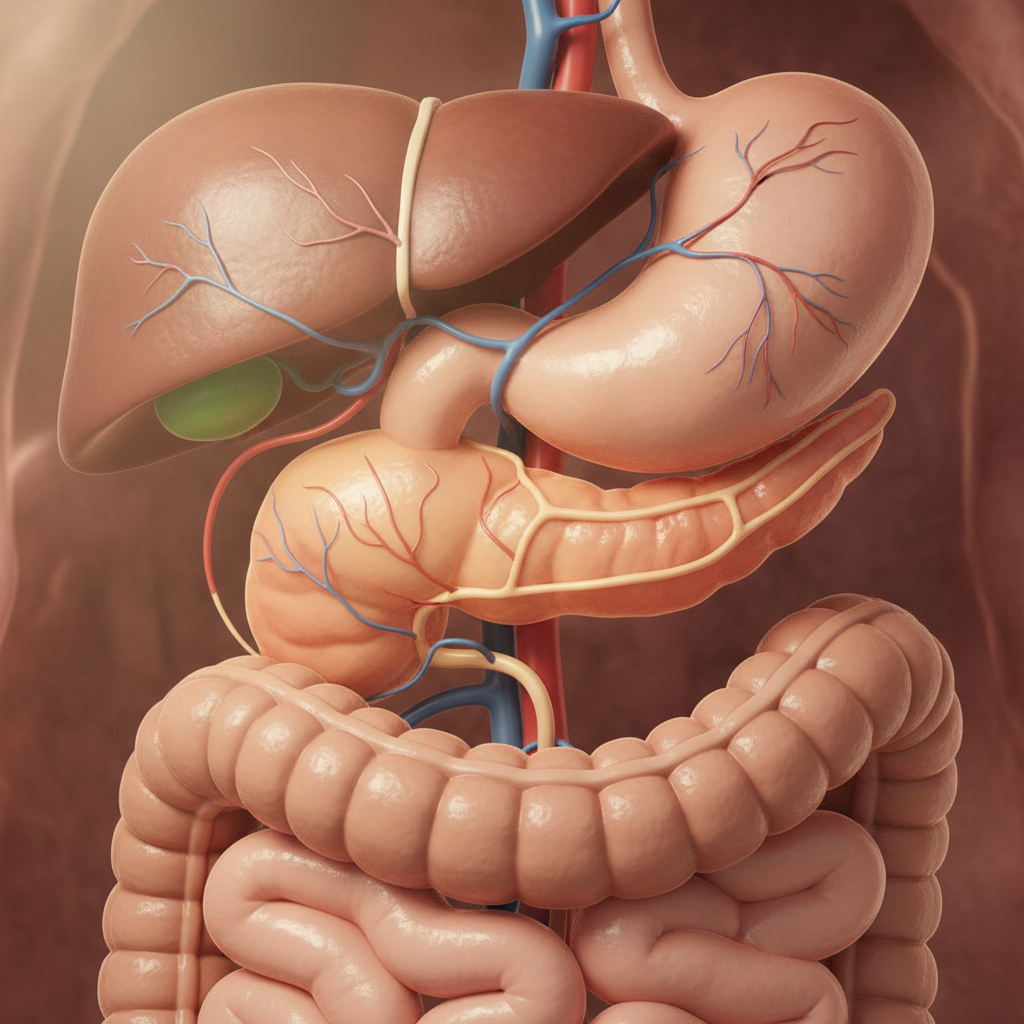
Staging frequently involves a review of all previous imaging and sometimes additional scans like a PET scan, which uses a radioactive tracer to detect active cancer cells throughout the body [3]. The multidisciplinary team will then classify the cancer into stages, typically from Stage 0 (carcinoma in situ) to Stage IV (metastatic cancer) [6]. For localized cancers, surgery might be a primary option. For more advanced stages, chemotherapy, radiation therapy, or a combination of treatments may be considered. Understanding the stage helps predict prognosis and guides conversations about treatment options and clinical trials. For residents of Orange County, finding specialists who work together as a team is paramount in this complex situation.
What Happens After a Pancreatic Cancer Diagnosis?
Receiving a diagnosis can be incredibly challenging. Know that you don't have to face it alone. Your medical team will guide you through the next steps, which typically involve further evaluations and discussions about treatment options.
Multidisciplinary Team Review
Pancreatic cancer care is complex, requiring the expertise of many specialists. After diagnosis, your case will likely be reviewed by a multidisciplinary team. This team may include medical oncologists, surgical oncologists, radiation oncologists, gastroenterologists, pathologists, radiologists, and supportive care specialists [2]. In Orange County, leading cancer centers emphasize this collaborative approach to ensure you receive comprehensive, personalized care. They will discuss all aspects of your diagnosis, including the cancer type, stage, and your overall health, to formulate a tailored treatment plan.
Treatment Planning and Options
Based on the staging and the team's review, various treatment options will be discussed. These can include surgery (like the Whipple procedure), chemotherapy, radiation therapy, targeted therapy, immunotherapy, or a combination of these approaches [7]. Clinical trials, which offer access to new and innovative treatments, may also be an option for some patients [6]. You'll have the opportunity to ask questions and participate in decisions regarding your care. Remember, you can always seek a /second-opinion to ensure you feel confident in your treatment pathway.
Supportive Care and Resources
Beyond medical treatment, supportive care plays a vital role. This includes managing symptoms, nutrition, pain control, and emotional support. Many cancer centers, especially those in areas like Newport Beach, offer robust supportive care programs, including patient navigators, social workers, and psychological counseling. Cancer Answers OC is dedicated to connecting you with these vital resources. Remember, our free Ask the Assistant chat (floating bottom-right button) is available 24/7 if you have questions or need instant access to information. If the assistant can't fully answer, it can connect you with live Orange County specialists for further guidance.
Frequently asked questions
What are the earliest signs of pancreatic cancer?
The earliest signs are often subtle and non-specific, making them hard to detect. They can include new onset of unexplained diabetes, persistent mild abdominal or back pain, inexplicable weight loss, or changes in bowel habits. Jaundice (yellow skin/eyes) can be an early sign if the tumor blocks the bile duct [9].
Is there a screening test for pancreatic cancer for the general population?
Currently, there is no routine screening test for pancreatic cancer recommended for the general population due to its rarity and the lack of a highly effective screening method. However, individuals with a strong family history or genetic predisposition may be advised to undergo specialized surveillance programs [5], [9].
How long does the pancreatic cancer diagnosis process typically take?
The timeframe can vary significantly depending on the symptoms, the complexity of the case, and the availability of appointments and test results. From initial doctor visit to confirmed diagnosis, it can range from a few weeks to several months. Delays are often due to the non-specific nature of early symptoms.
What is the most definitive test for pancreatic cancer?
The most definitive test is a biopsy, which involves taking a tissue sample from the suspected tumor and examining it under a microscope (histopathology). While imaging tests like CT or MRI can highly suggest cancer, only a biopsy can confirm the diagnosis [10].
Can newly diagnosed diabetes be a sign of pancreatic cancer?
Yes, new-onset diabetes, especially if you have no typical risk factors (like obesity or family history), or diabetes that suddenly becomes difficult to control, can sometimes be an early sign of pancreatic cancer. The pancreas produces insulin, and a tumor can impair this function. It's a symptom that warrants further investigation [4].
What role do genetic tests play in pancreatic cancer diagnosis?
Genetic testing might be recommended if there's a strong family history of pancreatic cancer or other related cancers (like breast or ovarian cancer). Identifying certain inherited genetic mutations (e.g., BRCA1/2) can indicate a higher risk for pancreatic cancer and may influence treatment decisions or lead to surveillance for family members [7].
When to call your care team
- If you notice new or worsening symptoms, especially jaundice (yellow skin/eyes).
- If you experience significant, unexplained weight loss.
- If you have persistent, severe abdominal or back pain that doesn't improve.
- If you develop new or uncontrolled diabetes without clear cause.
- If you have questions about your diagnosis or upcoming tests.
- If you're experiencing severe side effects from any ongoing diagnostic procedures.
How Cancer Answers OC can help
Understanding the pancreatic cancer diagnosis process explained here is your first step toward informed decision-making. At Cancer Answers OC, we are committed to providing you with accurate, patient-friendly information and connecting you with top-tier cancer care specialists right here in Orange County. Our network of compassionate experts is dedicated to guiding you through every stage of your journey, from diagnosis to treatment and beyond. Explore our site to /find-specialist, learn about leading /clinical-trials, or simply /contact us to help answer your questions. Don't forget our free Ask the Assistant chat, available 24/7 at the bottom-right of your screen, for instant, private answers and connections to live OC specialists when you need them most.
Related resources
- Don’t Ignore the Whisper: Recognizing the Signs and Symptoms of Ovarian Cancer
- Understanding Melanoma Symptoms: Early Detection is Key
- Understanding Lymphoma Types and Treatment in Irvine: A Caregiver's Guide
- Find a cancer specialist in Orange County
- Get a second opinion
- Insurance and coverage guide
Sources
- Diagnosis of pancreatic cancer - PMC - NIH. URL: https://pmc.ncbi.nlm.nih.gov/articles/PMC2020745/
- Diagnosis and management of pancreatic cancer - PMC. URL: https://pmc.ncbi.nlm.nih.gov/articles/PMC3787168/
- Diagnostic methods for pancreatic cancer and their clinical ... - PMC. URL: https://pmc.ncbi.nlm.nih.gov/articles/PMC12150009/
- Pancreatic Cancer - StatPearls - NCBI Bookshelf. URL: https://www.ncbi.nlm.nih.gov/books/NBK518996/
- Early screening and diagnosis strategies of pancreatic cancer - PMC. URL: https://pmc.ncbi.nlm.nih.gov/articles/PMC8696234/
- Pancreatic Cancer Treatment (PDQ®) - NCI. URL: https://www.cancer.gov/types/pancreatic/hp/pancreatic-treatment-pdq
- Pancreatic cancer - Diagnosis and treatment - Mayo Clinic. URL: https://www.mayoclinic.org/diseases-conditions/pancreatic-cancer/diagnosis-treatment/drc-20355427
- Pancreatic Cancer: Symptoms, Causes & Treatment - Cleveland Clinic. URL: https://my.clevelandclinic.org/health/diseases/15806-pancreatic-cancer
- Pancreatic Cancer Early Detection. URL: https://pancan.org/facing-pancreatic-cancer/diagnosis/early-detection/
- Pancreatic Cancer Diagnosis. URL: https://www.mskcc.org/cancer-care/types/pancreatic/diagnosis