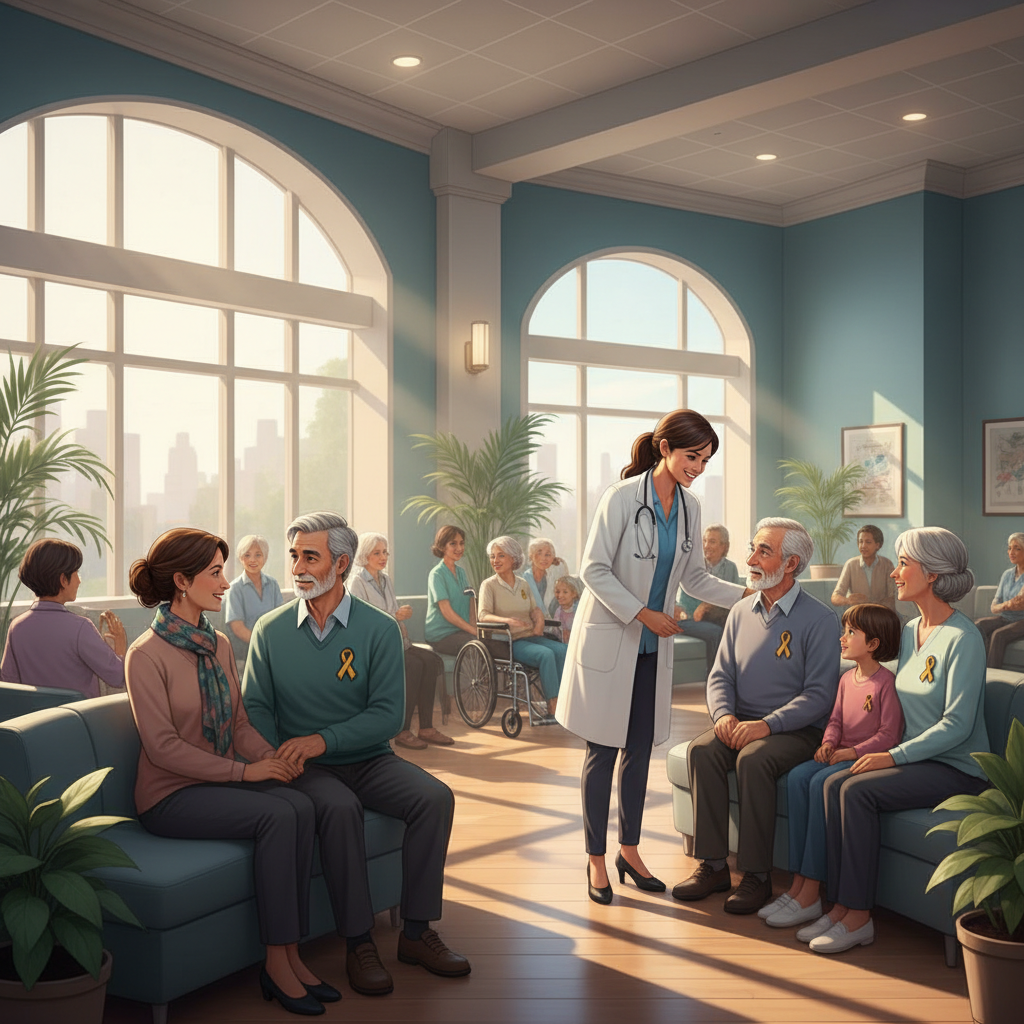
When facing a melanoma diagnosis, especially an advanced one, you might encounter terms like "palliative care" and "hospice." These concepts are often confused, but understanding their distinct roles can profoundly impact your well-being and quality of life. At Cancer Answers OC, we believe in empowering our Newport Beach community with clear, compassionate information so you can make informed decisions about your care journey.
Key takeaways
- Palliative care focuses on symptom relief and quality of life at any stage of melanoma, alongside curative treatment.
- Hospice care is dedicated to comfort and dignity when curative treatment is no longer the goal, typically for a life expectancy of six months or less.
- Early integration of palliative care can improve quality of life and even extend survival for some patients with melanoma.
- Both services offer comprehensive support for patients and families, addressing physical, emotional, and spiritual needs.
- Choosing between palliative and hospice care is a deeply personal decision, best made with your care team and loved ones.
Demystifying Palliative Care for Melanoma
Many patients and even some clinicians mistakenly equate palliative care with giving up or terminal illness [7]. However, palliative care is a proactive approach to improve your quality of life from the moment of diagnosis, running concurrently with your melanoma treatments [8]. It's about living as well as you can, for as long as you can.
What is palliative care?
Palliative care is specialized medical care for people living with a serious illness like melanoma. Its primary goal is to provide relief from the symptoms, pain, and stress of the illness [7]. This care is provided by a specially trained team of doctors, nurses, and other specialists who work with your primary care team to provide an extra layer of support. Whether you're in the early stages of melanoma or dealing with advanced disease, palliative care aims to enhance your comfort and overall well-being. It's often misunderstood, with more than two-thirds of eligible patients not understanding or considering it [8].
Benefits of palliative care for melanoma patients
For those with melanoma, palliative care can address a wide range of concerns. This includes managing pain, fatigue, nausea, anxiety, and depression that can arise from the disease or its treatments. Studies have shown that integrating palliative care early can not only improve quality of life but, in some cases, may even extend survival [2]. It also helps you and your family navigate complex medical decisions and provides emotional and spiritual support. This holistic approach ensures all aspects of your well-being are considered.
When to consider palliative care in Newport Beach
You can elect for palliative care at any point in your melanoma journey, from diagnosis through treatment and beyond. If you or a loved one in Newport Beach are experiencing symptoms, side effects, or emotional distress related to melanoma, it's an excellent time to discuss palliative care with your oncologist. It’s never too early to seek this added layer of support. You can ask your oncology team for a referral or explore options for specialized care through our resources at Cancer Answers OC.
Understanding Hospice Care for Melanoma
Hospice care steps in when the focus shifts from curing the disease to ensuring comfort and dignity during the final stages of life. It is a profound service that provides comprehensive support for both the patient and their family, allowing for peace and quality time together.
What is hospice care?
Hospice care is a specific type of palliative care provided to individuals who are nearing the end of life, typically with a prognosis of six months or less if the illness runs its natural course [9]. At this stage, curative treatments are no longer effective or desired, and the goal becomes maximizing comfort and quality of life. The interdisciplinary hospice team manages pain and symptoms, offers emotional and spiritual support, and provides guidance to the family during this challenging time. Hospice care can be provided in your home, a hospice facility, or other settings.
Eligibility and timing for hospice care
To be eligible for hospice care, a doctor must certify that a patient has a life-limiting illness with a prognosis of six months or less [9]. This doesn't mean that care stops if a person lives longer than six months; they can continue to receive hospice care as long as they meet the criteria. The decision to transition to hospice is a deeply personal one, often made in consultation with family, your medical team, and spiritual advisors. It represents a shift in focus towards comfort and living fully in the time remaining.
The comprehensive support of hospice
Hospice care involves a team approach, including doctors, nurses, social workers, spiritual counselors, and volunteers, all working together to support the patient and their family. This team addresses physical symptoms, offers psychological and spiritual counseling, and provides practical support like help with daily tasks [10]. Family members also receive bereavement support after their loved one passes. The aim is to create an environment where the patient feels safe, comfortable, and respected, surrounded by love and professional care.
Palliative Care vs. Hospice Melanoma: Key Differences
While both palliative care and hospice care prioritize comfort and quality of life, their timing, goals, and eligibility criteria are distinct. Understanding these differences is crucial for making informed decisions about your melanoma treatment journey.
Timeline and prognosis
The most significant difference lies in the timeline. Palliative care can be introduced at any stage of melanoma, from diagnosis onward. It runs parallel to active treatments like chemotherapy, radiation, or immunotherapy, aiming to alleviate symptoms and improve quality of life throughout the process [7]. Hospice care, on the other hand, is generally reserved for individuals with a prognosis of six months or less, marking a decision to no longer pursue curative treatments [9].
Treatment goals
With palliative care, the primary goal is improving comfort and managing symptoms while still pursuing aggressive treatments to slow, stop, or cure melanoma. For example, a patient receiving targeted therapy for advanced melanoma might also receive palliative care to manage treatment side effects or pain [1]. In hospice, the focus shifts entirely to comfort care. The goal is no longer to treat the melanoma itself, but to alleviate pain and symptoms to ensure the highest possible quality of life in the time remaining. This might involve discontinuing certain treatments that cause more discomfort than benefit.
Care settings and services
Palliative care can be provided in various settings, including hospitals, outpatient clinics, and even at home. It's an integrated service that works with your existing oncology team. Hospice care can also be provided in many locations—at home, in a dedicated hospice facility, or in hospitals or nursing homes [10]. Regardless of the setting, the hospice team ensures around-the-clock support and care. Both offer comprehensive services, but hospice typically involves more frequent, intensive home visits and equipment provision to maximize comfort.
The Role of Communication and Advance Care Planning
Navigating a melanoma diagnosis, especially an advanced one, requires open and honest communication with your loved ones and healthcare team. Planning for future care ensures your wishes are known and respected, allowing you to maintain control over your medical journey.
Talking with your care team
It's essential to have candid discussions with your oncologist and other healthcare providers about your prognosis, treatment options, and quality of life goals. Don't hesitate to ask questions about how palliative care can be integrated into your current treatment plan, or when it might be appropriate to consider hospice. Your team in Newport Beach, including specialists found via our /find-specialist tool, is there to guide you through these conversations. Remember, our free Ask the Assistant chat is also available 24/7 for instant, private answers to your questions, with live OC specialists ready to help when needed.
Advance directives and living wills
Advance directives, such as a living will or a durable power of attorney for healthcare, allow you to document your preferences for medical treatment. These legal documents ensure that your wishes are honored even if you become unable to communicate them yourself. Discussing these with your family and doctors ahead of time can alleviate stress and ensure your care aligns with your values. It’s an act of self-advocacy and peace of mind.
Family involvement and support
Your family plays a crucial role in your care journey, and their involvement in discussions about palliative and hospice care is invaluable. These services also extend support to caregivers, offering counseling, respite care, and resources to help them cope with the emotional and practical demands of caring for a loved one with melanoma [10]. Ensuring a strong support system benefits everyone involved.
In-depth look
Choosing the right path for your care is a deeply personal process, influenced by your values, beliefs, and the specifics of your melanoma diagnosis. Both palliative care and hospice are designed to provide comfort and dignity, but they serve different phases of your journey. Palliative care can be a companion to curative treatments, offering a buffer against symptoms and stress. Hospice care steps in when the focus shifts entirely to maximizing comfort and making every moment count. Think of palliative care as a wide umbrella covering symptom relief throughout your illness, while hospice is a specific type of care under that umbrella, focused on comfort at life's end. The goal for both is to empower you to live your best possible life, no matter the stage of your illness.

Frequently asked questions
Can I receive palliative care and curative treatment for melanoma at the same time?
Yes, absolutely. Palliative care can be provided alongside active treatments for melanoma, such as chemotherapy, radiation, or immunotherapy. Its aim is to improve your quality of life by managing symptoms and side effects, making your curative treatments more tolerable [7].
If I choose hospice care, can I change my mind and resume curative treatments?
Yes, you can. Enrollment in hospice care is not permanent [9]. If your condition improves, or if you decide you want to pursue curative treatments again, you can revoke your hospice election at any time. You can also re-enroll in hospice later if needed.
How is palliative care different from supportive care?
While often used interchangeably, palliative care is a specific type of supportive care delivered by a specialized team to address complex symptom management and psychosocial needs [7]. Supportive care is a broader term that encompasses any treatment aimed at preventing or treating symptoms or side effects of cancer and its treatment, which could include palliative care, nutrition, physical therapy, and more.
Does insurance cover palliative care and hospice services?
Most private insurance plans, Medicare, and Medi-Cal cover palliative and hospice care services, though coverage specifics can vary [5]. It's crucial to check with your insurance provider about your benefits. The Cancer Answers OC team can help you navigate these questions or connect you with financial navigators.
Are there options for integrative therapies within palliative or hospice care for melanoma in Newport Beach?
Many palliative and hospice programs, especially in areas like Newport Beach, incorporate integrative therapies such as acupuncture, massage, music therapy, and spiritual counseling to enhance comfort and well-being [4]. Discuss these options with your care team to see what's available and suitable for your needs.
When to call your care team
- You are experiencing new or worsening pain, nausea, fatigue, or other distressing symptoms related to your melanoma or its treatment.
- You feel overwhelmed, anxious, or depressed about your melanoma diagnosis or prognosis.
- You have questions about your treatment plan or would like to discuss your care goals for the future.
- You are struggling with daily activities or quality of life due to your illness.
- You or your family need emotional, spiritual, or practical support related to your melanoma journey.
- You are considering a second opinion about your melanoma diagnosis or treatment options, which you can explore on our
/second-opinionpage.
How Cancer Answers OC can help
Understanding advanced melanoma and your care options can be overwhelming, but you don't have to navigate it alone. Cancer Answers OC is dedicated to providing clear, evidence-based resources for the Newport Beach cancer community.
We can help you connect with top oncologists and palliative care specialists in Orange County. Our /contact page offers various ways to reach out, or you can use our /for-physicians/refer portal for professional referrals. We encourage you to utilize our free Ask the Assistant chat, available 24/7 on the bottom right of your screen. It offers instant, private assistance and can connect you with live OC specialists when you need more personalized guidance. Our goal is to ensure you feel supported, informed, and empowered every step of the way.
Related resources
- Don’t Ignore the Whisper: Recognizing the Signs and Symptoms of Ovarian Cancer
- Understanding Melanoma Symptoms: Early Detection is Key
- Understanding Lymphoma Types and Treatment in Irvine: A Caregiver's Guide
- Find a cancer specialist in Orange County
- Get a second opinion
- Insurance and coverage guide
Sources
- Cancer in public figures, 2010-2020 - PMC - NIH. https://pmc.ncbi.nlm.nih.gov/articles/PMC12836793/
- Integrating Academic and Community Cancer Care and Research ... https://pmc.ncbi.nlm.nih.gov/articles/PMC7825796/
- Evidence of Disparities Among Ethnicity Groups - NCBI - NIH. https://www.ncbi.nlm.nih.gov/books/NBK219755/
- 2024 International Congress on Integrative Medicine & Health ... https://pmc.ncbi.nlm.nih.gov/articles/PMC11047233/
- CDC.gov, Provider Data - Palliative Care & Hospice. https://data.cdc.gov/api/views/8v6a-z6zq/rows.csv?accessType=DOWNLOAD
- NIH.gov, RePORTER_INST_C_FY2019 - Foundation for Long Term Care. https://report.nih.gov/reportweb/web/displayreport?rId=962&ver=2
- Dr. Blinderman on the Difference Between Palliative Care ... https://www.oncnursingnews.com/view/dr-blinderman-on-the-difference-between-palliative-care-and-hospice-care
- Palliative Care: What Is It Vs. Hospice? https://www.cancercenter.com/integrative-care/palliative-care
- Hospice vs. Palliative Care. https://www.cancer.org/cancer/end-of-life-care/hospice-care/hospice-vs-palliative-care.html
- Palliative Care vs Hospice Care A Clear Guide to Making ... https://honcology.com/blog/palliative-care-vs-hospice-care