
Navigating head and neck cancer treatment brings unique dietary challenges, but optimizing nutrition can significantly improve recovery and quality of life. This guide provides essential strategies and support for caregivers in Tustin to help their loved ones maintain health and strength through every stage. Understanding these nutritional needs is crucial for minimizing side effects and enhancing overall well-being during this demanding time.
Key takeaways
- Prioritize high-calorie, high-protein foods to combat weight loss and maintain muscle mass.
- Manage common side effects like taste changes, dry mouth, and swallowing difficulties with adapted food textures and flavors.
- Work closely with a registered dietitian to create a personalized nutrition plan for the best nutrition during head and neck cancer treatment Tustin.
- Consider nutritional supplements or feeding tubes when oral intake is insufficient to meet caloric needs.
- Stay hydrated with nourishing liquids and avoid foods that can exacerbate oral discomfort.
The Critical Role of Nutrition in Head and Neck Cancer Care
Supporting a loved one through head and neck cancer treatment is an incredibly demanding role, and one of the most significant challenges you'll face is ensuring they receive adequate nutrition. Treatment for head and neck cancers, which often includes surgery, radiation, and chemotherapy, can severely impact eating and swallowing. This impact can lead to weight loss, malnutrition, and a decrease in overall strength, making good nutritional support absolutely vital [1].
Why Nutrition Becomes a Daily Battle
Imagine facing mouth sores so painful that even soft foods feel like sandpaper, or a metallic taste in everything that makes your favorite meals unpalatable. These are just some of the realities for many head and neck cancer patients. The delicate tissues of the mouth, throat, and esophagus are highly sensitive to treatment, leading to side effects that directly interfere with the ability to eat and absorb nutrients [2].
The Caregiver's Nutritional Mission
As a caregiver, your mission is to help your loved one maintain their strength and weight, fight infection, and cope with treatment side effects. This isn't just about offering food; it's about understanding the specific challenges they face and adapting dietary strategies to meet their unique needs. Proper nutrition can significantly improve treatment outcomes and enhance their quality of life throughout this journey [3].
Understanding Treatment Side Effects and Their Nutritional Impact
Head and neck cancer treatments are designed to target cancer cells, but they often affect healthy cells too, particularly those in the digestive tract. These side effects can range from uncomfortable to severely limiting, making eating healthy during head and neck cancer a complex task.
Common Side Effects Affecting Eating
One of the most common and distressing side effects is mucositis, which causes painful inflammation and sores in the mouth and throat. Radiation therapy can also lead to xerostomia, or severe dry mouth, making chewing and swallowing difficult, and dysgeusia, an altered sense of taste [5]. These issues combined can turn eating from a pleasure into a painful chore.
The Vicious Cycle of Malnutrition
When a patient can't eat enough, they risk malnutrition, which weakens the immune system, reduces the body's ability to heal, and can even lead to treatment delays or interruptions [5]. It's a vicious cycle: poor nutrition leads to worse side effects, which further reduce food intake. Breaking this cycle with proactive nutritional strategies is key.
Essential Nutritional Strategies for Caregivers
Even when eating seems impossible, there are effective strategies you can employ to ensure your loved one receives essential nutrients. These approaches often require creativity, patience, and close collaboration with the medical team.
Prioritizing Calories and Protein
Weight loss and muscle wasting are significant concerns during head and neck cancer treatment. Your primary goal is to provide high-calorie, high-protein foods to counteract these effects. Think small, frequent meals rather than large ones, as they are often easier to tolerate. Start with protein-rich foods when appetite is strongest. Chicken, fish, lean meats, eggs, dairy products, beans, and lentils are excellent choices. Consider adding calorie and protein boosters like powdered milk, protein supplements, or healthy fats (avocado, olive oil) to meals and drinks [3].
Adapting Food Textures and Temperatures
Painful swallowing difficulties are a hallmark of head and neck cancer treatment. This means soft, moist foods are often best. Purees, smoothies, soups, scrambled eggs, well-cooked pasta, and mashed potatoes are usually well-tolerated. Avoid dry, hard, acidic, spicy, or rough foods that can irritate sensitive tissues. Also, experiment with food temperature; some patients find lukewarm or cold foods more soothing than hot ones [6].
Addressing Specific Eating Challenges
Managing the array of side effects requires targeted strategies. No two patients are alike, so continuous observation and adaptation are crucial.
Managing Taste Changes and Dry Mouth
Taste changes can make previously liked foods unappealing. Encourage experimentation with different flavors or marinating foods to enhance their taste. For dry mouth, frequent sips of water or sugar-free liquids are essential. Artificial saliva products or sucking on ice chips can also provide relief. Moistening food with sauces, gravies, or broths can make it easier to swallow [2].
Coping with Nausea and Fatigue
Nausea can be debilitating. Offer bland foods, avoid strong odors, and encourage eating slowly. Small, frequent meals often help more than large ones. For fatigue, pre-prepared meals or easy-to-eat snacks can reduce the effort required for eating. Remember, staying hydrated is paramount, even when appetite is low. The free Ask the Assistant chat, available at the bottom-right of your screen, can offer instant, private advice on managing these symptoms, 24/7.
The Role of Nutritional Support and Feeding Tubes
Sometimes, despite all efforts, oral intake just isn't enough. It's important to understand that using a feeding tube is a supportive measure, not a sign of failure.
When Oral Intake Isn't Enough
When swallowing becomes too painful or impossible, or if significant weight loss occurs despite other interventions, a feeding tube might be recommended. This is a common and often temporary solution to ensure adequate nutrition and prevent further complications. For families seeking specialized care in Orange County, exploring options like those found at our /find-specialist page can connect you with local experts who understand these complex needs.
Understanding Feeding Tubes for Head and Neck Cancer Patients
There are different types of feeding tubes, but a percutaneous endoscopic gastrostomy (PEG) tube is most common for head and neck cancer patients. It's inserted directly into the stomach through the abdominal wall. These tubes allow liquid nutrition, water, and medications to be delivered directly, bypassing the mouth and throat. This can be a vital lifeline, helping patients maintain strength and endure treatment with fewer interruptions [4]. Your medical team will provide detailed guidance on care and usage for feeding tubes head neck cancer patients require.
Collaborating with Your Healthcare Team in Tustin
Your loved one's care team is your most valuable resource. Establishing strong communication and actively seeking their guidance is essential for optimal nutritional management.
Consulting a Registered Dietitian
A registered dietitian (RD) specializing in oncology is an indispensable part of the care team. They can assess specific nutritional needs, provide personalized meal plans, recommend supplements, and help manage side effects with dietary adjustments. Don't hesitate to ask for a referral to an RD, especially one with experience in head and neck cancer. Many RDs in Orange County are skilled in this area.
Communication with Doctors and Nurses
Keep your doctors and nurses informed about any eating difficulties, weight changes, or new side effects. They can offer medical interventions, adjust medications, or refer you to specialists like speech-language pathologists (SLPs) who can help with swallowing exercises. SLPs are critical for managing swallowing issues both during and after treatment.
Beyond Treatment: Long-Term Nutritional Considerations
Nutrition doesn't stop being important once treatment ends. Recovery often involves its own set of challenges, and continued dietary support is crucial.
Rebuilding and Recovering
After treatment, many patients continue to experience swallowing difficulties, dry mouth, and taste changes for an extended period. The focus shifts to gradually reintroducing a wider variety of foods, regaining lost weight, and rehabilitating swallowing function. Patience and persistence are key, along with ongoing support from the dietitian and SLP.
Healthy Eating for Survivorship
Good nutrition remains a cornerstone of overall health and cancer prevention in survivorship. Encourage a balanced diet rich in fruits, vegetables, whole grains, and lean proteins. This supports general well-being and can reduce the risk of recurrence or new cancers. For those in Tustin looking for additional guidance, our /contact page can connect you with local resources and support groups.
Frequently asked questions
How can I make food more appealing for someone with taste changes?
Experiment with different seasonings, marinades, and flavor enhancers. Tart or sour flavors (lemon, lime) sometimes help, but avoid if mouth sores are present. Using plastic cutlery can also reduce a metallic taste. Small, frequent portions can also make meals less daunting.
What are some easy, nutrient-dense snacks I can offer?
Yogurt, cottage cheese, avocado slices, smoothies, pudding, fortified milkshakes, and soft cooked eggs are all good choices. Pre-made nutritional drinks can also provide a quick boost of calories and protein when solid food is difficult.
Is it okay to use nutritional supplements?
Yes, nutritional supplements can be very helpful, especially when appetite is low or oral intake is insufficient. However, always consult with the healthcare team or a dietitian before introducing any supplements to ensure they are appropriate and don't interfere with treatment [4].
How important is hydration during treatment?
Hydration is extremely important. Treatment, especially radiation, can cause dry mouth, which makes it harder to swallow and increases the risk of tooth decay and infection. Encourage frequent sips of water, clear broths, diluted juices, or electrolyte drinks throughout the day.
What if my loved one refuses to eat?
This is a common and frustrating challenge. Try to remain calm and patient. Offer favorite foods in small amounts, focus on liquids if solids are rejected, and communicate with the care team immediately. They can help identify underlying issues and suggest medical interventions, or evaluate the need for alternative feeding methods.
Can herbal remedies help with nutrition or side effects?
While some patients might explore herbal remedies, it's crucial to discuss any supplements or alternative treatments with the oncology team first. Some can interfere with cancer treatments or cause adverse side effects [1]. Safety is paramount.
When to call your care team
- Significant, unexplained weight loss (more than 5% in a month).
- Inability to eat or drink anything for 24 hours or more.
- Severe or worsening pain when eating or swallowing.
- Persistent nausea, vomiting, or diarrhea that prevents food intake.
- Signs of dehydration (decreased urination, dizziness, lethargy).
- Concerns about a feeding tube or issues with its care.
- Any new or worsening symptoms related to eating or digestion.
How Cancer Answers OC can help
At Cancer Answers OC, we understand the immense challenges caregivers face, especially when it comes to ensuring the best nutrition during head and neck cancer treatment Tustin. We connect you with local oncology specialists and registered dietitians who can provide crucial support and personalized plans. Whether you need a /second-opinion on a nutrition plan or guidance on managing difficult side effects, our network is here to help.
Our website offers valuable resources and insights, and our commitment to the Orange County community means you have access to local experts dedicated to your loved one's well-being. Don't hesitate to utilize our free Ask the Assistant chat, located conveniently at the bottom-right of your screen. It offers instant, private support and answers 24/7, with live specialists in Orange County available for more complex needs. We are your partners in navigating this journey, ensuring your loved one receives comprehensive, compassionate care.
In-depth look
The Science Behind Swallowing Difficulties
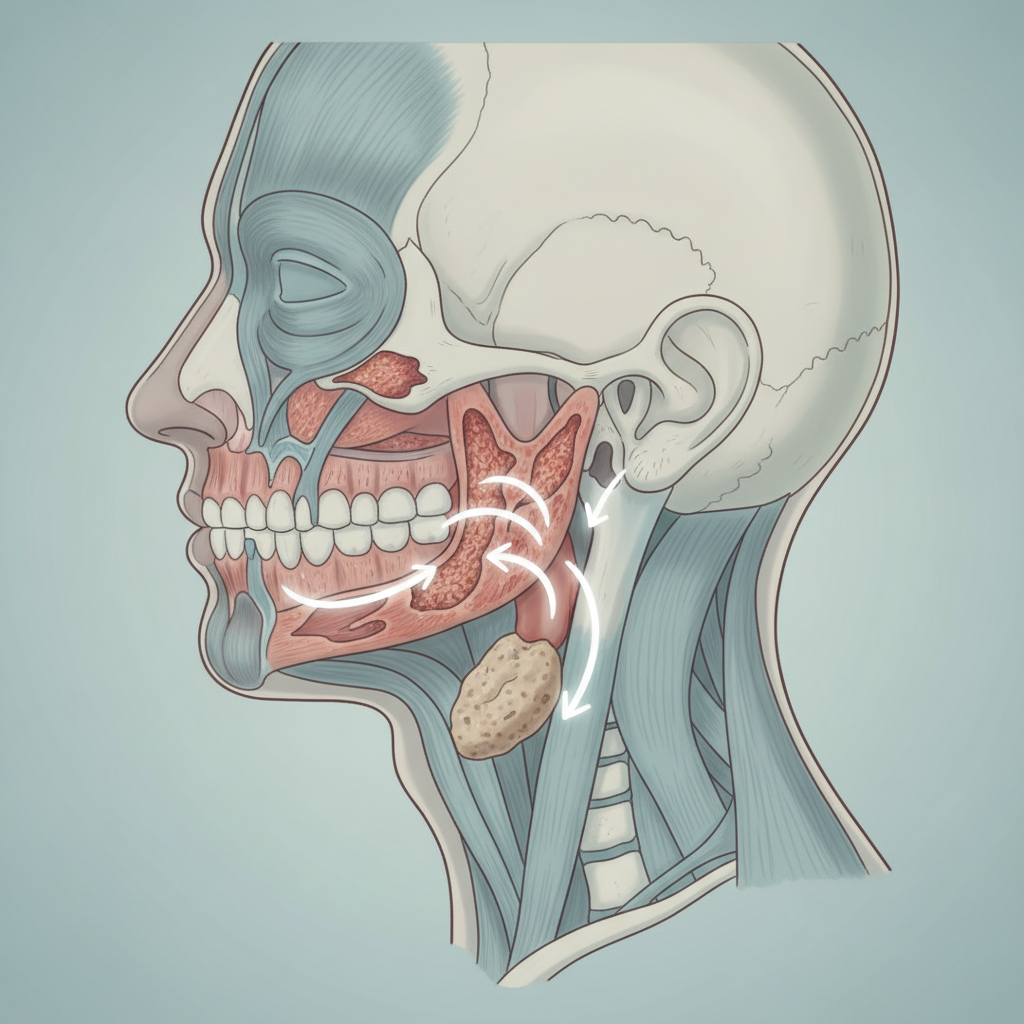
Radiation therapy to the head and neck can damage the salivary glands, leading to severe dry mouth (xerostomia), which significantly impairs the natural lubrication needed for swallowing. It can also cause fibrosis (scarring) and inflammation in the muscles and tissues of the pharynx and larynx, making the coordinated muscular movements required for a safe swallow difficult and painful. This can lead to dysphagia, where food or liquid may enter the airway (aspiration), increasing the risk of pneumonia. This complex interplay of effects highlights why swallowing difficulties head neck cancer diet considerations are so critical.
Nutritional Impact on Treatment Efficacy
Good nutrition isn't just about comfort; it directly impacts the effectiveness of cancer treatment. Patients who maintain their nutritional status are better able to tolerate the aggressive nature of chemotherapy and radiation. Studies indicate that malnutrition can lead to reduced treatment response rates, increased treatment side effects, and a higher risk of complications and infections [5]. By proactively managing nutrition, caregivers play a direct role in supporting the treatment's success.
Psychological Aspects of Eating Challenges
The inability to eat normally can have a profound psychological impact, leading to frustration, anxiety, and depression for both the patient and caregiver. Eating is often a social activity, and being unable to participate can lead to feelings of isolation. Recognizing and addressing these emotional aspects is as important as the physical challenges. Family support and professional counseling can be invaluable in navigating these feelings, alongside practical dietary adjustments.
Related resources
- Dietary Advice for Anemia During Cancer Treatment: A Guide for Patients in Orange County
- Nourishing Your Body: The Best Diet During Pancreatic Cancer Treatment
- Nourishing Recovery: Essential Nutrition for Colorectal Cancer Patients in Fullerton
- Find a cancer specialist in Orange County
- Get a second opinion
- Insurance and coverage guide
Sources
- Nutrition | Head & Neck Cancer Alliance. URL: https://www.headandneck.org/nutrition/
- Diet and Nutrition During Head and Neck Cancer Treatment. URL: https://www.mskcc.org/cancer-care/patient-education/diet-and-nutrition-during-head-and-neck-cancer-treatment
- Nutrition During Cancer Treatment: Tips for Maintaining Your Health. URL: https://ocroc.net/news/nutrition-during-cancer-treatment-tips-for-maintaining-your-health/
- Getting Proper Nutrition During Head and Neck Cancer Treatment. URL: https://www.cedars-sinai.org/content/dam/cedars-sinai/programs-and-services/cancer/documents/32002-can-pfsp-nutrition-for-head-neck-cancer.pdf
- Nutrition Tips for Patients Receiving Head and Neck Radiation ... URL: https://www.ucsfhealth.org/health-articles/nutrition-tips-for-patients-receiving-head-and-neck-radiation-therapy
- Nutrition During Treatment for Head and Neck Cancer | OncoLink. URL: https://www.oncolink.org/support/nutrition-and-cancer/during-and-after-treatment/nutrition-during-treatment-for-head-and-neck-cancer