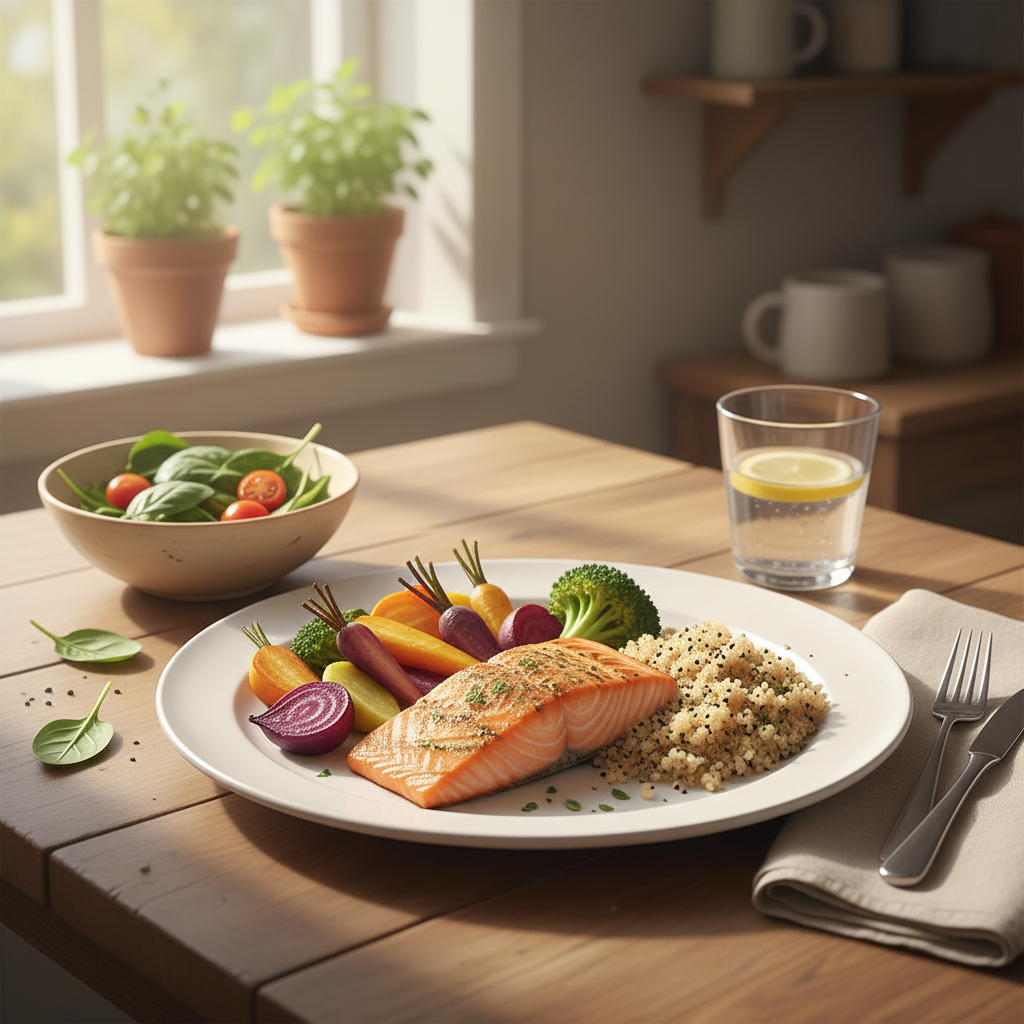
Navigating diet during pancreatic cancer treatment can feel overwhelming, but it's a vital part of your healing journey. Focusing on nutrient-rich foods and managing digestion can significantly improve your quality of life and treatment effectiveness. This guide offers practical advice and strategies to help you nourish your body optimally.
At a glance
| Detail | Summary |
|---|---|
| Topic | best diet during pancreatic cancer treatment |
| Who it is for | Patients and families |
| Area served | Orange County, California |
| Category | nutrition |
| Reading time | About 9 minutes |
| Cited sources | 6 |
| Last reviewed | 2026-06-01 |
Key takeaways
- Prioritize small, frequent, nutrient-dense meals to combat common digestive issues.
- Pancreatic enzyme replacement therapy (PERT) is crucial for many patients to properly digest food.
- Focus on easily digestible foods high in protein and healthy fats to maintain weight and energy.
- Consult with a registered dietitian-oncology specialist for a personalized nutrition plan.
- Stay hydrated and manage treatment side effects like nausea and fatigue with dietary adjustments.
Understanding the Nutritional Challenges of Pancreatic Cancer
Pancreatic cancer and its treatments often bring unique nutritional challenges. The pancreas plays a crucial role in digestion, and when it's affected by cancer, your body's ability to break down and absorb nutrients can be severely impacted [4]. This can lead to significant weight loss and malnutrition, making it harder to cope with treatment.
The Pancreas and Digestion
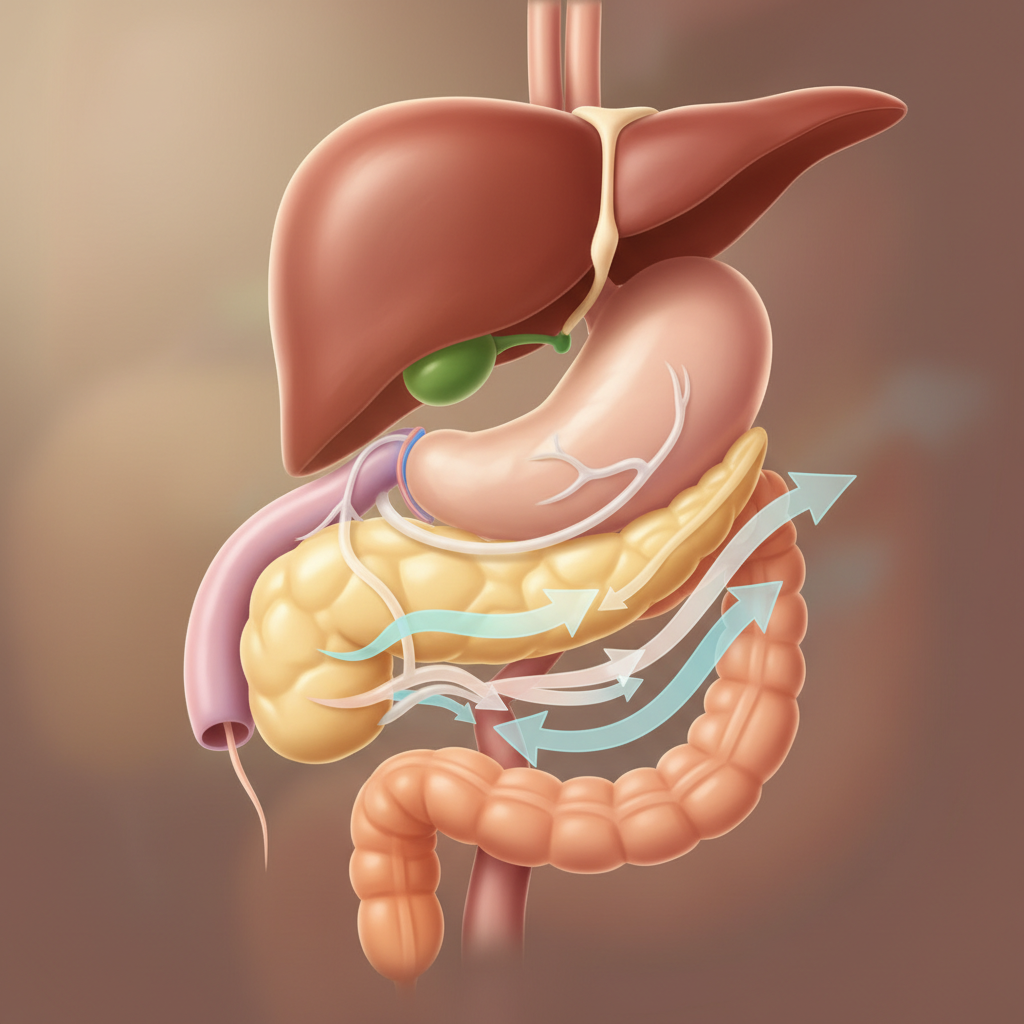
The pancreas produces enzymes essential for digesting fats, proteins, and carbohydrates. Pancreatic cancer can disrupt this process. Tumors can block the pancreatic duct, preventing enzymes from reaching your small intestine. This often results in malabsorption, meaning your body doesn't get the nourishment it needs from the food you eat.
Impact of Treatment on Nutrition
Chemotherapy, radiation, and surgery for pancreatic cancer can cause side effects that further complicate eating. Nausea, vomiting, changes in taste, appetite loss, and fatigue are common. These side effects can make it difficult to consume enough calories and nutrients, leading to further weight loss and weakness.
Core Principles of the Best Diet During Pancreatic Cancer Treatment
Eating well is a powerful way to support your body during this challenging time. The goal is to maximize nutrient absorption, maintain weight, boost energy, and manage treatment side effects. This involves a personalized approach, often guided by your healthcare team.
Prioritizing Nutrient-Dense Foods
Focus on foods that pack a lot of nutritional value into smaller portions. Think lean proteins like chicken, fish, eggs, and tofu, as well as easy-to-digest carbohydrates such as white rice, peeled potatoes, and well-cooked fruits and vegetables. Healthy fats from avocados, olive oil, and nuts (if tolerated) are also important calorie sources [1].
Small, Frequent Meals
Instead of three large meals, aim for 5-6 smaller meals and snacks throughout the day. This can be easier on your digestive system and help you take in more calories and nutrients without feeling overly full or nauseous. Keep healthy snacks readily available, like yogurt, puddings, or smoothies.
Managing Weight Loss and Malabsorption
One of the most pressing concerns for individuals with pancreatic cancer is unintentional weight loss. This can significantly impact your strength, recovery, and overall prognosis. Addressing malabsorption is key to reversing this trend.
The Role of Pancreatic Enzyme Replacement Therapy (PERT)
Many pancreatic cancer patients require Pancreatic Enzyme Replacement Therapy (PERT). These are prescription medications containing the enzymes your pancreas would normally produce. Taking PERT with meals and snacks helps your body digest food more effectively, reducing symptoms like bloating, gas, diarrhea, and maximizing nutrient absorption [5]. Your doctor will determine the correct dosage based on your symptoms and what you eat.
Strategies to Combat Weight Loss
Beyond PERT, consider incorporating high-calorie, high-protein foods into your diet. This might include adding gravies, sauces, butter, or olive oil to meals, or opting for protein shakes and nutritional supplements between meals. It's about making every bite count. Some patients find that liquid nutritional supplements are easier to tolerate and provide essential calories and protein when solid food is difficult.
Foods to Eat and Foods to Avoid
Making informed food choices can significantly improve your comfort and nutritional status. The best diet during pancreatic cancer treatment often involves a blend of easily digestible, calorie-rich, and nutrient-dense options.
Recommended Foods for Easy Digestion
Focus on gentle foods that are less likely to irritate your digestive system. These include:
- Lean Proteins: Chicken, fish, tofu, eggs, low-fat dairy.
- Cooked Vegetables: Well-steamed, boiled, or baked vegetables (e.g., carrots, green beans, spinach, zucchini) – raw vegetables can be harder to digest.
- Refined Grains: White rice, white bread, pasta. Whole grains might be too high in fiber and difficult to process for some, though your dietitian may advise on specific types if tolerated.
- Healthy Fats (in moderation): Avocados, olive oil, small amounts of nut butters.
- Soft Fruits: Bananas, melon, applesauce, canned peaches without heavy syrup.
Foods to Limit or Avoid
Certain foods can exacerbate digestive issues and should be limited or avoided. These often include:
- High-Fat Foods: Fried foods, greasy meats, full-fat dairy, rich desserts. These are difficult for a compromised pancreas to digest, even with PERT.
- Spicy Foods: Can irritate the digestive tract.
- High-Fiber Foods: Raw vegetables, fruit skins, nuts, seeds, tough meats. While healthy, they can be challenging for digestion during treatment.
- Alcohol and Caffeine: Can dehydrate and irritate the digestive system.
- Sugary Drinks and Processed Foods: Offer little nutritional value and can lead to energy crashes.
In-depth look
Understanding how your body processes nutrients, and specifically how pancreatic dysfunction impacts this, empowers you to make better dietary choices. Your pancreas delivers digestive juices to the small intestine through a duct. When a tumor blocks this duct, the body struggles to break down food, leading to severe nutritional deficiencies [6].
Hydration and Supplemental Support
Staying well-hydrated is crucial, especially when dealing with treatment side effects like diarrhea or vomiting. Water, unsweetened clear broths, and electrolyte-rich drinks are good choices. Sometimes, oral nutritional supplements (like liquid meal replacements) are recommended to ensure you meet your caloric and protein needs when food intake is low. Your oncology dietitian in Orange County can help you choose the right ones. Don't hesitate to use our free Ask the Assistant chat to connect with specialists.
Customized Nutrition Plans: Your Best Defense
Because each person's experience with pancreatic cancer is unique, a one-size-fits-all diet doesn't exist. Working with a registered dietitian specializing in oncology is pivotal. They can assess your individual needs, monitor your digestion, adjust PERT dosages, and create a personalized eating plan that supports your treatment goals and improves your quality of life. This tailored approach is often the best diet during pancreatic cancer treatment for your specific situation. If you're looking for support, consider exploring our /second-opinion options or connecting with a specialist via /find-specialist.
Coping with Treatment Side Effects Through Diet
Treatment side effects are common, but dietary adjustments can often help alleviate discomfort and improve your ability to eat and nourish yourself.
Nausea, Vomiting, and Appetite Loss
When nausea strikes, try bland, easy-to-digest foods like toast, crackers, applesauce, or plain rice. Avoid strong-smelling foods and eat in a well-ventilated area. Small, frequent meals are particularly helpful. For appetite loss, focus on high-calorie, high-protein snacks. Eating at times when you feel best, even if it's not a traditional mealtime, can make a difference [4].
Diarrhea and Constipation
Diarrhea can be managed by avoiding greasy, spicy, and high-fiber foods. Focus on soluble fiber sources like oats, bananas, and white rice. Staying hydrated is also key. For constipation, increasing fluids and gradually introducing more soluble fiber (if tolerated) can help. Your doctor might also recommend stool softeners. It’s always best to discuss these symptoms with your care team.
Frequently asked questions
What food should I avoid with pancreatic cancer?
You should generally avoid high-fat foods, fried foods, excessive spices, alcohol, caffeine, and raw or high-fiber vegetables that can be hard to digest. Your dietitian can provide a personalized list based on your tolerance [3].
Can diet truly impact pancreatic cancer treatment outcomes?
Yes, good nutrition is critical. Maintaining a healthy weight and obtaining adequate nutrients can improve your strength, energy, and ability to tolerate treatments, potentially leading to better outcomes and quality of life [1, 2].
How important are pancreatic enzyme supplements in my diet?
Pancreatic enzyme replacement therapy (PERT) is extremely important for most pancreatic cancer patients. It helps your body digest fats, proteins, and carbohydrates, preventing malnutrition, reducing digestive symptoms, and ensuring you get adequate nutrients from your food [5].
Should I follow a specific cancer diet, like keto or vegan?
While some diets are studied for cancer prevention, during active pancreatic cancer treatment, the priority is often nutrient and calorie intake. Strict or restrictive diets like keto or vegan can be difficult to maintain and may lead to further weight loss. Always discuss any significant dietary changes with your oncology team or dietitian [2].
How often should I see a dietitian during my treatment?
Ideally, you should have an initial consultation with a registered dietitian specializing in oncology soon after diagnosis. Regular follow-up appointments, perhaps monthly or as needed, are recommended to adjust your plan based on treatment changes and symptoms. Many patients in Orange County benefit from this ongoing support.
When to call your care team
- Unintended weight loss of 5% or more in a month.
- Persistent nausea, vomiting, or diarrhea that prevents you from eating or drinking.
- New or worsening abdominal pain after eating.
- Changes in bowel habits, such as greasy, foul-smelling stools.
- Difficulty swallowing or severe loss of appetite.
- Any new symptoms or concerns about your diet and nutrition.
How Cancer Answers OC can help
At Cancer Answers OC, we understand the profound impact that nutrition has on your pancreatic cancer journey. Our network of experienced oncology dietitians in Orange County specializes in creating personalized meal plans to support you through treatment, manage side effects, and optimize your overall well-being. We can connect you with local experts who will work closely with your medical team to ensure the best diet during pancreatic cancer treatment for your unique needs.
We are committed to empowering you with evidence-based information and compassionate care. Speak with a specialist or find a registered dietitian today through our /contact page. For immediate, private answers to your questions, don't forget to utilize our free Ask the Assistant chat, available 24/7, linking you to live OC specialists when needed.
Related resources
- Dietary Advice for Anemia During Cancer Treatment: A Guide for Patients in Orange County
- Optimizing Nutrition During Head and Neck Cancer Treatment in Tustin
- Nourishing Recovery: Essential Nutrition for Colorectal Cancer Patients in Fullerton
- Find a cancer specialist in Orange County
- Get a second opinion
- Insurance and coverage guide
Sources
Beneficial Diets and Pancreatic Cancer: Molecular Mechanisms and... - https://pmc.ncbi.nlm.nih.gov/articles/PMC8193730/
Integrative medicine and surgery: what are the diet and supplement... - https://pmc.ncbi.nlm.nih.gov/articles/PMC8527423/
Diet and Pancreatic Cancer Prevention - PMC - NIH - https://pmc.ncbi.nlm.nih.gov/articles/PMC4695892/
Nutrition During Cancer - NCI - https://www.cancer.gov/about-cancer/treatment/side-effects/nutrition
Nutritional Interventions in Pancreatic Cancer: A Systematic Review - https://pmc.ncbi.nlm.nih.gov/articles/PMC9101959/
Nutrition in Pancreatic Diseases: A Roadmap for the... - PMC - NIH - https://pmc.ncbi.nlm.nih.gov/articles/PMC10836866/