
Caring for someone with ovarian cancer means supporting them in every way, and nutrition plays a critical role in their healing journey. This guide offers practical, evidence-based advice for caregivers on how to provide optimal nutrition to help manage treatment side effects and promote overall well-being. Understanding their unique dietary needs during this challenging time can significantly impact their strength, recovery, and overall quality of life.
At a glance
| Detail | Summary |
|---|---|
| Topic | nutrition for ovarian cancer patients |
| Who it is for | Caregivers and family |
| Area served | Orange County, California |
| Category | nutrition |
| Reading time | About 11 minutes |
| Cited sources | 6 |
| Last reviewed | 2026-06-01 |
Key takeaways
- Individualized Nutrition is Key: There's no one-size-fits-all diet for ovarian cancer; nutritional needs vary greatly based on treatment, side effects, and individual health [7].
- Prioritize Nutrient-Dense Foods: Focus on whole foods like fruits, vegetables, lean proteins, and whole grains to provide essential vitamins, minerals, and energy [5].
- Manage Treatment Side Effects with Food: Specific dietary adjustments can help alleviate common issues like nausea, fatigue, appetite loss, and changes in bowel habits.
- Stay Hydrated: Adequate fluid intake is crucial for overall health and managing side effects, especially during treatment.
- Consult with Experts: Always work with the patient's medical team, including a registered dietitian, for personalized nutrition guidance.
The Crucial Role of Nutrition in Ovarian Cancer Care
Facing an ovarian cancer diagnosis brings many challenges, and it's natural to feel overwhelmed. As a caregiver, you might wonder what you can do to truly help. One of the most impactful areas you can influence is nutrition for ovarian cancer patients.
Why Nutrition Matters So Much During Cancer Treatment
Good nutrition is more than just eating; it's about providing the body with the fuel and building blocks it needs to fight disease and recover from intensive treatments. For ovarian cancer patients, maintaining adequate nutrition can strengthen their immune system, help them cope better with therapy, and potentially improve their quality of life [5]. It's about empowering their body to be as resilient as possible.
The Link Between Diet and Ovarian Cancer Outcomes
Research continues to explore the complex relationship between diet and cancer. While no specific diet can cure ovarian cancer, a healthy dietary pattern rich in fruits, vegetables, and whole grains has been associated with better survival rates and reduced risk of recurrence for some cancers [3, 6]. Focusing on a balanced, nutrient-rich diet can be a proactive step in managing their health.
Understanding Nutritional Challenges and Side Effects
Ovarian cancer and its treatments can significantly impact a patient's ability to eat and absorb nutrients. These challenges are often an unavoidable part of the journey, but with careful planning, you can help manage them.
Common Side Effects Affecting Eating
Chemotherapy, radiation, and surgery can lead to various side effects that make eating difficult. Nausea, vomiting, appetite loss, changes in taste and smell, mouth sores, and fatigue are frequently reported [5]. These can understandably discourage eating, making it difficult to get enough calories and nutrients.
The Risk of Malnutrition
Because of these side effects, ovarian cancer patients are at a higher risk of malnutrition, which can lead to weight loss, muscle wasting, and a weakened immune system [2]. Identifying and addressing these issues early is vital. As a caregiver, you are often the first to notice changes in eating habits or weight.
In-depth look
Navigating the daily dietary needs of an ovarian cancer patient calls for a strategic yet adaptable approach. It's about providing comfort and sustenance while also actively supporting their body's fight and recovery.
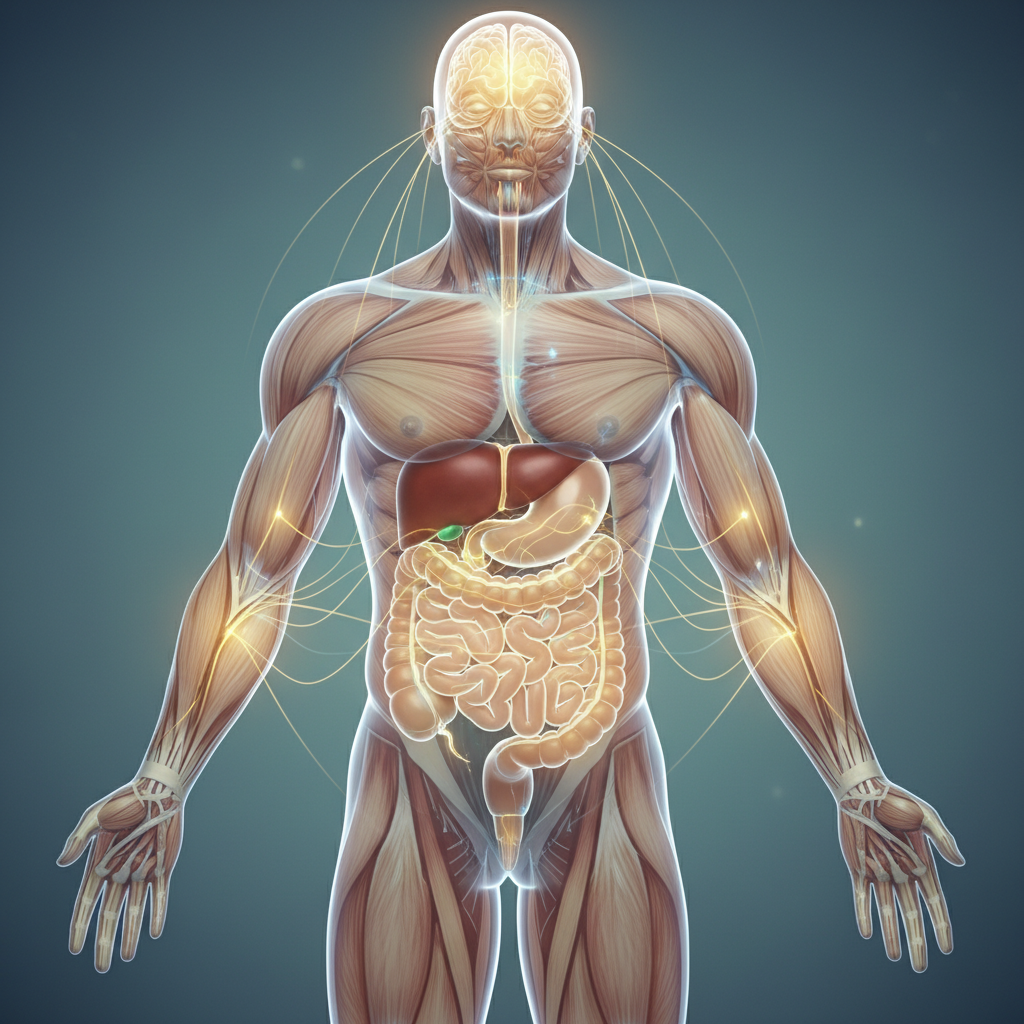
What to Eat During Ovarian Cancer Treatment: Foundations of a Supportive Diet
During treatment, the primary goal is often to maintain weight, prevent muscle loss, and ensure adequate energy intake. This is where a focus on nutrient-dense foods becomes paramount. Think about offering a variety of fruits, vegetables, lean proteins (like chicken, fish, beans, lentils), and whole grains. Healthy fats from sources like avocados, nuts, and olive oil also play an important role in providing concentrated calories and essential nutrients.
Small, frequent meals can be more manageable than large ones, especially if appetite is low or nausea is present [5]. Consider offering nutrient-rich snacks between meals. The free Ask the Assistant chat available on our site (the floating bottom-right button) can offer instant, private guidance on quick, healthy snack ideas.
Best Diet for Ovarian Cancer Recovery: Post-Treatment Nutritional Strategies
Even after active treatment, good nutrition remains crucial for long-term health and recovery. The focus often shifts towards rebuilding strength, managing any lingering side effects, and supporting overall wellness. A plant-forward diet, rich in fiber from diverse fruits, vegetables, and whole grains, is often recommended [3]. Incorporating anti-inflammatory foods like berries, leafy greens, and omega-3 rich fish can also be beneficial in the recovery phase.
Remember, this period is also about restoring energy levels and ensuring the body has all the tools it needs to repair and rejuvenate. If you're looking for specialized advice in Orange County, our /find-specialist page can help you connect with local oncology dietitians.
Practical Dietary Advice for Caregivers
As a caregiver, your efforts in the kitchen and at the dining table can make a significant difference. Your role involves both preparing nourishing meals and being a compassionate observer of their needs.
Foods to Include: Building a Strong Foundation
Focus on offerings that are calorie-rich and easy to digest, yet packed with nutrients. Soft scrambled eggs, creamy soups, smoothies made with fruit and protein powder, fortified milkshakes, and moist, tender cooked meats or fish are all excellent choices. Cooked vegetables are often easier to tolerate than raw ones.
Aim for variety to ensure a broad spectrum of vitamins and minerals. Encouraging foods that are naturally flavorful can also help when taste perception is altered. Remember, even small portions of nutrient-dense options contribute to their overall well-being.
Foods to Avoid with Ovarian Cancer: When to Be Cautious
While there isn't a strict list of forbidden foods, some may aggravate symptoms during treatment. Highly spicy, fatty, or fried foods can worsen nausea, diarrhea, or heartburn [5]. Raw or undercooked foods might pose an infection risk, especially if the patient's immune system is compromised. Excessive amounts of processed foods, refined sugars, and alcohol offer little nutritional value and should be limited. It's also wise to avoid strong-smelling foods if they are triggering nausea.
Managing Side Effects through Nutrition
Many of the challenging side effects of ovarian cancer treatment can be mitigated with thoughtful dietary adjustments. Your attentiveness as a caregiver is invaluable here.
Nausea, Vomiting, and Appetite Loss
For nausea and vomiting, offer bland foods like toast, crackers, plain rice, or baked potatoes. Small, frequent meals are often better tolerated than large ones [5]. Cold or room-temperature foods might be less off-putting than hot, strong-smelling dishes. Encourage sipping on clear liquids like ginger ale (flat), broths, or sports drinks to stay hydrated. For appetite loss, liquid nutrition supplements or smoothies can provide calories and nutrients without feeling too heavy.
Changes in Taste and Smell
These common side effects can make favorite foods unappealing. Experiment with different seasonings and cooking methods. Marinating meats, adding fresh herbs, or using citrus can enhance flavors. Sometimes, trying new foods or serving meals at different temperatures can help. Plastic utensils can reduce a metallic taste [5].
Constipation and Diarrhea
If constipation is an issue, increase fluid intake and gradually introduce high-fiber foods like whole grains, fruits with skin, and vegetables, if tolerated. For diarrhea, focus on low-fiber, bland foods such as white rice, bananas, applesauce, and toast (BRAT diet) [5]. Probiotic-rich foods like yogurt (if dairy is tolerated) might also help restore gut health. Always ensure they are drinking plenty of fluids to prevent dehydration.
Hydration: An Essential Component
Staying adequately hydrated is paramount for ovarian cancer patients, even more so during treatment. It supports all bodily functions and helps manage various side effects.
Why Fluids are So Important
Fluids help the body maintain blood volume, regulate temperature, and transport nutrients. For cancer patients, good hydration can reduce fatigue, prevent constipation, and help flush toxins from medications [5]. It's a simple yet incredibly powerful way to support their overall health.
Tips for Encouraging Fluid Intake
Offer a variety of fluids throughout the day: water, clear broths, diluted juices, herbal teas, and sports drinks (if needed to replenish electrolytes). Keep a water bottle or glass within easy reach. Flavor water with lemon, lime, or cucumber if plain water is unappealing. Popsicles or ice chips can also be a good way to increase fluid intake, especially if mouth sores are present or nausea is an issue.
When to Seek Professional Dietary Support
While this guide provides valuable information, it's crucial to remember that specialized expertise makes a significant difference. As a caregiver, you don't have to carry this burden alone.
The Value of a Registered Dietitian (RD)
A registered dietitian specializing in oncology nutrition can provide personalized guidance tailored to the patient's specific diagnosis, treatment plan, and side effects. They can help create meal plans, recommend nutritional supplements, and offer practical solutions for complex dietary challenges. Their expertise is invaluable in navigating the journey of nutrition for ovarian cancer patients.
Working with the Treatment Team
Always communicate any nutritional concerns or significant changes in eating habits with the patient's entire care team, including their oncologist, nurses, and social workers. They can offer advice, adjust medications, or refer to other specialists. Orange County residents can learn more about resources and support by visiting our /contact page.
Frequently asked questions
How does nutrition affect ovarian cancer treatment side effects?
Nutrition directly impacts how well a patient tolerates treatments like chemotherapy and radiation. Eating well provides the body with the energy and nutrients needed to repair cells, maintain strength, and fight infection, which can help mitigate side effects like fatigue, nausea, and weight loss.
Are there specific foods that fight ovarian cancer?
While no single food can cure or directly fight ovarian cancer, a diet rich in fruits, vegetables, whole grains, and lean proteins provides antioxidants and nutrients that support overall health and potentially enhance the body's natural defense mechanisms [1]. The focus should be on a balanced, varied diet.
Can diet prevent ovarian cancer recurrence?
Research suggests that healthy dietary patterns, particularly those rich in plant-based foods, may be associated with better survival rates and a reduced risk of recurrence for some cancers, including ovarian cancer [3, 6]. However, diet is one factor among many, and genetic, lifestyle, and treatment factors all play roles.
What if the patient has no appetite at all?
When appetite is severely limited, focus on small, frequent servings of calorie-dense and nutrient-rich foods. Liquid nutrition, such as smoothies made with protein powder or prescribed oral nutritional supplements, can be very helpful. Trying different temperatures and textures might also stimulate interest in food. It's also important to discuss this with the care team.
Is it safe to use dietary supplements during ovarian cancer treatment?
Always consult the patient's oncologist and dietitian before introducing any dietary supplements. Some supplements can interact with medications or treatments, potentially reducing their effectiveness or increasing side effects. Personalized guidance is crucial in this area.
How important is hydration for someone with ovarian cancer?
Hydration is extremely important. Adequate fluid intake helps the body process medications, prevent constipation, and manage fatigue and other side effects. Encourage steady sips of water, broths, and other clear liquids throughout the day.
When to call your care team
- Significant unexplained weight loss or gain.
- Persistent nausea, vomiting, or diarrhea that prevents adequate food/fluid intake.
- Inability to eat or drink for more than 24 hours.
- New or worsening mouth sores, difficulty swallowing, or severe pain.
- Signs of dehydration, such as reduced urination, extreme thirst, or dizziness.
- Any new or alarming symptoms related to eating or digestion.
How Cancer Answers OC can help
At Cancer Answers OC, we understand the immense challenges caregivers face. We are committed to providing you with reliable, evidence-based information and connecting you with the best oncological care in Orange County. We believe that informed caregivers lead to better outcomes for patients.
Explore our site for more resources, including local specialists and information on /clinical-trials that might be relevant. Remember, our free Ask the Assistant chat is available 24/7, providing instant, private answers to your questions, with live OC specialists ready to assist when needed. You don't have to navigate this journey alone; we're here to support you every step of the way.
Related resources
- Dietary Advice for Anemia During Cancer Treatment: A Guide for Patients in Orange County
- Nourishing Your Body: The Best Diet During Pancreatic Cancer Treatment
- Optimizing Nutrition During Head and Neck Cancer Treatment in Tustin
- Find a cancer specialist in Orange County
- Get a second opinion
- Insurance and coverage guide
Sources
- Dietary Intake and Ovarian Cancer Risk: A Systematic Review - PMC: https://pmc.ncbi.nlm.nih.gov/articles/PMC4077283/
- Ovarian cancer and malnutrition: a literature review - PMC: https://pmc.ncbi.nlm.nih.gov/articles/PMC12169986/
- Healthy dietary patterns and ovarian cancer risk and survival - PMC: https://pmc.ncbi.nlm.nih.gov/articles/PMC12554572/
- Nutritional Interventions to Improve Clinical Outcomes in Ovarian ...: https://pmc.ncbi.nlm.nih.gov/articles/PMC6627677/
- Nutrition During Cancer - NCI: https://www.cancer.gov/about-cancer/treatment/side-effects/nutrition
- Diet Quality and Survival After Ovarian Cancer - PMC - NIH: https://pmc.ncbi.nlm.nih.gov/articles/PMC4271032/
- Ovarian Cancer Diet | Ovarian Cancer Research Alliance: https://ocrahope.org/news/ovarian-cancer-diet/