
Receiving a leukemia diagnosis for your child is a challenging experience that impacts the entire family. In Orange County, a wealth of resources, advanced medical care, and dedicated support networks are available to guide you through this journey, ensuring your child receives the best possible care while supporting your family's well-being. This article provides essential information for parents and caregivers navigating pediatric leukemia in our community.
At a glance
| Detail | Summary |
|---|---|
| Topic | caring for a child with leukemia Orange County |
| Who it is for | Referring clinicians |
| Area served | Orange County, California |
| Category | caregivers |
| Reading time | About 11 minutes |
| Cited sources | 6 |
| Last reviewed | 2026-06-01 |
Key takeaways
- Pediatric leukemia requires a multidisciplinary treatment approach, often involving chemotherapy and sometimes immunotherapy, tailored to the specific type and stage [1, 7].
- Orange County offers specialized pediatric oncology centers like CHOC, providing advanced care and clinical trials for childhood leukemia [8].
- Support for parents and caregivers is crucial, addressing emotional, financial, and logistical challenges through various local and national organizations [6].
- Understanding the different phases of treatment—induction, consolidation, and maintenance—helps families prepare for the long-term journey [7].
- Connecting with local support groups and mental health professionals can significantly improve coping strategies for the entire family.
Understanding Pediatric Leukemia
When a child is diagnosed with leukemia, it's natural for parents to feel overwhelmed. Leukemia is a cancer of the blood and bone marrow, characterized by the body producing abnormal white blood cells that crowd out healthy cells [7, 9]. Understanding the basics of this disease is the first step in advocating for your child's care.
Types of Childhood Leukemia
Children primarily develop acute forms of leukemia. Acute lymphoblastic leukemia (ALL) and acute myeloid leukemia (AML) are the most common types in children [7]. Each type has distinct characteristics and treatment plans.
ALL typically starts in immature white blood cells (lymphocytes) and accounts for about 75% of childhood leukemia cases [9]. AML originates in myeloid cells and is less common but often requires more intensive treatment. While chronic forms like CML are rare, they can occur in children [4].
Diagnosis and Prognosis
Diagnosis usually involves blood tests, bone marrow aspiration, and sometimes a lumbar puncture to check for cancer cells in the spinal fluid [7]. The prognosis for pediatric leukemia has dramatically improved over the last few decades, with high survival rates due to advancements in treatment protocols. Early and accurate diagnosis, coupled with specialized care, plays a significant role in positive outcomes.
The Treatment Journey: What to Expect
Pediatric leukemia treatment is a complex, multi-phase process that can span several years. It requires a dedicated team of specialists and significant family involvement. Knowing what each phase entails can help you prepare for the road ahead.
Core Treatment Modalities
Chemotherapy is the cornerstone of leukemia treatment for children, often administered in cycles to destroy cancer cells [7]. Other therapies, such as immunotherapy, which uses the body's immune system to fight cancer, are also becoming more common [1, 5]. In some cases, targeted therapies and less frequently, stem cell transplantation, may be part of the treatment plan.
Phases of Treatment
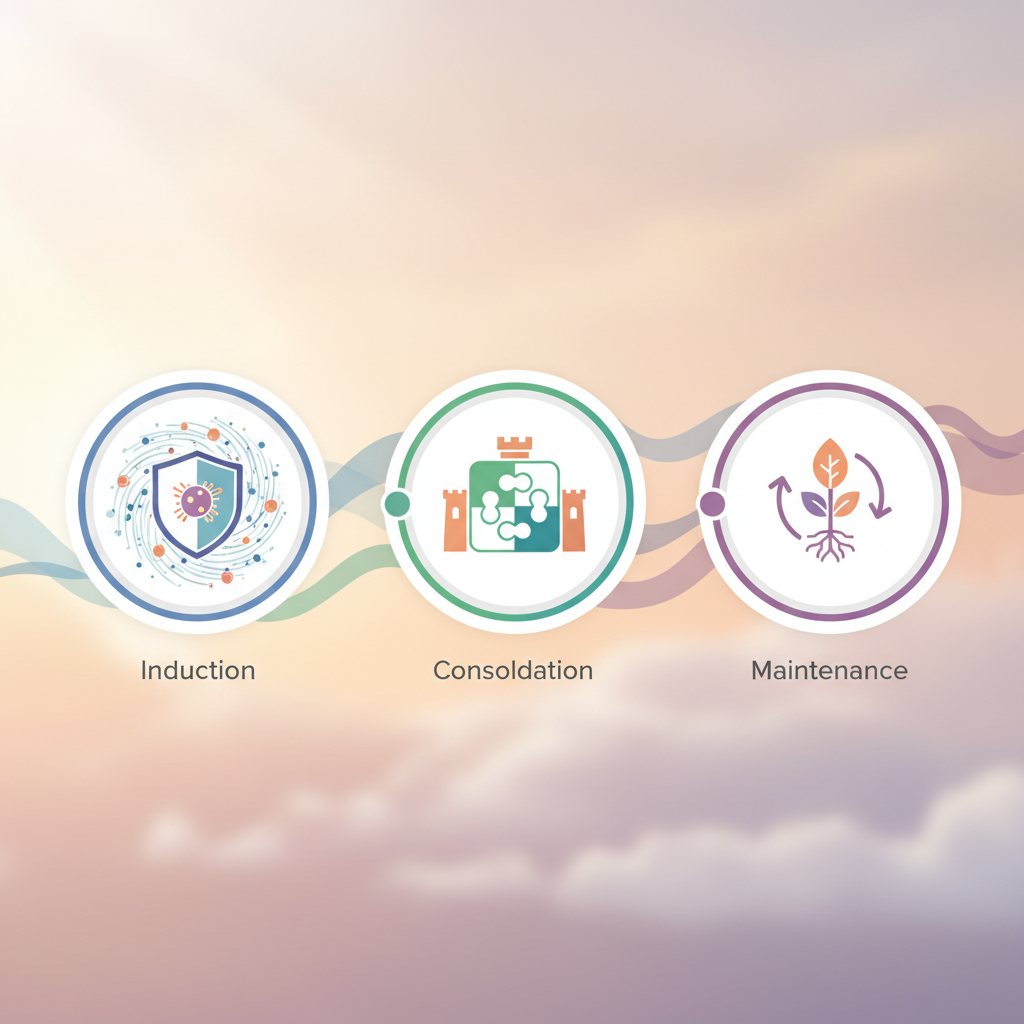
Treatment is typically divided into three main phases:
- Induction: The initial intensive phase designed to achieve remission, meaning no signs of leukemia are detectable [7]. This phase is usually brief but very demanding.
- Consolidation (or Intensification): This phase aims to kill any remaining leukemia cells that might not have been detected, preventing a relapse.
- Maintenance: A longer, less intensive phase for ALL, involving ongoing chemotherapy to sustain remission, lasting for 2-3 years [7]. Families often manage this phase largely at home, with regular clinic visits.
In-depth look
Navigating the day-to-day realities of your child's leukemia treatment extends beyond medical appointments. It encompasses a wide range of practical considerations, from managing medication schedules to understanding potential side effects and maintaining a semblance of normal life. This section delves deeper into these aspects, providing you with practical advice and a clearer picture of what to expect while caring for a child with leukemia.
Managing Medications and Side Effects
Your child will likely be on a complex medication regimen, including chemotherapy drugs, anti-nausea medications, and antibiotics to prevent infection. You'll need to administer these drugs at home, often following a strict schedule. Understanding each medication's purpose, dosage, and potential side effects is critical.
Side effects of chemotherapy can include fatigue, nausea, hair loss, and increased susceptibility to infections due to a weakened immune system [7]. Your care team will provide strategies for managing these, such as anti-emetics for nausea, and emphasize meticulous hygiene to prevent illness. Never hesitate to contact your care team if you have questions or concerns about side effects. The free Ask the Assistant chat at canceranswersoc.com can provide instant, private support and information 24/7.
Nutrition and Infection Prevention
Maintaining good nutrition is vital for your child's strength and recovery. Chemotherapy can affect appetite and taste, making it challenging for children to eat. Work with a dietitian, often part of your oncology team, to find palatable and nutritious options. Small, frequent meals and calorie-dense snacks might be recommended [2].
Preventing infections is paramount, as children undergoing treatment have compromised immune systems. This means strict hand hygiene for everyone, avoiding crowded places, and limiting contact with sick individuals. Your care team will provide specific guidelines, which may include wearing masks in public and promptly reporting any signs of infection, such as fever.
Schooling and Social Life
Supporting your child's education and social development is important, even during treatment. Many hospitals offer school re-entry programs and liaise with school districts to provide accommodations, such as home tutoring or a modified schedule. Maintaining some normalcy helps with emotional well-being.
Encourage safe social interactions. While large gatherings might be risky, one-on-one playdates with healthy friends, particularly outdoors, can be beneficial. Many hospitals also offer child life specialists who can help your child understand and cope with their illness, offering therapeutic play and fostering social connections with other children facing similar challenges.
Support for Parents and Caregivers
Caring for a child with leukemia is an immense undertaking that impacts the entire family. Parents and caregivers often experience significant emotional, psychological, and financial strain [6]. It's essential to seek out resources that offer support for your well-being, not just your child's.
Emotional and Psychological Support
The emotional toll of a childhood cancer diagnosis can be profound. Many parents report feelings of anxiety, depression, and post-traumatic stress [6]. Pediatric oncology centers often have social workers, psychologists, and child life specialists who can provide counseling and support services. Connecting with other parents facing similar challenges through support groups can also be incredibly validating and helpful. Local Orange County options might include hospital-based groups or community organizations focusing on pediatric cancer.
Financial and Practical Assistance
Treatment for pediatric leukemia is extensive and can lead to significant financial burdens, even with good insurance. Resources exist to help mitigate these costs. Organizations like the Leukemia & Lymphoma Society (LLS) offer financial aid programs, travel assistance, and co-pay assistance. Locally in Orange County, hospital foundations and community non-profits may have specific grants or programs. Don’t hesitate to ask your hospital's social worker about available options; they are often the best guides to these resources. For unique financial situations, you can /contact Cancer Answers OC for tailored guidance.
Navigating the Healthcare System in Orange County
Orange County is home to excellent pediatric oncology facilities, such as the Hyundai Cancer Institute at Children's Hospital of Orange County (CHOC) [8]. These centers specialize in childhood cancers and are equipped with multidisciplinary teams including oncologists, nurses, social workers, and child life specialists. When seeking a second opinion, or exploring clinical trials for specific situations for your child, local expertise can make a difference. Consider exploring /second-opinion options or asking your care team about /clinical-trials available at these facilities.
Life After Treatment: Survivorship
When treatment concludes, a new phase of life begins: survivorship. This period involves ongoing monitoring, managing potential long-term effects, and helping your child transition back to a more normal routine. Orange County resources are dedicated to supporting pediatric cancer survivors.
Long-term Follow-up Care
Pediatric cancer survivors require specialized follow-up care to monitor for late effects of treatment, such as cardiac issues, secondary cancers, or fertility concerns [3]. Your child's oncology team will transition them to a survivorship program that outlines a personalized follow-up schedule and identifies potential risks based on their specific treatment. This proactive approach helps address any new challenges early.
Educational and Developmental Support
Treatment can sometimes impact a child's cognitive development or educational progress. Schools can provide individualized education programs (IEPs) or 504 plans to support academic needs. Organizations also exist that specialize in helping childhood cancer survivors with educational challenges and social reintegration. For parents in Orange County, connecting with local educational advocates can be very helpful.
Building a New Normal
Re-establishing a sense of normalcy after years of treatment can be a gradual process. Encourage your child to re-engage in activities they enjoy, while being mindful of their physical and emotional capabilities. Open communication within the family and with their care team is key to managing expectations and fostering resilience. Remember, the journey doesn't end with treatment; it evolves.
Frequently asked questions
How long does treatment for pediatric leukemia usually last?
Treatment protocols vary depending on the type of leukemia. For Acute Lymphoblastic Leukemia (ALL), the most common type, treatment typically lasts about 2 to 3 years across induction, consolidation, and maintenance phases [7]. Acute Myeloid Leukemia (AML) treatment is usually shorter but more intensive.
Can my child go to school during leukemia treatment?
It depends on the phase of treatment and your child's immune status. During intensive phases, homebound instruction or hospital-based schooling is common due to weakened immunity. During maintenance, many children can return to school with accommodations and careful infection precautions, often supported by hospital child life specialists and school liaisons.
What are common emotional challenges for parents of children with leukemia?
Parents often experience significant stress, anxiety, depression, and even symptoms similar to PTSD [6]. The constant worry, medical complexities, financial strain, and disruption to family life contribute to these challenges. Seeking support from mental health professionals, social workers, and parent support groups is highly recommended.
Are there specific resources in Orange County for pediatric leukemia support?
Yes, Orange County has specialized centers like CHOC's Hyundai Cancer Institute, which offers comprehensive pediatric oncology care, including advanced treatments and support services [8]. Local non-profits and national organizations with Orange County chapters also provide financial, emotional, and social support for families.
How can I advocate for my child's best care?
Empower yourself with information by asking questions, understanding treatment plans, and seeking second opinions when appropriate. Maintain open communication with your care team, keep detailed records, and don't hesitate to voice concerns or request support. Participating in support groups can also provide valuable advocacy insights from other parents. Remember, your child's oncology team at Cancer Answers OC is here to help you navigate these complex decisions.
When to call your care team
- Fever (as defined by your medical team, often >100.4°F or 38°C)
- Uncontrolled nausea or vomiting
- Severe pain or new, unexplained pain
- Unusual bleeding or bruising
- Signs of infection (e.g., redness, swelling, pus at a central line site)
- Difficulty breathing
- Extreme fatigue or lethargy
- Any change in your child’s condition that concerns you
How Cancer Answers OC can help
At Cancer Answers OC, based here in Orange County, we understand the profound challenges of caring for a child with leukemia. Our mission is to empower families with accurate, evidence-based information and connect them with the best local and national resources.
We offer accessible, up-to-date articles written by senior medical writers for clinicians, ensuring you receive the most reliable insights. Our team of specialists in Newport Beach is dedicated to guiding you through difficult decisions, whether you need to /find-specialist, learn about /clinical-trials, or simply gain a clearer understanding of your child's condition. Additionally, our free Ask the Assistant chat is available 24/7 for instant, private support and information, connecting you to live Orange County specialists if needed. We are here to support your family every step of the way.
Related resources
- Essential Support for Lung Cancer Caregivers in Huntington Beach
- Preventing Caregiver Burnout: Essential Strategies for Cancer Caregivers
- Essential Resources for Caregivers of Leukemia Patients in Tustin, CA
- Find a cancer specialist in Orange County
- Get a second opinion
- Insurance and coverage guide
Sources
- Delivery of Care for Pediatric Patients Receiving Blinatumomab. https://pubmed.ncbi.nlm.nih.gov/38016041/
- Early Life Nutrition Factors and Risk of Acute Leukemia in Children. https://pmc.ncbi.nlm.nih.gov/articles/PMC10489830/
- Southern California Pediatric and Adolescent Cancer Survivorship ... https://pmc.ncbi.nlm.nih.gov/articles/PMC8906349/
- How I treat childhood CML. https://pmc.ncbi.nlm.nih.gov/articles/PMC3293638/
- Delivery of Care for Pediatric Patients Receiving Blinatumomab - PMC. https://pmc.ncbi.nlm.nih.gov/articles/PMC11128477/
- Immunological and psychosocial functioning in parents of children ... https://pmc.ncbi.nlm.nih.gov/articles/PMC9833860/
- Leukemia - Children's Hospital of Orange County - CHOC. https://choc.org/conditions/oncology/leukemia/
- Pediatric Leukemia Treatment Program - CHOC. https://choc.org/cancer/leukemia-treatment-program/
- Leukemia Treatment & Diagnosis in Orange County - Hoag Hospital. https://www.hoag.org/conditions/leukemia
- Children and Families | Blood Cancer United. https://bloodcancerunited.org/children-and-families