
Taking on the role of a caregiver for someone with lymphoma is an act of immense love and dedication. It means being there through every step of their journey, including understanding and managing the common side effects of lymphoma treatment. This guide is crafted to empower you with the knowledge and tools to provide compassionate, effective support, making this challenging time a little easier for both of you.
Key takeaways
- Stay informed and communicate openly: Understand potential side effects and maintain continuous dialogue with the care team.
- Manage physical symptoms proactively: Address issues like fatigue, nausea, and pain with prescribed medications and comfort measures.
- Prioritize emotional well-being: Recognize and support mental health challenges for both the patient and yourself.
- Prepare for practical challenges: Organize schedules, nutrition, and household help to ease daily burdens.
- Utilize available resources: Leverage support groups, healthcare professionals, and local Orange County services for comprehensive care.
Understanding Lymphoma and Its Treatments
Lymphoma is a type of cancer that begins in infection-fighting cells of the immune system called lymphocytes. These cells are part of the lymphatic system, which includes the lymph nodes, spleen, thymus, and bone marrow [4]. When you hear a diagnosis of lymphoma, it's important to remember that it's a broad category, encompassing several different types, each with its unique characteristics and treatment approaches.
What is Lymphoma?
Lymphoma primarily affects the lymphatic system, a vital part of the body's immune defense. This system helps protect the body from disease by filtering out waste and housing white blood cells called lymphocytes that fight infection. When these lymphocytes grow abnormally and uncontrollably, they can form tumors in the lymph nodes or other organs, leading to lymphoma [4].
There are two main types of lymphoma: Hodgkin lymphoma and non-Hodgkin lymphoma. While both involve lymphocytes, they behave differently and are treated with different strategies. Understanding the specific type is the first step in comprehending the treatment plan and its potential impact.
Overview of Common Treatment Methods
Treatment for lymphoma is highly individualized, depending on the type, stage, the patient's overall health, and other factors. The goal is to eliminate cancer cells, control disease progression, and improve quality of life. Common treatments include chemotherapy, radiation therapy, immunotherapy, and targeted therapies.
Chemotherapy uses powerful drugs to kill rapidly growing cancer cells throughout the body [1]. Radiation therapy uses high-energy rays to destroy cancer cells in a specific area. Immunotherapy harnesses the body's own immune system to fight cancer, while targeted therapies focus on specific molecules involved in cancer growth and survival.
Common Side Effects of Lymphoma Treatment
Treatments designed to eliminate cancer cells often affect healthy cells too, leading to side effects [1]. As a caregiver, being aware of these common side effects will help you anticipate challenges and provide timely support to your loved one. Managing these side effects effectively can significantly improve their comfort and quality of life during treatment.
Managing Chemotherapy Side Effects
Chemotherapy is a systemic treatment, meaning it affects the entire body. Because of this, it can cause a wide range of side effects. For instance, the CHOP regimen, common for non-Hodgkin lymphoma, is known to cause nausea, vomiting, hair loss, and impacts on blood cell counts [2, 9].
Common chemotherapy side effects include intense fatigue, nausea and vomiting, hair loss, mouth sores, changes in appetite, and increased risk of infection due to lowered white blood cell counts [9]. Digestive issues like constipation or diarrhea are also frequently reported. It’s crucial to discuss all symptoms with the care team, as many can be managed with medication or supportive care. Hydration and nutrition are vital during this time; encourage small, frequent meals and plenty of fluids.
Dealing with Radiation Therapy Side Effects
Radiation therapy focuses on a specific area, so its side effects tend to be localized. However, cumulative effects can still be significant. For instance, radiation to the chest area might cause fatigue, skin irritation, and difficulty swallowing [10].
The most common side effects of radiation therapy include skin changes in the treated area (redness, dryness, peeling), fatigue, and hair loss in the radiated field [1]. Swelling, pain, or stiffness in the treated area can also occur. Caregivers can help by ensuring the skin is kept clean and moisturized with recommended products and by helping the patient conserve energy. Gentle movement and pain management are also important.
In-depth look
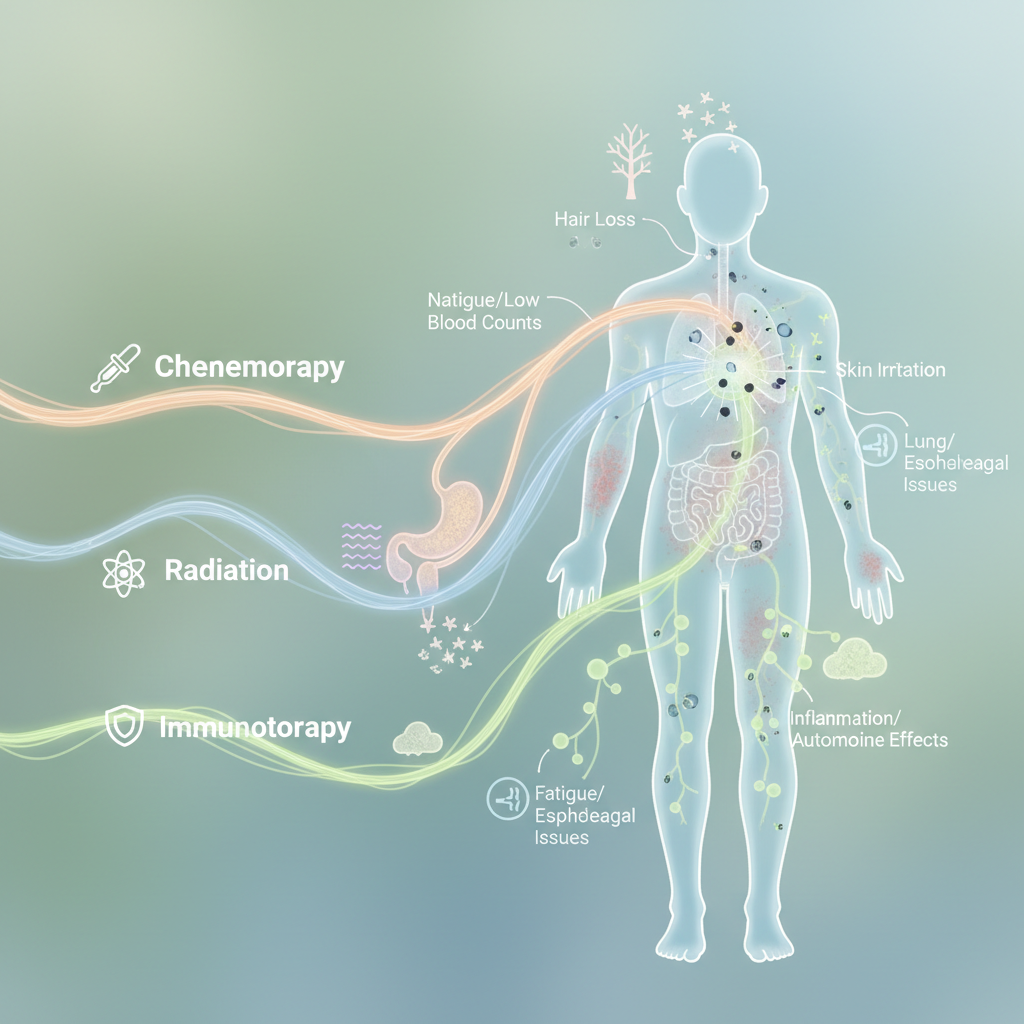
Understanding the mechanisms behind treatment side effects can offer caregivers a clearer perspective on why certain symptoms arise. Chemotherapy targets rapidly dividing cells, which unfortunately includes not just cancer cells but also healthy cells like those in hair follicles, the lining of the digestive tract, and bone marrow. This indiscriminate action is why we see hair loss, mouth sores, nausea, and a weakened immune system.
Radiation therapy, while more localized, still causes damage to healthy cells within the treatment field. The body's natural healing process can lead to inflammation, skin changes, and fatigue as it expends energy repairing these cells. Immunotherapies, by contrast, stimulate the immune system, which can sometimes lead to an overactive response, causing inflammation in various organs. Targeted therapies aim for more specific cancer pathways but can still interfere with similar pathways in healthy cells, resulting in their own set of side effects.
Navigating Immunotherapy and Targeted Therapy Side Effects
Newer treatments like immunotherapy and targeted therapy offer promising results but also have their own side effect profiles. Immunotherapy, for example, can cause immune-related adverse events where the immune system mistakenly attacks healthy organs. This can manifest as skin rashes, colitis, inflammation in the lungs (pneumonitis), or hormonal imbalances [6]. These side effects require careful monitoring and often specific management strategies, including steroids.
Targeted therapies, while designed to be more precise, can still lead to side effects such as skin problems (like rashes or dryness), fatigue, diarrhea, and high blood pressure. Your loved one's care team will carefully monitor for these reactions and provide guidance on managing them. Open communication about any new symptom is key, as early intervention can prevent more severe complications.
Recognizing and Responding to Acute Side Effects
Acute side effects are those that appear suddenly and often intensely during or soon after treatment. These include severe allergic reactions to medication, high fever (a sign of infection), uncontrollable vomiting, or sudden, intense pain. Caregivers should be acutely aware of these possibilities and know how to respond quickly.
For example, if your loved one develops a fever of 100.4°F (38°C) or higher, it could indicate neutropenic fever, a medical emergency requiring immediate attention [1]. Don't hesitate to contact the care team or seek emergency medical help if you observe any alarming symptoms. Having a clear emergency plan from the care team, including who to call and when, is crucial.
Supporting Emotional and Mental Well-being
Beyond the physical challenges, lymphoma treatment takes a significant emotional and mental toll on patients and their caregivers. Mood swings, anxiety, depression, and feelings of isolation are common. Recognizing these emotional shifts is just as important as addressing physical symptoms.
Addressing Fatigue and Its Impact
Cancer-related fatigue is far more than just feeling tired; it's an overwhelming exhaustion that isn't relieved by rest and can profoundly impact daily life [1]. It affects nearly all patients undergoing lymphoma treatment [9]. This fatigue can make even simple tasks seem impossible and can contribute significantly to feelings of frustration and depression.
As a caregiver, help your loved one prioritize rest, encourage light activity if tolerated (like short walks), and assist with daily tasks to conserve their energy. Modifying expectations and celebrating small victories can also be incredibly helpful. The free Ask the Assistant chat feature on our website can also offer instant tips on managing fatigue and help you navigate resources specific to Orange County.
Handling Mood Changes and Anxiety
The emotional rollercoaster of a cancer diagnosis and treatment can lead to significant mood changes, anxiety, and even depression. Patients may feel fearful about the future, frustrated by a loss of independence, or sad about the changes in their body and life. Caregivers may also experience similar feelings.
Encourage open communication without judgment. Suggest professional support from a therapist or counselor specializing in oncology. Support groups can also provide a safe space for sharing experiences and feelings. For local support, consider exploring resources directly via /contact or by speaking with an Orange County /find-specialist who can connect you with mental health professionals.
Practical Caregiving Strategies
As a caregiver, your role extends to many practical aspects of daily life, from managing medications to ensuring nutritional needs are met. Planning and organization can reduce stress and allow you to focus on your loved one’s well-being.
Nutrition and Dietary Management
Lymphoma treatment can significantly affect appetite and the ability to eat well. Nausea, altered taste, mouth sores, and fatigue can all make eating challenging [9]. Maintaining good nutrition is vital for healing and maintaining strength.
Offer small, frequent meals throughout the day instead of large ones. Focus on nutrient-dense foods that are easy to digest and appealing to your loved one. Experiment with different textures and temperatures. Keep them hydrated with water, broth, or electrolyte-rich drinks. A dietitian may be a valuable part of the care team to provide personalized advice.
Pain Management Techniques
Pain can stem from the lymphoma itself, the treatment side effects, or other related conditions [3]. Effective pain management is crucial for comfort and quality of life.
Work closely with the care team to ensure pain is adequately assessed and managed. This may involve prescription pain medications, but also non-pharmacological approaches like gentle massage, warm compresses, or distraction techniques. Keep a pain journal to track severity, triggers, and the effectiveness of interventions, helping the medical team adjust their approach if needed.
Maintaining Hygiene and Preventing Infection
Many lymphoma treatments, particularly chemotherapy, suppress the immune system, making patients highly vulnerable to infection [9]. Maintaining meticulous hygiene is paramount.
Encourage frequent handwashing for everyone interacting with the patient. Keep living spaces clean and sanitized. Be vigilant about food safety. Monitor for any signs of infection, such as fever, chills, new aches, or localized redness and swelling around wounds or catheter sites. Promptly report any concerns to the care team. It's also important to remember that certain biologic therapies like rituximab can increase infection risk [6].
Long-Term and Late Side Effects
While many side effects resolve once treatment ends, some can persist for months or years, known as long-term effects. Others may appear much later, even decades after treatment, and are referred to as late effects [8]. Being aware of these can help with ongoing monitoring and management.
Understanding Long-Term Challenges
Long-term side effects typically manifest during treatment and continue for an extended period afterward. These can include ongoing fatigue, nerve damage (neuropathy) causing numbness or tingling, and menopausal symptoms in women [8]. Mood disorders, such as anxiety or depression, can also become chronic issues if not addressed.
Ongoing communication with healthcare providers is essential. Regular follow-up appointments will help monitor for these issues and allow for appropriate interventions. Encouraging a healthy lifestyle, including gentle exercise and a balanced diet, can also aid in recovery and symptom management.
Preparing for Late Effects of Treatment
Late effects can be particularly challenging because they appear years after treatment, sometimes when patients feel they have fully recovered. These can include an increased risk of secondary cancers (e.g., breast, thyroid, lung) and heart disease, particularly after radiation therapy, or infertility [8].
Part of survivorship care involves regular screenings and monitoring for these potential late effects. Caregivers can assist by ensuring follow-up appointments are kept, medical records are organized, and encouraging their loved one to adopt healthy habits. Discussing potential late effects with the oncology team early on can also help manage expectations and implement preventative strategies.
The Caregiver's Own Well-being
Being a caregiver is incredibly demanding, physically and emotionally. It's easy to neglect your own needs when focusing entirely on someone else. However, sustaining your own well-being is not selfish; it's essential for your ability to provide continuous care.
Recognizing Caregiver Burnout
Caregiver burnout is a state of physical, emotional, and mental exhaustion. Symptoms can include feelings of being overwhelmed, depleted, resentful, anxious, depressed, or withdrawing from social activities. It's a serious condition that can impact your health and your capacity to care effectively.
Be vigilant for signs of burnout in yourself. Acknowledge that it's okay to feel overwhelmed. Consider joining a caregiver support group or speaking with a counselor. Even short breaks can make a significant difference. Remember, you can't pour from an empty cup.
Finding Support and Resources in Orange County
There are numerous resources available to support caregivers. In Orange County, many organizations offer support groups, counseling services, and practical assistance. Don't hesitate to reach out for help.
Connect with local cancer support centers or community organizations that provide specific programs for caregivers. Online forums and national organizations can also offer valuable advice and a sense of community. Remember that taking care of yourself is a gift to your loved one. If you're looking for personalized guidance on local resources, our free Ask the Assistant chat is available 24/7 on our website.
Frequently asked questions
What is the most common side effect of lymphoma treatment?
Fatigue is one of the most common and debilitating side effects across most lymphoma treatments, frequently reported as overwhelming and persistent, even after treatment ends [1, 9].
How long do chemotherapy side effects last for lymphoma?
The duration varies greatly. Many acute side effects, like nausea and hair loss, tend to improve weeks to months after chemotherapy ends. However, some, such as certain types of nerve damage or ongoing fatigue, can become long-term side effects lasting months or even years [8].
Can radiation therapy for lymphoma cause long-term problems or late effects?
Yes, radiation therapy can have late effects that appear years or even decades later. These may include an increased risk of developing secondary cancers in the treated area, heart problems, lung scarring, or hormonal imbalances, depending on the site of radiation [8].
Is bone pain common after lymphoma treatment?
Bone pain can be a side effect, particularly if treatment affects bone marrow production or if certain medications are used, like granulocyte-colony stimulating factors (G-CSFs) to boost white blood cell counts. It's important to report any new or worsening bone pain to the care team.
How can I help my loved one experiencing nausea during lymphoma treatment?
Offer small, frequent meals of bland foods, encourage sips of clear liquids, and ensure they take anti-nausea medications as prescribed. Avoiding strong smells and providing a calm environment can also help. Keep a record of when nausea occurs and what helps, so you can share this with the medical team.
What are some signs of infection to watch for when a loved one is on lymphoma treatment?
Signs of infection include fever (100.4°F or 38°C or higher), chills, shaking, cough, sore throat, new pain, redness or swelling, skin rashes, or diarrhea [1]. Contact the care team immediately if any of these symptoms appear.
When to call your care team
- Fever of 100.4°F (38°C) or higher
- New or worsening uncontrolled pain
- Unmanageable nausea or vomiting (unable to keep fluids down)
- Severe diarrhea or constipation
- Shortness of breath or difficulty breathing
- Any signs of new bleeding or unusual bruising
- Severe skin reactions or swelling
- Sudden confusion or disorientation
- Any symptom that causes significant distress or concern
How Cancer Answers OC can help
At Cancer Answers OC, we understand the complexities of supporting a loved one through lymphoma treatment. Our goal is to provide Orange County caregivers with accurate, accessible, and compassionate information. We offer evidence-based articles, a comprehensive /find-specialist directory for local oncology experts, and resources for seeking a /second-opinion or exploring /clinical-trials.
Our commitment extends to personalized support; you can always use our free Ask the Assistant chat (find it floating on the bottom-right of your screen) for instant, private, and 24/7 answers to your questions. For more in-depth consultations or specific referrals to Orange County specialists, our live support team is available. We are here to empower you, the caregiver, ensuring you have the resources needed to navigate this journey with confidence and support.
Related resources
- What to Expect: Managing Chemotherapy Side Effects in Newport Beach
- Navigating Fatigue During Melanoma Treatment: A Caregiver's Guide
- Effective Strategies: How to Manage Chemo Side Effects
- Find a cancer specialist in Orange County
- Get a second opinion
- Insurance and coverage guide
Sources
- Side Effects of Cancer Treatment - NCI. URL: https://www.cancer.gov/about-cancer/treatment/side-effects
- Side effects of CHOP in the treatment of non-hodgkin's lymphoma. URL: https://pubmed.ncbi.nlm.nih.gov/9409065/
- Investigating the symptoms and sentinel symptoms of patients ... - PMC. URL: https://pmc.ncbi.nlm.nih.gov/articles/PMC12730755/
- Non-Hodgkin Lymphoma Treatment - NCI - National Cancer Institute. URL: https://www.cancer.gov/types/lymphoma/patient/adult-nhl-treatment-pdq
- Tumor Flare Reaction in a Classic Hodgkin Lymphoma Patient ... URL: https://pmc.ncbi.nlm.nih.gov/articles/PMC8795608/
- Serious adverse events associated with the use of rituximab - PMC. URL: https://pmc.ncbi.nlm.nih.gov/articles/PMC3580676/
- Side effects of lymphoma and treatment. URL: https://lymphoma-action.org.uk/information-and-support/side-effects-lymphoma-and-treatment
- Long-Term and Late Side Effects | Lymphoma Research Foundation. URL: https://lymphoma.org/understanding-lymphoma/coping-with-lymphoma/long-term-and-late-side-effects/
- Hodgkin lymphoma treatment side effects - Blood Cancer UK. URL: https://bloodcancer.org.uk/understanding-blood-cancer/lymphoma/hodgkin-lymphoma/treatment/side-effects/
- Treatment and Side Effects Management of Hodgkin Lymphoma. URL: https://www.cancersupportcommunity.org/article/treatment-and-side-effects-management-hodgkin-lymphoma