
Receiving a prostate cancer diagnosis can bring many questions, especially about treatment options and their potential impact on your daily life. This guide explores the common side effects of prostate cancer treatments and offers patient-centered strategies for managing them, ensuring you can maintain a good quality of life during and after therapy.
Deciding on the best course of action involves balancing cancer control with preserving quality of life, a primary concern for many men in Irvine facing this diagnosis. Understanding the potential challenges, such as urinary problems, erectile dysfunction, and fatigue, empowers you to proactively address them with your care team and local resources. We believe that informed patients are better prepared to navigate their cancer journey.
At a glance
| Detail | Summary |
|---|---|
| Topic | prostate cancer treatment side effects Irvine |
| Who it is for | Referring clinicians |
| Area served | Orange County, California |
| Category | side-effects |
| Reading time | About 14 minutes |
| Cited sources | 6 |
| Last reviewed | 2026-06-01 |
Key takeaways
- Treatment side effects are common but manageable: Most men experience some side effects, but many effective strategies exist to alleviate them.
- Open communication with your care team is vital: Discuss all symptoms and concerns openly to ensure a personalized management plan.
- Lifestyle adjustments can make a big difference: Diet, exercise, and stress management play a crucial role in coping with side effects.
- Support systems are invaluable: Connecting with others who understand your experience can provide significant emotional and practical support.
- Long-term follow-up is essential: Some side effects may appear or persist long after treatment ends, requiring ongoing monitoring and care.
Understanding Prostate Cancer Treatments
Prostate cancer treatment options are diverse, ranging from active surveillance to surgery, radiation, and systemic therapies. The choice depends on many factors, including the cancer's stage and aggressiveness, your overall health, and personal preferences [10]. Each treatment approach has a unique profile of potential benefits and side effects.
The goal is always to effectively treat the cancer while minimizing impact on your quality of life. This requires careful consideration and a thorough discussion with your oncology team. We encourage you to ask every question you have during this critical decision-making period.
Active Surveillance and Watchful Waiting
For slow-growing, low-risk prostate cancers, active surveillance might be recommended. This involves closely monitoring the cancer with regular PSA tests, prostate exams, and biopsies, delaying treatment unless the cancer shows signs of progression [4]. This approach avoids immediate treatment side effects, but requires emotional readiness to live with untreated cancer.
Watchful waiting is similar but less intensive, typically for older men or those with other serious health conditions where the risks of treatment outweigh the benefits. It focuses on managing symptoms if they arise, rather than curative intent. While these approaches avoid treatment side effects, they can cause anxiety for some patients [5].
Surgery: Radical Prostatectomy
Radical prostatectomy is a surgical procedure to remove the entire prostate gland and sometimes nearby lymph nodes. This can be done through open surgery or minimally invasive techniques like laparoscopic or robotic-assisted surgery [6]. The success rates for cancer control are high, especially for localized disease.
However, surgery carries risks of side effects, primarily affecting urinary and sexual function. These can include temporary or permanent urinary incontinence and erectile dysfunction, which are key considerations for many men [3]. Your surgeon in Irvine will discuss strategies to mitigate these risks.
Radiation Therapy
Radiation therapy uses high-energy rays to kill cancer cells and can be delivered externally (external beam radiation therapy, EBRT) or internally (brachytherapy). EBRT uses a machine outside the body, while brachytherapy involves placing radioactive seeds directly into the prostate [9]. Both methods are effective.
Common side effects of radiation can include urinary frequency, urgency, or burning, bowel changes (like diarrhea or rectal bleeding), and fatigue. These tend to be temporary, but some can persist [9]. Advanced radiation techniques aim to spare surrounding healthy tissues, reducing potential harm.
Hormone Therapy
Hormone therapy, also known as androgen deprivation therapy (ADT), reduces the levels of male hormones (androgens) that fuel prostate cancer growth. This can be achieved with medications or by surgical removal of the testes [2]. ADT is often used for more advanced cancers or in combination with other treatments.
Side effects are diverse and can significantly impact quality of life. They include hot flashes, decreased libido, erectile dysfunction, fatigue, weight gain, loss of muscle mass, decreased bone density, and mood changes. Managing these side effects is a crucial part of treatment, often requiring a multifaceted approach.
Common Prostate Cancer Treatment Side Effects in Irvine
Living with prostate cancer treatment side effects can be challenging, but understanding them is the first step toward effective management. Many men in Irvine find that a proactive approach, combined with support from their medical team and community, significantly improves their experience. We'll explore the most frequently encountered side effects.
Erectile Dysfunction (ED)
Erectile dysfunction (ED) is one of the most common and often distressing side effects after prostate cancer treatments like surgery and radiation [1, 7]. It occurs because nerve bundles responsible for erections can be damaged during treatment. While nerve-sparing techniques aim to preserve these nerves, full recovery is not always guaranteed.
Fortunately, many options exist to manage ED. These include oral medications (PDE5 inhibitors), vacuum erection devices, penile injections, and in some cases, penile implants. Your doctor can help determine the best approach for you, often referring you to a urologist specializing in sexual health. Early intervention and rehabilitation can improve outcomes.
Urinary Incontinence
Urinary incontinence, particularly stress incontinence (leaking urine with coughing, sneezing, or lifting), is common after radical prostatectomy due to potential damage to the urinary sphincter [10]. Radiation therapy can also cause irritative urinary symptoms, such as urgency and frequency.
Pelvic floor exercises (Kegels) are a foundational treatment, strengthening the muscles that control urine flow. Other strategies include lifestyle changes (fluid management, avoiding irritants), medications, and devices like penile clamps for temporary control. For persistent or severe cases, surgical options, such as a male sling or artificial urinary sphincter, may be considered. Many Irvine providers specialize in these treatments.
Fatigue
Cancer-related fatigue is a pervasive side effect, often described as an overwhelming sense of tiredness that isn't relieved by rest [10]. It can be caused by the cancer itself, various treatments (especially hormone therapy and radiation), anemia, depression, or sleep disturbances.
Managing fatigue involves a combination of approaches. Regular, moderate exercise (even short walks) can boost energy levels. Prioritizing sleep, maintaining a balanced diet, and stress reduction techniques are also crucial. Your care team might also investigate underlying causes like anemia or thyroid issues and suggest appropriate interventions. Don't hesitate to mention fatigue to your care providers.
Bowel Changes
Radiation therapy, especially external beam radiation, can sometimes irritate the rectum and bowel, leading to symptoms such as diarrhea, rectal urgency, rectal pain, or bleeding [9]. These symptoms are usually temporary and resolve within weeks or months after treatment.
Dietary modifications, such as a low-fiber diet during acute phases or avoiding spicy foods, can help. Medications to manage diarrhea or soothe irritation may be prescribed. For persistent issues, further evaluation by a gastroenterologist may be necessary. Newer radiation techniques are designed to minimize radiation exposure to the rectum.
Hot Flashes and Osteoporosis
Hormone therapy, by reducing testosterone, can induce symptoms similar to menopause in women, including hot flashes. These sudden feelings of intense warmth can be disruptive and uncomfortable. Over time, ADT can also lead to decreased bone density, increasing the risk of osteoporosis and fractures [7].
Lifestyle interventions like maintaining a healthy weight, exercising regularly, and avoiding triggers (caffeine, alcohol, spicy foods) can help manage hot flashes. Medications might also be considered. To combat bone loss, calcium and vitamin D supplementation, weight-bearing exercise, and sometimes bone-strengthening medications (bisphosphonates or denosumab) are recommended. Regular bone density screenings are important.
In-depth look
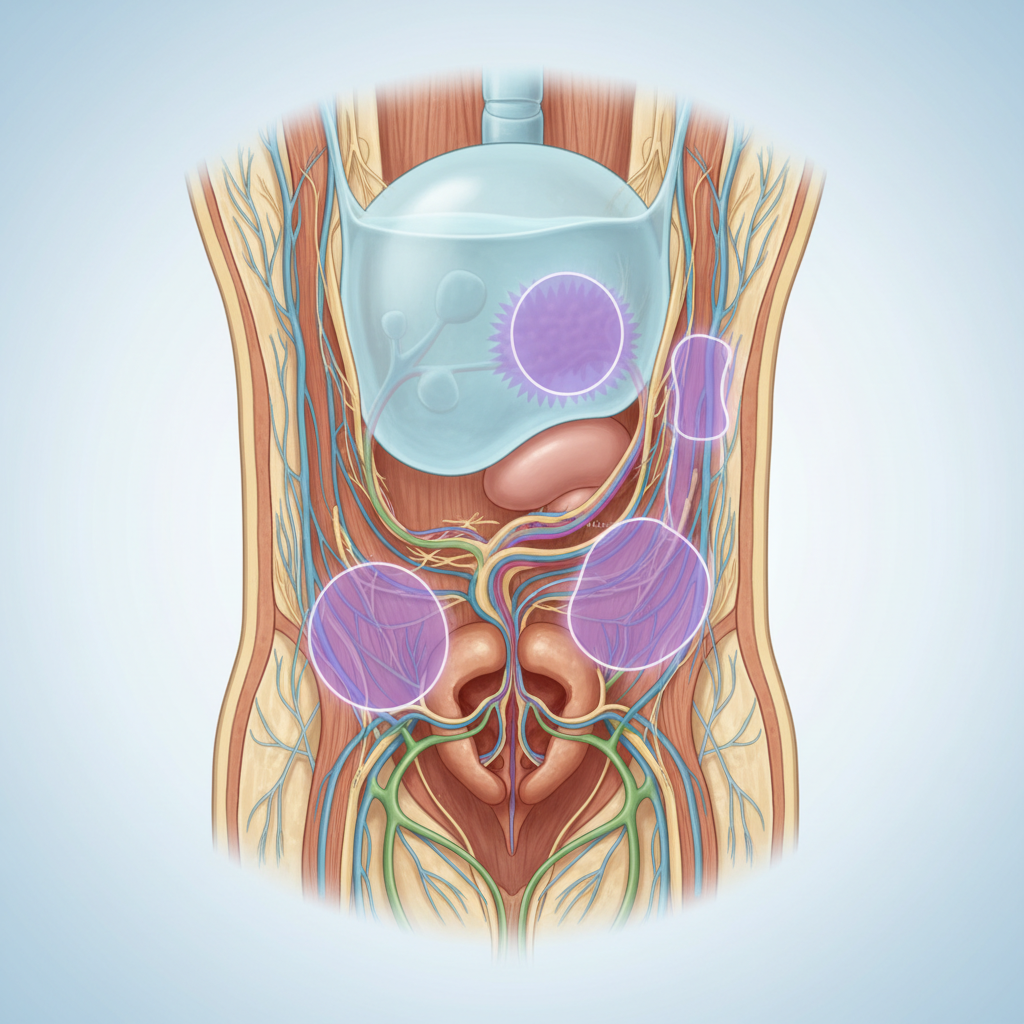
Navigating the complex landscape of prostate cancer treatment side effects requires a holistic and informed approach. It's not just about addressing physical symptoms; it's also about supporting your emotional and psychological well-being. Think of your treatment journey as a marathon, not a sprint. The impact of treatments can evolve over time, requiring ongoing adjustments to your management strategies. This is why consistent communication with your care team and utilizing all available resources are so important.
Beyond the immediate physical challenges, prostate cancer and its treatments can significantly affect mental health. Many men experience anxiety, depression, or feelings of isolation [1]. It's crucial to acknowledge these emotional impacts and seek support. Whether through counseling, support groups, or simply talking to trusted loved ones, addressing your mental well-being is as vital as managing physical symptoms. Resources here in Irvine are readily available to help you through this.
Remember, you are not alone in this journey. The Cancer Answers OC team understands the unique challenges faced by patients in Orange County and is committed to connecting you with the best local expertise and compassionate care. Our free, private, and instant Ask the Assistant chat feature (look for the floating button on the bottom right) is available 24/7 to provide quick, reliable information and connect you with live OC specialists when you need personalized advice. It's like having a knowledgeable friend always there to help answer your questions.
Psychological and Emotional Impact
A prostate cancer diagnosis and its subsequent treatments can take a significant emotional toll. Men may experience anxiety about the future, depression, changes in self-image due to sexual side effects, or feelings of isolation [1]. It's common to grapple with emotions like fear, anger, or sadness.
Addressing these concerns is a critical part of your overall care. Counseling, support groups, and mindfulness practices can provide valuable tools for coping. Many local organizations in Irvine offer specialized mental health support for cancer patients. Discussing your emotional well-being with your doctor can also lead to referrals to mental health professionals who specialize in oncology.
Lifestyle Adjustments and Holistic Support
Making strategic lifestyle adjustments can significantly improve your ability to cope with treatment side effects. This includes a healthy diet, regular physical activity, and stress reduction techniques. A balanced diet, rich in fruits, vegetables, and whole grains, can help combat fatigue and support overall health.
Regular, moderate exercise tailored to your capabilities can improve mood, reduce fatigue, and maintain muscle mass and bone density, especially during hormone therapy. Integrative therapies like yoga, meditation, and acupuncture are also gaining recognition for their ability to alleviate symptoms and improve quality of life for cancer patients [7]. Discuss these with your care team to ensure they align with your treatment plan.
Long-Term Management and Follow-Up
Some prostate cancer treatment side effects can linger for months or even years after treatment, while others may emerge later. This necessitates ongoing monitoring and a long-term management plan. Regular follow-up appointments with your oncology team are crucial to track your recovery, manage persistent side effects, and monitor for any signs of recurrence.
Your care team will develop a personalized survivorship plan that may include continued exercise programs, dietary counseling, bone density screenings, and ongoing support for sexual health and urinary function. Don't hesitate to proactively schedule these follow-ups and raise any new or unresolved symptoms, even years down the line. We want to ensure you have lasting quality of life.
Frequently asked questions
How long do prostate cancer treatment side effects usually last?
The duration of side effects varies greatly depending on the type of treatment and individual factors. Some effects, like acute fatigue or localized irritation from radiation, may resolve within weeks or months after treatment [9, 10]. Others, such as erectile dysfunction or some urinary issues, can be long-term or even permanent for some individuals [1]. However, even long-term side effects often improve over time with management strategies.
Can I still have a normal sex life after prostate cancer treatment?
Many men can maintain a satisfying sex life after prostate cancer treatment, though it may require adjustments and interventions. While erectile dysfunction is common, there are numerous effective treatments available, including medications, devices, and implants. Open communication with your partner and a sexual health specialist can help you explore options and adapt to changes, maintaining intimacy and satisfaction.
What can I do to improve my energy levels if I'm experiencing fatigue?
Managing cancer-related fatigue often involves a multi-pronged approach. Prioritize regular, gentle exercise like walking, which has been shown to reduce fatigue. Ensure you get adequate sleep, maintain a balanced diet, and stay hydrated. Stress reduction techniques such as mindfulness or meditation can also be beneficial. If fatigue is severe or persistent, discuss it with your care team, as there may be underlying medical causes like anemia that can be addressed.
Are there support groups specifically for men with prostate cancer in Irvine?
Yes, there are several local and online support groups and resources for men with prostate cancer and their families in Irvine and the greater Orange County area. These groups offer a safe space to share experiences, gain insights, and receive emotional support from others facing similar challenges. Organizations like Us TOO International and local cancer centers often host such meetings. Our team at Cancer Answers OC can help you find appropriate local resources by using our free Ask the Assistant chat or by calling our office.
How important is diet in managing side effects?
Diet plays a significant role in managing several side effects. A balanced diet rich in fiber, fruits, and vegetables can help with bowel irregularities caused by radiation. Limiting caffeine and alcohol might reduce urinary irritation. Maintaining a healthy weight through diet and exercise can mitigate some effects of hormone therapy like weight gain and bone loss. Nutritional counseling can be a valuable resource to tailor a diet plan specifically for your needs.
When to call your care team
Contact your care team immediately if you experience:
- Sudden, severe pain not managed by prescribed medication.
- Fever of 100.4°F (38°C) or higher.
- Uncontrolled nausea, vomiting, or diarrhea.
- Difficulty breathing or chest pain.
- Significant swelling in your legs, arms, or abdomen.
- Any new, unusual, or worsening bleeding.
- Unable to urinate or significant changes in urinary habits.
- Signs of infection, such as redness, warmth, or pus around any surgical sites or catheters.
- Persistent sadness, anxiety, or thoughts of harming yourself.
How Cancer Answers OC can help
At Cancer Answers OC, we understand that navigating prostate cancer treatment side effects in Irvine can feel overwhelming. Our mission is to provide you with patient-friendly, evidence-based information and connect you with the highest quality care available in Orange County. We believe in empowering you with knowledge and support every step of the way.
We offer a curated network of top oncologists, urologists, and supportive care specialists in the Newport Beach and broader Orange County area who are experts in managing the specific challenges of prostate cancer. If you're seeking a second opinion, a specialist referral, or local resources, our team is here to assist you. Explore our directory to find a specialist who can provide personalized guidance.
Remember, you're not alone. For instant, private, and free support, try our Ask the Assistant chat (bottom right of your screen). It's available 24/7 to answer your questions and can connect you with live OC specialists for more complex inquiries. Let Cancer Answers OC be your trusted partner in your cancer journey.
Related resources
- What to Expect: Managing Chemotherapy Side Effects in Newport Beach
- Navigating Fatigue During Melanoma Treatment: A Caregiver's Guide
- Navigating the Common Side Effects of Lymphoma Treatment: A Caregiver's Guide
- Find a cancer specialist in Orange County
- Get a second opinion
- Insurance and coverage guide
Sources
- Gerber, L., & Reker, F. (2010). Prostate Cancer: Quality of Life, Psychosocial Implications and Management. Future Oncology, 4(4), 561–570. https://pmc.ncbi.nlm.nih.gov/articles/PMC2796196/
- Sun, R., Li, Y., Wu, M., Huang, Y., Zhang, W., Chen, J., ... & Li, Y. (2023). A phase II study of docetaxel plus lycopene in metastatic castrate-resistant prostate cancer patients. Biomedicine & Pharmacotherapy, 157, 113941. https://pmc.ncbi.nlm.nih.gov/articles/PMC9886492/
- Hoffman, K. E., Voong, K. R., Levin, R. A., Levy, L., Frank, K. A., Nguyen, Q.-N., ... & Teh, B. S. (2018). Comparison of Patient-reported Outcomes After External Beam Radiation Therapy and Prostatectomy for Localized Prostate Cancer. International Journal of Radiation Oncology Biology Physics, 102(4), 868–876. https://pubmed.ncbi.nlm.nih.gov/30102188/
- Chang, J. M., Metgud, S., Daskivich, T. J., & Raldow, A. C. (2020). Patient-Reported Outcomes Through 5 Years for Active Surveillance. Practical Radiation Oncology, 10(2), e119–e126. https://pubmed.ncbi.nlm.nih.gov/31935027/
- Gann, P. H. (2002). Patient and community preferences for outcomes in prostate cancer. Journal of the National Cancer Institute Monographs, 2002(30), 108–110. https://pubmed.ncbi.nlm.nih.gov/12544552/
- Carlsson, S., Jäderling, F., Bratt, O., Jiborn, T., Davidsson, S., & Egevad, L. (2018). Effect of Prostate Cancer Severity on Functional Outcomes After Surgery and Radiotherapy. European Urology, 74(2), 226–233. https://pubmed.ncbi.nlm.nih.gov/29501451/
- Eltabakh, O., Kamel, N. A. R., & Abdallah, R. E. (2024). Side effects of prostate cancer therapies and potential management: a review. Journal of Basic & Medical Sciences, 9(1B), 1–1. https://pmc.ncbi.nlm.nih.gov/articles/PMC11557297/
- Cancer Center for Healing. (n.d.). Prostate Cancer Treatment in Irvine. https://cancercenterforhealing.com/prostate-cancer/
- City of Hope. (2024, July 1). Radiation Therapy for Prostate Cancer: Types & Side Effects. https://www.cityofhope.org/clinical-program/prostate-cancer/treatments-survival/radiation-therapy
- UCSF Urology. (n.d.). Dealing with Side Effects of Prostate Cancer Treatments. https://urology.ucsf.edu/patient-info/cancer/prostate-cancer/conditions/prostate-cancer-condition/treatment-side-effects