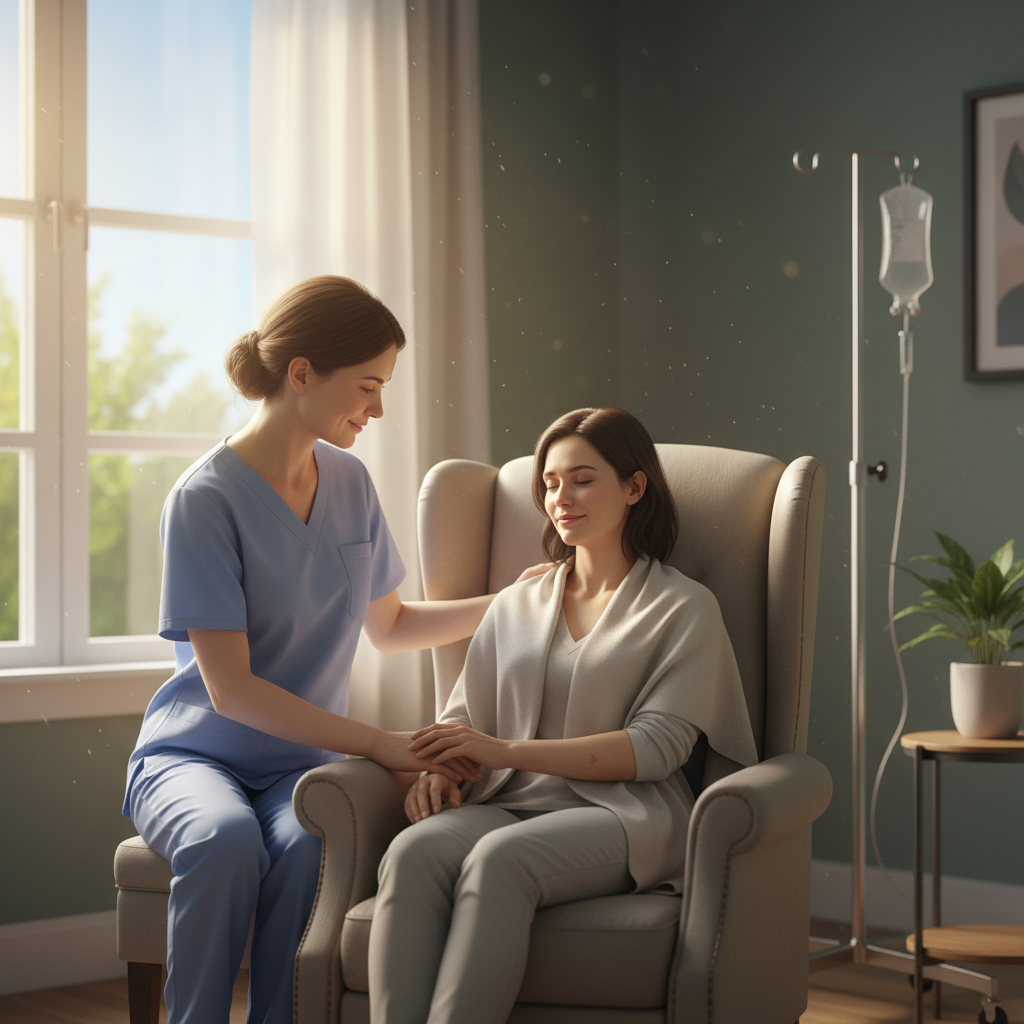
Caring for someone undergoing melanoma treatment can be demanding, especially when they struggle with crippling fatigue. This guide offers practical, evidence-based strategies to help caregivers support their loved ones in managing this pervasive side effect, ensuring they feel understood and supported through their journey.
Key takeaways
- Cancer-related fatigue (CRF) is different from ordinary tiredness and is a common side effect of melanoma treatments.
- Effective fatigue management involves a holistic approach, including diet, exercise, and sleep hygiene.
- Caregivers play a crucial role in advocating, observing, and implementing strategies to alleviate fatigue.
- Prioritizing energy conservation and pacing activities can significantly improve a patient's quality of life.
- Open communication with the care team and leveraging support resources are essential for both patients and caregivers.
Understanding Melanoma Treatment Side Effects and Fatigue
Many caregivers find themselves asking why their loved one is so exhausted, even after sleeping. Melanoma treatments, while vital, often bring a challenging companion: fatigue. It's not just feeling sleepy; it's a profound, persistent exhaustion that doesn't improve with rest [2]. This cancer-related fatigue (CRF) can profoundly impact daily life, making even simple tasks feel impossible.
What is Cancer-Related Fatigue (CRF)?
CRF is a distressing, persistent, subjective sense of physical, emotional, and/or cognitive tiredness or exhaustion related to cancer or cancer treatment that is not proportional to recent activity and interferes with usual functioning [1]. Unlike the fatigue you feel after a long day or a poor night's sleep, CRF is often described as overwhelming and debilitating. It can linger for months or even years after active treatment ends [8].
Think of it as a deep-seated weariness that affects the entire body and mind. Your loved one might describe it as bone-deep exhaustion, difficulty concentrating, or a general lack of motivation. Understanding this distinction is the first step toward effective support.
Why Melanoma Treatments Cause Fatigue
Various melanoma treatments can contribute to fatigue, each in its unique way. Targeted therapies, immunotherapies, chemotherapy, and radiation all have the potential to disrupt the body's normal functions and energy balance.
Immunotherapy and Targeted Therapy
Newer treatments like immunotherapy and targeted therapy have revolutionized melanoma care, but they can still lead to significant fatigue. Immunotherapies, for instance, work by activating the body's immune system to fight cancer [3]. This heightened immune response can cause widespread inflammation and an overactive immune system, leading to symptoms like fatigue, muscle aches, and flu-like symptoms [3]. Targeted therapies, which block specific molecules involved in cancer growth, can also cause fatigue, sometimes by interfering with normal cellular processes and metabolism.
Targeted therapies and immunotherapies are often associated with cumulative fatigue, meaning it can worsen over time with successive treatments. It's crucial for caregivers to note these patterns and discuss them with the care team. Understanding the specific mechanisms of their loved one's treatment can help caregivers anticipate and prepare for potential fatigue.
Chemotherapy and Radiation Therapy
While less common for early-stage melanoma today, chemotherapy and radiation therapy remain vital for some cases. Chemotherapy drugs are designed to kill rapidly dividing cancer cells, but they can also affect healthy cells, leading to a range of side effects including fatigue, nausea, and anemia [2]. Radiation therapy can cause localized fatigue in the treated area, but also systemic fatigue as the body works to repair damaged cells and cope with inflammation.
The degree of fatigue can vary greatly depending on the specific drugs used, the dose, duration of treatment, and the individual's overall health. Many patients describe chemotherapy-induced fatigue as profound and overwhelming, often peaking a few days after treatment. For radiation, fatigue tends to build gradually over the course of treatment.
Recognizing and Assessing Fatigue in Your Loved One
As a caregiver, your observations are incredibly valuable in helping the medical team understand your loved one's experience with fatigue. Patients sometimes downplay their symptoms, or they might not recognize the extent of their fatigue themselves. Your active role in monitoring can ensure their needs are addressed effectively.
Signs and Symptoms of CRF to Watch For
CRF manifests differently in each person, but there are common signs to observe. Look beyond just physical tiredness; fatigue can also impact mental and emotional well-being.
These can include a noticeable decrease in activity levels, increased need for naps, difficulty concentrating or remembering things, irritability, lack of motivation, and even a feeling of heaviness in their limbs. They might also express feelings of overwhelming exhaustion that isn't relieved by sleep, or struggle with daily tasks they once performed easily [10]. Pay attention to changes in their typical routine and mood, as these can be subtle indicators of escalating fatigue.
Communicating with the Care Team
Open and honest communication with the medical team is paramount. You and your loved one should feel comfortable discussing fatigue without fear of it being dismissed. Your observations can provide critical information that might not come up during a brief doctor's visit.
Keep a simple fatigue journal, noting when fatigue is worst, what makes it better or worse, and how it impacts daily activities. This factual record can be incredibly helpful when speaking with doctors or nurses. Don't hesitate to ask specific questions about managing fatigue, and advocate for your loved one if you feel their concerns are not being adequately addressed. Oncology teams in Orange County are often well-versed in managing these challenging side effects, but they rely on patient and caregiver input.
Practical Strategies for Managing Fatigue: A Caregiver's Toolkit
Supporting your loved one through melanoma treatment means helping them navigate difficult side effects like fatigue. Fortunately, there are many practical strategies you can implement to help them conserve energy and improve their quality of life. These tips for cancer-related fatigue relief focus on actionable steps you can take together.
Energy Conservation and Pacing Tips
One of the most important aspects of managing fatigue during melanoma treatment is learning to conserve energy and pace activities. This isn't about doing nothing, but rather about doing things smarter.
- Prioritize Activities: Help your loved one identify the most important activities for the day or week and focus energy there. Delegate less critical tasks to others whenever possible. This might mean letting go of some household chores or social obligations. It's about preserving energy for what truly matters to them.
- Short Bursts of Activity with Rest: Encourage short periods of light activity followed by rest. For example, instead of trying to clean the entire kitchen at once, break it into 10-15 minute segments with a rest period in between [7]. Even a 10-minute walk can be beneficial, but it should always be followed by rest if needed. Gentle, consistent movement can combat fatigue better than complete inactivity [5].
- Modify the Environment: Make the home environment as convenient as possible. Keep frequently used items within easy reach, set up a comfortable resting spot in main living areas, and consider ergonomic tools. This reduces the physical effort required for daily living. You can explore more resources on adapting the home for cancer care through /contact.
- Plan Ahead: Prepare meals in advance, schedule appointments strategically to minimize travel, and group errands. Anticipate periods of increased fatigue (e.g., after treatments) and plan for extra rest during those times. Meal prepping and freezing portions can be a huge energy saver.
Nutrition and Hydration for Energy
Proper nutrition and hydration play a fundamental role in maintaining energy levels, especially when the body is under stress from cancer and its treatments.
What to Eat (and Avoid) for Energy
Focus on a balanced diet rich in protein, complex carbohydrates, and healthy fats. Protein helps with tissue repair and muscle maintenance, while complex carbohydrates provide sustained energy. Examples include lean meats, fish, eggs, legumes, whole grains, and plenty of fruits and vegetables. Avoid sugary snacks and highly processed foods, as they can cause energy spikes followed by crashes. Small, frequent meals can be easier to digest and provide a steady supply of energy throughout the day [7]. If appetite is an issue, nutrient-dense smoothies can be a good option.
The Importance of Hydration
Dehydration can significantly worsen fatigue. Encourage your loved one to drink plenty of fluids throughout the day, primarily water. Herbal teas, clear broths, and diluted fruit juices can also contribute to hydration. Aim for at least 8-10 glasses of fluid daily, unless otherwise advised by their medical team. Keeping a water bottle readily accessible can be a simple reminder to sip regularly. You can ask our free Ask the Assistant chat about quick and easy hydrating recipes.
Sleep Strategies and Restful Environments
Even though CRF isn't relieved by sleep, good sleep hygiene can still improve overall energy and well-being. Creating a peaceful and consistent sleep environment is key.
- Establish a Routine: Encourage a regular sleep schedule, going to bed and waking up at roughly the same time each day, even on weekends. This helps regulate the body's internal clock. Consistent sleep patterns can improve sleep quality.
- Optimize the Sleep Environment: Ensure the bedroom is dark, quiet, and cool. Block out light, use earplugs if needed, and maintain a comfortable temperature. A comfortable mattress and pillows are also crucial to restful sleep. Minimize screen time (phones, tablets, TV) at least an hour before bed, as blue light can interfere with melatonin production.
- Mindful Napping: While naps can be helpful, too many or too long can interfere with nighttime sleep. Suggest short, strategic naps (20-30 minutes) earlier in the day to avoid disrupting the sleep cycle. Sometimes, simply resting with eyes closed, even without true sleep, can be restorative.
Mind-Body Connection and Emotional Support
Fatigue isn't just physical; it's often deeply intertwined with mental and emotional states. Addressing these aspects can significantly improve how your loved one experiences and copes with fatigue. As a caregiver, your presence and understanding are vital.
Gentle Exercise and Movement
It might seem counterintuitive, but gentle, consistent physical activity is one of the most effective non-pharmacological interventions for CRF [5, 7]. It can improve energy levels, reduce stress, and enhance sleep quality.
Encourage light activities like short walks, gentle stretching, or chair yoga. Even 10-15 minutes of movement a few times a day can make a difference. Always ensure your loved one receives clearance from their medical team before starting any new exercise regimen. The goal is not to exhaust them, but to gently stimulate their body. Consider finding a local support group or specialized exercise program in Orange County.
Stress Reduction and Mindfulness
Stress and anxiety can drain energy, exacerbating fatigue. Incorporating stress-reduction techniques can be incredibly beneficial. Mindfulness practices, such as guided meditation or deep breathing exercises, can help calm the mind and body. Even simple activities like listening to soothing music, spending time in nature, or engaging in a relaxing hobby can reduce stress.
Consider recommending apps or online resources for guided meditations. Remember that even as a caregiver, managing your own stress is important, so you can better support your loved one. Techniques like the 4-7-8 breathing method can be done anywhere, anytime: breathe in for 4 counts, hold for 7, exhale for 8.
The Role of Emotional and Mental Health
The emotional toll of a cancer diagnosis and treatment can manifest as profound fatigue. Feelings of sadness, anxiety, or depression can deplete energy levels just as much as physical treatments. Acknowledge and validate your loved one's feelings without trying to fix them.
Encourage open conversations, and if concerns about depression or anxiety arise, suggest speaking with a mental health professional. Many cancer centers, including those in Orange County, offer psychological support services and counseling specifically for cancer patients and their families. This might also be a good time to explore /clinical-trials focused on supportive care.
When to Seek Professional Guidance
While many strategies can be implemented at home, there are times when medical intervention is necessary to address underlying causes of fatigue or to provide further support. As a caregiver, knowing when to escalate concerns is crucial.
Identifying Underlying Medical Causes
Fatigue can sometimes be a symptom of other treatable conditions, not just a direct effect of cancer treatment. Anemia, thyroid dysfunction, infections, pain, and emotional distress such as depression can all contribute to or worsen fatigue [9].
If fatigue is severe, sudden, or accompanied by new symptoms like dizziness, shortness of breath, or increased pain, it's essential to consult the medical team. They can perform tests to rule out or identify these underlying causes and offer specific treatments. For example, anemia might be treated with iron supplements or blood transfusions, significantly improving energy levels. A /second-opinion can sometimes offer fresh perspectives on complex symptoms.
Pharmacological and Non-Pharmacological Interventions
Oncologists have various tools to manage CRF, ranging from medication to non-drug therapies.
Medications and Supplements
In some cases, the care team might prescribe medications to help manage fatigue, particularly if an underlying cause like anemia or depression is identified. Stimulants are sometimes considered in severe cases, but less commonly. Always discuss any over-the-counter supplements or herbal remedies with the medical team, as they can interact with cancer treatments. Personalized advice from the medical team is always the best approach.
Physical Therapy and Occupational Therapy
Physical therapists can design individualized exercise programs that are safe and effective for cancer patients, helping to build strength and endurance without exacerbating fatigue. Occupational therapists can provide practical advice on energy conservation techniques, modifying daily activities, and adapting the home environment to minimize exertion. These professionals can be invaluable in helping your loved one regain function and independence. These services are often available through oncology centers in Newport Beach and other parts of Orange County.
The Caregiver's Role and Self-Care
Being a caregiver for someone with melanoma is a marathon, not a sprint. Managing their fatigue, while taxing, can also take a significant toll on your own well-being. Remember, you cannot pour from an empty cup.
Preventing Caregiver Burnout
Burnout is a real and serious risk for caregivers. You need to actively protect your own physical and mental health. Recognize the signs of burnout, such as increased stress, irritability, exhaustion, and feelings of resentment. Don't be afraid to ask for help from friends, family, or professional support services. Delegate tasks, accept offers of assistance, and set boundaries to protect your time and energy.
Look into local caregiver support groups, either in-person in Orange County or online. Sharing experiences with others who understand can be incredibly validating and provide new coping strategies. Taking regular breaks, even short ones, is not selfish; it's essential for your long-term ability to provide care.
Accessing Support Networks and Resources
There are numerous resources available to support both patients and caregivers. Don't try to navigate this journey alone. Organizations like the American Cancer Society, Melanoma Research Foundation, and local cancer support centers offer a wealth of information, programs, and peer support. Online forums and social media groups can also provide a sense of community and shared experience. Remember that our free Ask the Assistant chat is available 24/7 for instant, private answers and can connect you with live OC specialists when needed.
Look into cancer support services in Orange County, which often include counseling, nutritional advice, and complementary therapies. These resources can be a lifeline for both you and your loved one. Connecting with specialized oncology nurses or social workers can also unlock valuable practical assistance and guidance.
In-depth look
Cancer-related fatigue is a complex symptom, distinct from normal tiredness, and impacts a significant majority of cancer patients, including those with melanoma. It’s often multi-factorial, stemming from the cancer itself, various treatments, pain, emotional distress, sleep disturbances, and nutritional deficiencies. Understanding these interconnected causes is fundamental to effective management [1].
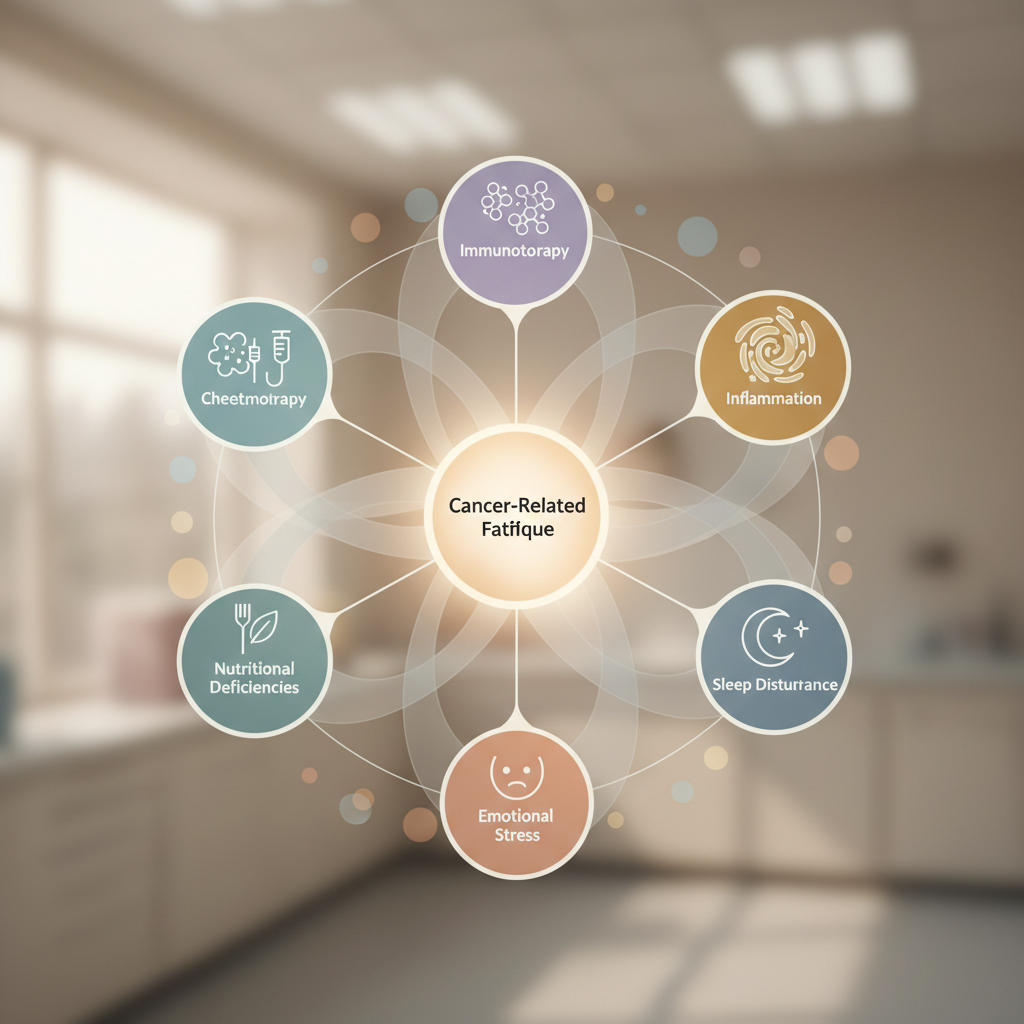
For instance, immunotherapies can induce chronic inflammation, leading to fatigue that mimics autoimmune conditions. Chemotherapy directly damages healthy cells in addition to cancer cells, requiring the body to deploy significant energy for repair and recovery. The psychological burden of a cancer diagnosis alone can exhaust mental and emotional reserves. Addressing fatigue requires a comprehensive approach, often combining medical management of underlying issues with lifestyle adjustments and significant caregiver support.
Frequently asked questions
How does cancer-related fatigue differ from regular tiredness?
Cancer-related fatigue (CRF) is a persistent, overwhelming exhaustion that doesn't improve with rest or sleep [2]. It feels disproportionate to any activity and significantly interferes with daily functioning, unlike regular tiredness which usually resolves after a good night's rest.
Can diet help improve fatigue during melanoma treatment?
Yes, a balanced diet rich in protein, complex carbohydrates, and healthy fats, along with adequate hydration, can help maintain energy levels and support the body's repair processes [7]. Avoiding processed foods and sugars is also beneficial. Always discuss dietary changes with the medical team.
Is exercise safe for someone experiencing fatigue from melanoma treatment?
Generally, yes, gentle and consistent exercise like short walks or stretching can actually help reduce fatigue and improve energy levels, but it's crucial to get approval from the medical team first [5, 7]. The key is to start slowly, listen to the body, and not push to the point of exhaustion.
What are some practical energy conservation tips for caregivers?
Caregivers can help by prioritizing tasks, breaking activities into smaller segments with rest periods, making the home environment more accessible, and preparing meals in advance. Delegating non-essential chores to others can also greatly help. Effective energy conservation for melanoma patients is a team effort.
When should I contact the care team about my loved one's fatigue?
Contact the care team if fatigue is severe, sudden, worsens significantly, or is accompanied by new symptoms like dizziness, shortness of breath, increased pain, or noticeable changes in mood. They can assess for underlying medical causes and adjust the managing fatigue during melanoma treatment plan.
How long does fatigue after melanoma treatment usually last?
The duration of fatigue is highly variable. For some, it may ease shortly after treatment ends, while for others, it can persist for months or even years. This is often referred to as 'post-cancer fatigue' or 'survivorship fatigue.' Continuous communication with the care team is important for ongoing management.
When to call your care team
- Fatigue becomes suddenly severe or significantly worsens.
- Fatigue prevents your loved one from performing essential daily activities.
- New symptoms accompany fatigue, such as dizziness, shortness of breath, chest pain, or fainting spells.
- Signs of dehydration, such as decreased urination or extreme thirst, are present.
- Your loved one experiences unexplained weight loss or gain.
- There are new or worsening signs of depression, anxiety, or excessive irritability.
- You suspect any underlying issues like anemia, infection, or uncontrolled pain contributing to the fatigue.
How Cancer Answers OC can help
At Cancer Answers OC, we understand the complexities of managing melanoma and its side effects, especially for caregivers in Orange County. Our mission is to provide you with clear, accurate, and compassionate guidance every step of the way. We connect you to leading specialists and resources right here in Orange County, ensuring your loved one receives the highest standard of care.
If you have pressing questions about managing fatigue, finding local support groups, or need general guidance, our free Ask the Assistant chat is available 24/7. It provides instant, private answers, and can connect you with live OC specialists when you need more personalized advice. We are here to empower you with the knowledge and support needed to navigate the challenges of melanoma treatment with confidence and compassion.
Related resources
- What to Expect: Managing Chemotherapy Side Effects in Newport Beach
- Palliative Care Benefits for Cancer Patients in Anaheim: Enhancing Your Journey
- Navigating the Common Side Effects of Lymphoma Treatment: A Caregiver's Guide
- Find a cancer specialist in Orange County
- Get a second opinion
- Insurance and coverage guide
Sources
- Cancer-Related Fatigue: The Approach and Treatment - PMC URL: https://pmc.ncbi.nlm.nih.gov/articles/PMC2763160/
- Fatigue and Cancer - Side Effects - NCI - National Cancer Institute URL: https://www.cancer.gov/about-cancer/treatment/side-effects/fatigue
- Immunotherapy and fatigue: what we know and what we don't know URL: https://pmc.ncbi.nlm.nih.gov/articles/PMC8057280/
- Understanding and managing interferon-α-related fatigue in patients ... URL: https://pubmed.ncbi.nlm.nih.gov/22968217/
- Evaluation and Management of Fatigue in Oncology - PMC - NIH URL: https://pmc.ncbi.nlm.nih.gov/articles/PMC3183614/
- Knowledge, perceptions, and management of cancer-related fatigue URL: https://pmc.ncbi.nlm.nih.gov/articles/PMC7892505/
- How to Keep Up Your Energy During Melanoma Treatment URL: https://resources.healthgrades.com/right-care/melanoma/how-to-keep-up-your-energy-during-melanoma-treatment
- Cancer-related Fatigue | Managing Fatigue - American Cancer Society URL: https://www.cancer.org/cancer/managing-cancer/side-effects/fatigue-weakness-sleep/fatigue.html
- Management of Fatigue in Patients with Advanced Cancer - PMC - NIH URL: https://pmc.ncbi.nlm.nih.gov/articles/PMC9883329/
- Managing Cancer Fatigue: Tips for Boosting Energy URL: https://lymphoma.org/news/managing-cancer-fatigue-tips-for-boosting-energy/