
Receiving an ovarian cancer diagnosis can feel like a seismic shift, impacting every facet of a person's life, not just their physical health. For patients in Anaheim and across Orange County, addressing emotional well-being is as critical as managing treatment side effects. This guide explores the unique emotional landscape of ovarian cancer, offering strategies and resources to help you or a loved one find balance and resilience.
At a glance
| Detail | Summary |
|---|---|
| Topic | emotional well-being ovarian cancer patients Anaheim |
| Who it is for | Referring clinicians |
| Area served | Orange County, California |
| Category | mental-health |
| Reading time | About 9 minutes |
| Cited sources | 6 |
| Last reviewed | 2026-06-01 |
Key takeaways
- Ovarian cancer patients face heightened risks of mental health challenges like anxiety and depression.
- Holistic care plans must integrate psychological support alongside medical treatments.
- Local Anaheim support groups and counseling services offer vital community and professional guidance.
- Self-care strategies, including mindfulness and physical activity, significantly improve emotional well-being.
- Open communication with your care team and family is essential for effective emotional management.
The Emotional Landscape of Ovarian Cancer
An ovarian cancer diagnosis often plunges individuals into a whirlwind of emotions—fear, uncertainty, grief, and anger are common companions. It's a journey marked by physical symptoms, demanding treatments, and often, significant life changes. Recognizing and validating these complex feelings is the first step toward managing them effectively.
Understanding the Psychological Impact
Research consistently shows that ovarian cancer patients are at an elevated risk for developing mental health disorders, including anxiety and depression [9]. The nature of the disease—its often late diagnosis, aggressive treatments, and potential for recurrence—can contribute to this distress. These emotional burdens are not just passive struggles; they can actively influence treatment adherence and overall quality of life [1].
Common Emotional Challenges Faced
Beyond clinical diagnoses, many patients grapple with specific emotional hurdles. Body image changes due to surgery or chemotherapy, concerns about fertility, sexual health, and shifts in personal identity are frequently reported. The fear of recurrence is a persistent shadow, even for those in remission, making sustained emotional support crucial throughout the entire cancer journey.
Integrating Emotional Support into Your Cancer Journey
Effectively managing emotional well-being requires a proactive and integrated approach. It means viewing mental health as an intrinsic part of comprehensive cancer care, not an optional add-on. This integration can significantly improve not only emotional resilience but also physical outcomes.
The Role of Professional Counseling
Individual and group therapy with oncology-specialized psychologists or counselors can provide invaluable tools for coping. Therapists can help patients navigate difficult emotions, develop coping strategies, and address existential concerns that often arise with a life-threatening illness. Cognitive Behavioral Therapy (CBT) and Acceptance and Commitment Therapy (ACT) are particularly effective in these settings. Specialized counseling for ovarian cancer OC patients is available throughout Orange County, offering tailored support.
The Power of Support Groups
Connecting with others who share similar experiences can be profoundly healing. Support groups, whether in-person in Anaheim or virtual, offer a safe space to share feelings, gain insight, and realize you are not alone. These groups foster a sense of community and can reduce feelings of isolation. For gynecological cancer patients, including those with ovarian cancer, support groups provide a unique understanding of shared challenges [7], [8]. Finding a local support group in Anaheim can be a game-changer.
In-depth look
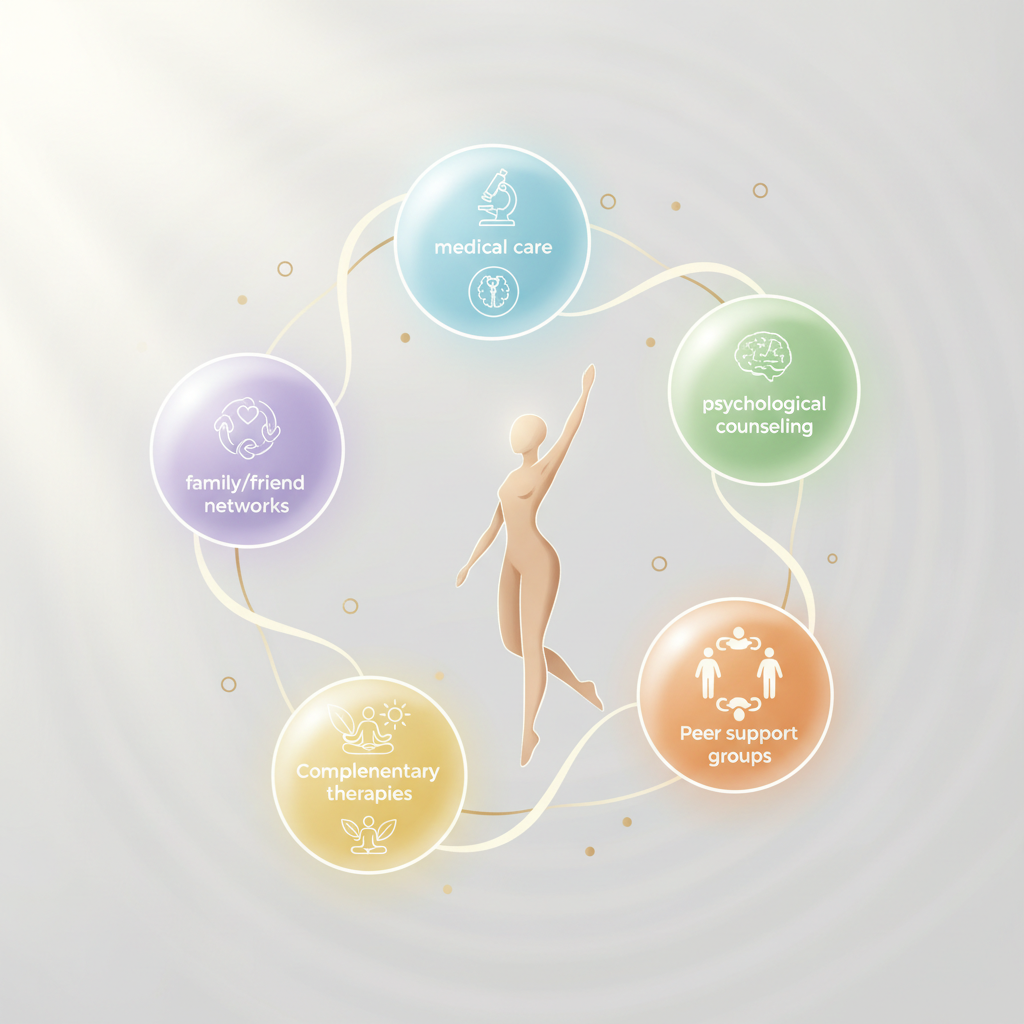
Holistic cancer care acknowledges that a person is more than their disease. It proactively integrates psychological, social, and spiritual support with conventional medical treatments. This approach recognizes that emotional distress can impact physical health and vice-versa, making coordinated care essential. Think of it as building a robust personal ecosystem of well-being around you.
Building Your Support Network
Beyond professional therapy and formal groups, building a strong personal support network is paramount. This includes family, friends, and even community organizations. Clearly communicating your needs to your loved ones helps them understand how best to offer comfort and assistance. Don’t hesitate to ask for help with practical tasks, allowing you to conserve energy for healing and emotional processing. Remember, your personal network is a vital buffer against the stresses of treatment and recovery.
Understanding Psychosocial Oncology
Psychosocial oncology is a specialized field focused on the psychological, social, spiritual, and functional aspects of cancer. It encompasses mental health care, rehabilitation, palliative care, and family support, aiming to improve quality of life for patients and their caregivers. This discipline highlights the importance of psychosocial distress screening as a standard of care in oncology [2]. If you're a clinician interested in collaborative care, consider exploring our resources at /for-physicians/refer.
Self-Care Strategies for Emotional Well-being
While professional support is invaluable, everyday self-care practices play a significant role in managing emotional well-being. These practices empower patients to actively participate in their own healing process.
Mindfulness and Meditation
Mindfulness techniques, such as focused breathing, body scans, and short meditations, can help anchor you in the present moment, reducing anxiety about the future or rumination about the past. Just 10-15 minutes a day can lead to noticeable improvements in calm and emotional regulation. Many apps and free online resources can guide you through these practices, providing immediate access to a moment of peace.
Physical Activity and Nutrition
Gentle physical activity, such as walking, yoga, or stretching, tailored to your energy levels, can significantly boost mood and reduce stress. Similarly, a nourishing diet provides the body with the fuel it needs to heal and can positively influence mental clarity. Discuss appropriate exercise and dietary changes with your care team to ensure they align with your treatment plan.
Complementary Therapies
Certain complementary therapies can help soothe the mind and body. Aromatherapy, for example, using essential oils like lavender or frankincense, has shown promise in reducing anxiety and improving sleep for oncology patients [3]. Acupuncture, massage, and therapeutic art or music can also offer avenues for relaxation and emotional expression. Always discuss any complementary treatments with your medical team to ensure they are safe and do not interfere with your primary care.
Communicating with Your Care Team
Open and honest communication with your healthcare providers is paramount. Your medical team needs to understand your emotional state to provide comprehensive and integrated care. They are your partners in this journey.
Advocating for Your Needs
Don't hesitate to voice your emotional concerns during appointments. If you're feeling overwhelmed, anxious, or depressed, share these feelings. Your care team can connect you with oncology social workers, psychologists, or support services tailored to managing anxiety in ovarian cancer patients. Remember, advocating for yourself is a sign of strength, not weakness.
Building Trust and Rapport
Developing a strong, trusting relationship with your care team is crucial. When you feel heard and understood, it fosters a sense of security and reduces stress. If you feel your emotional needs aren't being met, consider discussing this with your primary oncologist or seeking a second opinion to ensure all aspects of your well-being are addressed. Cancer Answers OC offers resources for finding a specialist or obtaining a second opinion at /find-specialist and /second-opinion.
Frequently asked questions
What are the most common emotional challenges faced by ovarian cancer patients?
Ovarian cancer patients often grapple with anxiety, depression, fear of recurrence, body image issues, and changes in sexual health and fertility. The unpredictable nature of the disease and its treatments significantly contribute to these emotional burdens [9].
How can I find a support group for ovarian cancer in Anaheim?
Many hospitals and cancer centers in Orange County, including those near Anaheim, offer support groups specifically for gynecological cancers. Online platforms and national organizations like the National Ovarian Cancer Coalition (NOCC) also provide virtual groups. Your care team or an oncology social worker can offer local recommendations.
Is counseling beneficial even if I don't feel clinically depressed?
Absolutely. Counseling provides a safe space to process complex emotions, develop coping skills, and address general well-being, even without a clinical diagnosis. It's a proactive tool for resilience and can prevent emotional distress from escalating.
What can my family and friends do to support my emotional well-being?
Loved ones can offer tremendous support by listening without judgment, helping with practical tasks, accompanying you to appointments, and engaging in activities you enjoy. Encourage them to educate themselves about ovarian cancer and its emotional impact to provide more informed support.
Are there specific mindfulness exercises recommended for cancer patients?
Yes, many mindfulness exercises are beneficial. Simple practices like deep breathing, guided imagery, and gentle stretching can reduce stress. Mindfulness-Based Stress Reduction (MBSR) programs, often offered at cancer centers, are specifically designed for individuals facing illness.
How does emotional well-being impact my physical recovery?
Emotional well-being is closely linked to physical recovery. High levels of stress and anxiety can affect the immune system, sleep quality, and pain perception, all of which are crucial for healing. Conversely, emotional resilience can empower patients to adhere to treatment plans and engage more actively in their recovery.
When to call your care team
- Persistent feelings of sadness, hopelessness, or despair lasting more than two weeks.
- Difficulty sleeping or eating due to emotional distress.
- Thoughts of self-harm or harming others.
- Panic attacks or uncontrollable anxiety.
- Inability to participate in daily activities or enjoy previously cherished hobbies.
- New or worsening physical symptoms that may be exacerbated by stress.
How Cancer Answers OC can help
At Cancer Answers OC, we understand that an ovarian cancer diagnosis impacts your entire being. Our mission is to provide you with evidence-based information and connect you with leading oncology professionals right here in Orange County. We believe that informed patients make empowered decisions, especially regarding their emotional well-being for ovarian cancer patients in Anaheim.
We can help you navigate the complexities of your treatment journey by providing access to resources for emotional support, including oncology-specific counseling and local support groups. Our network includes therapists specializing in cancer care who can address the unique challenges you face. For immediate, confidential support and answers to common questions, try our free Ask the Assistant chat available 24/7 on our website, with the option to connect with live OC specialists when needed.
Whether you're exploring the latest treatment options or seeking guidance on managing anxiety during your ovarian cancer journey, our compassionate team is here for you. Explore our resources, connect with our specialists, or reach out directly to us through our /contact page. You don't have to face this alone.
Related resources
- Finding Mental Health Support for Leukemia Patients in Orange County
- Finding Psychological Support for Leukemia Patients in Anaheim
- Nurturing Your Mind: Essential Mental Health Support for Pancreatic Cancer Patients in Orange County
- Find a cancer specialist in Orange County
- Get a second opinion
- Insurance and coverage guide
Sources
- Physical, Emotional, and Social Health Differences between Post... URL: https://pmc.ncbi.nlm.nih.gov/articles/PMC4121054/
- Screening for Psychosocial Distress: A Brief Review with ... - PMC URL: https://pmc.ncbi.nlm.nih.gov/articles/PMC11545043/
- Effectiveness of Aromatherapy in Early Palliative Care for Oncology ... URL: https://pmc.ncbi.nlm.nih.gov/articles/PMC10685211/
- The Workforce Caring for Patients with Cancer - NCBI - NIH URL: https://www.ncbi.nlm.nih.gov/books/NBK202149/
- Adherence to Recommended Risk Management Among Unaffected ... URL: https://pmc.ncbi.nlm.nih.gov/articles/PMC5140768/
- Study Details | NCT00866697 | ClinicalTrials.gov - Clinical Trials URL: https://clinicaltrials.gov/study/NCT00866697/
- Mental Health Support for Ovarian Cancer Survivors and Caregivers URL: https://ovarian.org/programs-and-resources/support-services/mental-health-support-for-ovarian-cancer-survivors-and-caregivers/
- National Ovarian Cancer Coalition - Facebook URL: https://www.facebook.com/noccnational/posts/may-is-mental-health-awareness-month-a-reminder-that-emotional-well-being-matter/1434809465354328/
- Ovarian Cancer Patients and Mental Health Disorders URL: https://ocrahope.org/news/new-study-highlights-importance-of-mental-health-support-for-ovarian-cancer-patients/
- Your emotional wellbeing matters just as much as your physical ... URL: https://www.facebook.com/foundationforwomenscancer/videos/your-emotional-wellbeing-matters-just-as-much-as-your-physical-health-especially/978103271430700/