
A leukemia diagnosis isn't just a physical battle; it's an emotional and psychological journey that can be incredibly challenging. Finding robust mental health support is crucial for patients and their families in Orange County to navigate the complexities of treatment and improve their overall quality of life.
This article explores the profound impact of a leukemia diagnosis on mental well-being and highlights the essential resources available right here in Anaheim and the broader Orange County area.
At a glance
| Detail | Summary |
|---|---|
| Topic | mental health support leukemia patients OC |
| Who it is for | Referring clinicians |
| Area served | Orange County, California |
| Category | mental-health |
| Reading time | About 12 minutes |
| Cited sources | 6 |
| Last reviewed | 2026-06-01 |
Key takeaways
- A leukemia diagnosis significantly impacts mental health, often leading to anxiety, depression, and distress.
- Integrated psycho-oncology care is vital, treating both physical and psychological aspects of the disease.
- Local resources in Orange County, including therapists and support groups, are specifically tailored for cancer patients.
- Coping strategies, like mindfulness and peer support, can significantly improve a patient's quality of life.
- Families and caregivers also need mental health support to sustain their well-being and provide effective care.
Understanding the Emotional Landscape of Leukemia
Receiving a cancer diagnosis can feel like being hit by a tidal wave. For leukemia patients, this initial shock often gives way to a complex emotional landscape, marked by fear, uncertainty, and grief. The journey through treatment, with its inherent side effects and unpredictability, can further intensify these feelings, making mental health support for leukemia patients in Orange County indispensable [1].
The Initial Diagnosis Shock and Aftermath
The moment a leukemia diagnosis is delivered, life often feels like it's been turned upside down. Patients may experience disbelief, anger, sadness, and overwhelming fear for the future [9]. These feelings are a natural response to such life-altering news. Recognizing these responses as valid is the first step toward seeking the right support.
Navigating this initial shock requires more than just medical treatment; it demands a compassionate approach to emotional well-being. Early intervention with mental health professionals can help patients process these raw emotions and develop initial coping mechanisms.
Common Mental Health Challenges
Beyond the initial shock, leukemia patients frequently grapple with a range of persistent mental health challenges. Depression, anxiety, and distress are particularly common, affecting a significant number of individuals undergoing cancer treatment [2]. These aren't signs of weakness but understandable reactions to extreme stress, physical changes, and the side effects of therapy.
Sleep disturbances, fatigue, and changes in body image can also contribute to psychological distress. It's important to understand that these emotional symptoms are as real and impactful as physical symptoms, and they deserve professional attention and care.
The Role of Integrated Psycho-Oncology
Modern cancer care recognizes that treating the whole person means addressing both the body and the mind. Psycho-oncology is a specialized field that focuses on the psychological, social, and behavioral aspects of cancer. It emphasizes an integrated approach, where mental health care is seamlessly woven into medical treatment plans, ensuring comprehensive care for leukemia patients [5].
What is Psycho-Oncology?
Psycho-oncology acknowledges that cancer doesn't just affect organs; it impacts thoughts, emotions, relationships, and even spiritual well-being. Psycho-oncologists are medical professionals, often psychiatrists or psychologists, who specialize in understanding and treating the mental health needs of cancer patients and their families [4].
This field aims to reduce distress, improve quality of life, and support patients in coping with their illness and treatment. It's a critical component of holistic cancer care, particularly for conditions like leukemia that often involve lengthy and intensive treatments.
Benefits of a Holistic Approach
Integrating mental health support into leukemia treatment offers numerous benefits. It can lead to improved treatment adherence, better coping skills, enhanced quality of life, and even potentially better clinical outcomes [3]. Addressing psychological distress can reduce pain perception, improve sleep, and empower patients to participate actively in their care decisions.
This holistic approach also extends to caregivers, recognizing that their mental health is integral to the patient's well-being. By supporting the entire family unit, psycho-oncology fosters a more resilient and positive environment throughout the cancer journey.
In-depth look
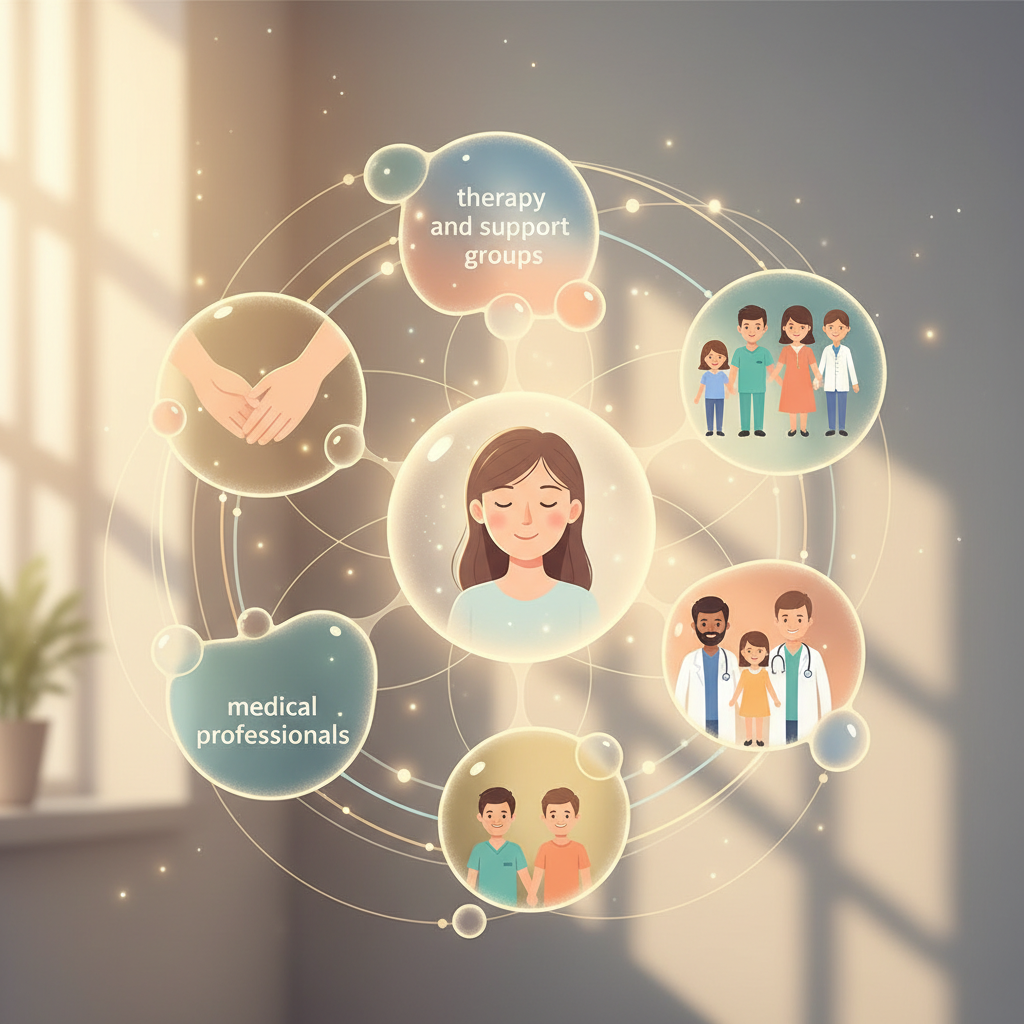
Finding mental health support for leukemia patients in Orange County involves exploring a spectrum of resources, from individual therapy to community-based support groups. The goal is to create a robust network of care tailored to each patient's unique needs, right here in communities like Anaheim and Newport Beach. This comprehensive approach ensures that emotional well-being is prioritized alongside medical treatment.
Therapy and Counseling Options
Individual therapy provides a private and confidential space for leukemia patients to process their emotions, develop coping strategies, and navigate the psychological impact of their diagnosis. Therapists specializing in psycho-oncology can use various techniques, such as cognitive behavioral therapy (CBT), mindfulness-based stress reduction (MBSR), and supportive psychotherapy, to address anxiety, depression, and trauma [6].
For families, family counseling can help improve communication, address relational strains caused by the diagnosis, and ensure that all members feel supported. Many centers in Orange County offer these specialized services, connecting patients with skilled professionals who understand the unique challenges of cancer.
Local Support Groups in Orange County
Connecting with others who understand is a powerful form of healing. Support groups for leukemia patients and their families in Anaheim and surrounding Orange County communities provide a safe space to share experiences, exchange practical advice, and reduce feelings of isolation [8]. These groups can be condition-specific (e.g., for leukemia patients) or focused on broader cancer experiences.
Cancer Answers OC can help you find local, reputable support groups. These gatherings foster a sense of community, allowing individuals to realize they are not alone in their journey. Peer support has been shown to significantly improve emotional well-being and coping ability [9].
Practical Strategies for Coping and Well-being
Beyond professional support, there are many practical strategies that leukemia patients can embrace to enhance their mental well-being. These techniques, often taught in therapy or through support programs, empower individuals to take an active role in managing their emotional health. Remember, every small step towards self-care makes a difference.
Mindfulness and Relaxation Techniques
Mindfulness practices, such as meditation and deep breathing exercises, can help reduce stress, manage pain, and improve emotional regulation [6]. By focusing on the present moment, patients can learn to observe difficult thoughts and feelings without being overwhelmed by them. Many local centers and online resources offer guided mindfulness sessions specifically designed for cancer patients.
Relaxation techniques, like progressive muscle relaxation or guided imagery, can also promote a sense of calm and well-being. These practices can be easily incorporated into daily routines, offering immediate relief from anxiety and helping to foster a more peaceful mindset.
Maintaining Connections and Communication
Staying connected with loved ones and openly communicating feelings are vital for mental health. Isolation can exacerbate distress, while strong social support acts as a buffer against the psychological challenges of cancer [5]. Encourage open dialogue with family and friends about what you're experiencing, even if it feels difficult.
Consider utilizing virtual connections if in-person meetings are challenging. Online support communities can also provide a sense of belonging and understanding. At Cancer Answers OC, we encourage patients to leverage all available resources, including our /contact page, to stay connected. You can also discreetly reach out to our team using the free Ask the Assistant chat function on the bottom-right of your screen for private, instant, 24/7 support.
Supporting Caregivers and Families
Leukemia doesn't just affect the patient; it impacts the entire family unit. Caregivers often shoulder immense responsibilities, from managing appointments and medications to providing emotional support, all while coping with their own fears and anxieties. Their mental health is just as important and deserves dedicated attention.
The Caregiver Burden
Caregivers frequently experience high levels of stress, burnout, anxiety, and depression [10]. They may neglect their own needs while prioritizing the patient's, leading to exhaustion and resentment. Recognizing the 'caregiver burden' is crucial for both the caregiver and the patient's long-term well-being. Neglecting caregiver mental health can ultimately impact the quality of care provided.
Resources for caregivers, such as support groups, therapy, and respite care, are essential. Encouraging caregivers to seek their own support is not selfish; it's a necessary step to sustain their capacity to care effectively and maintain their own health.
Resources for Family Members
Orange County offers various resources tailored for family members and caregivers of cancer patients. These can include educational programs on coping strategies, counseling services, and dedicated support groups. These platforms allow caregivers to connect with others facing similar challenges, share experiences, and learn practical tips for managing their demanding role [7].
At Cancer Answers OC, our specialists can help guide families toward appropriate local resources. Exploring options like joining a local caregiver support group in Anaheim or seeking individual counseling can make a significant difference in managing the emotional toll of caring for a loved one with leukemia.
When to Seek Professional Guidance
While self-care strategies and peer support are invaluable, there are times when professional mental health guidance becomes necessary. Knowing when to reach out to a professional can prevent distress from escalating and ensure you receive the specialized care you need.
Recognizing Warning Signs
Pay attention to persistent changes in your mood, thoughts, or behavior. Warning signs that may indicate a need for professional help include [1]:
- Prolonged sadness or hopelessness: If feelings of sadness are intense and last for more than two weeks.
- Loss of interest: No longer enjoying activities you once loved.
- Overwhelming anxiety or panic attacks: Frequent feelings of dread, worry, or sudden episodes of intense fear.
- Sleep disturbances: Significant difficulty falling or staying asleep, or sleeping too much.
- Changes in appetite: Significant weight loss or gain unrelated to treatment side effects.
- Difficulty concentrating: Problems focusing, remembering, or making decisions.
- Increased irritability or anger: Frequent outbursts or persistent feelings of frustration.
- Thoughts of self-harm or suicide: If you or someone you know is in immediate danger, please call or text 988 (Suicide & Crisis Lifeline) immediately [7].
If you experience any of these symptoms, it's crucial to discuss them with your oncology team or a mental health professional.
How to Access Specialized Care
Accessing specialized mental health care for leukemia patients in Orange County often starts with a conversation with your primary oncology team. They can provide referrals to psycho-oncologists, psychologists, or social workers who specialize in cancer care.
You can also actively seek out mental health professionals through reputable directories or through organizations like Cancer Answers OC using our /for-physicians/refer or /find-specialist pages. Many insurance plans cover mental health services, but it's always wise to confirm coverage beforehand. Don't hesitate to advocate for your mental well-being; it's a critical part of your overall treatment plan.
Frequently asked questions
What is the most common mental health issue for leukemia patients?
Anxiety and depression are among the most common mental health challenges faced by leukemia patients [2]. The unpredictability of the disease, the intensity of treatment, and the fear of recurrence all contribute to these feelings.
How can I find a therapist specializing in cancer care in Orange County?
Your oncology team is often the best first point of contact for referrals to psycho-oncologists or therapists experienced in cancer care. You can also explore local mental health directories, contact cancer support organizations, or reach out to Cancer Answers OC's specialists through our /contact page for guidance on finding referrals in Anaheim and nearby cities.
Are there specific support groups for leukemia patients in Anaheim?
While specific groups for leukemia can vary, many general cancer support groups in Orange County welcome leukemia patients and their families. Organizations like the Leukemia & Lymphoma Society also offer virtual and in-person connections. Cancer Answers OC can help direct you to local resources and facilitate connections.
How can I help a loved one with leukemia who is struggling emotionally?
Offer empathetic listening, validate their feelings, and encourage them to seek professional mental health support. Help them research resources, attend appointments with them if they wish, and ensure they know they are not alone. Also, remember to take care of your own mental health as a caregiver.
Is mental health support covered by insurance for cancer patients?
Coverage for mental health services can vary widely depending on your specific insurance plan and the type of provider. It's always best to contact your insurance provider directly to understand your benefits for therapy and counseling, especially when seeking specialized psycho-oncology services.
What are some simple coping mechanisms for daily stress during treatment?
Simple coping mechanisms include deep breathing exercises, short meditation sessions, light physical activity (if approved by your doctor), listening to calming music, connecting with nature, or engaging in a cherished hobby for short periods. Even a few minutes of self-care can make a difference in managing daily stress.
When to call your care team
- New or worsening feelings of depression, anxiety, or hopelessness.
- Thoughts of harming yourself or others.
- Inability to sleep or eat for prolonged periods.
- Overwhelming fatigue that impacts your daily life substantially.
- Difficulty managing daily tasks due to emotional distress.
- Concern about a loved one experiencing severe emotional symptoms.
How Cancer Answers OC can help
At Cancer Answers OC, we understand that fighting leukemia involves more than just medical treatment; it demands comprehensive emotional and psychological support. We are dedicated to connecting leukemia patients and their families in Orange County with the specialized mental health resources they need, right in their community, from Anaheim to Newport Beach. Our network includes expert psycho-oncologists, counselors, and support groups tailored to cancer patients' unique challenges.
Don't navigate this journey alone. Our free Ask the Assistant chat (floating bottom-right button) provides instant, private, 24/7 access to information and guidance, with live Orange County specialists available when you need personalized support. We can help you explore therapy options, find local support groups, and connect with professionals who genuinely understand your experience. Whether you need a /second-opinion on your treatment plan or desire to learn more about /clinical-trials, we are here to support your holistic well-being every step of the way.
Related resources
- A Caregiver's Guide to Coping With Anxiety After Cancer Treatment
- Finding Psychological Support for Leukemia Patients in Anaheim
- Navigating Emotional Well-being for Ovarian Cancer Patients in Anaheim
- Find a cancer specialist in Orange County
- Get a second opinion
- Insurance and coverage guide
Sources
- The Impact of Cancer on Mental Health and the Importance of ... - PMC. https://pmc.ncbi.nlm.nih.gov/articles/PMC11368479/
- Mental Health in Persons With Chronic Myeloid Leukemia During ... https://pmc.ncbi.nlm.nih.gov/articles/PMC8217438/
- Effects of different psychological interventions on quality of life and ... https://pmc.ncbi.nlm.nih.gov/articles/PMC9978370/
- Psychiatric Disorders and Mental Health Service Use in Patients ... https://pmc.ncbi.nlm.nih.gov/articles/PMC1459283/
- The Psychosocial Needs of Cancer Patients - NCBI. https://www.ncbi.nlm.nih.gov/books/NBK4011/
- Stress Management Interventions to Facilitate Psychological and ... https://pmc.ncbi.nlm.nih.gov/articles/PMC10358426/
- Mental Health and Crisis Services | Blood Cancer United. https://bloodcancerunited.org/other-helpful-organizations/patient-and-caregiver-support-and-counseling/mental-health-and-crisis
- Getting Support - Leukemia Research Foundation. https://leukemiarf.org/patients/treatment/getting-support/
- Emotional Support for Leukemia Patients - Massive Bio. https://massivebio.com/emotional-support-for-leukemia-patients-bio/
- Mental Health & Blood Cancer | Let's Outdo Cancer by Pfizer. https://cancer.pfizer.com/consumer/article/mental-health-and-blood-cancer