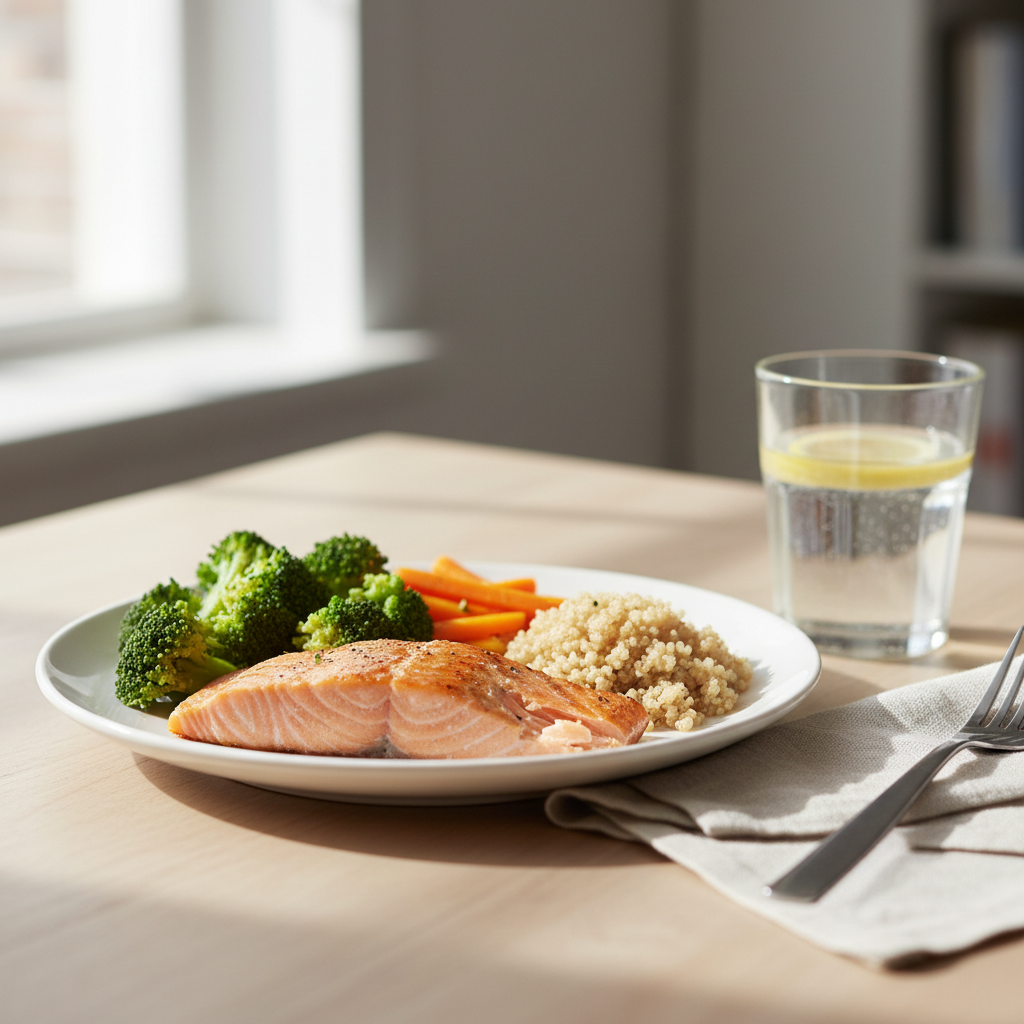
Navigating nutrition during pancreatic cancer treatment can feel overwhelming, yet it is a critical component of your overall care and well-being. This guide provides evidence-based strategies and practical tips to help you maintain strength, manage symptoms, and support your recovery journey.
Good nutrition can significantly impact how you tolerate treatments, recover from surgery, and maintain your quality of life. Understanding the unique challenges pancreatic cancer presents to digestion and absorption is key to developing an effective dietary plan.
Key takeaways
- Pancreatic cancer and its treatments often disrupt digestion and nutrient absorption, necessitating specialized dietary approaches.
- Maintaining adequate caloric and protein intake is crucial to combat weight loss and muscle wasting.
- Pancreatic enzyme replacement therapy (PERT) is frequently essential for improving digestion and nutrient absorption.
- Small, frequent, nutrient-dense meals can help manage symptoms like nausea, early satiety, and malabsorption.
- Working closely with a registered dietitian specializing in oncology is vital for personalized nutrition guidance.
The Unique Nutritional Challenges of Pancreatic Cancer
Pancreatic cancer presents distinct nutritional hurdles that distinguish it from many other cancers. The location and function of the pancreas mean that both the disease itself and its treatments can directly impact digestion and metabolism. Understanding these challenges is the first step toward effective nutritional management.
Impact on Digestion and Absorption
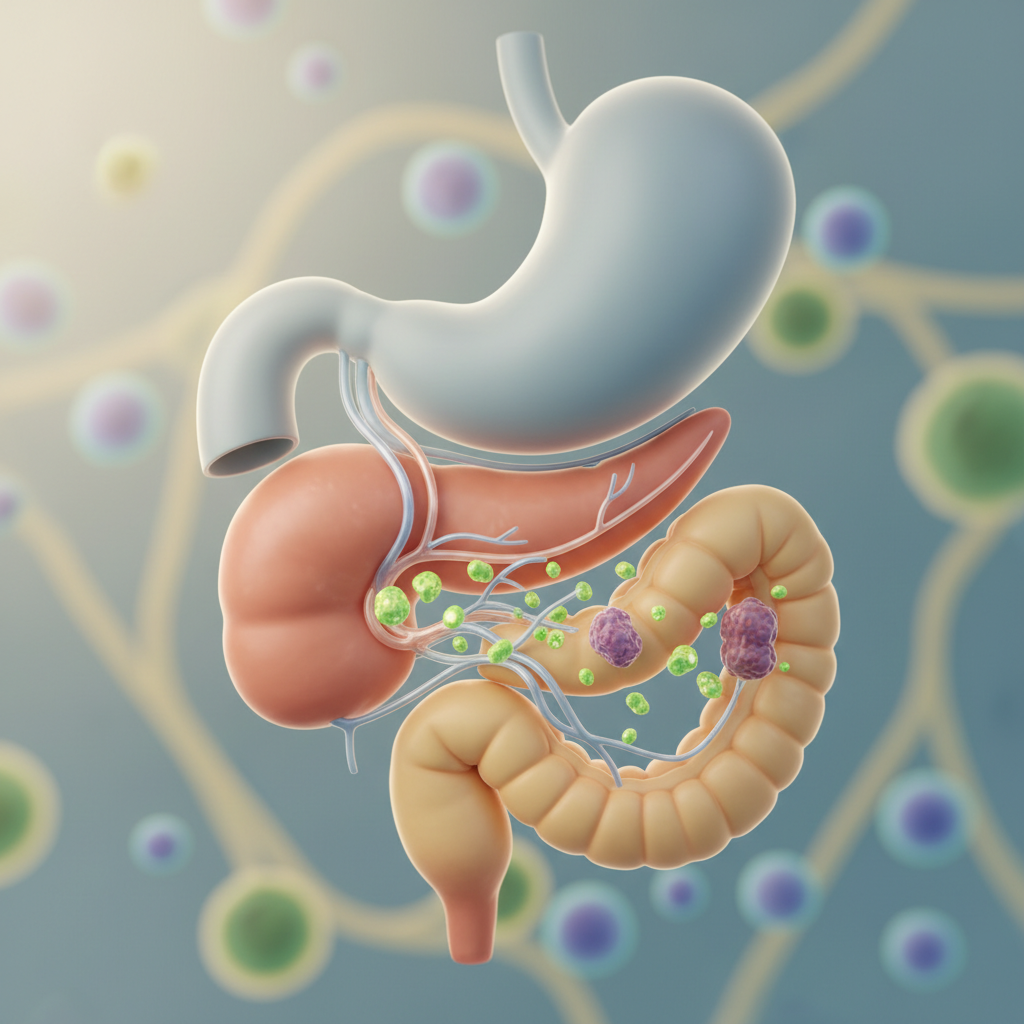
The pancreas plays a vital role in digestion by producing enzymes that break down fats, proteins, and carbohydrates in the small intestine. When pancreatic cancer affects this organ, it can lead to pancreatic insufficiency, where not enough enzymes are produced [1]. This results in malabsorption, meaning your body cannot properly absorb nutrients from food, often leading to symptoms like diarrhea, gas, bloating, and significant weight loss.
Furthermore, the tumor itself can block the pancreatic duct or bile duct, further impairing digestion and causing discomfort. These digestive issues compound the challenge of maintaining adequate nutrition, which is crucial for fighting cancer and enduring treatment [2].
Cancer Cachexia and Weight Loss
Cancer cachexia is a complex metabolic syndrome characterized by involuntary weight loss, muscle wasting, and fatigue, frequently seen in pancreatic cancer patients [3]. This condition can occur even with adequate calorie intake due to systemic inflammation and altered metabolism caused by the cancer. Weight loss can severely impact treatment tolerance, recovery, and overall prognosis.
Addressing cachexia requires a multi-faceted approach, including optimizing nutrient intake, managing symptoms, and, in some cases, incorporating specific interventions to preserve muscle mass. Our specialists in Orange County understand these complexities and can help devise a strategy to mitigate these effects. You can even find local Orange County clinical trials that directly address cancer-related cachexia by exploring our clinical trials section: /clinical-trials.
Crafting Your Diet: Foods to Embrace
Focusing on nutrient-dense, easily digestible foods is paramount for pancreatic cancer patients. The goal is to maximize calorie and protein intake while minimizing gastrointestinal distress.
Prioritizing Protein and Healthy Fats
Protein is essential for rebuilding tissues, maintaining muscle mass, and supporting immune function, especially during cancer treatment [4]. Lean protein sources like poultry, fish, eggs, dairy, and plant-based options such as tofu and legumes are excellent choices. Healthy fats, including avocados, nuts, seeds, and olive oil, provide concentrated calories, which are vital for preventing weight loss.
It's often beneficial to choose easily digestible fats, as malabsorption of fats is common. Your dietitian may recommend medium-chain triglycerides (MCT) oil, which is absorbed differently and can be a good source of calories.
Choosing Complex Carbohydrates and Fiber
Complex carbohydrates, found in whole grains, fruits, and vegetables, provide essential energy and nutrients. However, patients may need to adjust fiber intake based on their symptoms. While fiber is generally healthy, too much fiber can sometimes exacerbate bloating or diarrhea in individuals with pancreatic insufficiency.
Focus on cooked, softer vegetables and fruits if raw varieties are poorly tolerated. Examples include mashed sweet potatoes, cooked carrots, bananas, and applesauce. These options provide nutrients without excessive digestive strain.
Managing Symptoms Through Nutrition
Pancreatic cancer and its treatments can lead to various challenging symptoms that directly affect food intake and digestion. Strategic nutritional management can help alleviate these symptoms and improve quality of life.
Combatting Nausea and Vomiting
Nausea and vomiting are common side effects of chemotherapy and, occasionally, the cancer itself. To manage these, try eating small, frequent meals throughout the day instead of large ones. Bland, low-fat foods like crackers, toast, clear broths, and plain pasta are often better tolerated. Avoid strong-smelling foods, and ensure adequate hydration with sips of clear liquids like ginger ale or electrolyte drinks.
Cold foods, such as yogurt or fruit pops, might also be more appealing than hot, aromatic dishes. Consulting your care team about anti-nausea medications before meals can also make a significant difference.
Addressing Diarrhea and Constipation
Diarrhea can result from malabsorption due to pancreatic insufficiency or side effects of treatment. For diarrhea, focus on low-fiber, bland foods and ensure good hydration to prevent dehydration. Foods like white rice, bananas, applesauce, and plain chicken can be helpful. Avoid greasy, spicy, and high-fiber foods temporarily.
Constipation, often a side effect of pain medications or changes in diet, can be managed by increasing fluid intake, gentle physical activity, and gradually reintroducing fiber-rich foods if tolerated. Prune juice or stool softeners might be recommended by your doctor. Always discuss persistent bowel changes with your medical team.
The Role of Pancreatic Enzyme Supplements
For many pancreatic cancer patients, pancreatic enzyme replacement therapy (PERT) is a cornerstone of nutritional management. Without sufficient enzymes, food passes through the digestive tract undigested, leading to malabsorption and its associated symptoms.
Understanding Pancreatic Enzyme Replacement Therapy (PERT)
Pancreatic enzyme products (PEPs) contain the digestive enzymes (lipase, protease, and amylase) that a healthy pancreas would normally produce. Taking these supplements with meals and snacks helps your body properly break down fats, proteins, and carbohydrates, allowing for better nutrient absorption and reduced digestive symptoms [5]. The dosage and timing of PERT are highly individualized and depend on the severity of pancreatic insufficiency, the type of food consumed, and individual response.
Proper Usage and Dosage
It is crucial to take PERT exactly as prescribed by your doctor or dietitian. Generally, enzymes are taken with the first bite of food for meals and snacks. The dose may vary based on the fat content of the meal and the individual's symptoms. Never chew or crush enteric-coated enzyme capsules, as this can destroy the enzymes before they reach the small intestine. Be consistent with taking enzymes, even for small snacks, to maximize their effectiveness. Adjustments to dosage should always be made under the guidance of a healthcare professional. If you have questions about your PERT, you can privately ask one of our Orange County oncology specialists instantly using the free Ask the Assistant chat, available at the floating button on the bottom right of your screen.
In-depth look
Planning Your Meals and Snacks
Strategic meal planning is essential for ensuring consistent nutrient intake and managing energy levels throughout the day. Small, frequent meals are generally better tolerated than three large ones.
Small, Frequent, Nutrient-Dense Meals
Aim for 5–6 small meals and snacks throughout the day, roughly every 2–3 hours. This approach helps reduce the digestive load, provides a continuous supply of energy, and can prevent feelings of extreme fullness or nausea. Focus on making each small meal as nutrient-dense as possible. For example, instead of just toast, have toast with avocado and a sprinkle of hemp seeds for added healthy fats and protein.
Liquid nutrition, such as nutritional supplement drinks, can also be a valuable way to boost calories and protein without requiring a large amount of solid food. These can be particularly helpful on days when appetite is low or when preparing full meals feels too demanding.
Hydration and Oral Supplements
Staying well-hydrated is crucial, especially when dealing with symptoms like diarrhea or vomiting. Water, diluted fruit juices, clear broths, and oral rehydration solutions are good choices. Avoid excessive caffeine and sugary drinks, which can sometimes exacerbate gastrointestinal issues.
Oral nutritional supplements (ONS), such as medical shakes or puddings, can play a significant role in preventing or reversing weight loss. These provide concentrated calories, protein, and other essential nutrients in an easy-to-consume form. Your dietitian can help you choose the best type of ONS for your specific needs and integrate it into your daily meal plan.
Foods and Habits to Avoid or Limit
While focusing on what to eat is important, understanding which foods and eating habits might exacerbate symptoms is equally crucial for pancreatic cancer patients.
Highly Processed and Fatty Foods
Foods high in saturated and trans fats, such as fried foods, fast food, and many processed snacks, can be difficult to digest for individuals with pancreatic insufficiency, potentially leading to increased bloating, gas, and diarrhea. Even with PERT, these foods can be overwhelming for a compromised digestive system.
Similarly, highly processed foods often lack essential nutrients and can contribute to inflammation. Opt for whole, unprocessed foods whenever possible to support overall health and minimize digestive discomfort. This is often the best diet for pancreatic cancer recovery.
Alcohol, Caffeine, and Spicy Foods
Alcohol should generally be avoided or severely limited in pancreatic cancer patients, as it can directly irritate the pancreas and interfere with treatment effectiveness. Caffeine and overly spicy foods can also sometimes trigger or worsen gastrointestinal symptoms like indigestion, heartburn, or diarrhea in sensitive individuals.
It's important to listen to your body and identify specific triggers. What causes discomfort for one person might be tolerated by another. Keep a food diary to track symptoms and discuss any consistent issues with your oncology dietitian.
The Importance of Professional Nutritional Guidance
Given the complex nutritional challenges posed by pancreatic cancer, personalized guidance from a qualified healthcare professional is not just helpful—it's essential.
Working with an Oncology Dietitian
A registered dietitian (RD) specializing in oncology can provide invaluable support. They possess expertise in the metabolic changes driven by cancer and its treatments, allowing them to create a tailored nutrition plan that addresses your unique needs, symptoms, and treatment schedule [3]. An oncology dietitian can help you:
- Assess your nutritional status and identify deficiencies.
- Develop strategies to manage symptoms like nausea, diarrhea, and constipation.
- Optimize caloric and protein intake to prevent weight loss and preserve muscle mass.
- Provide guidance on pancreatic enzyme replacement therapy (PERT) dosage and timing.
- Offer practical food choices and meal preparation tips.
Regular Monitoring and Adjustments
Your nutritional needs can change rapidly throughout your cancer journey due to treatment side effects, disease progression, or changes in your appetite. Regular check-ins with your oncology dietitian and care team are crucial for monitoring your nutritional status and making necessary adjustments to your diet plan. This ongoing support ensures that your nutrition plan remains effective and responsive to your evolving health needs. Don't hesitate to reach out for a personalized consultation through our /find-specialist page.
Frequently asked questions
What is the best diet for pancreatic cancer recovery?
The "best" diet is highly individualized, but generally, it involves a high-calorie, high-protein approach focusing on easily digestible, nutrient-dense foods. This includes lean proteins, healthy fats, and complex carbohydrates, often consumed in small, frequent meals. Close collaboration with an oncology dietitian is key to tailoring this for your specific needs and managing any side effects.
How can I gain weight with pancreatic cancer?
Gaining weight with pancreatic cancer often requires a concerted effort. Strategies include consuming small, frequent, nutrient-dense meals; incorporating healthy fats (like avocado, nuts, and olive oil); using oral nutritional supplements; and ensuring proper pancreatic enzyme replacement therapy (PERT) to maximize nutrient absorption. Your oncology dietitian can provide a personalized plan.
What foods should be avoided with pancreatic cancer?
Generally, it's advisable to limit or avoid highly processed foods, sugary drinks, excessive red and processed meats, and foods high in unhealthy fats (fried foods, fast food). Spicy foods, excessive caffeine, and alcohol can also exacerbate symptoms for some individuals. However, tolerance varies, so listen to your body and consult your care team.
Are pancreatic enzyme supplements necessary for all pancreatic cancer patients?
Pancreatic enzyme replacement therapy (PERT) is often necessary for pancreatic cancer patients, especially those with pancreatic insufficiency or who have undergone surgery affecting the pancreas (like a Whipple procedure). It significantly improves digestion and nutrient absorption. Your doctor will assess whether PERT is appropriate for your specific condition.
How does nutrition impact pancreatic cancer treatment effectiveness?
Good nutrition is crucial for treatment effectiveness. Adequate nutrient intake helps your body tolerate aggressive treatments like chemotherapy and radiation, supports immune function, aids in recovery from surgery, and reduces the risk of complications. Maintaining strength and minimizing weight loss can significantly improve your quality of life and potentially your treatment outcomes.
Can herbal supplements help with pancreatic cancer nutrition?
While some herbal supplements are marketed for general health, their efficacy and safety in pancreatic cancer are not well-established, and some may interact negatively with treatments. It's imperative to discuss any supplements with your oncology team before taking them to ensure they are safe and do not interfere with your prescribed therapy.
When to call your care team
Reach out to your doctor or oncology dietitian if you experience any of the following:
- Unexplained or rapid weight loss.
- Persistent nausea, vomiting, or diarrhea unrelieved by home remedies or prescribed medications.
- Severe abdominal pain or discomfort after eating.
- Significant changes in appetite or ability to eat.
- New or worsening symptoms like bloating, gas, or fatty stools.
- Difficulty taking your pancreatic enzyme supplements as prescribed.
- Any concerns about your diet or nutritional status.
How Cancer Answers OC can help
At Cancer Answers OC, we understand that navigating pancreatic cancer is a profound journey, and nutrition is a critical component of your care. Our network of specialized oncology dietitians and medical professionals in Orange County is dedicated to providing personalized, evidence-based guidance tailored to your unique needs.
We can connect you with experts who will work closely with you to develop a comprehensive nutrition plan, manage symptoms, and support your overall well-being throughout your treatment and recovery. Explore our services or request a /second-opinion to ensure your nutritional health is optimally supported. Remember, for immediate, private support, our free Ask the Assistant chat (floating bottom-right button) offers 24/7 access to information and will connect you with a live OC specialist if you need it.
Related resources
- Nourishing Hope: Optimal Nutrition for Ovarian Cancer Patients
- Dietary Advice for Anemia During Cancer Treatment: A Guide for Patients in Orange County
- Nourishing Your Body: The Best Diet During Pancreatic Cancer Treatment
- Find a cancer specialist in Orange County
- Get a second opinion
- Insurance and coverage guide
Sources
- Nutrition in Pancreatic Cancer: A Review - PMC URL: https://pmc.ncbi.nlm.nih.gov/articles/PMC4924449/
- Beneficial Diets and Pancreatic Cancer: Molecular Mechanisms and ... URL: https://pmc.ncbi.nlm.nih.gov/articles/PMC8193730/
- Nutritional Interventions in Pancreatic Cancer: A Systematic Review URL: https://pmc.ncbi.nlm.nih.gov/articles/PMC9101959/
- Nutrition During Cancer - NCI URL: https://www.cancer.gov/about-cancer/treatment/side-effects/nutrition
- Nutrition in Pancreatic Diseases: A Roadmap for the ... - PMC - NIH URL: https://pmc.ncbi.nlm.nih.gov/articles/PMC10836866/