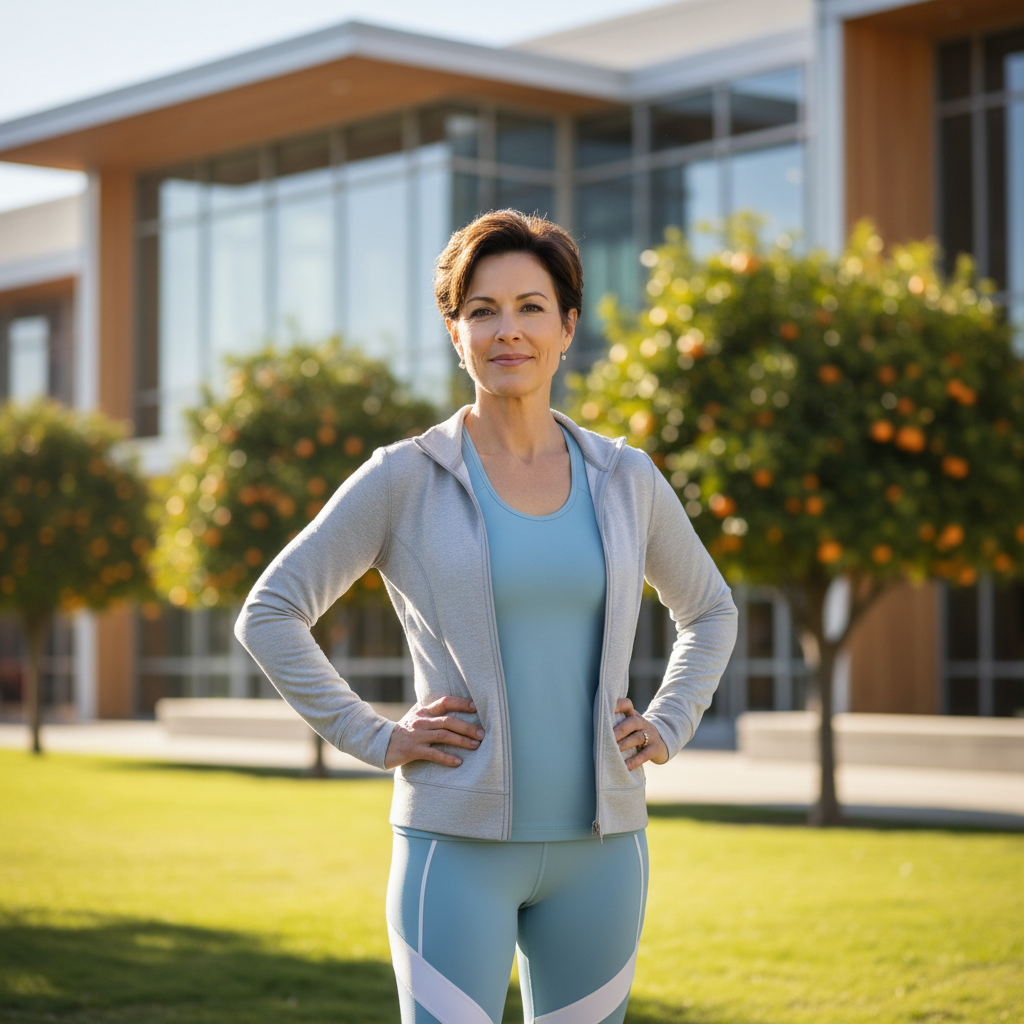
Navigating life after breast cancer treatment can feel like uncharted territory, especially when it comes to regaining your physical strength and well-being. The good news is that exercise is not just safe, but highly beneficial, empowering you to heal, reduce side effects, and improve your quality of life. This guide will walk you through how to safely incorporate exercise into your recovery journey, highlighting resources available right here in Orange County, particularly Irvine.
Key takeaways
- Exercise is safe and crucial: Regular physical activity significantly improves recovery and quality of life after breast cancer treatment.
- Start slowly and listen to your body: Begin with gentle activities and gradually increase intensity, always prioritizing comfort and safety.
- Physical therapy is invaluable: Specialized physical therapy can address specific needs like lymphedema and mobility issues.
- Benefits are extensive: Exercise helps manage fatigue, improve mood, reduce recurrence risk, and boost overall health.
- Local resources are available: Orange County offers numerous programs and specialists to support breast cancer survivors in their fitness journeys.
Why Exercise After Breast Cancer Treatment is Essential
Feeling tired, weak, or anxious after treatment is perfectly normal. However, staying active can be one of the most powerful tools in your recovery arsenal. Many people wonder if exercise is even safe, but evidence shows it's not only safe but highly recommended for managing side effects and improving long-term health [1].
Counteracting Treatment Side Effects
Breast cancer treatments, including surgery, chemotherapy, radiation, and hormone therapy, can leave you feeling fatigued, with reduced strength, and sometimes even a condition called lymphedema. Regular physical activity can dramatically lessen these impacts. It helps combat the persistent fatigue that often lingers after treatment, and can positively influence your mood and mental well-being [4].
Reducing Recurrence Risk and Improving Outlook
Beyond immediate relief, engaging in regular exercise after breast cancer treatment in Irvine can play a role in your long-term health. Studies suggest that physical activity may help reduce the risk of cancer recurrence and improve overall survival rates [7]. It contributes to maintaining a healthy weight, strengthens your immune system, and can positively affect hormonal balance, all factors linked to cancer risk.
Getting Started Safely: Your First Steps
Embarking on an exercise program post-treatment requires a thoughtful approach. It’s crucial to collaborate with your healthcare team to ensure your plan is tailored to your specific needs and recovery stage. Your journey will be unique, but these general guidelines can help you get started on the right foot.
Consulting Your Healthcare Team
Before beginning any new exercise routine, talk to your oncologist, surgeon, or physical therapist. They can provide personalized recommendations based on your specific treatment history, any lingering side effects, and overall health status. This initial consultation is vital to ensure that your exercise plan is safe and effective for you.
Listening to Your Body and Pacing Yourself
Recovery isn't a race. It's a marathon that requires patience and self-compassion. Start with gentle activities and listen closely to your body’s signals. If something causes pain or discomfort, stop. Gradually increase the duration and intensity of your workouts as your strength and stamina improve. Remember, consistency is more important than intensity in the early stages.
Types of Safe Exercises for Breast Cancer Patients
Incorporating a variety of exercises can help you address different aspects of your recovery, from regaining strength to improving flexibility and boosting cardiovascular health. The key is finding activities you enjoy and that feel good for your body.
Cardiovascular Activities for Energy and Heart Health
Low-impact aerobic exercises are excellent for improving stamina and cardiovascular health without putting undue stress on your body. Think brisk walking, swimming, cycling on a stationary bike, or using an elliptical machine. Even short, frequent bouts of activity, like walking around your neighborhood in Irvine, can add up and make a significant difference [6]. Aim for consistency rather than overwhelming workouts.
Strength Training for Muscle Rebuilding
Building muscle strength is essential for daily activities and can help reduce fatigue. Focus on light weights, resistance bands, or even your own body weight. Exercises like wall push-ups, modified squats, or gentle bicep curls can be beneficial [10]. Be mindful of any restrictions, especially around the arm and chest area if you've had surgery, and consider working with a physical therapist to learn proper form.
Flexibility and Balance Exercises
Surgery and radiation therapy can sometimes lead to stiffness or reduced range of motion in your shoulder and arm. Gentle stretching, yoga, and Tai Chi can help improve flexibility, relieve tension, and enhance your balance, reducing your risk of falls. These practices also offer a calming effect, aiding in stress reduction during your recovery.
In-depth look
Exercise after breast cancer treatment isn't just about physical recovery; it's a holistic approach to reclaiming your life. It can significantly improve your mental health, reduce treatment-related fatigue, and even help manage the risk of other health issues. Understanding the full scope of benefits can be a powerful motivator.

Addressing Physical Challenges: Lymphedema and Mobility
For many breast cancer survivors, lymphedema—swelling caused by fluid buildup, often in the arm or hand—is a concern. Physical therapy for lymphedema in Irvine is crucial in managing this condition. Specific exercises, along with manual lymphatic drainage and compression garments, can help reduce swelling and improve comfort. A physical therapist can also guide you through safe movements to restore any lost shoulder or arm mobility after surgery or radiation, ensuring you don't overdo it [9]. These specialized therapists are available across Orange County.
Boosting Mental Well-being and Reducing Cancer-Related Fatigue
The emotional journey after breast cancer can be just as taxing as the physical one. Exercise is a natural mood booster, releasing endorphins that can help alleviate anxiety and depression. It also provides a sense of accomplishment and control, empowering you to take an active role in your health. Moreover, consistent physical activity is one of the most effective strategies to combat cancer-related fatigue, a common and often debilitating side effect [4]. Even short walks can help refresh your mind and body.
Nutritional Considerations with Exercise
Supporting your exercise routine with good nutrition is vital for recovery. Focus on a balanced diet rich in fruits, vegetables, lean proteins, and whole grains. Staying well-hydrated is also crucial, especially on days you're more active. If you have specific dietary concerns or weight management goals, a registered dietitian, often available through cancer support programs in Orange County, can provide personalized guidance.
Finding Local Support and Resources in Irvine
Orange County offers a wealth of resources to support breast cancer survivors in their fitness journey. You don't have to navigate this path alone; there are professionals and programs dedicated to helping you thrive.
Physical Therapy for Lymphedema Irvine
If you're experiencing or are at risk of lymphedema, finding a certified lymphedema therapist is key. Many excellent physical therapy clinics in Irvine and throughout Orange County specialize in oncology rehabilitation, including lymphedema management. They can create a personalized exercise plan and provide hands-on techniques to minimize swelling and maximize function.
Local Fitness Programs for Cancer Survivors Orange County
Look for specialized fitness programs designed for cancer survivors. These programs often offer modified exercises, a supportive community, and instructors who understand the unique needs of individuals post-treatment. Organizations and hospitals in Orange County, including Hoag and other local centers, may offer such programs [8]. These programs can provide a safe and encouraging environment to rebuild your strength and confidence.
Connecting with Support Groups and Communities
Beyond structured exercise programs, connecting with other breast cancer survivors can be incredibly empowering. Support groups in Irvine and surrounding areas offer a space to share experiences, gain encouragement, and find exercise buddies who understand your journey. This community aspect can make maintaining an exercise routine more enjoyable and sustainable. Check with local cancer support centers or even online forums for groups near you.
Overcoming Common Barriers to Exercise
It’s natural to face challenges when trying to incorporate exercise back into your life after breast cancer. Many survivors share similar concerns, but there are strategies to help you overcome them.
Managing Fatigue and Pain
Fatigue is one of the most common barriers to exercise for breast cancer survivors [3]. The trick is to start small and listen to your body. Break up your activity into shorter, more frequent sessions. Instead of a 30-minute walk, try three 10-minute walks. For pain, choose low-impact activities and ensure proper form. Working with a physical therapist can help you identify exercises that won't exacerbate pain while still promoting strength and flexibility.
Finding Motivation and Staying Consistent
Motivation can ebb and flow. Set realistic, achievable goals. Celebrate small victories, like walking an extra five minutes or completing a new exercise. Find an exercise buddy or join a program for moral support and accountability. Vary your routine to keep it interesting. Remember your 'why' – the incredible benefits exercise offers for your physical and mental health. If you feel stuck, consider reaching out to your care team or a local psychologist specializing in cancer survivorship for guidance.
Addressing Body Image Concerns
Body image can be a sensitive topic for breast cancer survivors. Exercise can be a powerful tool for rebuilding confidence and rediscovering your body’s capabilities, focusing on what your body can do rather than its appearance. Choosing comfortable clothing, exercising in private or in supportive environments, and focusing on the internal feelings of strength and well-being can be helpful. Remember, your body is resilient, and every movement is a step towards healing.
Frequently asked questions
How soon after breast cancer surgery can I start exercising?
Generally, gentle movements and light stretching can begin almost immediately after breast cancer surgery, often while still in the hospital, under the guidance of your surgical team or a physical therapist. More strenuous activities are usually introduced gradually over several weeks to months, depending on the type of surgery and your individual recovery. Always follow your surgeon's specific instructions [10].
What exercises should I avoid if I have lymphedema?
If you have lymphedema, it's generally recommended to avoid activities that involve repetitive, heavy lifting with the affected arm or strenuous movements that could exacerbate swelling. High-impact exercises might also be discouraged. Working with a certified lymphedema physical therapist in Irvine is crucial as they can provide specific guidance on safe and unsafe exercises tailored to your condition.
Can exercise help reduce my risk of breast cancer recurrence?
Yes, studies suggest that regular physical activity can help reduce the risk of breast cancer recurrence and improve survival rates [7]. This is thought to be due to exercise's positive effects on maintaining a healthy weight, improving immune function, and regulating hormones.
How much exercise is recommended for breast cancer survivors?
Most guidelines, including those from the American Cancer Society, recommend breast cancer survivors aim for at least 150 minutes of moderate-intensity aerobic activity or 75 minutes of vigorous-intensity aerobic activity per week, plus strength training at least two days a week. However, these are general guidelines, and it's essential to start slowly and gradually increase activity as tolerated, always in consultation with your healthcare provider [2].
When to call your care team
- Sudden or worsening pain during or after exercise.
- Increased swelling, warmth, or redness in your arm or chest that might indicate lymphedema or infection.
- New or unusual shortness of breath or dizziness.
- Chest pain or pressure.
- Wounds opening or drainage from surgical sites.
- Persistent, unexplained fatigue or weakness that doesn't improve with rest.
How Cancer Answers OC can help
Cancer Answers OC is dedicated to supporting breast cancer survivors in Orange County. We understand the unique challenges you face and are here to provide evidence-based information and connect you with local resources. Our network of oncology specialists, including physical therapists and certified trainers, can guide you to programs that fit your recovery stage and goals.
If you're seeking specialized support or have questions about exercise after breast cancer treatment in Irvine, don't hesitate to use our free Ask the Assistant chat (floating button on the bottom right). It offers instant, private answers and can connect you with live OC specialists when needed. We can help you navigate local fitness programs for cancer survivors in Orange County, or connect you with physical therapy for lymphedema in Irvine. Let us help you take the next step in your healing journey. For a more personalized discussion, consider reaching out via our /contact page or utilizing our /second-opinion service to ensure your care plan is optimized for your well-being. We encourage you to always explore your options and find the best fit for your needs.
Related resources
- Prostate Cancer Treatment Options at Home: A Patient’s Guide
- Navigating Prostate Cancer Treatment Options in Orange County
- Essential Support for Lung Cancer Caregivers in Huntington Beach
- Find a cancer specialist in Orange County
- Get a second opinion
- Insurance and coverage guide
Sources
Home-based exercise improves quality of life in breast and prostate ... URL: https://pmc.ncbi.nlm.nih.gov/articles/PMC10118157/
Physical Activity in Cancer Survivors During “Re-Entry” Following ... URL: https://pmc.ncbi.nlm.nih.gov/articles/PMC5985854/
Breast cancer survivors' barriers and motives for participating in a ... URL: https://pmc.ncbi.nlm.nih.gov/articles/PMC4483247/
Impact of a Home-Based Walking Intervention on Outcomes of Sleep ... URL: https://pmc.ncbi.nlm.nih.gov/articles/PMC3639536/
E-Mindfulness Approaches for Living After Breast Cancer URL: https://clinicaltrials.gov/study/NCT06748222
A Randomized Controlled Trial of Home-Based Exercise for Cancer ... URL: https://pmc.ncbi.nlm.nih.gov/articles/PMC2891044/
Breast Cancer Survivors Better with Exercise - Newport Plastic Surgery URL: https://newportplastic.com/breast-cancer-survivors-better-with-exercise/
Education, Fitness & Support | Hoag Breast Cancer Program URL: https://www.hoag.org/specialties-services/breast-program/locations/education-fitness-support/
Strategies for Rebuilding Physical Activity After Breast Cancer URL: https://nybreasthealth.com/news/strategies-for-rebuilding-physical-activity-after-breast-cancer
Exercising After Breast Cancer Surgery | American Cancer Society URL: https://www.cancer.org/cancer/types/breast-cancer/treatment/surgery-for-breast-cancer/exercises-after-breast-cancer-surgery.html