Chemotherapy, a vital tool in cancer treatment, can bring a range of challenging side effects. Understanding these effects and knowing how to manage them can significantly improve your quality of life during treatment. This guide offers practical advice and support to help you navigate your journey with greater comfort.
At a glance
| Detail | Summary |
|---|---|
| Topic | how to manage chemo side effects |
| Who it is for | Referring clinicians |
| Area served | Orange County, California |
| Category | side-effects |
| Reading time | About 11 minutes |
| Cited sources | 6 |
| Last reviewed | 2026-06-01 |
Key takeaways
- Proactive communication with your care team is crucial for managing side effects effectively.
- Nausea and vomiting can often be prevented or significantly reduced with antiemetic medications and dietary adjustments.
- Fatigue after chemotherapy tips include balancing rest with gentle activity and maintaining good nutrition.
- Mouth sores from chemo remedies involve careful oral hygiene and pain-relieving rinses.
- Coping with hair loss can be eased by understanding its temporary nature and exploring various head coverings.
Understanding Chemotherapy and Its Impact
Chemotherapy is a powerful treatment designed to destroy cancer cells or slow their growth [5]. These drugs often target cells that divide rapidly, a hallmark of cancer cells. However, healthy cells in the body that also divide quickly — such as those in hair follicles, the lining of the digestive tract, and bone marrow — can be affected, leading to various side effects [5]. This collateral damage is why patients experience the symptoms associated with chemotherapy.
How Chemotherapy Works
Chemotherapy drugs work in different ways, depending on the specific agent and the type of cancer being treated. Some drugs disrupt cell division, others damage the cancer cell's DNA, and some starve the cells of necessary nutrients [6]. Your oncologist carefully selects a chemotherapy regimen tailored to your diagnosis, aiming to maximize effectiveness while minimizing harm to healthy tissue.
Why Side Effects Occur
Side effects occur because healthy cells that are rapidly dividing are also impacted by chemotherapy [7]. For example, cells lining your mouth and digestive tract are constantly renewing, making them susceptible to damage that causes mouth sores and nausea. Similarly, hair follicle cells divide quickly, leading to hair loss [5]. The good news is that medical advancements mean there are more ways than ever to manage these challenging symptoms [1].
Nausea and Vomiting: Nausea relief during chemotherapy
Feeling sick to your stomach or actually throwing up is one of the most common and distressing side effects of chemotherapy [1]. Fortunately, there are many effective ways to prevent and control nausea and vomiting, significantly improving comfort during treatment.
Proactive Management is Key
Your care team will likely prescribe antiemetic medications to take before your chemotherapy sessions, even if you don't feel sick [1]. Taking these as directed is crucial for preventing nausea from starting. Don't wait until you feel unwell to take your medication; prevention is always easier than treatment.
Dietary and Lifestyle Adjustments
Small, frequent meals of bland, easy-to-digest foods can help [3]. Avoid foods that are greasy, spicy, or have strong odors, as these can trigger nausea. Sipping on clear liquids, ginger ale, or peppermint tea may also provide nausea relief during chemotherapy. Staying hydrated throughout the day is also very important [10].
Battling Fatigue: Fatigue after chemotherapy tips
Fatigue during and after chemotherapy is more than just feeling tired; it's an overwhelming, persistent exhaustion that isn't relieved by rest [9]. It can profoundly affect your daily life and energy levels, but there are strategies to help you cope.
Balancing Rest and Activity
While it might seem counterintuitive, gentle physical activity can actually help reduce fatigue [2]. Short, regular walks or light stretching can improve energy levels, mood, and sleep quality. Listen to your body, though, and prioritize rest when you need it most. Balancing these two elements is a critical fatigue after chemotherapy tip.
Energy-Boosting Nutrition
Maintaining good nutrition is vital, even if your appetite is low [3]. Focus on nutrient-dense foods to fuel your body. Your care team or a registered dietitian can provide personalized guidance, helping you choose foods that are both appealing and beneficial. Staying hydrated also plays a role in combating fatigue [10].
Managing Mouth Sores: Mouth sores from chemo remedies
Mouth sores, also known as mucositis, are a common and painful side effect of chemotherapy that can make eating, drinking, and speaking difficult [5]. These sores occur when chemo damages the rapidly dividing cells lining the mouth and throat. Early and consistent care can help relieve discomfort.
Oral Hygiene Practices
Diligent oral hygiene is essential for preventing and managing mouth sores. Use a soft-bristle toothbrush and non-alcoholic mouthwash several times a day. Your care team may recommend specific rinses to numb pain or reduce inflammation. Avoiding irritating foods like acidic, spicy, or crunchy items can also help [3]. There are many effective mouth sores from chemo remedies your team can suggest.
Pain Relief and Hydration
Over-the-counter pain relievers or prescription medications can help manage discomfort. Sucking on ice chips during chemotherapy infusions might also reduce the likelihood of developing mouth sores. Keep your mouth moist by drinking plenty of water and using saliva substitutes if dryness is an issue [10].
Hair Loss: Hair loss coping strategies cancer
Hair loss, or alopecia, is often one of the most emotionally challenging side effects of chemotherapy, as it's a visible reminder of treatment [5]. It's important to remember that hair loss is usually temporary, and hair typically regrows after treatment ends.
Preparing for Hair Loss
Before treatment begins, consider cutting your hair short, which can make the shedding process feel less drastic. Many patients choose to shave their heads completely, finding it empowering. Explore wigs, scarves, hats, or turbans as hair loss coping strategies cancer patients use to maintain a sense of normalcy and confidence. Some cancer centers, like those in Orange County, offer resources for wig fittings and styling.
Scalp Care and Regrowth
During and after hair loss, be gentle with your scalp. Use mild shampoos and avoid harsh chemicals or excessive heat. Once treatment concludes, your hair will usually start to grow back, although it might have a different texture or color initially [4]. Patience and gentle care during this period are key.
In-depth look
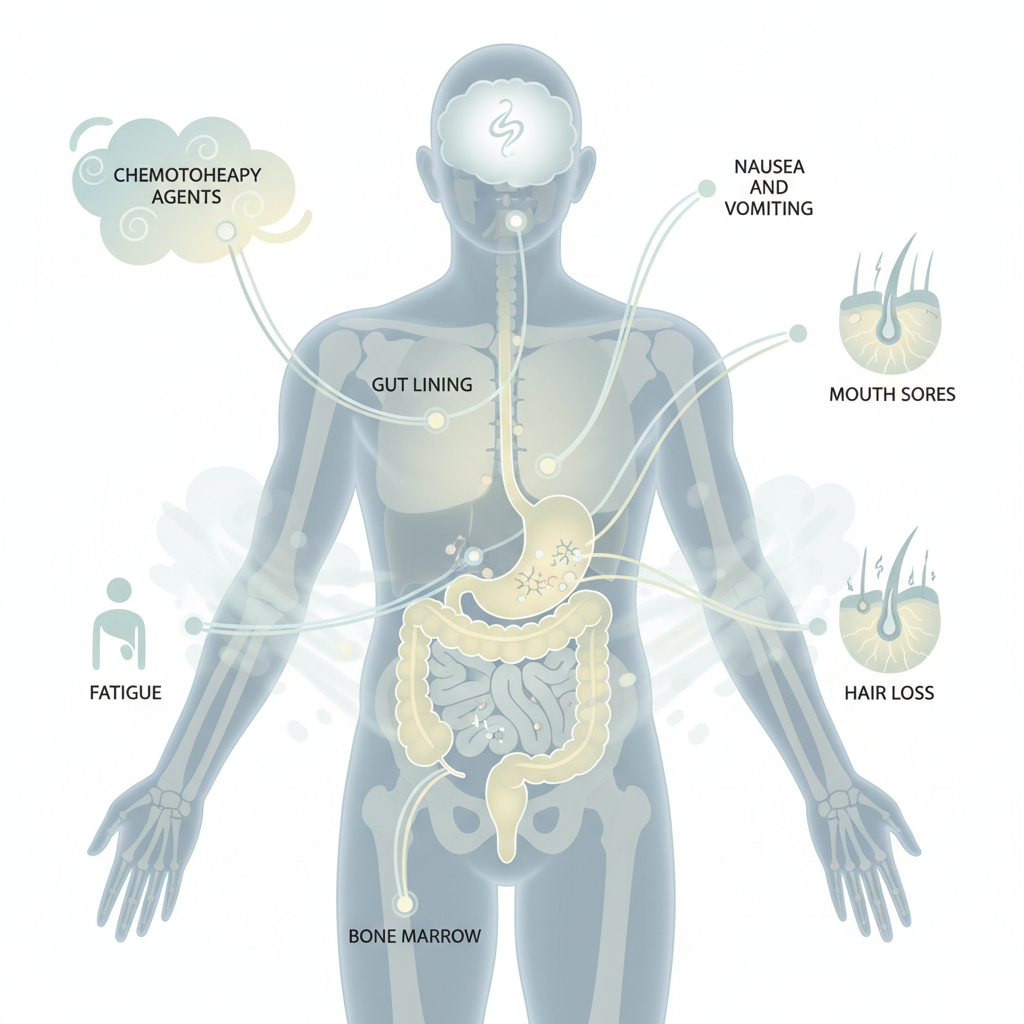
Chemotherapy's systemic nature means its effects can reach various parts of the body, leading to a spectrum of side effects. While the primary goal is to eliminate cancer cells, the drugs don't always differentiate perfectly between cancerous and healthy fast-growing cells [5]. This indiscriminate action underlies many of the challenges patients face.
Understanding Your Individualized Plan
Your specific chemotherapy regimen, including the type of drugs, dosage, and schedule, significantly influences the kind and severity of side effects you might experience [8]. Your medical team will develop a personalized plan, considering your cancer type, overall health, and potential drug interactions. They'll also discuss anticipated side effects and how best to prepare for them.
The Role of Supportive Care
Supportive care is an integral part of cancer treatment, focusing on preventing and managing the side effects of cancer and its treatment [2]. This includes medications to control nausea, pain management, nutritional counseling, and emotional support. Holistic approaches, such as acupuncture or mindfulness, might also be discussed as complementary therapies to improve well-being. Always discuss these with your care team before starting them.
Practical Support and Resources
Living with cancer and undergoing chemotherapy is a challenging journey, but you don't have to face it alone. There are numerous resources and strategies available to provide practical support and help you maintain your quality of life. Embracing these can make a significant difference in your daily experience.
Building Your Support Network
Lean on friends, family, and support groups. Sharing your experiences and feelings with others who understand can be incredibly validating and provide emotional relief. Support networks can also offer practical aid, such as help with meals, transportation to appointments, or childcare. Don't hesitate to ask for help; most people want to support you.
Navigating Your Needs in Orange County
In Orange County, there are many organizations and local groups dedicated to supporting cancer patients and their families. From specialized transportation services to nutrition programs and counseling, these resources can ease practical burdens. Your care team at Cancer Answers OC can often connect you with local support services specifically tailored to your needs. If you have questions about local resources or how to manage side effects, remember our free Ask the Assistant chat is available 24/7 for instant, private answers, with live OC specialists ready to help when needed.
Frequently asked questions
How long do chemotherapy side effects last?
The duration of chemotherapy side effects varies greatly among individuals and depends on the specific drugs used. Some side effects, like nausea and fatigue, may be most intense during and immediately after treatment cycles, gradually subsiding within days or weeks. Other effects, known as late effects, can persist for months or even years after treatment ends [4]. Your medical team can provide a more personalized timeline based on your specific regimen.
Can I prevent all chemotherapy side effects?
While it's not usually possible to prevent all chemotherapy side effects, many can be effectively managed or significantly reduced through proactive measures [8]. This includes taking prescribed anti-nausea medications on schedule, practicing good oral hygiene, and engaging in light physical activity. Open communication with your care team about any new or worsening symptoms is key to managing them effectively.
What should I eat if I'm experiencing nausea or loss of appetite?
When dealing with nausea or a decreased appetite, focus on small, frequent meals of bland, low-fat foods [3]. Think toast, crackers, clear broths, rice, or plain chicken. Avoid strong odors, very sweet, greasy, or spicy foods. Staying hydrated with water, ginger ale, or clear juices is also crucial. Your doctor or a dietitian can offer tailored dietary advice.
Is hair loss from chemo permanent?
No, hair loss from chemotherapy is almost always temporary. While it can be distressing, hair typically begins to grow back a few weeks to a few months after treatment concludes [4]. The new hair may initially have a different texture or color, but it usually returns to its original state over time.
Can exercise help with chemo side effects?
Yes, moderate and appropriate exercise can be very beneficial [2]. Gentle activities like walking, light yoga, or stretching can help combat fatigue, improve mood, reduce stress, and maintain muscle strength. Always discuss any exercise plan with your care team to ensure it's safe and appropriate for your current health status.
When to call your care team
Your care team is your most important resource during chemotherapy. Do not hesitate to call them if you experience any of the following:
- A fever of 100.4°F (38°C) or higher, or chills [10].
- Uncontrolled nausea or vomiting despite taking prescribed medications [10].
- Severe diarrhea (4 or more times in 24 hours) or constipation (no bowel movement for 2-3 days) [10].
- New or worsening pain that is not relieved by medication.
- Signs of infection, such as redness, swelling, warmth, or pus around any catheters or surgical sites, or a new cough or sore throat [10].
- Mouth sores that make it difficult to eat, drink, or swallow [10].
- Any bleeding or bruising that seems unusual.
- Any new, severe, or concerning symptom.
How Cancer Answers OC can help
Navigating cancer treatment and its side effects can feel overwhelming, but you don't have to do it alone. Cancer Answers OC is here to empower you with information, support, and access to top clinicians in Orange County. We provide evidence-based, compassionate care for every step of your journey. Whether you need a second opinion on your treatment plan or want to connect with specialists regarding specific side effects, we can help. Explore our resources for /find-specialist or consider a /second-opinion to ensure you're making the most informed decisions about your health. For quick, private answers to your questions anytime, anywhere, try our free Ask the Assistant chat, available 24/7, with live OC specialists available when you need them. We are committed to supporting you every step of the way.
Related resources
- What to Expect: Managing Chemotherapy Side Effects in Newport Beach
- Navigating Fatigue During Melanoma Treatment: A Caregiver's Guide
- Navigating the Common Side Effects of Lymphoma Treatment: A Caregiver's Guide
- Find a cancer specialist in Orange County
- Get a second opinion
- Insurance and coverage guide
Sources
[1] Nausea and Vomiting and Cancer - Side Effects - NCI. URL: https://www.cancer.gov/about-cancer/treatment/side-effects/nausea-vomiting
[2] Strategies to Mitigate Chemotherapy and Radiation Toxicities That ... URL: https://pmc.ncbi.nlm.nih.gov/articles/PMC8706251/
[3] Eating Hints: Before, during and after Cancer Treatment. URL: https://www.cancer.gov/publications/patient-education/eatinghints.pdf
[4] Coping – Late Effects - NCI - National Cancer Institute. URL: https://www.cancer.gov/about-cancer/coping/survivorship/late-effects
[5] Coping With Chemo | NIH News in Health. URL: https://newsinhealth.nih.gov/2026/02/coping-chemo
[6] how to reduce its adverse effects while maintaining the potency? URL: https://pubmed.ncbi.nlm.nih.gov/36735206/
[7] 7 chemotherapy side effects and how to manage them - MD Anderson. URL: https://www.mdanderson.org/cancerwise/7-chemotherapy-side-effects-and-how-to-manage-them.h00-159621012.html
[8] Chemotherapy Side Effects: Types & Management - Cleveland Clinic. URL: https://my.clevelandclinic.org/health/articles/10257-chemotherapy-side-effects
[9] Managing Cancer-related Side Effects | American Cancer Society. URL: https://www.cancer.org/cancer/managing-cancer/side-effects.html
[10] Managing Your Chemotherapy Side Effects. URL: https://www.mskcc.org/cancer-care/patient-education/managing-your-chemotherapy-side-effects