
Feeling unusually tired and weak during cancer treatment? Anemia is a common side effect, but specific dietary choices can often help manage it. This guide explores nutritional strategies to boost your energy and improve your well-being, focusing on practical dietary advice for anemia during cancer treatment.
Key takeaways
- Anemia, a low red blood cell count, causes fatigue and can be a side effect of cancer and its treatments.
- Iron-rich foods, both heme (animal-based) and non-heme (plant-based), are crucial for managing anemia.
- Eating vitamin C-rich foods with iron sources significantly enhances iron absorption in your body.
- Hydration and a balanced diet with protein and fiber are essential for overall well-being during treatment.
- Always consult your oncology care team and a registered dietitian for personalized dietary advice.
Understanding Anemia and Its Impact During Cancer Treatment
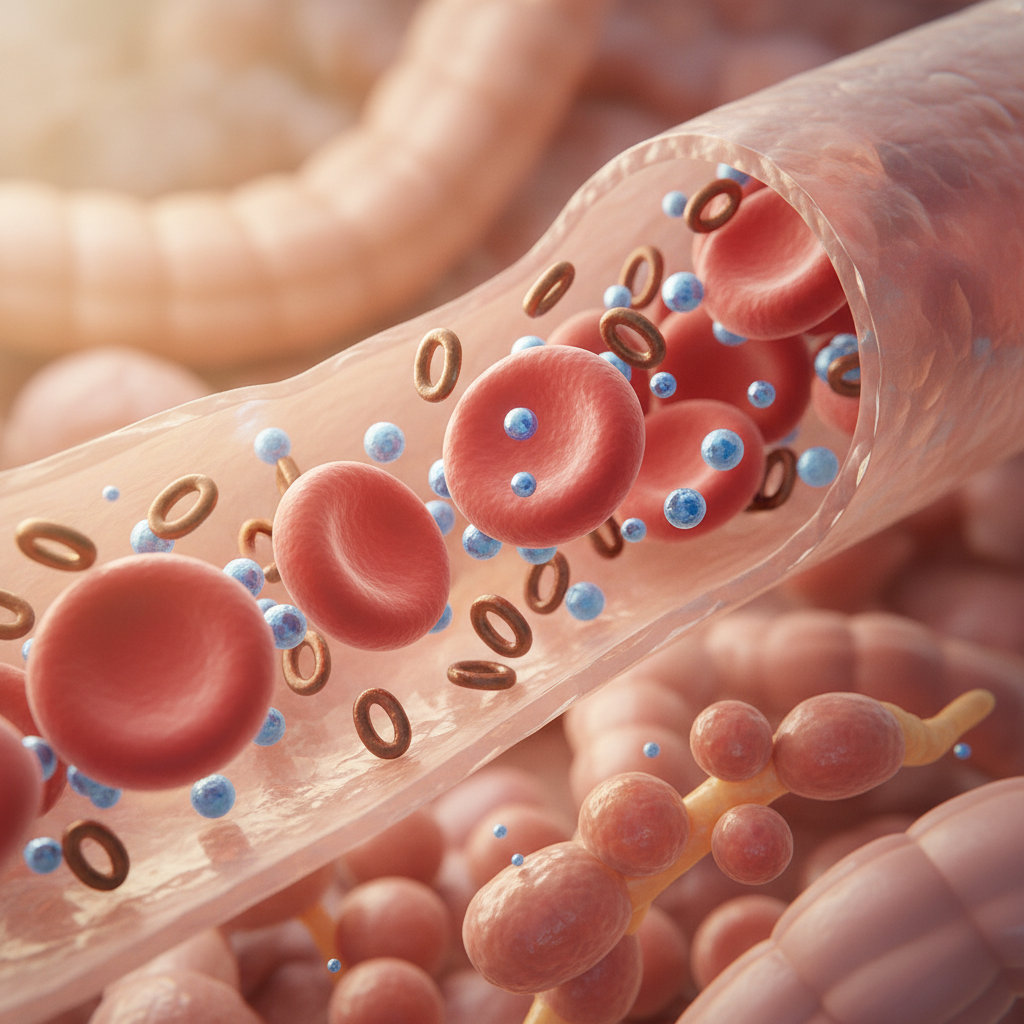
Experiencing fatigue and low energy levels are common challenges when you're battling cancer and undergoing treatment. Often, these symptoms can be linked to anemia, a condition where your body doesn't produce enough healthy red blood cells [1]. Red blood cells are vital because they carry oxygen from your lungs to all parts of your body.
What is Anemia?
Anemia occurs when your blood lacks enough healthy red blood cells or hemoglobin, the protein in red blood cells that binds to oxygen. Without sufficient oxygen, your body's tissues and organs can't function properly, leading to noticeable symptoms [4]. Many factors can contribute to anemia in cancer patients, including the cancer itself, chemotherapy, radiation, blood loss, and nutritional deficiencies [2].
Why it Matters for Cancer Patients
Managing anemia is crucial during cancer treatment because it directly affects your quality of life. Severe anemia can intensify fatigue, impacting your ability to perform daily activities and enjoy time with loved ones in Orange County. It can also weaken your immune system and, in some cases, may even lead to delays or modifications in your treatment plan [1]. Addressing anemia through proper dietary advice for anemia during cancer treatment helps ensure you maintain strength and resilience.
The Power of Nutrition: Boosting Iron and Energy
Your diet plays a significant role in managing anemia during cancer treatment. By focusing on particular nutrients, you can support your body's ability to produce healthy red blood cells and combat fatigue. This isn't about a restrictive diet, but rather embracing nutrient-dense foods.
Iron: The Core Component
Iron is an essential mineral required to make hemoglobin, the protein that enables red blood cells to transport oxygen [8]. When you don't get enough iron, or if your body can't absorb it properly, iron deficiency anemia can develop. Integrating iron-rich foods into your diet is a cornerstone of managing this condition.
Vitamin C: Your Iron Absorption Ally
Did you know that certain vitamins can help your body absorb iron more efficiently? Vitamin C is a powerful ally in this regard. Consuming foods high in vitamin C alongside iron-rich foods can significantly boost the amount of iron your body absorbs, especially from plant-based sources [10]. This simple pairing can make a big difference in improving your iron levels and alleviating anemia symptoms.
Foods to Prioritize: Iron and Vitamin C Powerhouses
Filling your plate with the right foods can be a satisfying way to combat anemia. Focus on a variety of foods that provide both iron and vitamin C to maximize their benefits. Remember to always consult with your care team or a registered dietitian for personalized recommendations during your cancer journey.
Heme Iron Sources (Animal-Based)
Heme iron is the most easily absorbed type of iron by the body and is found in animal products. Including these in your diet, if appropriate for your treatment plan, can be very effective [7].
- Lean Red Meats: Beef, lamb, and pork are excellent sources of heme iron. Choose leaner cuts to keep fat intake balanced.
- Poultry: Chicken and turkey, especially darker meat, contain good amounts of iron.
- Fish and Seafood: Tuna, salmon, oysters, clams, and shrimp are rich in heme iron and other beneficial nutrients.
- Organ Meats: Liver is particularly high in iron, though its inclusion should be discussed with your care team (e.g., /find-specialist).
Non-Heme Iron Sources (Plant-Based)
Plant-based iron is also vital, especially if you follow a vegetarian or vegan diet, or simply want to diversify your iron intake. While non-heme iron isn't absorbed as readily as heme iron, combining it with vitamin C can significantly improve absorption [10].
- Legumes: Lentils, beans (kidney, black, pinto, garbanzo), and peas are packed with iron and fiber.
- Dark Leafy Greens: Spinach, kale, Swiss chard, and collard greens are fantastic sources. Cooking them slightly can often increase nutrient availability.
- Fortified Cereals and Grains: Many breakfast cereals, breads, and pastas are fortified with iron. Check product labels.
- Nuts and Seeds: Pumpkin seeds, sesame seeds, cashews, and almonds offer a good iron boost along with healthy fats.
- Dried Fruits: Raisins, apricots, and prunes are concentrated sources of iron, but also naturally high in sugar, so consume in moderation.
Vitamin C-Rich Foods to Pair with Iron
To give your iron absorption a boost, always try to include a vitamin C source with your iron-rich meals. This simple trick can make a big difference!
- Citrus Fruits: Oranges, grapefruits, lemons, and limes are classic vitamin C powerhouses.
- Berries: Strawberries, blueberries, raspberries, and blackberries are not only rich in vitamin C but also antioxidants.
- Bell Peppers: Red, yellow, and orange bell peppers contain more vitamin C than an orange.
- Broccoli and Brussels Sprouts: These cruciferous vegetables offer both vitamin C and other beneficial nutrients.
- Tomatoes: Fresh tomatoes, tomato sauce, and even sun-dried tomatoes provide good amounts of vitamin C.
In-depth look
Anemia during cancer treatment is a complex issue, often resulting from multiple factors. Beyond dietary intake, the disease itself can cause inflammation, which impacts how your body uses iron. Additionally, chemotherapy and radiation can damage bone marrow, reducing its ability to produce new blood cells [4]. Understanding these underlying mechanisms helps in creating a comprehensive approach to manage anemia effectively. Your oncology team will monitor your blood counts closely to determine the best course of action, which may include dietary adjustments, iron supplements, medications, or even blood transfusions if necessary [6]. Nutritional guidance is a supportive measure, working in tandem with medical treatments to help you feel stronger during this challenging time.
Managing Side Effects and Food Safety
Cancer treatments can bring about various side effects that make eating challenging. It's important to navigate these while still striving for optimal nutrition. Food safety is also paramount, especially when your immune system might be compromised.
Addressing Treatment Side Effects
Common side effects like nausea, loss of appetite, mouth sores, or changes in taste can make eating difficult [9]. Don't be afraid to experiment with different food textures, temperatures, and meal times. Small, frequent meals may be better tolerated than large ones. Bland foods or smoothies can sometimes be easier to consume. Remember, even small nutritional victories add up.
Crucial Food Safety Guidelines
When your immune system is weakened by cancer treatment, practicing strict food safety is essential to prevent infections. This includes washing hands thoroughly, cooking all meats and eggs completely, and avoiding unpasteurized dairy products and raw or undercooked foods [3]. Always wash fresh fruits and vegetables thoroughly, or choose options you can peel. Your care team can provide specific guidelines tailored to your situation to ensure your safety and well-being.
Hydration and Lifestyle Factors
While focusing on iron-rich foods is key, remember that overall well-being during cancer treatment also depends on hydration and a healthy lifestyle. These elements complement your dietary efforts in managing anemia and maintaining energy.
The Importance of Staying Hydrated
Dehydration can worsen fatigue and other treatment side effects. Aim to drink plenty of fluids throughout the day, including water, clear broths, and diluted juices. Staying well-hydrated supports overall bodily functions, including blood circulation and nutrient transport.
Balancing Rest and Activity
Even with adequate nutrition, fatigue from anemia and cancer treatment can be profound. Listen to your body. Balance periods of rest with light physical activity, as tolerated. Gentle walks can sometimes boost energy levels and improve mood, but always prioritize rest when needed. Discuss activity levels with your healthcare provider.
Personalized Support for Anemia Management in Orange County
Navigating dietary changes during cancer treatment can feel overwhelming, especially when dealing with symptoms like anemia. You don't have to do it alone. Cancer Answers OC is here to offer personalized guidance and support every step of the way.
The Role of a Registered Dietitian
A registered dietitian specializing in oncology nutrition can create a tailored eating plan that addresses your specific needs, preferences, and treatment side effects. They can help you identify the best iron-rich foods, suggest ways to enhance absorption, and provide strategies for managing challenging symptoms. This personalized approach ensures your dietary advice for anemia during cancer treatment is both effective and sustainable.
Connecting with Your Care Team
Your entire oncology care team, including your doctor, nurses, and dietitians, works together to support your health. They can monitor your anemia levels, recommend appropriate interventions, and adjust your treatment plan if necessary. Open communication with your team is vital for optimal care. Consider reaching out for a /second-opinion on your nutritional plan if you feel you need more specialized guidance.
Frequently asked questions
Can diet alone cure anemia during cancer treatment?
While diet plays a critical supportive role in managing anemia by providing essential nutrients like iron and vitamin C, it often cannot cure anemia caused by cancer or its treatments alone [4]. Anemia in cancer patients is complex, often requiring medical interventions like iron supplements, medications, or blood transfusions alongside dietary adjustments. Always follow your doctor's recommendations.
How quickly can I expect to see an improvement in my anemia symptoms with dietary changes?
Improvements from dietary changes can vary widely depending on the severity and cause of your anemia, as well as your individual response. It typically takes several weeks to months to see significant changes in blood counts and symptom relief [5]. Consistency with your diet and close monitoring by your care team are key. Your free Ask the Assistant chat is available 24/7 if you have urgent questions.
Are there any foods I should avoid if I have anemia during cancer treatment?
Certain foods can interfere with iron absorption. For example, foods high in calcium (like dairy) or certain compounds found in tea and coffee can inhibit non-heme iron absorption. It's usually best to consume these at different times than your iron-rich meals [8]. Your oncology dietitian can provide specific guidance tailored to your diet and treatment plan.
Is it safe to take iron supplements during cancer treatment, and how do I know if I need them?
Whether iron supplements are safe and necessary depends on the cause and severity of your anemia, as well as your specific cancer type and treatment. Iron supplementation should always be guided by your doctor, as too much iron can be harmful. Your doctor will likely order blood tests to determine if you have an iron deficiency that warrants supplementation [1]. They will also advise on the type and dose of supplement if needed.
What if I have specific dietary restrictions or allergies in Orange County?
If you have dietary restrictions, allergies, or cultural preferences, it's even more crucial to work with a registered dietitian. They can help you find suitable iron and vitamin C sources that align with your needs while ensuring your diet is balanced and effective for managing anemia. Cancer Answers OC can connect you with local experts.
When to call your care team
- Persistent or worsening fatigue despite dietary changes.
- New symptoms like shortness of breath, dizziness, cold hands/feet, or pale skin.
- Difficulty eating due to treatment side effects (nausea, mouth sores, taste changes).
- Concerns about food safety or allergic reactions.
- Questions about iron supplements or other medications.
- Any significant changes in your overall well-being or symptoms.
How Cancer Answers OC can help
At Cancer Answers OC, we understand that managing cancer treatment is a holistic journey. We are dedicated to providing compassionate, evidence-based support to patients and families in Orange County. Our resources can help you navigate challenges like anemia, ensuring you receive the best possible care.
We offer connections to experienced oncology dietitians who can provide expert dietary advice for anemia during cancer treatment. They will work with your medical team to create a personalized nutrition plan that supports your strength and recovery. We also provide seamless navigation to /second-opinion consultations, ensuring you feel confident in your treatment choices.
For immediate, private support and answers to your questions, try our free Ask the Assistant chat (floating bottom-right button). This AI-powered tool provides instant, evidence-based responses, and can connect you to live Orange County specialists if you need more personalized attention. We are here for you, 24/7, to ensure you have the information and support you need on your journey.
Related resources
- Nourishing Your Body: The Best Diet During Pancreatic Cancer Treatment
- Optimizing Nutrition During Head and Neck Cancer Treatment in Tustin
- Nourishing Recovery: Essential Nutrition for Colorectal Cancer Patients in Fullerton
- Find a cancer specialist in Orange County
- Get a second opinion
- Insurance and coverage guide
Sources
- SEOM clinical guidelines for anaemia treatment in cancer patients. URL: https://pmc.ncbi.nlm.nih.gov/articles/PMC8057996/
- Iron metabolism and iron supplementation in cancer patients - PMC. URL: https://pmc.ncbi.nlm.nih.gov/articles/PMC4679104/
- Eating, Diet, & Nutrition for Aplastic Anemia & Myelodysplastic Syndromes. URL: https://www.niddk.nih.gov/health-information/blood-diseases/aplastic-anemia-myelodysplastic-syndromes/eating-diet-nutrition
- Anemia and Iron Deficiency in Cancer Patients - PMC - NIH. URL: https://pmc.ncbi.nlm.nih.gov/articles/PMC6315653/
- Nutrition‐specific interventions for preventing and controlling. URL: https://pmc.ncbi.nlm.nih.gov/articles/PMC8464655/
- Practical Clinical Consensus Guidelines for the Management of. URL: https://pubmed.ncbi.nlm.nih.gov/PMC10635760
- Iron Rich Foods During Cancer Treatment | OncoLink. URL: https://www.oncolink.org/support/nutrition-and-cancer/during-and-after-treatment/iron-rich-foods-during-cancer-treatment
- Iron in Your Diet | Memorial Sloan Kettering Cancer Center. URL: https://www.mskcc.org/cancer-care/patient-education/iron-your-diet
- Healthy foods to eat during cancer treatment | UT MD Anderson. URL: https://www.mdanderson.org/cancerwise/healthy-foods-to-eat-during-cancer-treatment.h00-159622590.html
- Using Nutrition-Based Strategies to Manage Adverse Effects of Cancer. URL: https://www.oncologynurseadvisor.com/features/using-nutrition-based-strategies-to-manage-adverse-effects-of-cancer/3/